Q1.According to the Fluid Mosaic Model proposed by Singer and Nicolson (1972), which of the following statements accurately describes the structure and dynamic nature of the plasma membrane?/सिंगर और निकोलसन (1972) द्वारा प्रस्तावित तरल मोज़ेक मॉडल (Fluid Mosaic Model) के अनुसार, निम्नलिखित में से कौन सा कथन प्लाज्मा झिल्ली की संरचना और गतिशील प्रकृति का सटीक वर्णन करता है?
✅ Correct Answer: B
📘 Explanation:
In the fluid mosaic model, the cell membrane is depicted as a two-dimensional liquid of a phospholipid bilayer in which protein molecules are embedded and capable of lateral movement, imparting fluidity and functional dynamism to the membrane./तरल मोज़ेक मॉडल में प्लाज्मा झिल्ली को फॉस्फोलिपिड्स की अर्ध-तरल द्विपरत के रूप में दर्शाया गया है, जिसमें समाकल (इंटिग्रल) प्रोटीन पार्श्व रूप से गति करने में सक्षम होते हैं, जो झिल्ली की तरलता और परिवहन क्षमता के लिए आवश्यक है।
Q2.Which of the following cellular structures is non-membrane bound and serves as the primary site of ribosomal RNA (rRNA) synthesis and ribosome subunit assembly in eukaryotic cells?/निम्नलिखित में से कौन सी कोशिकीय संरचना झिल्ली-रहित (non-membrane bound) है और सुकेंद्रकी (यूकैरियोटिक) कोशिकाओं में राइबोसोमल आरएनए (rRNA) संश्लेषण और राइबोसोम सबयूनिट असेंबली का प्राथमिक स्थल है?
✅ Correct Answer: C
📘 Explanation:
The nucleolus is a dense, non-membrane bound sub-nuclear structure where ribosomal RNA transcription, processing, and assembly of ribosome subunits take place./केन्द्रिका (न्यूक्लियोलस) केन्द्रक के भीतर एक सघन, झिल्ली-रहित संरचना है जो सक्रिय रूप से राइबोसोमल आरएनए (rRNA) के संश्लेषण और राइबोसोम सबयूनिट्स के निर्माण का कार्य करती है।
Q3.Given below are two statements regarding prokaryotic and eukaryotic cellular organization: Statement I: Prokaryotic 70S ribosomes consist of 50S and 30S subunits, containing 16S rRNA in the smaller subunit. Statement II: Prokaryotic cell walls are primarily composed of cellulose and pectin with ester-linked lipids in eubacteria.
In the light of the above statements, choose the correct answer from the options given below:/
प्रोकैरियोटिक और यूकैरियोटिक कोशिकीय संगठन के संबंध में नीचे दो कथन दिए गए हैं:
कथन I: प्रोकैरियोटिक 70S राइबोसोम 50S और 30S सबयूनिट्स से बने होते हैं, जिसमें छोटी सबयूनिट में 16S rRNA उपस्थित होता है।
कथन II: प्रोकैरियोटिक कोशिका भित्ति मुख्य रूप से सेल्यूलोज और पेक्टिन से बनी होती है तथा यूबैक्टीरिया में एस्टर-लिंक्ड लिपिड पाए जाते हैं।
उपर्युक्त कथनों के आलोक में, नीचे दिए गए विकल्पों में से सही उत्तर चुनिए:
✅ Correct Answer: C
📘 Explanation:
Statement I is correct because prokaryotes possess 70S ribosomes (composed of 50S and 30S subunits; the 30S subunit contains 16S rRNA). Statement II is incorrect because bacterial cell walls are composed of peptidoglycan (murein), not cellulose and pectin./कथन I सही है क्योंकि प्रोकैरियोट्स में 70S राइबोसोम (50S और 30S) पाए जाते हैं तथा 30S में 16S rRNA होता है। कथन II गलत है क्योंकि जीवाणु (प्रोकैरियोट्स) की कोशिका भित्ति पेप्टिडोग्लाइकन (म्यूरीन) की बनी होती है, सेल्यूलोज व पेक्टिन की नहीं।
Q4.During which sub-stage of Prophase-I of Meiosis does the dissolution of the synaptonemal complex occur, leading to the visualization of X-shaped structures known as chiasmata?/अर्धसूत्रीविभाजन-I के पूर्वावस्था-I (Prophase-I) की किस उप-अवस्था के दौरान सिनेप्टोनीमल कॉम्प्लेक्स का विघटन होता है, जिसके परिणामस्वरूप 'X' आकार की संरचनाएं (काएज्मेटा) स्पष्ट दिखाई देती हैं?
✅ Correct Answer: C
📘 Explanation:
Dissolution of the synaptonemal complex occurs during the Diplotene stage, leaving homologous chromosomes attached only at the points of crossing over, visible as X-shaped chiasmata./डिप्लोटीन अवस्था में सिनेप्टोनीमल कॉम्प्लेक्स का विघटन शुरू होता है और समजात गुणसूत्र अलग होने लगते हैं, केवल जीन-विनिमय स्थलों पर जुड़े रहते हैं जिन्हें काएज्मेटा (X-आकार) कहा जाता है।
Q5.
Match List-I (Cell Organelle) with List-II (Specific Functional Attribute):
List-I
List-II
A. Golgi Complex B. Lysosome C. Peroxisome D. Mitochondria
सूची-I (कोशिकांग) को सूची-II (विशिष्ट कार्यात्मक विशेषता) से सुमेलित कीजिए:
सूची-I
सूची-II
A. गोल्जीकाय (Golgi Complex) B. लाइसोसोम (Lysosome) C. परऑक्सीसोम (Peroxisome) D. माइटोकॉन्ड्रिया (Mitochondria)
1. अम्लीय माध्यम में सक्रिय जल-अपघटनीय एंजाइम (हाइड्रोलेज) 2. पश्च-अनुवाद संशोधन एवं ग्लाइकोसिलेशन 3. बीटा-ऑक्सीकरण एवं कैटालेज द्वारा H2O2 का अपघटन 4. क्रेब्स चक्र एवं ऑक्सीकरणीय फॉस्फोराइलेशन
✅ Correct Answer: A
📘 Explanation:
Golgi complex modifies and glycosylates proteins (A-2); Lysosomes contain acid hydrolases (B-1); Peroxisomes contain catalase and participate in peroxide metabolism (C-3); Mitochondria drive Krebs cycle and ATP generation (D-4)./गोल्जीकाय प्रोटीनों का ग्लाइकोसिलेशन और पैकेजिंग करता है (A-2); लाइसोसोम में अम्लीय हाइड्रोलेज होते हैं (B-1); परऑक्सीसोम H2O2 के चयापचय में कैटालेज का उपयोग करता है (C-3); माइटोकॉन्ड्रिया एटीपी संश्लेषण व क्रेब्स चक्र का केंद्र है (D-4)।
Q6.Which of the following bonds stabilizes the alpha-helical secondary structure of proteins?/निम्नलिखित में से कौन सा बंध प्रोटीनों की अल्फा-हेलिकल द्वितीयक संरचना (Secondary Structure) को स्थायित्व प्रदान करता है?
✅ Correct Answer: B
📘 Explanation:
The alpha-helix is stabilized by intramolecular hydrogen bonds formed between the C=O group of residue n and the N-H group of residue n+4 along the polypeptide backbone./अल्फा-हेलिक्स संरचना पॉलीपेप्टाइड रीढ़ में residue n के C=O समूह और residue n+4 के N-H समूह के मध्य बनने वाले आंतरिक हाइड्रोजन बंधों द्वारा स्थिर होती है।
Q7.Which of the following carbohydrates is a non-reducing disaccharide composed of alpha-D-glucopyranose and beta-D-fructofuranose linked via an alpha-1, beta-2 glycosidic linkage?/निम्नलिखित में से कौन सा कार्बोहाइड्रेट एक अनपचायक डाइसैकेराइड (non-reducing disaccharide) है, जो अल्फा-1, बीटा-2 ग्लाइकोसिडिक बंध द्वारा जुड़े अल्फा-D-ग्लूकोज और बीटा-D-फ्रुक्टोज से बना होता है?
✅ Correct Answer: C
📘 Explanation:
Sucrose is a non-reducing sugar because both anomeric carbons of glucose (C1) and fructose (C2) are involved in the glycosidic bond, leaving no free hemiacetal or hemiketal group./सुक्रोज़ एक अनपचायक (non-reducing) शर्करा है क्योंकि इसमें ग्लूकोज का C1 और फ्रुक्टोज का C2 एनोमेरिक कार्बन ग्लाइकोसिडिक बंध में संलग्न होते हैं, जिससे कोई मुक्त एल्डिहाइड या कीटोन समूह शेष नहीं रहता।
Q8.
Given below are two statements, one is labelled as Assertion (A) and the other is labelled as Reason (R):
Assertion (A): Double fertilization is a unique and characteristic event occurring exclusively in angiosperms.
Reason (R): It involves syngamy forming a diploid zygote and triple fusion producing a triploid primary endosperm nucleus.
In the light of the above statements, choose the most appropriate answer from the options given below:
/
नीचे दो कथन दिए गए हैं, एक अभिकथन (A) और दूसरा कारण (R) के रूप में लिखित है:
अभिकथन (A): दोहरा निषेचन (Double Fertilization) केवल आवृतबीजियों (एंजियोस्पर्म) में होने वाली एक अद्वितीय विशिष्ट घटना है।
कारण (R): इसमें एक नर युग्मक अंड कोशिका से संलयित होकर द्विगुणित युग्मनज बनाता है (युग्मक संलयन) तथा दूसरा नर युग्मक द्वितीयक केंद्रक से संलयित होकर त्रिगुणित प्राथमिक भ्रूणपोष केंद्रक बनाता है (त्रिक संलयन)।
उपर्युक्त कथनों के आलोक में, नीचे दिए गए विकल्पों में से सबसे उपयुक्त उत्तर चुनिए:
✅ Correct Answer: A
📘 Explanation:
Double fertilization was discovered by Nawaschin (1898) in Lilium and Fritillaria. It involves syngamy (n + n = 2n zygote) and triple fusion (n + 2n = 3n PEN), which explains why it is the defining unique reproductive feature of angiosperms./नवाशिन (1898) द्वारा खोजा गया दोहरा निषेचन केवल आवृतबीजियों की विशिष्टता है, जिसमें युग्मक संलयन (2n जाइगोट) तथा त्रिक संलयन (3n भ्रूणपोष केंद्रक) दोनों शामिल होते हैं, अतः (R), (A) की सही व्याख्या है।
Q9.In Whittaker's Five Kingdom Classification system, on what primary basis are organisms categorized into Monera, Protista, Fungi, Plantae, and Animalia?/व्हिटेकर की पांच जगत वर्गीकरण प्रणाली (1969) में, जीवों को मोनेरा, प्रोटिस्टा, कवक, पादप और जंतु जगतों में वर्गीकृत करने का प्राथमिक आधार क्या है?
✅ Correct Answer: D
📘 Explanation:
R.H. Whittaker (1969) established five kingdoms based on five major criteria: cell complexity (prokaryotic vs eukaryotic), thallus organization, mode of nutrition (absorptive, autotrophic, ingestive), reproduction, and phylogenetic relationships./आर. एच. व्हिटेकर (1969) ने पांच मुख्य मापदंडों: कोशिका संरचना (प्रोकैरियोटिक/यूकैरियोटिक), शारीरिक संगठन, पोषण विधि (स्वपोषी/विषमपोषी/अवशोषण), प्रजनन एवं जातिवृत्तीय संबंधों के आधार पर 5 जगत प्रणाली दी।
Direction for Q.10Observe the image carefully.|छवि को ध्यान से देखें।
Q10.In the given ultrastructure of a Chloroplast, which labelled compartment represents the Stroma where dark reaction enzymatic carbon fixation (Calvin-Benson cycle) occurs?/क्लोरोप्लास्ट की दी गई परासंरचना में, कौन-सा भाग पीठिका (स्ट्रोमा) को निरूपित करता है जहाँ अंधकार अभिक्रिया (केल्विन-बेन्सन चक्र) के एंजाइमी कार्बन स्थिरीकरण की प्रक्रिया संपन्न होती है?
✅ Correct Answer: A
📘 Explanation:
The stroma of the chloroplast is the alkaline, aqueous fluid matrix surrounding thylakoids, containing RuBisCO, soluble enzymes of the Calvin cycle, chloroplast DNA, and 70S ribosomes./क्लोरोप्लास्ट का स्ट्रोमा (पीठिका) थाइलेकोइड्स के बाहर स्थित तरल मैट्रिक्स है, जहाँ RuBisCO एंजाइम द्वारा केल्विन चक्र के माध्यम से कार्बन डाइऑक्साइड का शर्करा में स्थिरीकरण होता है।
Q11.Viroids differ from viruses in possessing which of the following structural characteristics?/वाइरॉइड्स (Viroids) निम्नलिखित में से किस संरचनात्मक विशेषता के कारण विषाणुओं (Viruses) से भिन्न होते हैं?
✅ Correct Answer: D
📘 Explanation:
Discovered by T.O. Diener in 1971, viroids are sub-viral plant pathogens consisting solely of a short strand of circular, single-stranded RNA without a protein coat (capsid)./टी.ओ. डाइनर (1971) द्वारा खोजे गए वाइरॉइड्स में केवल नग्न, कम आणविक भार वाला एकल-रज्जुक आरएनए (ssRNA) होता है तथा इनमें प्रोटीन आवरण (कैप्सिड) का पूर्ण अभाव होता है।
Q12.
Match List-I (Family of Angiosperms) with List-II (Diagnostic Floral Feature):
List-I
List-II
A. Brassicaceae (Cruciferae) B. Fabaceae (Papilionaceae) C. Solanaceae D. Malvaceae
1. Monadelphous stamens with monothecous reniform anthers 2. Tetradynamous stamens (2 short outer + 4 long inner) and replum 3. Papilionaceous corolla (vexillary aestivation) and diadelphous stamens (9+1) 4. Obliquely placed ovary with swollen placenta and persistent calyx
/
सूची-I (आवृतबीजी कुल) को सूची-II (विशिष्ट पुष्पीय लक्षण) से सुमेलित कीजिए:
सूची-I
सूची-II
A. ब्रेसीकेसी (क्रूसीफेरी) B. फेबेसी (पैपिलियोनेसी) C. सोलेनेसी D. मालवेसी
1. एकसंघी पुंकेसर एवं एककोष्ठकीय वृक्काकार परागकोश 2. चतुर्दीर्घी पुंकेसर (2 छोटे बाहरी + 4 लंबे भीतरी) एवं कूटपट (रेपलम) 3. तितलीनुमा दलपुंज (वैक्सिलरी विन्यास) एवं द्विसंघी पुंकेसर (9+1) 4. तिरछा अंडाशय, फूला हुआ बीजांडासन एवं चिरलग्न बाह्यदलपुंज
✅ Correct Answer: A
📘 Explanation:
Brassicaceae is characterized by tetradynamous stamens and siliqua fruit with replum (A-2); Fabaceae shows vexillary aestivation and diadelphous stamens (B-3); Solanaceae has obliquely placed ovary and persistent calyx (C-4); Malvaceae shows monadelphous stamen tube and reniform anthers (D-1)./ब्रेसीकेसी में चतुर्दीर्घी पुंकेसर व रेपलम (A-2); फेबेसी में वैक्सिलरी विन्यास व 9+1 द्विसंघी पुंकेसर (B-3); सोलेनेसी में तिरछा अंडाशय व चिरलग्न बाह्यदल (C-4); मालवेसी में एकसंघी पुंकेसरी नाल व वृक्काकार परागकोश (D-1) पाए जाते हैं।
Q13.In Cucurbitaceae, what type of vascular bundle arrangement is typically observed in the stem cross-section?/कुकुरबिटेसी (Cucurbitaceae) कुल के पौधों के तने के अनुप्रस्थ काट में आमतौर पर किस प्रकार के संवहन बंडल (Vascular Bundles) देखे जाते हैं?
✅ Correct Answer: B
📘 Explanation:
Cucurbit stem cross-section shows bicollateral vascular bundles arranged in two rings (outer and inner), where xylem is sandwiched between outer and inner phloem and cambium strips./कद्दू वर्ग (कुकुरबिटेसी) के तनों में उभयफ्लोएमी (bicollateral) संवहन बंडल पाए जाते हैं, जिनमें जाइलम के दोनों ओर (बाहरी व भीतरी) कैम्बियम और फ्लोएम उपस्थित होते हैं।
Q14.
Consider the following statements regarding the anatomical differences between dicotyledonous and monocotyledonous roots:
1.Dicot roots usually exhibit diarch to hexarch xylem bundles, whereas monocot roots show polyarch xylem bundles (more than 6).
2.Pith is small or absent in mature dicot roots, but large and well-developed in monocot roots.
3.Secondary growth via vascular cambium occurs abundantly in monocot roots.
Which of the statements given above are correct?
/
द्विबीजपत्री और एकबीजपत्री जड़ों के आंतरिक शारीरिक अंतर के संबंध में निम्नलिखित कथनों पर विचार कीजिए:
1.द्विबीजपत्री जड़ों में आमतौर पर 2 से 6 (diarch से hexarch) जाइलम बंडल होते हैं, जबकि एकबीजपत्री जड़ों में बहुआदिदारुक (polyarch - 6 से अधिक) जाइलम बंडल होते हैं।
2.द्विबीजपत्री जड़ों में मज्जा (pith) अत्यंत छोटी या अनुपस्थित होती है, जबकि एकबीजपत्री जड़ों में मज्जा बड़ी एवं सुविकसित होती है।
3.एकबीजपत्री जड़ों में संवहनी कैम्बियम के माध्यम से प्रचुर मात्रा में द्वितीयक वृद्धि होती है।
उपर्युक्त कथनों में से कौन-से सही हैं?
✅ Correct Answer: A
📘 Explanation:
Statements 1 and 2 are correct. Statement 3 is incorrect because monocot roots lack vascular cambium and do not undergo normal secondary growth./कथन 1 और 2 सही हैं। कथन 3 गलत है क्योंकि एकबीजपत्री जड़ों में कैम्बियम अनुपस्थित होता है, अतः उनमें द्वितीयक वृद्धि नहीं होती है।
Q15.What type of inflorescence is characteristic of the family Asteraceae (Compositae)?/एस्टेरेसी (कम्पोज़िटी) कुल का विशिष्ट पुष्पक्रम (Inflorescence) कौन सा है?
✅ Correct Answer: C
📘 Explanation:
Asteraceae (e.g., Sunflower) features a capitulum or head inflorescence surrounded by an involucre of bracts, bearing ray florets and disc florets on a flat/convex receptacle./एस्टेरेसी कुल (जैसे सूरजमुखी) में मुंडक (कैपिटुलम या हेड) पुष्पक्रम पाया जाता है, जिसमें पुष्पासन पर रश्मि पुष्पक (ray florets) और बिंब पुष्पक (disc florets) व्यवस्थित होते हैं।
Q16.According to Münch's Mass Flow (Pressure Flow) hypothesis, the translocation of organic solutes in the phloem occurs due to:/मंच की दाब प्रवाह परिकल्पना (Pressure Flow Hypothesis) के अनुसार, फ्लोएम में कार्बनिक विलेय पदार्थों का स्थानांतरण किसके कारण होता है?
✅ Correct Answer: D
📘 Explanation:
Mass flow is driven by an osmotically generated turgor pressure gradient between the photosynthesizing source tissue (high sugar, high turgor pressure) and the utilizing/storing sink tissue (low sugar, low turgor pressure)./मंच की परिकल्पना के अनुसार, प्रकाश संश्लेषक स्रोत (सोर्स) पर शर्करा लोडिंग से उच्च स्फीति दाब बनता है जो विलेय को निम्न स्फीति दाब वाले उपभोग स्थल (सिंक) की ओर थोक प्रवाह में धकेलता है।
Q17.In C4 plants (e.g., Maize, Sugarcane), the primary carboxylation reaction takes place in which specific cell type, and catalyzed by which enzyme?/C4 पादपों (जैसे मक्का, गन्ना) में प्राथमिक कार्बोक्सीकरण अभिक्रिया किस विशिष्ट कोशिका प्रकार में तथा किस एंजाइम द्वारा उत्प्रेरित होती है?
✅ Correct Answer: A
📘 Explanation:
In C4 plants, the initial fixation of atmospheric CO2 occurs in the mesophyll cytosol, catalyzed by PEP carboxylase (forming oxaloacetate), while RuBisCO fixes decarboxylated CO2 in bundle sheath cells./C4 पौधों में वातावरण से CO2 का प्राथमिक स्थिरीकरण मीसोफिल कोशिकाओं में PEP कार्बोक्सीलेज एंजाइम द्वारा 4-कार्बन यौगिक ऑक्सालोएसिटेट (OAA) के रूप में होता है।
Q18.
Given below are two statements, one is labelled as Assertion (A) and the other is labelled as Reason (R):
Assertion (A): C4 plants exhibit significantly higher photosynthetic efficiency and biomass yield under high temperature and bright sunlight than C3 plants.
Reason (R): Kranz anatomy and the CO2-concentrating mechanism in C4 plants effectively suppress photorespiration.
In the light of the above statements, choose the most appropriate answer from the options given below:
/
नीचे दो कथन दिए गए हैं, एक अभिकथन (A) और दूसरा कारण (R) के रूप में लिखित है:
अभिकथन (A): उच्च तापमान और तीव्र प्रकाश की स्थिति में C4 पादप C3 पादपों की तुलना में काफी अधिक प्रकाश संश्लेषक दक्षता और बायोमास उत्पादन प्रदर्शित करते हैं।
कारण (R): C4 पादपों में पाई जाने वाली क्रैंज शारीरिकी (Kranz anatomy) और CO2-सांद्रण तंत्र प्रकाश-श्वसन (Photorespiration) को प्रभावी रूप से समाप्त कर देते हैं।
उपर्युक्त कथनों के आलोक में, नीचे दिए गए विकल्पों में से सबसे उपयुक्त उत्तर चुनिए:
✅ Correct Answer: A
📘 Explanation:
C4 plants avoid photorespiratory carbon and energy loss because bundle sheath cells maintain a very high CO2:O2 ratio around RuBisCO, explaining their superior photosynthetic productivity./क्रैंज शारीरिकी के कारण बंडल शीथ कोशिकाओं में RuBisCO के निकट CO2 की सांद्रता उच्च बनी रहती है, जिससे प्रकाश-श्वसन (ऊर्जा की बर्बादी) नहीं होता और प्रकाश संश्लेषक दक्षता अधिक होती है।
Q19.During aerobic cellular respiration, which step directly links Glycolysis in the cytosol to the Krebs cycle in the mitochondrial matrix?/वायवीय कोशिकीय श्वसन के दौरान, कौन सा चरण कोशिकाद्रव्य (cytosol) में होने वाले ग्लाइकोलाइसिस को माइटोकॉन्ड्रियल मैट्रिक्स में होने वाले क्रेब्स चक्र से सीधे जोड़ता है (योजक कड़ी)?
✅ Correct Answer: A
📘 Explanation:
The transition link reaction involves oxidative decarboxylation of 3-carbon pyruvate into 2-carbon Acetyl-CoA by the multienzyme pyruvate dehydrogenase complex inside mitochondria./लिंक अभिक्रिया (Link Reaction) में माइटोकॉन्ड्रिया के मैट्रिक्स में पाइरुवेट डिहाइड्रोजनेज एंजाइम कॉम्प्लेक्स द्वारा पाइरुविक अम्ल का ऑक्सीकरणीय वि कार्बोक्सीकरण होकर एसिटाइल-CoA बनता है।
Q20.In the mitochondrial electron transport chain (ETC), Complex IV is biochemically known as:/माइटोकॉन्ड्रियल इलेक्ट्रॉन परिवहन प्रणाली (ETC) में, कॉम्प्लेक्स IV (Complex IV) को जैव रासायनिक रूप से किस नाम से जाना जाता है?
✅ Correct Answer: D
📘 Explanation:
Complex IV is Cytochrome c oxidase, containing cytochromes a and a3, and two copper centers, transferring electrons to molecular oxygen to form water./कॉम्प्लेक्स IV को साइटोक्रोम c ऑक्सीडेज कहा जाता है, जिसमें साइटोक्रोम a और a3 तथा दो कॉपर केंद्र होते हैं, जो इलेक्ट्रॉनों को अंतिम इलेक्ट्रॉन ग्राही (ऑक्सीजन) को स्थानांतरित करते हैं।
Q21.Which plant hormone is primarily responsible for promoting cell division, delaying leaf senescence (Richmond-Lang effect), and counteracting apical dominance?/कौन सा पादप हार्मोन मुख्य रूप से कोशिका विभाजन को प्रेरित करने, पत्तियों के जीर्णन में देरी करने (रिचमंड-लैंग प्रभाव) और शीर्षस्थ प्रभाविता का प्रतिकार करने के लिए जिम्मेदार है?
✅ Correct Answer: D
📘 Explanation:
Cytokinins (e.g., Zeatin, Kinetin) promote cytokinesis, release lateral buds from apical dominance imposed by auxins, and delay chlorophyll degradation/senescence (Richmond-Lang effect)./साइटोकाइनिन कोशिका विभाजन (साइटोकाइनेसिस) को बढ़ावा देता है, पार्श्व कलिकाओं को शीर्षस्थ प्रभाविता से मुक्त करता है तथा पर्णहरिम के क्षरण को रोककर पत्तियों के जीर्णन में देरी (रिचमंड-लैंग प्रभाव) करता है।
Q22.
Match List-I (Plant Growth Regulator) with List-II (Key Physiological Function):
List-I
List-II
A. Auxin B. Gibberellin C. Ethylene D. Abscisic Acid
1. Bolting and stem elongation in rosette plants 2. Apical dominance and phototropic curvature 3. Stomatal closure during water stress ('stress hormone') 4. Climacteric fruit ripening and triple response
/
सूची-I (पादप वृद्धि नियामक) को सूची-II (प्रमुख कार्यिकीय प्रभाव) से सुमेलित कीजिए:
सूची-I
सूची-II
A. ऑक्सिन (Auxin) B. जिबरेलिन (Gibberellin) C. एथिलीन (Ethylene) D. एब्सिसिक अम्ल (ABA)
1. रोजेट पौधों में बोल्टिंग (स्तंभ दीर्गीकरण) 2. शीर्षस्थ प्रभाविता एवं प्रकाशानुवर्ती वक्रता 3. जल तनाव के समय रंध्रों का बंद होना ('तनाव हार्मोन') 4. क्लाइमेक्टेरिक फलों का पकना एवं त्रि-अनुक्रिया (Triple response)
✅ Correct Answer: A
📘 Explanation:
Auxin controls apical dominance (A-2); Gibberellin stimulates bolting (B-1); Ethylene is the gaseous fruit-ripening hormone (C-4); ABA is the stress hormone causing stomatal closure (D-3)./ऑक्सिन शीर्षस्थ प्रभाविता का कारण है (A-2); जिबरेलिन बोल्टिंग को प्रेरित करता है (B-1); एथिलीन फल पकाने वाला गैसीय हार्मोन है (C-4); एब्सिसिक अम्ल तनाव हार्मोन के रूप में रंध्र बंद करता है (D-3)।
Q23.A typical mature angiospermic embryo sac (Polygonum type) at the time of fertilization is characterized by having:/निषेचन के समय एक प्रारूपिक परिपक्व आवृतबीजी भ्रूणकोष (पॉलीगोनम प्रकार) में कितनी कोशिकाएं और केंद्रक पाए जाते हैं?
✅ Correct Answer: C
📘 Explanation:
Polygonum type embryo sac is 7-celled and 8-nucleate: 3 antipodal cells (chalazal), 1 large central cell with 2 polar nuclei, and 1 egg apparatus (2 synergids + 1 egg cell at micropylar end)./पॉलीगोनम प्रकार का भ्रूणकोष 7-कोशिकीय और 8-केंद्रकीय होता है: 3 प्रतिव्यासांत (एंटीपोडल) कोशिकाएं, 1 बड़ी केंद्रीय कोशिका (2 ध्रुवीय केंद्रकों सहित), तथा अंड उपकरण में 2 सहायक कोशिकाएं व 1 अंड कोशिका।
Q24.The phenomenon of development of an embryo directly from diploid maternal nucellar or integument cells into the ovule without fertilization is an example of:/निषेचन के बिना सीधे बीजांडकाय (nucellus) या अध्यावरण (integument) की द्विगुणित कोशिकाओं से भ्रूण के विकास की परिघटना किसका उदाहरण है?
✅ Correct Answer: D
📘 Explanation:
Adventive embryony (common in Citrus and Mangifera) is a form of apomixis where maternal diploid cells of the nucellus or integuments protrude into the embryo sac and develop into embryos, causing polyembryony./सिट्रस (नींबू वंश) और आम में बीजांडकाय या अध्यावरण की कायिक द्विगुणित कोशिकाएं भ्रूणकोष में प्रवेश कर भ्रूण बना देती हैं, जिसे अपस्थानिक भ्रूणता कहा जाता है जो बहुभ्रूणता को जन्म देती है।
Q25.Given below are two statements regarding biological nitrogen fixation: Statement I: The nitrogenase enzyme complex is extremely sensitive to molecular oxygen and is irreversibly inactivated in its presence. Statement II: In legume root nodules, leghemoglobin acts as an oxygen scavenger to protect nitrogenase while sustaining aerobic respiration in bacteroids.
In the light of the above statements, choose the correct answer from the options given below:/
जैविक नाइट्रोजन स्थिरीकरण के संबंध में नीचे दो कथन दिए गए हैं:
कथन I: नाइट्रोजनेज एंजाइम कॉम्प्लेक्स आणविक ऑक्सीजन के प्रति अत्यधिक संवेदनशील होता है और इसकी उपस्थिति में अपरिवर्तनीय रूप से निष्क्रिय हो जाता है।
कथन II: लेग्यूम मूल ग्रंथिकाओं (नोड्यूल्स) में, लेगहीमोग्लोबिन ऑक्सीजन अपमार्जक (Oxygen scavenger) के रूप में कार्य करता है ताकि नाइट्रोजनेज की रक्षा की जा सके और बैक्टीरॉयड्स में वायवीय श्वसन बना रहे।
उपर्युक्त कथनों के आलोक में, नीचे दिए गए विकल्पों में से सही उत्तर चुनिए:
✅ Correct Answer: A
📘 Explanation:
Both statements are correct. Nitrogenase (Mo-Fe protein) is inactivated by O2. Leghemoglobin (pink pigment in nodules) acts as an oxygen scavenger, maintaining low free O2 concentration to protect nitrogenase while supplying O2 for ATP production./दोनों कथन सही हैं। नाइट्रोजनेज एंजाइम ऑक्सीजन से नष्ट हो जाता है। लेगहीमोग्लोबिन एक ऑक्सीजन अपमार्जक (scavenger) के रूप में कार्य करता है, जो नोड्यूल्स में ऑक्सीजन स्तर को नियंत्रित रखकर नाइट्रोजनेज की सुरक्षा करता है।
Q26.The phenomenon of excessive nutrient enrichment (particularly phosphates and nitrates) in aquatic water bodies leading to algal blooms and subsequent hypoxia is termed as:/जलीय जल निकायों में अत्यधिक पोषक तत्वों (विशेष रूप से फॉस्फेट और नाइट्रेट) के संचय के कारण शैवाल प्रस्फुटन (algal blooms) और उसके बाद हाइपोक्सिया (ऑक्सीजन की कमी) होने की परिघटना क्या कहलाती है?
✅ Correct Answer: D
📘 Explanation:
Eutrophication is nutrient overloading of water bodies that triggers explosive algal growth (algal blooms). As algae die and decompose, aerobic bacteria consume dissolved oxygen, causing fish mortality and dead zones./सुपोषण (Eutrophication) जल निकायों में पोषक तत्वों (नाइट्रोजन व फॉस्फोरस) की अधिकता से शैवालों की अत्यधिक वृद्धि होना है, जिसके सड़ने पर जल में घुलित ऑक्सीजन की कमी (BOD वृद्धि) हो जाती है।
Q27.
Given below are two statements, one is labelled as Assertion (A) and the other is labelled as Reason (R):
Assertion (A): Persistent non-biodegradable chlorinated hydrocarbons like DDT exhibit increasing concentrations at successively higher trophic levels in a food chain.
Reason (R): These lipophilic toxins are easily metabolized and excreted by organisms in lower trophic levels.
In the light of the above statements, choose the most appropriate answer from the options given below:
/
नीचे दो कथन दिए गए हैं, एक अभिकथन (A) और दूसरा कारण (R) के रूप में लिखित है:
अभिकथन (A): खाद्य श्रृंखला में डीडीटी (DDT) जैसे लगातार बने रहने वाले गैर-बायोडिग्रेडेबल क्लोरीनेटेड हाइड्रोकार्बन क्रमिक उच्च पोषण स्तरों पर बढ़ती हुई सांद्रता प्रदर्शित करते हैं।
कारण (R): ये वसा-घुलनशील (लिपोफिलिक) विषाक्त पदार्थ निचले पोषण स्तरों के जीवों द्वारा आसानी से चयापचयित और उत्सर्जित कर दिए जाते हैं।
उपर्युक्त कथनों के आलोक में, नीचे दिए गए विकल्पों में से सबसे उपयुक्त उत्तर चुनिए:
✅ Correct Answer: C
📘 Explanation:
Assertion (A) is true (biomagnification of DDT). Reason (R) is false because DDT is fat-soluble and resistant to metabolic breakdown, meaning organisms cannot excrete it, leading to its progressive bioaccumulation./अभिकथन (A) सत्य है (जैव आवर्धन)। कारण (R) गलत है क्योंकि डीडीटी वसा-घुलनशील और अपघटन-प्रतिरोधी होता है; इसे जीव न तो पचा सकते हैं और न उत्सर्जित कर पाते हैं, जिससे यह वसा ऊतकों में जमा होता जाता है।
Q28.Which of the following primary atmospheric chemical reactions is responsible for stratospheric ozone layer depletion by chlorofluorocarbons (CFCs)?/क्लोरोफ्लोरोकार्बन (CFCs) द्वारा समतापमंडलीय ओजोन परत के क्षरण के लिए निम्नलिखित में से कौन सी प्राथमिक वायुमंडलीय रासायनिक अभिक्रिया जिम्मेदार है?
✅ Correct Answer: A
📘 Explanation:
UV radiation breaks C-Cl bonds in CFCs releasing atomic chlorine radicals (Cl*). A single Cl* radical can catalytically destroy over 100,000 ozone molecules via ClO* intermediates without being consumed./UV किरणें CFCs से क्लोरीन मुक्त मूलक (Cl*) को अलग करती हैं। एक अकेला क्लोरीन मूलक उत्प्रेरक के रूप में श्रृंखला अभिक्रिया द्वारा 1 लाख से अधिक ओजोन अणुओं को O2 में तोड़ सकता है।
Q29.Which silkworm species produces the commercially valuable Mulberry silk and what is its primary host plant?/व्यावसायिक रूप से अत्यंत मूल्यवान शहतूत रेशम (Mulberry silk) का उत्पादन करने वाली रेशमकीट प्रजाति कौन सी है तथा इसका प्राथमिक पोषक पौधा क्या है?
✅ Correct Answer: B
📘 Explanation:
Bombyx mori (Mulberry silkworm belonging to family Bombycidae) feeds exclusively on the leaves of Morus alba (Mulberry) to produce the highest quality mulberry silk./बॉम्बेक्स मोराई (शहतूत रेशम कीट) शहतूत (Morus alba) की पत्तियों पर पाला जाता है और यह भारत तथा विश्व में उत्पादित कुल रेशम का प्रमुख हिस्सा (मलबरी सिल्क) प्रदान करता है।
Q30.The biological control agent Bacillus thuringiensis (Bt) produces endotoxin crystals (Cry proteins) that kill targeted insect larvae by:/जैविक नियंत्रण कारक बैसिलस थुरिंजिएंसिस (Bt) एंडोटॉक्सिन क्रिस्टल (Cry प्रोटीन्स) का उत्पादन करता है, जो लक्षित कीट लार्वा को किस क्रियाविधि द्वारा मारते हैं?
✅ Correct Answer: B
📘 Explanation:
The inactive protoxin becomes active in the alkaline pH of the insect midgut. The active toxin binds to the surface of midgut epithelial cells, creating pores that cause swelling, cell lysis, and starvation/death of the larva./Bt प्रोटीन एक निष्क्रिय प्रोटॉक्सिन होता है जो कीट की क्षारीय आंत्र रस में सक्रिय टॉक्सिन में बदल जाता है। यह मध्य आंत्र की उपकला कोशिकाओं से जुड़कर छिद्र बना देता है जिससे कोशिकाएं फट जाती हैं और कीट की मृत्यु हो जाती है।
Q31.Finger millet (Eleusine coracana), locally known as 'Mandua' or 'Koda' in Uttarakhand hills, is recognized as a climate-resilient Nutri-cereal primarily because of its exceptionally high content of which essential mineral?/उत्तराखण्ड के पर्वतीय क्षेत्रों में स्थानीय रूप से 'मंडुआ' या 'कोदा' के नाम से जाना जाने वाला रागी (Finger millet / Eleusine coracana) एक जलवायु-सहनशील पोषक अनाज है, जो विशेष रूप से किस आवश्यक खनिज की प्रचुर मात्रा के लिए प्रसिद्ध है?
✅ Correct Answer: D
📘 Explanation:
Finger millet (Mandua) contains the highest calcium content among all cereals (~344 mg/100g grain), making it an invaluable nutri-cereal for bone health, children, and lactating mothers in Uttarakhand./मंडुआ (रागी) सभी अनाजों में सबसे अधिक कैल्शियम (लगभग 344-350 मिग्रा प्रति 100 ग्राम) से समृद्ध होता है, जो इसे उत्तराखण्ड के पर्वतीय क्षेत्रों में कुपोषण उन्मूलन और हड्डियों के स्वास्थ्य हेतु एक उत्कृष्ट सुपरफूड बनाता है।
Q32.In systemic weed management of wheat, which post-emergence herbicide is specifically recommended to selectively control Phalaris minor (Canary grass / Mandusi) that developed resistance to Isoproturon?/गेहूं के खरपतवार प्रबंधन में, आइसोप्रोट्यूरॉन के प्रति प्रतिरोधी हो चुके गुल्ली डंडा (Phalaris minor / मंडूसी) के चयनात्मक नियंत्रण हेतु बुवाई के बाद (post-emergence) किस शाकनाशी की सिफारिश की जाती है?
✅ Correct Answer: B
📘 Explanation:
When Phalaris minor developed resistance to isoproturon, alternate sulfonylurea and ACCase inhibitor herbicides such as Sulfosulfuron (25 g a.i./ha) and Clodinafop-propargyl (60 g a.i./ha) became the standard selective post-emergence recommendations at 30-35 DAS./गेहूं में मंडूसी (Phalaris minor) के आइसोप्रोट्यूरॉन-प्रतिरोधी बायो-टाइप्स के नियंत्रण के लिए बुवाई के 30-35 दिन बाद सल्फोसल्फ्यूरॉन (25 ग्राम/हेक्टेयर) या क्लोडिनाफॉप-प्रोपारगिल का छिड़काव किया जाता है।
Q33.What is the recommended seed rate (kg/ha) and critical irrigation stage for high-yielding dwarf wheat (Triticum aestivum) under timely sown irrigated conditions in the plains and Tarai regions of Uttarakhand?/उत्तराखण्ड के तराई व मैदानी क्षेत्रों में समय पर बुवाई वाली सिंचित दशाओं में उच्च उपज देने वाले बौने गेहूं (Triticum aestivum) की संस्तुत बीज दर (किग्रा/हेक्टेयर) और सबसे महत्वपूर्ण क्रांतिक सिंचाई अवस्था कौन सी है?
✅ Correct Answer: B
📘 Explanation:
For timely sown dwarf wheat, the optimum seed rate is 100 kg/ha. Crown Root Initiation (CRI), occurring at 20-25 days after sowing (DAS), is the single most critical irrigation stage where water stress causes maximum yield loss./समय पर बुवाई हेतु गेहूं की बीज दर 100 किग्रा/हेक्टेयर होती है। शिखर जड़ निकलने की अवस्था (CRI - 21 दिन) सबसे महत्वपूर्ण सिंचाई अवस्था है, जिस समय सिंचाई न करने पर कल्ले और उपज में भारी गिरावट आती है।
Q34.The System of Rice Intensification (SRI) developed by Father Henri de Laulanié is characterized by which of the following operational practices compared to conventional puddled transplanting?/पारंपरिक लेहयुक्त रोपाई की तुलना में फादर हेनरी डी लॉलानी द्वारा विकसित धान सघनीकरण प्रणाली (SRI) निम्नलिखित में से किस कृषि पद्धति से पहचानी जाती है?
✅ Correct Answer: C
📘 Explanation:
SRI involves planting single young seedlings (8-12 days old, 2-leaf stage) in a square grid (25x25 cm), keeping soil moist but unflooded (alternate wetting and drying), and active soil aeration via rotary cono-weeders./SRI तकनीक में 8-12 दिन की कोमल पौध को 25x25 सेमी की दूरी पर एक-एक करके रोपा जाता है तथा खेत में पानी भरने के बजाय केवल नमी (AWD) रखी जाती है और कोनोवीडर से हवा का संचार किया जाता है।
Q35.Allelopathy, an ecological biochemical phenomenon influencing crop rotation and weed control, refers to:/एलेलोपैथी (Allelopathy), जो फसल चक्र और खरपतवार नियंत्रण को प्रभावित करने वाली एक जैव रासायनिक परिघटना है, का क्या अर्थ है?
✅ Correct Answer: D
📘 Explanation:
Allelopathy (coined by Hans Molisch in 1937) is the release of secondary metabolites (allelochemicals such as juglone in walnut, sorgoleone in sorghum) from plant leaves, roots, or decomposing residues that inhibit germination or growth of neighboring species./एलेलोपैथी में पौधों की जड़ों, पत्तियों या अवशेषों से ऐसे रासायनिक पदार्थ (जैसे ज्वार से सोरगोलियोन, अखरोट से जुगलोन) निकलते हैं जो पास के खरपतवारों या अन्य पौधों के अंकुरण व वृद्धि को संदमित करते हैं।
Q36.Which green manuring leguminous crop is best suited for waterlogged and alkaline soils due to its rapid biomass accumulation, stem nodulation, and high nitrogen fixing potential?/जलभराव और क्षारीय मृदाओं के लिए कौन सी हरी खाद वाली दलहनी फसल अपनी तीव्र बायोमास वृद्धि, तना-ग्रंथिका निर्माण (stem nodulation) और उच्च नाइट्रोजन स्थिरीकरण क्षमता के कारण सर्वोत्तम मानी जाती है?
✅ Correct Answer: B
📘 Explanation:
Dhaincha (Sesbania spp.) tolerates waterlogging, salinity, and alkalinity. Sesbania rostrata even forms stem nodules in addition to root nodules, fixing up to 100-150 kg N/ha within 45-50 days./ढैंचा (सेसबेनिया) जलभराव और लवणता/क्षारीयता दोनों के प्रति अत्यधिक सहनशील है। सेसबेनिया रोस्ट्राटा में जड़ों के साथ तने पर भी ग्रंथिकाएं (stem nodules) होती हैं जो 45 दिनों में 100-120 किग्रा N/हेक्टेयर जोड़ती हैं।
Q37.If a farmer is advised to apply 120 kg Nitrogen per hectare to a maize crop, how much Urea (containing 46% N) must be purchased and applied per hectare?/यदि एक किसान को मक्का की फसल में 120 किग्रा नाइट्रोजन प्रति हेक्टेयर देने की संस्तुति की गई है, तो उसे प्रति हेक्टेयर कितने यूरिया (46% N युक्त) की आवश्यकता होगी?
✅ Correct Answer: B
📘 Explanation:
Quantity of Urea = (Recommended N dose x 100) / (% Nutrient content) = (120 x 100) / 46 = 12000 / 46 = 260.87 kg urea/ha./यूरिया की मात्रा = (नाइट्रोजन की संस्तुत मात्रा × 100) / पोषक तत्व प्रतिशत = (120 × 100) / 46 = 260.86 किग्रा यूरिया प्रति हेक्टेयर।
Q38.In temperate fruit production in Uttarakhand hills (e.g., Apple, Pear, Peach), what physiological condition must be satisfied during winter dormancy for proper bud break and uniform flowering?/उत्तराखण्ड के पर्वतीय क्षेत्रों में शीतोष्ण फल उत्पादन (जैसे सेब, नाशपाती, आड़ू) में, वसंत में उचित कलिका प्रस्फुटन और एकसमान पुष्पन के लिए शीतकालीन सुप्तावस्था के दौरान किस शारीरिक आवश्यकता का पूरा होना अनिवार्य है?
✅ Correct Answer: A
📘 Explanation:
Temperate fruit trees like apple require 800-1200 cumulative chilling hours below 7.2°C (45°F) during winter to overcome endodormancy and achieve normal bud burst and fruit set./शीतोष्ण फलों जैसे सेब को सुप्तावस्था समाप्त करने और वसंत में कलियां खिलने के लिए सर्दियों में 7.2°C से कम तापमान वाले घंटों (Chilling hours: 800-1200 घंटे) की आवश्यकता होती है।
Q39.Which vegetative propagation method is commercially employed for rapid multiplication of Litchi (Litchi chinensis) in the sub-mountainous Tarai and valley zones of Uttarakhand?/उत्तराखण्ड के तराई व घाटी क्षेत्रों में लीची (Litchi chinensis) के व्यावसायिक वानस्पतिक प्रवर्धन हेतु मुख्य रूप से किस विधि का प्रयोग किया जाता है?
✅ Correct Answer: B
📘 Explanation:
Air layering (Gootee), treated with IBA (5000-10000 ppm) in sphagnum moss wrapped with polythene during monsoon (July-August), is the universal commercial method for propagating litchi./लीची में व्यावसायिक स्तर पर प्रवर्धन एयर लेयरिंग (गूटी विधि) द्वारा किया जाता है, जिसमें वर्षा ऋतु (जुलाई-अगस्त) में स्फैगनम मॉस और IBA हार्मोन का उपयोग करके शाखा पर जड़ें विकसित की जाती हैं।
Q40.The physiological disorder 'Black Heart' of potato tubers in storage is caused primarily by:/भंडारण में आलू के कंदों में होने वाला कार्यिकीय विकार 'ब्लैक हार्ट' (Black Heart) मुख्य रूप से किसके कारण होता है?
✅ Correct Answer: B
📘 Explanation:
Black heart occurs when dense piles of potato tubers experience inadequate oxygen diffusion and elevated temperature (>30°C) during transport/storage, leading to internal cell necrosis and oxidation of phenolic compounds to black melanin./आलू का 'ब्लैक हार्ट' रोग भंडारण में अनुचित वायु-संचार (वेंटिलेशन की कमी) और उच्च तापमान के कारण ऑक्सीजन की कमी से होता है, जिससे कंद के आंतरिक ऊतक काले पड़ जाते हैं।
Q41.In commercial mushroom cultivation of Button mushroom (Agaricus bisporus), the layer of pasteurized soil-peat moss mixture placed over the colonized compost is termed:/श्वेत बटन मशरूम (Agaricus bisporus) की व्यावसायिक खेती में, कवकजाल से युक्त कम्पोस्ट के ऊपर बिछाई जाने वाली पाश्चुरीकृत मृदा-पीट मिश्रण की परत को क्या कहा जाता है?
✅ Correct Answer: C
📘 Explanation:
Casing (3-4 cm layer of sterilized peat, spent compost, or farmyard soil with pH 7.5-8.0) is essential to stimulate the vegetative mycelium to transition into pinheads and form fruiting bodies./केसिंग (Casing) वह 3-4 सेमी मोटी आवरण परत है जो सड़े हुए गोबर की खाद/पीट और मिट्टी से बनाई जाती है; यह नमी बनाए रखने और मायसेलियम को मशरूम के फलपिंड (पिनहेड्स) बनाने में मदद करती है।
Q42.Which active chemical constituent of Ashwagandha (Withania somnifera), an important medicinal shrub cultivated in India, is responsible for its adaptogenic and neuroprotective therapeutic properties?/भारत में उगाई जाने वाली एक महत्वपूर्ण औषधीय झाड़ी अश्वगंधा (Withania somnifera) का कौन सा सक्रिय रासायनिक घटक इसके एडाप्टोजेनिक और न्यूरोप्रोटेक्टिव गुणों के लिए उत्तरदायी है?
✅ Correct Answer: D
📘 Explanation:
Withania somnifera (Solanaceae) roots contain steroidal lactones known as Withanolides (prominently Withaferin A and Withanolide D), giving it powerful adaptogenic, anti-stress, and rejuvenating efficacy./अश्वगंधा (विथानिया सोम्नीफेरा) की जड़ों में स्टेरॉयडल लैक्टोन समूह के विथेनोलाइड्स (Withaferin A) पाए जाते हैं, जो तनाव निवारक (adaptogenic) और तंत्रिका रक्षक औषधीय गुणों के लिए उत्तरदायी हैं।
Q43.Pectin content is the critical quality determinant for making which fruit preserve product, and what minimum Total Soluble Solids (TSS in °Brix) is legally mandated for it under FSSAI specifications?/पेक्टिन (Pectin) की मात्रा किस फल उत्पाद के निर्माण के लिए सबसे महत्वपूर्ण निर्धारक है, तथा FSSAI विनिर्देशों के तहत इसके लिए न्यूनतम कुल घुलनशील ठोस (TSS - °Brix में) कितना अनिवार्य है?
✅ Correct Answer: A
📘 Explanation:
Jelly requires acid, sugar, and pectin (extracted typically from guava or sour apples) to form a semi-solid gel. FSSAI standards require finished jelly to contain at least 65% TSS (°Brix) and 45% fruit juice./जेली बनाने के लिए अमरूद जैसे फलों से प्राप्त पेक्टिन सबसे आवश्यक घटक है। जेली जमने के लिए FSSAI मानकों के अनुसार न्यूनतम 65 °Brix (TSS) और 0.5-0.75% अम्लता होनी चाहिए।
Q44.In tea plantation management (Camellia sinensis) in the hill districts of Uttarakhand (e.g., Kausani, Champawat), 'Centering' and 'Tipping' are pruning operations executed primarily to:/उत्तराखण्ड के पर्वतीय जिलों (जैसे कौसानी, चंपावत) में चाय बागान प्रबंधन में 'सेंटरिंग' (Centering) और 'टिपिंग' (Tipping) की छंटाई क्रियाएं मुख्य रूप से किस उद्देश्य से की जाती हैं?
✅ Correct Answer: C
📘 Explanation:
Training and pruning in young tea bushes (centering and tipping at ~60-70 cm) suppresses apical dominance and forces lateral spreading, creating an expansive permanent 'plucking surface' for efficient harvesting./चाय के पौधों में सेंटरिंग और टिपिंग द्वारा मुख्य तने को काटकर पार्श्व शाखाओं के फैलाव को बढ़ावा दिया जाता है, जिससे पत्तियां तोड़ने के लिए एक समतल 'प्लगिंग टेबल' (तुड़ाई सतह) तैयार होती है।
Q45.Which master soil horizon in an undisturbed forest soil profile consists predominantly of fresh and decomposed organic residues (leaf litter, humus) lying above the mineral soil?/एक प्राकृतिक वन मृदा परिच्छेदिका (Soil Profile) में खनिज मृदा के ऊपर स्थित मुख्य संस्तर (master horizon) कौन सा है जो मुख्य रूप से ताजे और विघटित कार्बनिक अवशेषों (पत्ती कूड़ा, ह्यूमस) से बना होता है?
✅ Correct Answer: D
📘 Explanation:
The O horizon (Organic horizon) lies at the surface of undisturbed forested soils, consisting of organic debris at various stages of decomposition (Oi, Oe, Oa), preceding the mineral A horizon./O संस्तर (Organic Horizon) वन मृदाओं की सबसे ऊपरी सतह पर पाया जाता है, जो पत्तियों और कार्बनिक पदार्थों के सड़ने से बनता है और खनिज मिट्टी (A क्षितिज) के ऊपर स्थित होता है।
Q46.Alkali (Sodic) soils are characterized by which combination of chemical parameters regarding soil pH, Electrical Conductivity of saturation extract (ECe), and Exchangeable Sodium Percentage (ESP)?/क्षारीय (सोडिक) मृदाएं (Alkali/Sodic soils) मृदा pH, विद्युत चालकता (ECe), और विनिमेय सोडियम प्रतिशत (ESP) के किस संयोजन द्वारा पहचानी जाती हैं?
✅ Correct Answer: A
📘 Explanation:
According to the US Salinity Laboratory classification, Sodic (Alkali) soils have pH > 8.5 (often up to 10), ECe 15%. Saline-sodic soils have ECe > 4 and ESP > 15./क्षारीय (सोडिक) मृदाओं का pH मान 8.5 से अधिक, विद्युत चालकता (EC) 4 dS/m से कम तथा विनिमेय सोडियम प्रतिशत (ESP) 15% से अधिक होता है; इनके सुधार के लिए जिप्सम का प्रयोग किया जाता है।
Q47.What chemical amendment is universally recommended for the reclamation of sodic (alkali) soils to displace toxic exchangeable sodium ions from the soil colloid complex?/मृदा कोलाइड कॉम्प्लेक्स से हानिकारक विनिमेय सोडियम आयनों को प्रतिस्थापित करने और क्षारीय (सोडिक) मृदाओं के सुधार के लिए सार्वभौमिक रूप से किस रासायनिक सुधारक की सिफारिश की जाती है?
✅ Correct Answer: B
📘 Explanation:
Gypsum provides soluble calcium ions (Ca2+) which displace exchangeable sodium (Na+) from soil clay colloids. The displaced Na+ forms soluble sodium sulfate (Na2SO4) which is leached out with drainage water./जिप्सम (कैल्शियम सल्फेट) में मौजूद कैल्शियम आयन मृदा कणों पर अधिशोषित सोडियम को हटाकर विलेय Na2SO4 बनाते हैं, जिसे सिंचाई के पानी से निक्षालित (leach out) कर दिया जाता है।
Q48.Interveinal chlorosis appearing first on younger leaves while older leaves remain green is a diagnostic plant symptom caused by the deficiency of which micronutrient?/पुरानी पत्तियों के हरे बने रहने के साथ-साथ सर्वप्रथम नई युवा पत्तियों पर अंतःशिरीय हरीमहीनता (Interveinal chlorosis) का प्रकट होना किस सूक्ष्म पोषक तत्व की कमी का एक नैदानिक लक्षण है?
✅ Correct Answer: B
📘 Explanation:
Because Iron is an immobile element in plants, it cannot be translocated from older tissues to younger growing points; hence deficiency symptoms (sharp interveinal chlorosis) appear first on young leaves. Magnesium causes interveinal chlorosis on older leaves./लोहा (Fe) पादपों में एक गतिहीन तत्व है, इसलिए इसकी कमी के लक्षण सबसे पहले ऊपरी नई पत्तियों पर अंतःशिरीय हरीमहीनता के रूप में प्रकट होते हैं, जबकि मैग्नीशियम (गतिशील) के लक्षण निचली पुरानी पत्तियों पर दिखते हैं।
Q49.In the Universal Soil Loss Equation (USLE: A = R x K x LS x C x P) developed by Wischmeier and Smith, what does the factor 'K' denote?/विशमेयर और स्मिथ द्वारा विकसित सार्वभौमिक मृदा अपरदन समीकरण (USLE: A = R × K × LS × C × P) में कारक 'K' क्या दर्शाता है?
✅ Correct Answer: C
📘 Explanation:
In USLE, A is annual soil loss; R is rainfall erosivity; K is soil erodibility (susceptibility of soil particles to detachment and transport); LS is slope length/gradient; C is cover management; P is support practice./USLE समीकरण में: R = वर्षा अपरदन क्षमता; K = मृदा क्षरणशीलता (मृदा की कटने की संवेदनशीलता); LS = ढलान कारक; C = फसल आवरण कारक; P = भू-संरक्षण पद्धतियां कारक।
Q50.Which of the following clay minerals possesses a 2:1 expanding expanding lattice structure responsible for high cation exchange capacity (CEC) and swelling-shrinking properties in black soils (Vertisols)?/निम्नलिखित में से किस मृदा क्ले खनिज में 2:1 फैलने वाली जालक संरचना (expanding lattice) पाई जाती है, जो काली मिट्टी (वर्टिसोल) में उच्च धनायन विनिमय क्षमता (CEC) तथा फूलने व सिकुड़ने के गुणों के लिए जिम्मेदार है?
✅ Correct Answer: B
📘 Explanation:
Montmorillonite is a 2:1 expanding aluminosilicate clay mineral where water molecules easily penetrate the interlayer space, causing extensive swelling when wet and deep cracking when dry./मोंटमोरिलोनाइट एक 2:1 फैलने वाला क्ले खनिज है। इसमें परतों के बीच पानी जाने से अत्यधिक फैलाव होता है, जिससे काली मिट्टी में गीली होने पर चिपचिपापन और सूखने पर गहरी दरारें पड़ती हैं।
Q51.The atmospheric layer closest to the Earth's surface where virtually all agricultural weather phenomena (clouds, rainfall, winds, temperature lapse rate) take place is the:/पृथ्वी की सतह के सबसे निकटतम वायुमंडलीय परत कौन सी है जहाँ व्यावहारिक रूप से सभी मौसमी परिघटनाएं (बादल, वर्षा, हवाएं, तापमान ह्रास दर) घटित होती हैं?
✅ Correct Answer: D
📘 Explanation:
The troposphere extends from the surface up to ~8 km at poles and ~18 km at the equator. It contains 75% of atmospheric mass and all agricultural weather occurrences with an environmental lapse rate of 6.5°C/km./क्षोभमंडल (Troposphere) वायुमंडल की सबसे निचली परत है जहाँ वर्षा, कोहरा, आंधी और बादल जैसी सभी कृषि मौसम संबंधी गतिविधियां संपन्न होती हैं।
Q52.Late blight of potato, the catastrophic fungal-like oomycete disease that precipitated the Great Irish Famine of 1845, is caused by:/आलू का पछेती झुलसा (Late blight of potato), जिसने 1845 के विनाशकारी आयरिश अकाल को जन्म दिया था, किस रोगजनक द्वारा होता है?
✅ Correct Answer: C
📘 Explanation:
Phytophthora infestans (an oomycete) causes late blight of potato, destroying foliage and tubers during cool, moist, foggy weather conditions./आलू का पछेती झुलसा रोग फाइटोफ्थोरा इन्फेस्टान्स (Phytophthora infestans) कवक-सदृश ऊमाइसिट द्वारा होता है; ठंडे और नम मौसम में यह पत्तियों और कंदों को पूरी तरह सड़ा देता है।
Q53.The destructive bacterial disease 'Citrus Canker' which produces corky, raised eruptive lesions on citrus leaves, twigs, and fruits is caused by:/सिट्रस (नींबू वर्गीय फलों) का विनाशकारी जीवाणु रोग 'सिट्रस कैंकर' (Citrus Canker), जो पत्तियों, टहनियों और फलों पर उभरे हुए कार्की घाव उत्पन्न करता है, किसके द्वारा होता है?
✅ Correct Answer: A
📘 Explanation:
Citrus canker is caused by the bacterium Xanthomonas citri pv. citri (formerly Xanthomonas axonopodis pv. citri). Citrus leaf miner (Phyllocnistis citrella) aggravates infection by creating entry wounds./सिट्रस कैंकर जीवाणु जैंथोमोनास सिट्री द्वारा फैलता है। सिट्रस लीफ माइनर कीट पत्तियों को खुरचकर घाव बनाता है, जिससे जीवाणु को प्रवेश करने में सहायता मिलती है।
Q54.Which insect vector is responsible for transmitting the devastating Rice Tungro Virus (RTV) in paddy fields?/धान के खेतों में विनाशकारी राइस टुंग्रो वायरस (RTV) को प्रसारित करने के लिए कौन सा कीट वाहक (vector) जिम्मेदार है?
✅ Correct Answer: C
📘 Explanation:
Green Leafhopper (Nephotettix virescens) transmits Rice Tungro Bacilliform Virus (RTBV) and Rice Tungro Spherical Virus (RTSV) semi-persistently, leading to stunted plants with orange-yellow leaves./राइस टुंग्रो रोग का वाहक हरा फुदका (Green Leafhopper - Nephotettix virescens) है। यह पौधे का रस चूसते समय वायरस फैलाता है, जिससे पत्तियां पीली-नारंगी होकर पौधे बौने रह जाते हैं।
Q55.In Integrated Pest Management (IPM), what is the definition of the Economic Threshold Level (ETL)?/एकीकृत कीट प्रबंधन (IPM) में, आर्थिक देहली स्तर (Economic Threshold Level - ETL) की क्या परिभाषा है?
✅ Correct Answer: C
📘 Explanation:
ETL (Economic Threshold Level) is the action threshold: the pest density at which management interventions must be applied to prevent the rising population from crossing the Economic Injury Level (EIL) where loss exceeds cost of control./आर्थिक देहली स्तर (ETL) वह कीट घनत्व है जिस पर कीटनाशक या नियंत्रण उपाय लागू करना अनिवार्य हो जाता है, ताकि कीट संख्या आर्थिक क्षति स्तर (EIL) तक न पहुंच सके।
Q56.The destructive internal storage grain pest of wheat that damages whole sound grains and belongs to the insect order Coleoptera (family Bostrichidae) is:/गेहूं का विनाशकारी आंतरिक भंडारण कीट जो पूरे साबुत अनाज को छेदकर अंदर से खोखला कर देता है तथा कोलियोप्टेरा गण (बोस्ट्रिकिडी कुल) से संबंधित है:
✅ Correct Answer: D
📘 Explanation:
Rhyzopertha dominica (Lesser grain borer) is a primary internal pest of stored cereal grains. Both adult and larvae chew directly into sound whole kernels, reducing grains to powdery frass./राइजोपर्था डोमिनिका (लेसर ग्रेन बोरर) साबुत अनाज का प्रमुख प्राथमिक आंतरिक कीट है; इसके वयस्क और ग्रब अनाज के दानों में घुसकर उन्हें पाउडर बना देते हैं।
Q57.Bordeaux mixture, the celebrated protective fungicide discovered by P.M.A. Millardet in 1882 to control downy mildew of grapevine, is prepared by mixing:/बोर्डो मिश्रण (Bordeaux mixture), जिसकी खोज 1882 में पी.एम.ए. मिलारडेट ने अंगूर के डाउनी मिल्ड्यू को नियंत्रित करने के लिए की थी, किन घटकों को मिलाकर तैयार किया जाता है?
✅ Correct Answer: A
📘 Explanation:
Bordeaux mixture is formulated by neutralizing copper sulfate solution with calcium hydroxide (lime milk) in water (commonly 1% formulation: 1 kg CuSO4 + 1 kg lime in 100 liters of water)./बोर्डो मिश्रण कॉपर सल्फेट (CuSO4), चूना (CaO/Ca(OH)2) और जल का मिश्रण है, जो तांबे पर आधारित एक प्रसिद्ध सुरक्षात्मक कवकनाशी (Fungicide) है।
Q58.Which insect species is commercially utilized for the extraction of natural shellac and lac resin, and feeds on host trees such as Ber (Ziziphus mauritiana), Kusum (Schleichera oleosa), and Palas (Butea monosperma)?/प्राकृतिक लाख और शैलैक प्राप्त करने के लिए किस कीट का व्यावसायिक रूप से पालन किया जाता है, जो बेर, कुसुम और पलाश के पोषक वृक्षों पर पलता है?
✅ Correct Answer: C
📘 Explanation:
Kerria lacca (Lac insect) secretes a resinous protective secretion called lac over its body on host trees (Palas, Ber, Kusum), which is refined into commercial seedlac and shellac./लाख कीट (Kerria lacca) मादा कीट द्वारा पोषक वृक्षों (पलाश, बेर, कुसुम) पर अपने शरीर की रक्षा के लिए स्रावित रेजिन है, जिसे प्रसंस्कृत करके प्राकृतिक लाख प्राप्त की जाती है।
Q59.In certified seed production in India, what color tag is officially affixed to the seed bags of 'Foundation Seed' issued by State Seed Certification Agencies?/भारत में प्रमाणित बीज उत्पादन प्रणाली में, राज्य बीज प्रमाणीकरण एजेंसियों द्वारा जारी 'आधार बीज' (Foundation Seed) के थैलों पर आधिकारिक रूप से किस रंग का टैग लगाया जाता है?
✅ Correct Answer: D
📘 Explanation:
Official seed certification tag colors: Breeder Seed = Golden Yellow; Foundation Seed = White tag; Certified Seed = Azure Blue tag; Registered Seed = Purple/Green./भारतीय बीज प्रमाणीकरण प्रणाली में: प्रजनक बीज (Breeder Seed) = सुनहरा पीला; आधार बीज (Foundation Seed) = सफेद; प्रमाणित बीज (Certified Seed) = आसमानी नीला (Azure Blue)।
Q60.Cytoplasmic Male Sterility (CMS) controlled by mitochondrial genes and restored by nuclear fertility restorer (Rf) genes (CGMS system) is commercially exploited for hybrid seed production in:/माइटोकॉन्ड्रियल जीनों द्वारा नियंत्रित तथा केंद्रकीय उर्वरता पुनर्स्थापक (Rf) जीनों द्वारा पुनः सक्रिय होने वाली कोशिकाद्रव्यी नर बंध्यता (CGMS प्रणाली) का व्यावसायिक रूप से संकर बीज उत्पादन में किस फसल में व्यापक उपयोग किया जाता है?
✅ Correct Answer: A
📘 Explanation:
Three-line hybrid systems using CGMS (A line = male sterile, B line = maintainer, R line = restorer) are widely utilized in Bajra (Tift 23A cytoplasm) and Sorghum (Combined Kafir 60 cytoplasm) to produce commercial F1 hybrids./बाजरा (Tift 23A स्रोत) और ज्वार (Kafir स्रोत) में 3-लाइन संकर बीज उत्पादन प्रणाली (A, B, R लाइन) में कोशिकाद्रव्यी-आनुवंशिक नर बंध्यता (CGMS) का सबसे सफल व्यावसायिक उपयोग होता है।
Q61.The Seeds Act in India was enacted by the Parliament in which year to regulate the quality of certified and notified agricultural seeds?/भारत में अधिसूचित कृषि बीजों की गुणवत्ता को विनियमित करने के लिए संसद द्वारा बीज अधिनियम (The Seeds Act) किस वर्ष पारित किया गया था?
✅ Correct Answer: D
📘 Explanation:
The Seeds Act was passed by the Indian Parliament in 1966 (Act No. 54 of 1966) and came into full enforcement on October 2, 1969. The Seed Rules were framed in 1968, and the Seed Control Order in 1983./भारत का बीज अधिनियम (Seeds Act) वर्ष 1966 में पारित किया गया था तथा 2 अक्टूबर 1969 से प्रभावी हुआ। बीज नियंत्रण आदेश 1983 में जारी हुआ था।
Q62.Under the Protection of Plant Varieties and Farmers' Rights (PPV&FR) Act, 2001, which three essential criteria alongside Novelty are evaluated in DUS testing for plant variety registration?/पौधा किस्म और कृषक अधिकार संरक्षण (PPV&FR) अधिनियम, 2001 के तहत, नई पादप किस्मों के पंजीकरण हेतु DUS परीक्षण में नवीनता (Novelty) के साथ किन तीन आवश्यक मानदंडों का मूल्यांकन किया जाता है?
✅ Correct Answer: A
📘 Explanation:
DUS testing stands for Distinctiveness (different from existing varieties), Uniformity (sufficiently homogeneous in diagnostic traits), and Stability (traits remain unchanged over repeated propagation)./PPV&FR एक्ट में नई किस्म के पंजीकरण के लिए DUS परीक्षण अनिवार्य है: Distinctiveness (विशिष्टता), Uniformity (एकरूपता), और Stability (स्थिरता)।
Q63.Which famous basmati rice variety produced in Uttarakhand has been awarded the prestigious Geographical Indication (GI) tag, alongside other hill crops like 'Tejpat' and 'Munsyari Rajma'?/उत्तराखण्ड के पर्वतीय और तराई क्षेत्रों में उगाई जाने वाली किस विशिष्ट बासमती चावल किस्म को 'तेजपात' और 'मुनस्यारी राजमा' के साथ भौगोलिक संकेतक (GI टैग) प्राप्त हुआ है?
✅ Correct Answer: A
📘 Explanation:
Uttarakhand shares the prestigious GI tag for Basmati rice, where Dehraduni Type-3 Basmati cultivated in the Doon Valley is celebrated globally for its unique aroma, elongation ratio, and culinary excellence./उत्तराखण्ड की दून घाटी में पैदा होने वाली पारंपरिक 'देहरादूनी बासमती' अपनी विशिष्ट महक और स्वाद के लिए प्रसिद्ध है, जिसे जीआई (GI) टैग प्राप्त है।
Q64.The tetrazolium test (2,3,5-triphenyl tetrazolium chloride / TTC) is an internationally recognized biochemical assay widely employed in seed testing laboratories to determine:/टेट्राजोलियम परीक्षण (2,3,5-ट्राइफेनिल टेट्राजोलियम क्लोराइड / TTC) बीज परीक्षण प्रयोगशालाओं में अंतरराष्ट्रीय स्तर पर किस गुण का शीघ्र निर्धारण करने के लिए उपयोग किया जाने वाला जैव रासायनिक परीक्षण है?
✅ Correct Answer: D
📘 Explanation:
In living embryo cells, active dehydrogenase enzymes reduce colorless tetrazolium salt into insoluble red triphenyl formazan, staining viable embryo tissue red while dead tissue remains unstained./टेट्राजोलियम (TTC) टेस्ट बीज की जीवनक्षमता (viability) जांचने की तीव्र विधि है; जीवित भ्रूण में श्वसन करने वाले डीहाइड्रोजनेज एंजाइम इसे लाल रंग के 'फॉरमेजन' में बदल देते हैं।
Q65.Which plant breeding method is most effective for transferring a single oligogenic resistance trait (such as stem rust resistance) from a wild donor parent into an established commercial agronomic variety?/एक स्थापित व्यावसायिक फसल किस्म में किसी जंगली दाता जनक से केवल एक विशिष्ट प्रतिरोधी जीन (जैसे तना गेरुआ प्रतिरोध) स्थानांतरित करने के लिए कौन सी पादप प्रजनन विधि सबसे प्रभावी है?
✅ Correct Answer: B
📘 Explanation:
Backcross breeding repeatedly crosses the hybrid progeny back to the recurrent parent (the elite variety) while selecting for the donor's resistance trait, recovering >99% of the recurrent parent's genome./बैकक्रॉस (प्रतीप संकरण) विधि किसी एक विशिष्ट गुण (जैसे रोग प्रतिरोधकता) को उत्कृष्ट किस्म में स्थानांतरित करने की सर्वोत्तम विधि है, जिसमें बार-बार आवर्ती जनक (recurrent parent) से संकरण कराया जाता है।
Q66.According to Levitt's active potassium (K+) pump hypothesis of stomatal regulation, stomatal opening in light is primarily driven by:/रंध्रों के नियमन के लेविट के सक्रिय पोटेशियम (K+) पंप सिद्धांत के अनुसार, प्रकाश में रंध्रों का खुलना मुख्य रूप से किसके द्वारा संचालित होता है?
✅ Correct Answer: A
📘 Explanation:
Light triggers H+-ATPase pumping H+ out of guard cells, generating negative electrical potential that drives inward K+ uptake. Concurrently, PEP carboxylase forms malate2-. Potassium malate lowers osmotic potential, causing water influx and opening./प्रकाश की उपस्थिति में द्वार कोशिकाओं से H+ बाहर पंप होते हैं और K+ आयन अंदर आते हैं। मैलेट आयनों के साथ पोटेशियम मैलेट बनने से द्वार कोशिकाओं में जल प्रवेश करता है और वे स्फीत होकर रंध्र खोल देती हैं।
Q67.Which plant hormone is synthesized from methionine and is biochemically responsible for promoting adventitious root formation in stem cuttings, lateral bud inhibition, and fruit thinning?/ट्रिप्टोफैन से जैव-संश्लेषित होने वाला कौन सा पादप हार्मोन तने की कलमों में अपस्थानिक जड़ें निकालने, शीर्षस्थ प्रभाविता बनाए रखने और कोशिका दीर्गीकरण के लिए मुख्य रूप से जिम्मेदार है?
✅ Correct Answer: A
📘 Explanation:
Auxins (natural IAA derived from tryptophan precursor, and synthetic IBA/NAA) stimulate cell elongation, initiate adventitious root formation in vegetative cuttings, and maintain apical dominance./ऑक्सिन (IAA, IBA) ट्रिप्टोफैन से बनता है और यह कलमों (कटिंग्स) में शीघ्र जड़ें निकालने (rooting) तथा शीर्षस्थ प्रभाविता बनाए रखने के लिए सबसे महत्वपूर्ण पादप हार्मोन है।
Q68.The deficiency of which fat-soluble vitamin in humans leads to xerophthalmia, night blindness (nyctalopia), and impaired epithelial integrity?/मनुष्यों में किस वसा-घुलनशील विटामिन की कमी से रतौंधी (night blindness), ज़ेरोफथैल्मिया और उपकला ऊतकों का क्षरण होता है?
✅ Correct Answer: A
📘 Explanation:
Vitamin A is an essential precursor of rhodopsin in retinal rod cells. Deficiency impairs scotopic vision (night blindness) and causes conjunctival/corneal drying (xerophthalmia)./विटामिन A (रेटिनॉल) की कमी से दृष्टि वर्णक रोडोप्सिन का निर्माण बाधित होता है, जिससे कम रोशनी में न दिखना (रतौंधी) और आंखों का सूखापन (ज़ेरोफथैल्मिया) होता है।
Q69.In food processing, the heat preservation treatment designed to destroy all pathogenic vegetative microorganisms in milk by heating to 71.7°C for 15 seconds is termed:/खाद्य प्रसंस्करण में, दूध को 71.7°C पर 15 सेकंड के लिए गर्म करके सभी रोगजनक कायिक सूक्ष्मजीवों को नष्ट करने के लिए तैयार किया गया ऊष्मा उपचार क्या कहलाता है?
✅ Correct Answer: A
📘 Explanation:
HTST pasteurization heats milk continuously at 71.7°C (161°F) for at least 15 seconds in plate heat exchangers followed by rapid cooling to <4°C, destroying Coxiella burnetii and pathogens without altering milk flavor./HTST पाश्चुरीकरण (High Temperature Short Time) में दूध को 71.7°C पर 15 सेकंड तक गर्म करके तुरंत 4°C तक ठंडा किया जाता है, जिससे रोगजनक जीवाणु नष्ट हो जाते हैं।
Q70.Biological Oxygen Demand (BOD) is a standard water quality parameter. A high BOD value in a sewage-contaminated river indicates:/जैव रासायनिक ऑक्सीजन मांग (BOD) एक मानक जल गुणवत्ता पैरामीटर है। सीवेज से दूषित नदी में उच्च BOD मान क्या दर्शाता है?
✅ Correct Answer: C
📘 Explanation:
BOD measures the amount of dissolved oxygen required by aerobic microbes to oxidize organic matter in water. Higher BOD signifies heavy organic sewage pollution, resulting in dissolved oxygen depletion./उच्च BOD मान यह दर्शाता है कि जल में कार्बनिक अपशिष्ट अधिक है, जिसके अपघटन के लिए जीवाणु अधिक ऑक्सीजन की खपत कर रहे हैं, जिससे पानी में घुलित ऑक्सीजन घट जाती है।
Q71.The famous indigenous cattle breed of Uttarakhand, officially recognized and registered as the 40th native breed of India by ICAR-NBAGR, adapted to hilly terrain and producing A2 milk is:/उत्तराखण्ड की प्रसिद्ध स्वदेशी गाय की नस्ल, जिसे ICAR-NBAGR द्वारा भारत की 40वीं देशी नस्ल के रूप में पंजीकृत किया गया है, जो पहाड़ी ढलानों के अनुकूल और A2 दूध प्रदान करती है:
✅ Correct Answer: C
📘 Explanation:
Badri is Uttarakhand's first registered indigenous cattle breed (Accession No: INDIA_CATTLE_2400_BADRI_03040), small-sized, highly disease-resistant, agile in mountain grazing, and yielding mineral-rich A2 milk./बद्री गाय उत्तराखण्ड की पहली पंजीकृत देशी गोवंश नस्ल है, जो छोटे कद की, पहाड़ी ढलानों पर आसानी से चरने वाली, रोग प्रतिरोधी तथा औषधीय जड़ी-बूटियों के भक्षण से समृद्ध A2 दूध देने वाली नस्ल है।
Q72.Which premier water buffalo breed of India, native to Rohtak and Jind in Haryana, is characterized by tightly curled coiled horns, jet black color, and yields the highest milk with high butterfat?/हरियाणा के रोहतक व जींद की मूल निवासी भारत की कौन सी प्रमुख जल भैंस की नस्ल कसकर मुड़े हुए सींगों (जलेबी के आकार के सींग), गहरे काले रंग और उच्च वसायुक्त सर्वाधिक दुग्ध उत्पादन के लिए प्रसिद्ध है?
✅ Correct Answer: C
📘 Explanation:
Murrah (known as 'Black Gold') is the foremost dairy buffalo breed in the world, with tightly coiled horns, wedge-shaped conformation, yielding 2000-2500 kg milk per lactation with ~7-8% butterfat./मुर्रा भैंस विश्व की सर्वश्रेष्ठ दुधारू भैंस की नस्ल है जिसे 'काला सोना' कहा जाता है; इसके सींग छल्लेदार (जलेबीनुमा) मुड़े होते हैं और यह सबसे अधिक दूध देती है।
Q73.Which buffalo breed is famous for having copper-colored coat and the highest fat content in its milk (up to 12-13%)?/भैंस की कौन सी नस्ल तांबे जैसे लाल-भूरे रंग (copper color) और अपने दूध में सबसे अधिक वसा प्रतिशत (12-13% तक) के लिए प्रसिद्ध है?
✅ Correct Answer: C
📘 Explanation:
Bhadawari, native to the ravines of the Yamuna and Chambal (UP/MP border), has a distinctive copper-colored body and yields milk with exceptionally high fat content reaching 12-14%./भदावरी नस्ल का शरीर तांबे के रंग का होता है तथा इसकी गर्दन पर दो सफेद धारियां (जनेऊ) होती हैं। इसके दूध में वसा की मात्रा सर्वाधिक (12 से 13%) पाई जाती है।
Direction for Q.74Observe the image carefully.
|छवि को ध्यान से देखें।
Q74.In this anatomical diagram of the ruminant digestive tract, which compartment possesses a reticular honeycomb-like mucosal lining that sorts food particles and traps heavy foreign objects?/रोमंथी पशुओं के पाचन तंत्र के इस आरेख में किस कक्ष की अंदरूनी सतह पर छत्ते जैसी जालीदार बनावट होती है, जो भोजन के कणों को छाँटने और कील, तार जैसी भारी बाहरी वस्तुओं को रोकने का काम करती है?
✅ Correct Answer: D
📘 Explanation:
The reticulum has a polygonal honeycomb mucosal lining that traps heavy foreign metal debris (preventing traumatic reticuloperitonitis / hardware disease) and assists in regurgitation for cud rumination./रेटिकुलम की आंतरिक दीवार मधुमक्खी के छत्ते जैसी खानों (हनीकॉम्ब) वाली होती है; यह चारे के भारी कणों और नुकीली धातु की वस्तुओं को आगे जाने से रोकती है।
Q75.What is the average duration of the estrous cycle and gestation period in dairy cows?/दुधारू गायों में औसत मद चक्र (Estrous cycle) की अवधि और गर्भावधि (Gestation period) कितनी होती है?
✅ Correct Answer: A
📘 Explanation:
A cow has an estrous cycle of 21 days (range 18-24 days) with estrus lasting 12-18 hours. The normal gestation period averages 282-283 days (approx. 9 months, 9 days). In buffalo, gestation is ~310 days./गाय में मद चक्र (हीट साइकिल) औसतन 21 दिन का होता है तथा गर्भावधि लगभग 282-283 दिन (लगभग 9 माह 9 दिन) होती है। भैंस में गर्भावधि लगभग 310 दिन होती है।
Q76.Colostrum, the first milk secreted by a cow immediately after parturition for 3-4 days, is vital for the newborn calf primarily because it:/प्रसव के तुरंत बाद 3-4 दिनों तक गाय द्वारा स्रावित पहला गाढ़ा दूध (खीस / कोलोस्ट्रम) नवजात बछड़े के लिए मुख्य रूप से क्यों अत्यंत महत्वपूर्ण है?
✅ Correct Answer: C
📘 Explanation:
Calves are born agammaglobulinemic because maternal antibodies cannot cross the syndesmochorial placenta. Colostrum delivers massive concentrations of maternal IgG, absorbed intact across gut within 24 hours to provide passive immunity./खीस (Colostrum) में नवजात बछड़े के लिए आवश्यक एंटीबॉडीज (विशेष रूप से IgG) प्रचुर मात्रा में होते हैं जो रोगों से लड़ने की निष्क्रिय प्रतिरक्षा देते हैं, साथ ही यह प्रथम मल (मेकोनियम) निकालने में मदद करता है।
Q77.In silage making, what is the optimum dry matter content of forage crop (such as maize or sorghum) and the characteristic desirable pH range of well-preserved lactic acid fermented silage?/साइलेज निर्माण में, चारे की फसल (जैसे मक्का या ज्वार) में इष्टतम शुष्क पदार्थ (Dry matter) की मात्रा और अच्छी तरह से किण्वित साइलेज का वांछनीय pH मान कितना होना चाहिए?
✅ Correct Answer: A
📘 Explanation:
Ideal silage fermentation requires 30-35% dry matter (65-70% moisture). Under anaerobic conditions, Lactobacillus converts soluble carbohydrates into lactic acid, dropping pH rapidly to 3.8-4.2, which inhibits putrefactive Clostridia./साइलेज बनाते समय चारे में 30-35% शुष्क पदार्थ (65-70% नमी) होना चाहिए। हवा रहित गड्ढे में लैक्टिक एसिड बैक्टीरिया द्वारा किण्वन से pH गिरकर 3.8 से 4.2 हो जाता है जो चारे को सड़ने से बचाता है।
Q78.Anthrax in livestock (cattle, sheep), caused by Bacillus anthracis, is an acute peracute fatal zoonosis. What is the pathognomonic necropsy rule regarding an anthrax-suspected carcass?/पशुओं में बैसिलस एंथ्रेसीस के कारण होने वाला एंथ्रेक्स (प्लीहा ज्वर / गिल्टी रोग) एक अत्यंत घातक जूनोटिक रोग है। एंथ्रेक्स के संदिग्ध मृत पशु के शव के संबंध में कौन सा अनिवार्य नियम है?
✅ Correct Answer: B
📘 Explanation:
Opening an anthrax carcass exposes vegetative bacilli to atmospheric oxygen, triggering formation of highly resistant spores that persist in soil for decades. Hence, opening the carcass is legally banned./एंथ्रेक्स से मरे पशु का पोस्टमार्टम कभी नहीं किया जाता क्योंकि हवा के संपर्क में आने पर इसके जीवाणु अत्यंत प्रतिरोधी बीजाणु (spores) बना लेते हैं जो दशकों तक मिट्टी में जीवित रहते हैं।
Q79.The California Mastitis Test (CMT) is a rapid cow-side diagnostic test widely used for the detection of subclinical mastitis. The CMT reagent detects:/कैलिफ़ोर्निया मैस्टाइटिस टेस्ट (CMT) सबक्लिनिकल थनैला (मैस्टाइटिस) रोग का पता लगाने के लिए एक त्वरित परीक्षण है। CMT अभिकर्मक मुख्य रूप से दूध में किसकी उपस्थिति का पता लगाता है?
✅ Correct Answer: D
📘 Explanation:
CMT reagent (alkyl aryl sulfonate detergent with bromocresol purple) lyses somatic cells (neutrophils and epithelial cells). The detergent precipitates cell DNA, forming a viscous gel proportional to the severity of udder inflammation./CMT अभिकर्मक दूध में उपस्थित सोमैटिक कोशिकाओं (सफेद रक्त कणिकाओं) की झिल्ली को तोड़ता है और उनके DNA से मिलकर जेल बनाता है। जेल की गाढ़ापन थनैला की गंभीरता को दर्शाता है।
Q80.In dairy technology, what is the legally defined minimum milk fat and Solids-Not-Fat (SNF) standard for 'Standardized Milk' under Food Safety and Standards Authority of India (FSSAI) regulations?/डेयरी प्रौद्योगिकी में, FSSAI विनियमों के तहत 'मानकीकृत दूध' (Standardized Milk) के लिए कानूनी रूप से न्यूनतम दूध वसा और वसा रहित ठोस (SNF) मानक क्या निर्धारित है?
Q81.The Commission for Agricultural Costs and Prices (CACP) recommends Minimum Support Prices (MSP) for 22 mandated agricultural crops primarily on the basis of which comprehensive production cost concept?/कृषि लागत और मूल्य आयोग (CACP) 22 अनिवार्य फसलों के लिए न्यूनतम समर्थन मूल्य (MSP) की सिफारिश मुख्य रूप से किस व्यापक उत्पादन लागत अवधारणा के आधार पर करता है?
✅ Correct Answer: D
📘 Explanation:
Government sets MSP at a minimum of 1.5 times the Cost A2+FL (which includes all out-of-pocket expenses on seeds, fertilizers, fuel, hired labor plus imputed family labor value), in accordance with Swaminathan Commission guidance./CACP द्वारा स्वामीनाथन आयोग की सिफारिश के आधार पर MSP का निर्धारण 'Cost A2 + FL' (सभी वास्तविक नकद खर्च + पारिवारिक श्रम का मूल्य) का कम से कम 1.5 गुना (50% लाभ) करके किया जाता है।
Q82.Under the Pradhan Mantri Fasal Bima Yojana (PMFBY), what is the uniform maximum premium rate paid by farmers for all Kharif food and oilseed crops?/प्रधानमंत्री फसल बीमा योजना (PMFBY) के तहत, सभी खरीफ खाद्य और तिलहनी फसलों के लिए किसानों द्वारा देय एकसमान अधिकतम प्रीमियम दर क्या है?
✅ Correct Answer: B
📘 Explanation:
Under PMFBY, farmer premium rates are capped at: 2.0% of sum insured for all Kharif food and oilseed crops; 1.5% for all Rabi crops; and 5.0% for annual commercial/horticultural crops./PMFBY योजना में किसानों के लिए प्रीमियम दर: खरीफ खाद्यान्न व तिलहन फसलों के लिए 2.0%, रबी फसलों के लिए 1.5%, तथा वार्षिक वाणिज्यिक व बागवानी फसलों के लिए 5.0% निर्धारित है।
Q83.The National Bank for Agriculture and Rural Development (NABARD), India's apex development financial institution for agriculture, was established on July 12, 1982 based on the recommendations of which committee?/कृषि और ग्रामीण विकास के लिए भारत का शीर्ष विकास वित्तीय संस्थान, नाबार्ड (NABARD), 12 जुलाई 1982 को किस समिति की सिफारिशों के आधार पर स्थापित किया गया था?
✅ Correct Answer: D
📘 Explanation:
NABARD was set up under Act 61 of 1981 by the Parliament upon recommendations of the Committee to Review Arrangements For Institutional Credit for Agriculture and Rural Development (CRAFICARD) chaired by B. Sivaraman./नाबार्ड (NABARD) की स्थापना 12 जुलाई 1982 को बी. शिवरामन की अध्यक्षता वाली समिति (CRAFICARD) की सिफारिशों पर संसद के एक अधिनियम द्वारा की गई थी।
Q84.The first Krishi Vigyan Kendra (KVK) in India was established in 1974 at which location under the administrative auspices of Tamil Nadu Agricultural University?/भारत में पहला कृषि विज्ञान केंद्र (KVK) वर्ष 1974 में किस स्थान पर स्थापित किया गया था?
✅ Correct Answer: C
📘 Explanation:
The first KVK was established on a pilot basis in 1974 at Puducherry (Pondicherry) following the recommendations of the Mohan Singh Mehta Committee appointed by ICAR./डॉ. मोहन सिंह मेहता समिति की सिफारिश पर भारतीय कृषि अनुसंधान परिषद (ICAR) द्वारा देश का पहला कृषि विज्ञान केंद्र (KVK) वर्ष 1974 में पुदुचेरी में स्थापित किया गया था।
Q85.In production economics, the rational zone of agricultural production where a farmer maximizes profit operates within which stage of the Classical Production Function?/उत्पादन अर्थशास्त्र में, कृषि उत्पादन का वह तर्कसंगत क्षेत्र (Rational Zone) जहाँ किसान अपने लाभ को अधिकतम करता है, शास्त्रीय उत्पादन फलन (Production Function) के किस चरण के भीतर आता है?
✅ Correct Answer: B
📘 Explanation:
Stage II is the only economically rational stage of production because Marginal Product (MP) is positive and less than Average Product (AP), terminating where MP = 0 (Total Product is at maximum)./उत्पादन फलन का द्वितीय चरण (Stage II) ही आर्थिक रूप से तर्कसंगत क्षेत्र है, जहाँ सीमांत उत्पाद (MP) घटता तो है परंतु धनात्मक रहता है और कुल उत्पाद (TP) अधिकतम होता है।
Q86.The electronic National Agriculture Market (e-NAM), launched in April 2016, is a pan-India electronic trading portal that integrates existing APMC mandis primarily to:/अप्रैल 2016 में शुरू किया गया राष्ट्रीय कृषि बाजार (e-NAM) एक अखिल भारतीय इलेक्ट्रॉनिक ट्रेडिंग पोर्टल है, जो मौजूदा APMC मंडियों को मुख्य रूप से किस उद्देश्य से एकीकृत करता है?
✅ Correct Answer: D
📘 Explanation:
e-NAM integrates physical APMC mandis online to provide transparent bidding, quality assaying, nationwide market access for farmers, and electronic payment direct to bank accounts./e-NAM पोर्टल का उद्देश्य देश की सभी कृषि मंडियों को ऑनलाइन जोड़कर पारदर्शी बोली प्रक्रिया, उचित मूल्य निर्धारण और 'एक राष्ट्र, एक कृषि बाजार' का निर्माण करना है।
Q87.In a four-stroke internal combustion (IC) diesel engine, during the suction stroke, what is drawn into the engine cylinder?/चार-स्ट्रोक आंतरिक दहन (IC) डीजल इंजन में, सक्शन स्ट्रोक (चूषण स्ट्रोक) के दौरान इंजन सिलेंडर के भीतर क्या खींचा जाता है?
✅ Correct Answer: B
📘 Explanation:
In a compression-ignition (diesel) engine, only pure air is sucked into the cylinder during the intake stroke. Fuel is injected directly into hot compressed air at the end of the compression stroke (unlike petrol engines which suck air-fuel mixture)./डीजल इंजन में सक्शन स्ट्रोक के दौरान सिलेंडर में केवल शुद्ध हवा खींची जाती है, जिसे कंप्रेशन स्ट्रोक में अत्यधिक दबाया जाता है और फिर इंजेक्टर द्वारा डीजल का छिड़काव किया जाता है।
Q88.Which primary tillage implement is specifically designed to invert the furrow slice, cut soil, bury weed residues completely, and pulverize the soil bed?/कौन सा प्राथमिक जुताई उपकरण विशेष रूप से मिट्टी की पट्टिका (furrow slice) को काटने, पलटने, खरपतवार अवशेषों को पूरी तरह दबाने और मिट्टी को भुरभुरा करने के लिए डिज़ाइन किया गया है?
✅ Correct Answer: B
📘 Explanation:
A mouldboard plough consists of share (cuts soil horizontally), coulter (cuts vertically), and mouldboard (lifts, turns, and inverts the soil slice), burying crop trash and exposing soil to weathering./मोल्डबोर्ड (MB) हल मिट्टी को नीचे से काटकर पूरी तरह पलट देता है (inversion), जिससे पुरानी घास और खरपतवार मिट्टी में दबकर सड़ जाते हैं और नई मिट्टी ऊपर आ जाती है।
Q89.Calibration of a seed drill or seed-cum-fertilizer drill prior to field sowing operations is carried out primarily to:/खेत में बुवाई कार्यों से पहले सीड ड्रिल या सीड-कम-फर्टिलाइजर ड्रिल का कैलिब्रेशन (अंशांकन) मुख्य रूप से किस उद्देश्य से किया जाता है?
✅ Correct Answer: C
📘 Explanation:
Seed drill calibration determines the predetermined seed delivery rate per hectare by spinning drive wheels over a simulated calculated area, ensuring seeds are neither under-sown nor wasted by over-sowing./सीड ड्रिल का कैलिब्रेशन इसलिए किया जाता है ताकि यह सुनिश्चित हो सके कि मशीन प्रति हेक्टेयर उतनी ही निश्चित मात्रा में बीज गिरा रही है जितनी संस्तुत है (न कम, न ज्यादा)।
Q90.In terrace agriculture practiced on steep hill slopes of Uttarakhand, which lightweight power implement is increasingly utilized to replace bullock draft power for tilling narrow benches?/उत्तराखण्ड के पर्वतीय ढलानों पर सीढ़ीदार खेतों में संकरी क्यारियों की जुताई के लिए बैल चालित शक्ति को प्रतिस्थापित करने हेतु किस हल्के शक्ति उपकरण का तेजी से उपयोग किया जा रहा है?
✅ Correct Answer: C
📘 Explanation:
Compact Power Tillers (walk-behind two-wheel tractors, typically 5-9 HP) and portable mini power weeders maneuver efficiently in narrow, terraced hill fields where heavy 4-wheel tractors cannot enter./पहाड़ी सीढ़ीदार छोटे खेतों में भारी ट्रैक्टर नहीं जा सकते, अतः 5 से 8 HP वाले हल्के पावर टिलर और मिनी वीडर जुताई व निराई के लिए सबसे उपयुक्त यांत्रिक साधन हैं।
Q91.In hydraulic water lifting, if a pump delivers a water discharge rate of 30 liters per second (LPS), how many cubic meters of water will it discharge in 1 hour?/कृषि जल उत्थापन में, यदि एक पंप 30 लीटर प्रति सेकंड (LPS) की दर से पानी निकालता है, तो वह 1 घंटे में कितने घन मीटर (m³) पानी का निर्वहन करेगा?
✅ Correct Answer: D
📘 Explanation:
Discharge in 1 second = 30 L = 0.03 m³. In 1 hour (3600 seconds), total discharge = 30 x 3600 = 108,000 liters. Since 1000 liters = 1 m³, Volume = 108,000 / 1000 = 108 m³./1 घंटे में 3600 सेकंड होते हैं। कुल लीटर = 30 × 3600 = 1,08,000 लीटर। 1 घन मीटर = 1000 लीटर, अतः आयतन = 1,08,000 / 1000 = 108 घन मीटर (m³)।
Q92.The primary working mechanism of a centrifugal pump used for agricultural tube-well irrigation relies on:/कृषि नलकूप सिंचाई के लिए उपयोग किए जाने वाले अपकेंद्रीय पंप (Centrifugal pump) की प्राथमिक कार्यप्रणाली किस पर निर्भर करती है?
✅ Correct Answer: B
📘 Explanation:
A centrifugal pump uses a rotary impeller to accelerate water radially outward; as water leaves the impeller eye and enters the expanding volute casing, velocity is converted into pressure energy, forcing water up the discharge pipe./अपकेंद्रीय पंप में मोटर द्वारा इम्पेलर को तेजी से घुमाया जाता है, जिससे उत्पन्न अपकेंद्रीय बल पानी को बाहर की ओर फेंकता है और गतिज ऊर्जा दबाव में बदलकर पानी को ऊपर उठाती है।
Q93.In statistical analysis of agricultural field experiments, which experimental design is most appropriate when there is a one-directional fertility gradient across the experimental field?/कृषि प्रक्षेत्र परीक्षणों के सांख्यिकीय विश्लेषण में, जब प्रक्षेत्र में केवल एक दिशा में मृदा उर्वरता प्रवणता (fertility gradient) मौजूद हो, तो कौन सा प्रायोगिक डिज़ाइन सबसे उपयुक्त होता है?
✅ Correct Answer: C
📘 Explanation:
Randomized Block Design (RBD) controls one-directional heterogeneity by forming homogeneous blocks perpendicular to the fertility gradient, reducing experimental error./जब खेत में उर्वरता का उतार-चढ़ाव केवल एक दिशा में हो, तो उसके लंबवत ब्लॉक बनाकर रैंडमाइज्ड ब्लॉक डिज़ाइन (RBD) का उपयोग किया जाता है (यह कृषि में सर्वाधिक प्रयुक्त डिज़ाइन है)।
Q94.Which measure of central tendency is least affected by extreme outlier values in agricultural sample yield data?/कृषि नमूना उपज डेटा में अत्यधिक बाहरी मानों (outlier values) से केंद्रीय प्रवृत्ति का कौन सा माप सबसे कम प्रभावित होता है?
✅ Correct Answer: C
📘 Explanation:
The median is a positional average based on the middle rank of ordered observations, making it robust and impervious to extreme distorted outliers, unlike the arithmetic mean./माध्यिका (Median) एक स्थितीय औसत है, जो अत्यधिक छोटे या अत्यधिक बड़े चरम मानों (outliers) से प्रभावित नहीं होती, जबकि समांतर माध्य इनसे अत्यधिक प्रभावित होता है।
Q95.The relative measure of dispersion used to compare the variability or uniformity of two agricultural experimental crop yields having different means and units of measurement is the:/विभिन्न माध्यों और माप की इकाइयों वाली दो कृषि प्रयोगात्मक फसलों की उपज की परिवर्तनशीलता या एकरूपता की तुलना करने के लिए उपयोग किया जाने वाला अपकिरण का सापेक्ष माप क्या कहलाता है?
✅ Correct Answer: D
📘 Explanation:
Coefficient of Variation (CV = [Standard Deviation / Mean] x 100) is a unitless percentage expressing relative dispersion, enabling direct comparison of consistency across differing trials./विचरण गुणांक (CV = [SD / Mean] × 100) एक मात्रक-रहित सापेक्ष माप है; जिस परीक्षण का CV कम होता है, वह अधिक स्थिर और एकसमान माना जाता है।
Q96.If two agricultural variables, Fertilizer Dose (X) and Crop Yield (Y), have a Pearson correlation coefficient of r = +0.92, this indicates:/यदि दो कृषि चरों, उर्वरक खुराक (X) और फसल उपज (Y) के बीच पियर्सन सह-संबंध गुणांक r = +0.92 है, तो यह क्या दर्शाता है?
✅ Correct Answer: B
📘 Explanation:
Pearson correlation coefficient r ranges from -1 to +1. A value of +0.92 indicates a very strong positive linear association between the two variables./सह-संबंध गुणांक (r = +0.92) मान 1 के बहुत करीब है, जो यह दर्शाता है कि उर्वरक की मात्रा बढ़ने के साथ फसल की उपज में भी अत्यधिक उच्च दर से वृद्धि होती है।
Q97.In relational database management and geographic information systems (GIS) used in digital agriculture, what does the abbreviation 'GPS' stand for?/डिजिटल कृषि और सुदूर संवेदन में उपयोग की जाने वाली भू-स्थानिक प्रणाली में 'GPS' का पूर्ण रूप क्या है?
✅ Correct Answer: A
📘 Explanation:
GPS (Global Positioning System) is a satellite-based radionavigation system providing precise 3D geospatial coordinates (latitude, longitude, altitude) essential for precision farming, tractor autoguidance, and variable rate application./GPS (ग्लोबल पोजिशनिंग सिस्टम) उपग्रह आधारित नेविगेशन प्रणाली है जो यथार्थ परिशुद्ध कृषि (precision farming) में खेत के किसी भी बिंदु का सटीक अक्षांश व देशांतर बताती है।
Q98.In computer systems used for agricultural data analysis, what component acts as the 'brain' of the computer, executing program instructions and performing arithmetical and logical computations?/कृषि डेटा विश्लेषण के लिए उपयोग किए जाने वाले कंप्यूटर सिस्टम में, कौन सा घटक कंप्यूटर के 'मस्तिष्क' के रूप में कार्य करता है, जो अंकगणितीय और तार्किक गणनाएं करता है?
✅ Correct Answer: D
📘 Explanation:
The CPU (Central Processing Unit), comprising the Arithmetic Logic Unit (ALU), Control Unit (CU), and registers, executes machine instructions and processes data./CPU (सेंट्रल प्रोसेसिंग यूनिट) को कंप्यूटर का मस्तिष्क कहा जाता है, जिसमें ALU (अंकगणितीय तर्क इकाई) और CU (नियंत्रण इकाई) सभी गणनाएं और निर्देश निष्पादित करते हैं।
Q99.The government portal 'Kisan Call Centre' (KCC) operated by the Ministry of Agriculture in India provides instant agricultural advisory in local languages through which toll-free national telephone number?/भारत सरकार के कृषि मंत्रालय द्वारा संचालित 'किसान कॉल सेंटर' (KCC) किस टोल-फ्री राष्ट्रीय टेलीफोन नंबर के माध्यम से किसानों को स्थानीय भाषा में त्वरित कृषि सलाह प्रदान करता है?
✅ Correct Answer: D
📘 Explanation:
Kisan Call Centre operates nationwide with the toll-free number 1800-180-1551 (6:00 AM to 10:00 PM on all 7 days) answering farmers' queries on crop husbandry, inputs, and plant protection in 22 local languages./किसान कॉल सेंटर का राष्ट्रीय टोल-फ्री नंबर 1800-180-1551 है, जहाँ कृषि विशेषज्ञ सुबह 6 से रात 10 बजे तक किसानों की समस्याओं का स्थानीय भाषा में समाधान करते हैं।
Q100.In precision agriculture, the remote sensing index calculated as (NIR - Red) / (NIR + Red), widely used to assess vegetation vigor, green biomass, and crop canopy health, is known as:/यथार्थ कृषि (Precision Agriculture) में, (NIR - Red) / (NIR + Red) सूत्र द्वारा परिकलित सुदूर संवेदन सूचकांक, जो फसल के बायोमास, हरियाली और स्वास्थ्य का आकलन करने के लिए व्यापक रूप से उपयोग किया जाता है, क्या कहलाता है?
✅ Correct Answer: A
📘 Explanation:
NDVI = (NIR - Red) / (NIR + Red) leverages the high reflectance of healthy mesophyll in near-infrared (NIR) and chlorophyll absorption in red light, yielding values from -1 to +1 (dense green canopy yields 0.6 to 0.9)./NDVI = (NIR - Red) / (NIR + Red) उपग्रह और ड्रोन द्वारा फसल की हरियाली और स्वास्थ्य मापने का सबसे लोकप्रिय सूचकांक है; स्वस्थ हरी पत्तियां लाल प्रकाश को अवशोषित करती हैं और निकट-अवरक्त (NIR) को परावर्तित करती हैं।
UKSSSC Livestock Extension Officer 2026 – Full Mock Test (Agriculture Stream)
The UKSSSC Livestock Extension Officer (LEO / पशुधन प्रसार अधिकारी) exam is scheduled for 18th October. As the exam date is very close, this full-length 100-question mock test is created specifically for Agriculture and Animal Husbandry candidates as a final preparation benchmark.
Use this test to find out how well you know the syllabus, check your time management, and identify any topics where you are losing marks. After finishing the test, you can quickly revise your weak topics with our concise Agriculture & Animal Husbandry One-Liner Pdf Resources.
Syllabus Breakdown (100 Marks | Degree Standard)
Part A: Compulsory General Science & Biology (Questions 1 to 30 – 30 Marks): Cell biology, plant structure, water relations, photosynthesis, respiration, plant hormones, reproduction in angiosperms, environmental pollution, and applied biology.
Part C: Agriculture & Animal Husbandry (Questions 31 to 100 – 70 Marks):
Unit 1 to 3 (Agronomy, Horticulture & Soil Science): Uttarakhand crops (Mandua/Ragi), wheat weed management (Phalaris minor), SRI paddy method, allelopathy, fertilizer calculations, temperate fruit chilling hours, potato disorders, button mushroom casing, soil profile (O horizon), sodic soil gypsum reclamation, and micronutrient deficiencies (Fe chlorosis).
Unit 4 to 6 (Pathology, Breeding & Physiology): Late blight of potato, citrus canker, green leafhopper (Tungro virus), IPM economic threshold levels, seed certification tags (Foundation seed), CGMS male sterility, Seeds Act 1966, DUS testing, Dehraduni Basmati GI tag, TTC seed viability test, and K+ stomatal mechanism.
Unit 7 to 10 (Animal Husbandry, Economics, Engineering & Stats): Badri cow of Uttarakhand, Murrah and Bhadawari buffaloes, ruminant stomach anatomy (reticulum honeycomb), estrous cycle & gestation, colostrum immunity, silage pH, anthrax rules, CMT mastitis test, FSSAI standardized milk, CACP MSP Cost A2+FL, PMFBY, NABARD, 4-stroke diesel engine, MB plough, power tillers in hill agriculture, pump discharge, and RBD design.
Key Highlights of This Mock Test
Real Exam Pattern: Covers conceptual MCQs, formula/dose calculations, Match the Following, and Anatomical diagram questions.
Authentic Hindi & English: Technical agricultural and veterinary terminology is accurately translated (no machine translation confusion).
Official Scoring: 1 mark per correct answer, with a negative penalty of 0.25 marks for incorrect answers.
Instant Detailed Explanations: Review clear rationale and facts for every single question immediately after completing the test.
Last-Minute Revision Strategy:
Attempt this 100-question test in one sitting within 120 minutes.
Note down the agronomy figures, veterinary facts, or disease names where you hesitated.
Revise these topics on our Solotutes One-Liners & Quick Notes section to ensure 100% confidence on 18th October.
Written & Verified by Vivek Singh
Expert Faculty
Subject Matter Expert & Content Creator at Solotutes. Dedicated to providing highly accurate and syllabus-oriented study materials for your exam preparation.

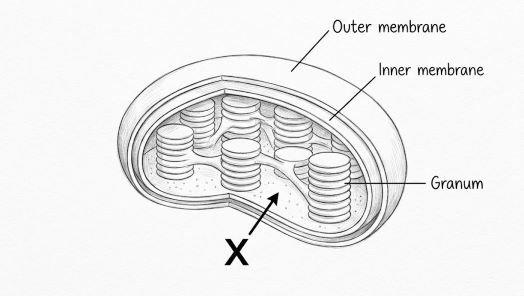
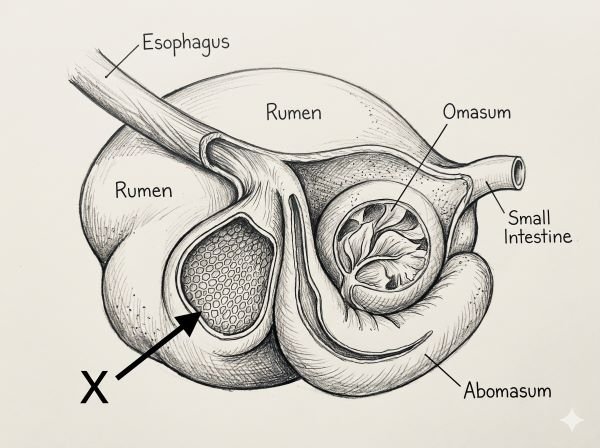







0 Discussion(s)
You must be logged in to join the discussion.