Smart Online Assessments For Serious Exam Preparation
Start Assessment โž”

What do you want to learn today?

โ˜…โ˜…โ˜…โ˜…โ˜…No reviews yet
UKSSSC LEO Biology Mock Test 2026: 100 Questions Full Practice Test

UKSSSC LEO Biology Mock Test 2026: 100 Questions Full Practice Test

Prakash Joshi October 13, 2026 514 views 100 Questions
Download PDF
๐ŸŽฏ Practice: Earn +4 Pts for right answers, auto-save wrong ones (-1 Pt) to your Mistake Bank & unlock +50 Daily Bonus! Login to Track Streak โ†’
โšก

Practice Mode (+4 / -1 Pts)

Solve instantly below with live points (+4 Right, -1 Wrong), detailed explanations & Mistake Bank sync.

Start Practice โ†“
๐ŸŽฏ

Full Exam Mode

Take this test in a strict timed environment with negative marking and detailed analytics.

Take Assessment โ†’
- Advertisement -
Guest User
Score 0 / 100
Pts 0
Q1 of 100  |   Part A (Compulsory)
Q1. According to the Fluid Mosaic Model proposed by Singer and Nicolson (1972), which of the following statements accurately describes the structure and dynamic nature of the plasma membrane? / เคธเคฟเค‚เค—เคฐ เค”เคฐ เคจเคฟเค•เฅ‹เคฒเคธเคจ (1972) เคฆเฅเคตเคพเคฐเคพ เคชเฅเคฐเคธเฅเคคเคพเคตเคฟเคค เคคเคฐเคฒ เคฎเฅ‹เคœเคผเฅ‡เค• เคฎเฅ‰เคกเคฒ (Fluid Mosaic Model) เค•เฅ‡ เค…เคจเฅเคธเคพเคฐ, เคจเคฟเคฎเฅเคจเคฒเคฟเค–เคฟเคค เคฎเฅ‡เค‚ เคธเฅ‡ เค•เฅŒเคจ เคธเคพ เค•เคฅเคจ เคชเฅเคฒเคพเคœเฅเคฎเคพ เคเคฟเคฒเฅเคฒเฅ€ เค•เฅ€ เคธเค‚เคฐเคšเคจเคพ เค”เคฐ เค—เคคเคฟเคถเฅ€เคฒ เคชเฅเคฐเค•เฅƒเคคเคฟ เค•เคพ เคธเคŸเฅ€เค• เคตเคฐเฅเคฃเคจ เค•เคฐเคคเคพ เคนเฅˆ?
Q2 of 100  |   Part A (Compulsory)
Q2. Which of the following cellular structures is non-membrane bound and serves as the primary site of ribosomal RNA (rRNA) synthesis and ribosome subunit assembly in eukaryotic cells? / เคจเคฟเคฎเฅเคจเคฒเคฟเค–เคฟเคค เคฎเฅ‡เค‚ เคธเฅ‡ เค•เฅŒเคจ เคธเฅ€ เค•เฅ‹เคถเคฟเค•เฅ€เคฏ เคธเค‚เคฐเคšเคจเคพ เคเคฟเคฒเฅเคฒเฅ€-เคฐเคนเคฟเคค (non-membrane bound) เคนเฅˆ เค”เคฐ เคธเฅเค•เฅ‡เค‚เคฆเฅเคฐเค•เฅ€ (เคฏเฅ‚เค•เฅˆเคฐเคฟเคฏเฅ‹เคŸเคฟเค•) เค•เฅ‹เคถเคฟเค•เคพเค“เค‚ เคฎเฅ‡เค‚ เคฐเคพเค‡เคฌเฅ‹เคธเฅ‹เคฎเคฒ เค†เคฐเคเคจเค (rRNA) เคธเค‚เคถเฅเคฒเฅ‡เคทเคฃ เค”เคฐ เคฐเคพเค‡เคฌเฅ‹เคธเฅ‹เคฎ เคธเคฌเคฏเฅ‚เคจเคฟเคŸ เค…เคธเฅ‡เค‚เคฌเคฒเฅ€ เค•เคพ เคชเฅเคฐเคพเคฅเคฎเคฟเค• เคธเฅเคฅเคฒ เคนเฅˆ?
Q3 of 100  |   Part A (Compulsory)
Q3. Given below are two statements regarding prokaryotic and eukaryotic cellular organization:
Statement I: Prokaryotic 70S ribosomes consist of 50S and 30S subunits, containing 16S rRNA in the smaller subunit.
Statement II: Prokaryotic cell walls are primarily composed of cellulose and pectin with ester-linked lipids in eubacteria.

In the light of the above statements, choose the correct answer from the options given below:
/ เคชเฅเคฐเฅ‹เค•เฅˆเคฐเคฟเคฏเฅ‹เคŸเคฟเค• เค”เคฐ เคฏเฅ‚เค•เฅˆเคฐเคฟเคฏเฅ‹เคŸเคฟเค• เค•เฅ‹เคถเคฟเค•เฅ€เคฏ เคธเค‚เค—เค เคจ เค•เฅ‡ เคธเค‚เคฌเค‚เคง เคฎเฅ‡เค‚ เคจเฅ€เคšเฅ‡ เคฆเฅ‹ เค•เคฅเคจ เคฆเคฟเค เค—เค เคนเฅˆเค‚:
เค•เคฅเคจ I: เคชเฅเคฐเฅ‹เค•เฅˆเคฐเคฟเคฏเฅ‹เคŸเคฟเค• 70S เคฐเคพเค‡เคฌเฅ‹เคธเฅ‹เคฎ 50S เค”เคฐ 30S เคธเคฌเคฏเฅ‚เคจเคฟเคŸเฅเคธ เคธเฅ‡ เคฌเคจเฅ‡ เคนเฅ‹เคคเฅ‡ เคนเฅˆเค‚, เคœเคฟเคธเคฎเฅ‡เค‚ เค›เฅ‹เคŸเฅ€ เคธเคฌเคฏเฅ‚เคจเคฟเคŸ เคฎเฅ‡เค‚ 16S rRNA เค‰เคชเคธเฅเคฅเคฟเคค เคนเฅ‹เคคเคพ เคนเฅˆเฅค
เค•เคฅเคจ II: เคชเฅเคฐเฅ‹เค•เฅˆเคฐเคฟเคฏเฅ‹เคŸเคฟเค• เค•เฅ‹เคถเคฟเค•เคพ เคญเคฟเคคเฅเคคเคฟ เคฎเฅเค–เฅเคฏ เคฐเฅ‚เคช เคธเฅ‡ เคธเฅ‡เคฒเฅเคฏเฅ‚เคฒเฅ‹เคœ เค”เคฐ เคชเฅ‡เค•เฅเคŸเคฟเคจ เคธเฅ‡ เคฌเคจเฅ€ เคนเฅ‹เคคเฅ€ เคนเฅˆ เคคเคฅเคพ เคฏเฅ‚เคฌเฅˆเค•เฅเคŸเฅ€เคฐเคฟเคฏเคพ เคฎเฅ‡เค‚ เคเคธเฅเคŸเคฐ-เคฒเคฟเค‚เค•เฅเคก เคฒเคฟเคชเคฟเคก เคชเคพเค เคœเคพเคคเฅ‡ เคนเฅˆเค‚เฅค

เค‰เคชเคฐเฅเคฏเฅเค•เฅเคค เค•เคฅเคจเฅ‹เค‚ เค•เฅ‡ เค†เคฒเฅ‹เค• เคฎเฅ‡เค‚, เคจเฅ€เคšเฅ‡ เคฆเคฟเค เค—เค เคตเคฟเค•เคฒเฅเคชเฅ‹เค‚ เคฎเฅ‡เค‚ เคธเฅ‡ เคธเคนเฅ€ เค‰เคคเฅเคคเคฐ เคšเฅเคจเคฟเค:
Q4 of 100  |   Part A (Compulsory)
Q4. During which sub-stage of Prophase-I of Meiosis does the dissolution of the synaptonemal complex occur, leading to the visualization of X-shaped structures known as chiasmata? / เค…เคฐเฅเคงเคธเฅ‚เคคเฅเคฐเฅ€เคตเคฟเคญเคพเคœเคจ-I เค•เฅ‡ เคชเฅ‚เคฐเฅเคตเคพเคตเคธเฅเคฅเคพ-I (Prophase-I) เค•เฅ€ เค•เคฟเคธ เค‰เคช-เค…เคตเคธเฅเคฅเคพ เค•เฅ‡ เคฆเฅŒเคฐเคพเคจ เคธเคฟเคจเฅ‡เคชเฅเคŸเฅ‹เคจเฅ€เคฎเคฒ เค•เฅ‰เคฎเฅเคชเฅเคฒเฅ‡เค•เฅเคธ เค•เคพ เคตเคฟเค˜เคŸเคจ เคนเฅ‹เคคเคพ เคนเฅˆ, เคœเคฟเคธเค•เฅ‡ เคชเคฐเคฟเคฃเคพเคฎเคธเฅเคตเคฐเฅ‚เคช 'X' เค†เค•เคพเคฐ เค•เฅ€ เคธเค‚เคฐเคšเคจเคพเคเค‚ (เค•เคพเคเคœเฅเคฎเฅ‡เคŸเคพ) เคธเฅเคชเคทเฅเคŸ เคฆเคฟเค–เคพเคˆ เคฆเฅ‡เคคเฅ€ เคนเฅˆเค‚?
Q5 of 100  |   Part A (Compulsory)
Q5. Match List-I (Cell Organelle) with List-II (Specific Functional Attribute):
List-I
A. Golgi Complex
B. Lysosome
C. Peroxisome
D. Mitochondria

List-II
1. Hydrolytic acidic optimal enzymes (Hydrolases)
2. Post-translational modification & glycosylation
3. Beta-oxidation and catalase-mediated H2O2 breakdown
4. Krebs cycle and oxidative phosphorylation
/ เคธเฅ‚เคšเฅ€-I (เค•เฅ‹เคถเคฟเค•เคพเค‚เค—) เค•เฅ‹ เคธเฅ‚เคšเฅ€-II (เคตเคฟเคถเคฟเคทเฅเคŸ เค•เคพเคฐเฅเคฏเคพเคคเฅเคฎเค• เคตเคฟเคถเฅ‡เคทเคคเคพ) เคธเฅ‡ เคธเฅเคฎเฅ‡เคฒเคฟเคค เค•เฅ€เคœเคฟเค:
เคธเฅ‚เคšเฅ€-I
A. เค—เฅ‹เคฒเฅเคœเฅ€เค•เคพเคฏ (Golgi Complex)
B. เคฒเคพเค‡เคธเฅ‹เคธเฅ‹เคฎ (Lysosome)
C. เคชเคฐเค‘เค•เฅเคธเฅ€เคธเฅ‹เคฎ (Peroxisome)
D. เคฎเคพเค‡เคŸเฅ‹เค•เฅ‰เคจเฅเคกเฅเคฐเคฟเคฏเคพ (Mitochondria)

เคธเฅ‚เคšเฅ€-II
1. เค…เคฎเฅเคฒเฅ€เคฏ เคฎเคพเคงเฅเคฏเคฎ เคฎเฅ‡เค‚ เคธเค•เฅเคฐเคฟเคฏ เคœเคฒ-เค…เคชเค˜เคŸเคจเฅ€เคฏ เคเค‚เคœเคพเค‡เคฎ (เคนเคพเค‡เคกเฅเคฐเฅ‹เคฒเฅ‡เคœ)
2. เคชเคถเฅเคš-เค…เคจเฅเคตเคพเคฆ เคธเค‚เคถเฅ‹เคงเคจ เคเคตเค‚ เค—เฅเคฒเคพเค‡เค•เฅ‹เคธเคฟเคฒเฅ‡เคถเคจ
3. เคฌเฅ€เคŸเคพ-เค‘เค•เฅเคธเฅ€เค•เคฐเคฃ เคเคตเค‚ เค•เฅˆเคŸเคพเคฒเฅ‡เคœ เคฆเฅเคตเคพเคฐเคพ H2O2 เค•เคพ เค…เคชเค˜เคŸเคจ
4. เค•เฅเคฐเฅ‡เคฌเฅเคธ เคšเค•เฅเคฐ เคเคตเค‚ เค‘เค•เฅเคธเฅ€เค•เคฐเคฃเฅ€เคฏ เคซเฅ‰เคธเฅเคซเฅ‹เคฐเคพเค‡เคฒเฅ‡เคถเคจ
Q6 of 100  |   Part A (Compulsory)
Q6. Which of the following bonds stabilizes the alpha-helical secondary structure of proteins? / เคจเคฟเคฎเฅเคจเคฒเคฟเค–เคฟเคค เคฎเฅ‡เค‚ เคธเฅ‡ เค•เฅŒเคจ เคธเคพ เคฌเค‚เคง เคชเฅเคฐเฅ‹เคŸเฅ€เคจเฅ‹เค‚ เค•เฅ€ เค…เคฒเฅเคซเคพ-เคนเฅ‡เคฒเคฟเค•เคฒ เคฆเฅเคตเคฟเคคเฅ€เคฏเค• เคธเค‚เคฐเคšเคจเคพ (Secondary Structure) เค•เฅ‹ เคธเฅเคฅเคพเคฏเคฟเคคเฅเคต เคชเฅเคฐเคฆเคพเคจ เค•เคฐเคคเคพ เคนเฅˆ?
Q7 of 100  |   Part A (Compulsory)
Q7. Which of the following carbohydrates is a non-reducing disaccharide composed of alpha-D-glucopyranose and beta-D-fructofuranose linked via an alpha-1, beta-2 glycosidic linkage? / เคจเคฟเคฎเฅเคจเคฒเคฟเค–เคฟเคค เคฎเฅ‡เค‚ เคธเฅ‡ เค•เฅŒเคจ เคธเคพ เค•เคพเคฐเฅเคฌเฅ‹เคนเคพเค‡เคกเฅเคฐเฅ‡เคŸ เคเค• เค…เคจเคชเคšเคพเคฏเค• เคกเคพเค‡เคธเฅˆเค•เฅ‡เคฐเคพเค‡เคก (non-reducing disaccharide) เคนเฅˆ, เคœเฅ‹ เค…เคฒเฅเคซเคพ-1, เคฌเฅ€เคŸเคพ-2 เค—เฅเคฒเคพเค‡เค•เฅ‹เคธเคฟเคกเคฟเค• เคฌเค‚เคง เคฆเฅเคตเคพเคฐเคพ เคœเฅเคกเคผเฅ‡ เค…เคฒเฅเคซเคพ-D-เค—เฅเคฒเฅ‚เค•เฅ‹เคœ เค”เคฐ เคฌเฅ€เคŸเคพ-D-เคซเฅเคฐเฅเค•เฅเคŸเฅ‹เคœ เคธเฅ‡ เคฌเคจเคพ เคนเฅ‹เคคเคพ เคนเฅˆ?
Q8 of 100  |   Part A (Compulsory)
Q8. Given below are two statements, one is labelled as Assertion (A) and the other is labelled as Reason (R):
Assertion (A): Double fertilization is a unique and characteristic event occurring exclusively in angiosperms.
Reason (R): It involves syngamy forming a diploid zygote and triple fusion producing a triploid primary endosperm nucleus.

In the light of the above statements, choose the most appropriate answer from the options given below:
/ เคจเฅ€เคšเฅ‡ เคฆเฅ‹ เค•เคฅเคจ เคฆเคฟเค เค—เค เคนเฅˆเค‚, เคเค• เค…เคญเคฟเค•เคฅเคจ (A) เค”เคฐ เคฆเฅ‚เคธเคฐเคพ เค•เคพเคฐเคฃ (R) เค•เฅ‡ เคฐเฅ‚เคช เคฎเฅ‡เค‚ เคฒเคฟเค–เคฟเคค เคนเฅˆ:
เค…เคญเคฟเค•เคฅเคจ (A): เคฆเฅ‹เคนเคฐเคพ เคจเคฟเคทเฅ‡เคšเคจ (Double Fertilization) เค•เฅ‡เคตเคฒ เค†เคตเฅƒเคคเคฌเฅ€เคœเคฟเคฏเฅ‹เค‚ (เคเค‚เคœเคฟเคฏเฅ‹เคธเฅเคชเคฐเฅเคฎ) เคฎเฅ‡เค‚ เคนเฅ‹เคจเฅ‡ เคตเคพเคฒเฅ€ เคเค• เค…เคฆเฅเคตเคฟเคคเฅ€เคฏ เคตเคฟเคถเคฟเคทเฅเคŸ เค˜เคŸเคจเคพ เคนเฅˆเฅค
เค•เคพเคฐเคฃ (R): เค‡เคธเคฎเฅ‡เค‚ เคเค• เคจเคฐ เคฏเฅเค—เฅเคฎเค• เค…เค‚เคก เค•เฅ‹เคถเคฟเค•เคพ เคธเฅ‡ เคธเค‚เคฒเคฏเคฟเคค เคนเฅ‹เค•เคฐ เคฆเฅเคตเคฟเค—เฅเคฃเคฟเคค เคฏเฅเค—เฅเคฎเคจเคœ เคฌเคจเคพเคคเคพ เคนเฅˆ (เคฏเฅเค—เฅเคฎเค• เคธเค‚เคฒเคฏเคจ) เคคเคฅเคพ เคฆเฅ‚เคธเคฐเคพ เคจเคฐ เคฏเฅเค—เฅเคฎเค• เคฆเฅเคตเคฟเคคเฅ€เคฏเค• เค•เฅ‡เค‚เคฆเฅเคฐเค• เคธเฅ‡ เคธเค‚เคฒเคฏเคฟเคค เคนเฅ‹เค•เคฐ เคคเฅเคฐเคฟเค—เฅเคฃเคฟเคค เคชเฅเคฐเคพเคฅเคฎเคฟเค• เคญเฅเคฐเฅ‚เคฃเคชเฅ‹เคท เค•เฅ‡เค‚เคฆเฅเคฐเค• เคฌเคจเคพเคคเคพ เคนเฅˆ (เคคเฅเคฐเคฟเค• เคธเค‚เคฒเคฏเคจ)เฅค

เค‰เคชเคฐเฅเคฏเฅเค•เฅเคค เค•เคฅเคจเฅ‹เค‚ เค•เฅ‡ เค†เคฒเฅ‹เค• เคฎเฅ‡เค‚, เคจเฅ€เคšเฅ‡ เคฆเคฟเค เค—เค เคตเคฟเค•เคฒเฅเคชเฅ‹เค‚ เคฎเฅ‡เค‚ เคธเฅ‡ เคธเคฌเคธเฅ‡ เค‰เคชเคฏเฅเค•เฅเคค เค‰เคคเฅเคคเคฐ เคšเฅเคจเคฟเค:
Q9 of 100  |   Part A (Compulsory)
Q9. In Whittaker's Five Kingdom Classification system, on what primary basis are organisms categorized into Monera, Protista, Fungi, Plantae, and Animalia? / เคตเฅเคนเคฟเคŸเฅ‡เค•เคฐ เค•เฅ€ เคชเคพเค‚เคš เคœเค—เคค เคตเคฐเฅเค—เฅ€เค•เคฐเคฃ เคชเฅเคฐเคฃเคพเคฒเฅ€ (1969) เคฎเฅ‡เค‚, เคœเฅ€เคตเฅ‹เค‚ เค•เฅ‹ เคฎเฅ‹เคจเฅ‡เคฐเคพ, เคชเฅเคฐเฅ‹เคŸเคฟเคธเฅเคŸเคพ, เค•เคตเค•, เคชเคพเคฆเคช เค”เคฐ เคœเค‚เคคเฅ เคœเค—เคคเฅ‹เค‚ เคฎเฅ‡เค‚ เคตเคฐเฅเค—เฅ€เค•เฅƒเคค เค•เคฐเคจเฅ‡ เค•เคพ เคชเฅเคฐเคพเคฅเคฎเคฟเค• เค†เคงเคพเคฐ เค•เฅเคฏเคพ เคนเฅˆ?
Q10 of 100  |   Part A (Compulsory)
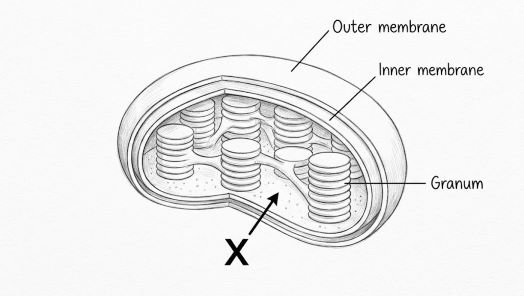
Direction for Q.10 Observe the image carefully. | เค›เคตเคฟ เค•เฅ‹ เคงเฅเคฏเคพเคจ เคธเฅ‡ เคฆเฅ‡เค–เฅ‡เค‚เฅค
Q10. In the given ultrastructure of a Chloroplast, which labelled compartment represents the Stroma where dark reaction enzymatic carbon fixation (Calvin-Benson cycle) occurs? / เค•เฅเคฒเฅ‹เคฐเฅ‹เคชเฅเคฒเคพเคธเฅเคŸ เค•เฅ€ เคฆเฅ€ เค—เคˆ เคชเคฐเคพเคธเค‚เคฐเคšเคจเคพ เคฎเฅ‡เค‚, เค•เฅŒเคจ-เคธเคพ เคญเคพเค— เคชเฅ€เค เคฟเค•เคพ (เคธเฅเคŸเฅเคฐเฅ‹เคฎเคพ) เค•เฅ‹ เคจเคฟเคฐเฅ‚เคชเคฟเคค เค•เคฐเคคเคพ เคนเฅˆ เคœเคนเคพเค เค…เค‚เคงเค•เคพเคฐ เค…เคญเคฟเค•เฅเคฐเคฟเคฏเคพ (เค•เฅ‡เคฒเฅเคตเคฟเคจ-เคฌเฅ‡เคจเฅเคธเคจ เคšเค•เฅเคฐ) เค•เฅ‡ เคเค‚เคœเคพเค‡เคฎเฅ€ เค•เคพเคฐเฅเคฌเคจ เคธเฅเคฅเคฟเคฐเฅ€เค•เคฐเคฃ เค•เฅ€ เคชเฅเคฐเค•เฅเคฐเคฟเคฏเคพ เคธเค‚เคชเคจเฅเคจ เคนเฅ‹เคคเฅ€ เคนเฅˆ?
Q11 of 100  |   Part A (Compulsory)
Q11. Viroids differ from viruses in possessing which of the following structural characteristics? / เคตเคพเค‡เคฐเฅ‰เค‡เคกเฅเคธ (Viroids) เคจเคฟเคฎเฅเคจเคฒเคฟเค–เคฟเคค เคฎเฅ‡เค‚ เคธเฅ‡ เค•เคฟเคธ เคธเค‚เคฐเคšเคจเคพเคคเฅเคฎเค• เคตเคฟเคถเฅ‡เคทเคคเคพ เค•เฅ‡ เค•เคพเคฐเคฃ เคตเคฟเคทเคพเคฃเฅเค“เค‚ (Viruses) เคธเฅ‡ เคญเคฟเคจเฅเคจ เคนเฅ‹เคคเฅ‡ เคนเฅˆเค‚?
Q12 of 100  |   Part A (Compulsory)
Q12. Match List-I (Family of Angiosperms) with List-II (Diagnostic Floral Feature):
List-I
A. Brassicaceae (Cruciferae)
B. Fabaceae (Papilionaceae)
C. Solanaceae
D. Malvaceae

List-II
1. Monadelphous stamens with monothecous reniform anthers
2. Tetradynamous stamens (2 short outer + 4 long inner) and replum
3. Papilionaceous corolla (vexillary aestivation) and diadelphous stamens (9+1)
4. Obliquely placed ovary with swollen placenta and persistent calyx
/ เคธเฅ‚เคšเฅ€-I (เค†เคตเฅƒเคคเคฌเฅ€เคœเฅ€ เค•เฅเคฒ) เค•เฅ‹ เคธเฅ‚เคšเฅ€-II (เคตเคฟเคถเคฟเคทเฅเคŸ เคชเฅเคทเฅเคชเฅ€เคฏ เคฒเค•เฅเคทเคฃ) เคธเฅ‡ เคธเฅเคฎเฅ‡เคฒเคฟเคค เค•เฅ€เคœเคฟเค:
เคธเฅ‚เคšเฅ€-I
A. เคฌเฅเคฐเฅ‡เคธเฅ€เค•เฅ‡เคธเฅ€ (เค•เฅเคฐเฅ‚เคธเฅ€เคซเฅ‡เคฐเฅ€)
B. เคซเฅ‡เคฌเฅ‡เคธเฅ€ (เคชเฅˆเคชเคฟเคฒเคฟเคฏเฅ‹เคจเฅ‡เคธเฅ€)
C. เคธเฅ‹เคฒเฅ‡เคจเฅ‡เคธเฅ€
D. เคฎเคพเคฒเคตเฅ‡เคธเฅ€

เคธเฅ‚เคšเฅ€-II
1. เคเค•เคธเค‚เค˜เฅ€ เคชเฅเค‚เค•เฅ‡เคธเคฐ เคเคตเค‚ เคเค•เค•เฅ‹เคทเฅเค เค•เฅ€เคฏ เคตเฅƒเค•เฅเค•เคพเค•เคพเคฐ เคชเคฐเคพเค—เค•เฅ‹เคถ
2. เคšเคคเฅเคฐเฅเคฆเฅ€เคฐเฅเค˜เฅ€ เคชเฅเค‚เค•เฅ‡เคธเคฐ (2 เค›เฅ‹เคŸเฅ‡ เคฌเคพเคนเคฐเฅ€ + 4 เคฒเค‚เคฌเฅ‡ เคญเฅ€เคคเคฐเฅ€) เคเคตเค‚ เค•เฅ‚เคŸเคชเคŸ (เคฐเฅ‡เคชเคฒเคฎ)
3. เคคเคฟเคคเคฒเฅ€เคจเฅเคฎเคพ เคฆเคฒเคชเฅเค‚เคœ (เคตเฅˆเค•เฅเคธเคฟเคฒเคฐเฅ€ เคตเคฟเคจเฅเคฏเคพเคธ) เคเคตเค‚ เคฆเฅเคตเคฟเคธเค‚เค˜เฅ€ เคชเฅเค‚เค•เฅ‡เคธเคฐ (9+1)
4. เคคเคฟเคฐเค›เคพ เค…เค‚เคกเคพเคถเคฏ, เคซเฅ‚เคฒเคพ เคนเฅเค† เคฌเฅ€เคœเคพเค‚เคกเคพเคธเคจ เคเคตเค‚ เคšเคฟเคฐเคฒเค—เฅเคจ เคฌเคพเคนเฅเคฏเคฆเคฒเคชเฅเค‚เคœ
Q13 of 100  |   Part A (Compulsory)
Q13. In Cucurbitaceae, what type of vascular bundle arrangement is typically observed in the stem cross-section? / เค•เฅเค•เฅเคฐเคฌเคฟเคŸเฅ‡เคธเฅ€ (Cucurbitaceae) เค•เฅเคฒ เค•เฅ‡ เคชเฅŒเคงเฅ‹เค‚ เค•เฅ‡ เคคเคจเฅ‡ เค•เฅ‡ เค…เคจเฅเคชเฅเคฐเคธเฅเคฅ เค•เคพเคŸ เคฎเฅ‡เค‚ เค†เคฎเคคเฅŒเคฐ เคชเคฐ เค•เคฟเคธ เคชเฅเคฐเค•เคพเคฐ เค•เฅ‡ เคธเค‚เคตเคนเคจ เคฌเค‚เคกเคฒ (Vascular Bundles) เคฆเฅ‡เค–เฅ‡ เคœเคพเคคเฅ‡ เคนเฅˆเค‚?
Q14 of 100  |   Part A (Compulsory)
Q14. Consider the following statements regarding the anatomical differences between dicotyledonous and monocotyledonous roots:
1. Dicot roots usually exhibit diarch to hexarch xylem bundles, whereas monocot roots show polyarch xylem bundles (more than 6).
2. Pith is small or absent in mature dicot roots, but large and well-developed in monocot roots.
3. Secondary growth via vascular cambium occurs abundantly in monocot roots.

Which of the statements given above are correct?
/ เคฆเฅเคตเคฟเคฌเฅ€เคœเคชเคคเฅเคฐเฅ€ เค”เคฐ เคเค•เคฌเฅ€เคœเคชเคคเฅเคฐเฅ€ เคœเคกเคผเฅ‹เค‚ เค•เฅ‡ เค†เค‚เคคเคฐเคฟเค• เคถเคพเคฐเฅ€เคฐเคฟเค• เค…เค‚เคคเคฐ เค•เฅ‡ เคธเค‚เคฌเค‚เคง เคฎเฅ‡เค‚ เคจเคฟเคฎเฅเคจเคฒเคฟเค–เคฟเคค เค•เคฅเคจเฅ‹เค‚ เคชเคฐ เคตเคฟเคšเคพเคฐ เค•เฅ€เคœเคฟเค:
1. เคฆเฅเคตเคฟเคฌเฅ€เคœเคชเคคเฅเคฐเฅ€ เคœเคกเคผเฅ‹เค‚ เคฎเฅ‡เค‚ เค†เคฎเคคเฅŒเคฐ เคชเคฐ 2 เคธเฅ‡ 6 (diarch เคธเฅ‡ hexarch) เคœเคพเค‡เคฒเคฎ เคฌเค‚เคกเคฒ เคนเฅ‹เคคเฅ‡ เคนเฅˆเค‚, เคœเคฌเค•เคฟ เคเค•เคฌเฅ€เคœเคชเคคเฅเคฐเฅ€ เคœเคกเคผเฅ‹เค‚ เคฎเฅ‡เค‚ เคฌเคนเฅเค†เคฆเคฟเคฆเคพเคฐเฅเค• (polyarch - 6 เคธเฅ‡ เค…เคงเคฟเค•) เคœเคพเค‡เคฒเคฎ เคฌเค‚เคกเคฒ เคนเฅ‹เคคเฅ‡ เคนเฅˆเค‚เฅค
2. เคฆเฅเคตเคฟเคฌเฅ€เคœเคชเคคเฅเคฐเฅ€ เคœเคกเคผเฅ‹เค‚ เคฎเฅ‡เค‚ เคฎเคœเฅเคœเคพ (pith) เค…เคคเฅเคฏเค‚เคค เค›เฅ‹เคŸเฅ€ เคฏเคพ เค…เคจเฅเคชเคธเฅเคฅเคฟเคค เคนเฅ‹เคคเฅ€ เคนเฅˆ, เคœเคฌเค•เคฟ เคเค•เคฌเฅ€เคœเคชเคคเฅเคฐเฅ€ เคœเคกเคผเฅ‹เค‚ เคฎเฅ‡เค‚ เคฎเคœเฅเคœเคพ เคฌเคกเคผเฅ€ เคเคตเค‚ เคธเฅเคตเคฟเค•เคธเคฟเคค เคนเฅ‹เคคเฅ€ เคนเฅˆเฅค
3. เคเค•เคฌเฅ€เคœเคชเคคเฅเคฐเฅ€ เคœเคกเคผเฅ‹เค‚ เคฎเฅ‡เค‚ เคธเค‚เคตเคนเคจเฅ€ เค•เฅˆเคฎเฅเคฌเคฟเคฏเคฎ เค•เฅ‡ เคฎเคพเคงเฅเคฏเคฎ เคธเฅ‡ เคชเฅเคฐเคšเฅเคฐ เคฎเคพเคคเฅเคฐเคพ เคฎเฅ‡เค‚ เคฆเฅเคตเคฟเคคเฅ€เคฏเค• เคตเฅƒเคฆเฅเคงเคฟ เคนเฅ‹เคคเฅ€ เคนเฅˆเฅค

เค‰เคชเคฐเฅเคฏเฅเค•เฅเคค เค•เคฅเคจเฅ‹เค‚ เคฎเฅ‡เค‚ เคธเฅ‡ เค•เฅŒเคจ-เคธเฅ‡ เคธเคนเฅ€ เคนเฅˆเค‚?
Q15 of 100  |   Part A (Compulsory)
Q15. What type of inflorescence is characteristic of the family Asteraceae (Compositae)? / เคเคธเฅเคŸเฅ‡เคฐเฅ‡เคธเฅ€ (เค•เคฎเฅเคชเฅ‹เคœเคผเคฟเคŸเฅ€) เค•เฅเคฒ เค•เคพ เคตเคฟเคถเคฟเคทเฅเคŸ เคชเฅเคทเฅเคชเค•เฅเคฐเคฎ (Inflorescence) เค•เฅŒเคจ เคธเคพ เคนเฅˆ?
Q16 of 100  |   Part A (Compulsory)
Q16. According to Mรผnch's Mass Flow (Pressure Flow) hypothesis, the translocation of organic solutes in the phloem occurs due to: / เคฎเค‚เคš เค•เฅ€ เคฆเคพเคฌ เคชเฅเคฐเคตเคพเคน เคชเคฐเคฟเค•เคฒเฅเคชเคจเคพ (Pressure Flow Hypothesis) เค•เฅ‡ เค…เคจเฅเคธเคพเคฐ, เคซเฅเคฒเฅ‹เคเคฎ เคฎเฅ‡เค‚ เค•เคพเคฐเฅเคฌเคจเคฟเค• เคตเคฟเคฒเฅ‡เคฏ เคชเคฆเคพเคฐเฅเคฅเฅ‹เค‚ เค•เคพ เคธเฅเคฅเคพเคจเคพเค‚เคคเคฐเคฃ เค•เคฟเคธเค•เฅ‡ เค•เคพเคฐเคฃ เคนเฅ‹เคคเคพ เคนเฅˆ?
Q17 of 100  |   Part A (Compulsory)
Q17. In C4 plants (e.g., Maize, Sugarcane), the primary carboxylation reaction takes place in which specific cell type, and catalyzed by which enzyme? / C4 เคชเคพเคฆเคชเฅ‹เค‚ (เคœเฅˆเคธเฅ‡ เคฎเค•เฅเค•เคพ, เค—เคจเฅเคจเคพ) เคฎเฅ‡เค‚ เคชเฅเคฐเคพเคฅเคฎเคฟเค• เค•เคพเคฐเฅเคฌเฅ‹เค•เฅเคธเฅ€เค•เคฐเคฃ เค…เคญเคฟเค•เฅเคฐเคฟเคฏเคพ เค•เคฟเคธ เคตเคฟเคถเคฟเคทเฅเคŸ เค•เฅ‹เคถเคฟเค•เคพ เคชเฅเคฐเค•เคพเคฐ เคฎเฅ‡เค‚ เคคเคฅเคพ เค•เคฟเคธ เคเค‚เคœเคพเค‡เคฎ เคฆเฅเคตเคพเคฐเคพ เค‰เคคเฅเคชเฅเคฐเฅ‡เคฐเคฟเคค เคนเฅ‹เคคเฅ€ เคนเฅˆ?
Q18 of 100  |   Part A (Compulsory)
Q18. Given below are two statements, one is labelled as Assertion (A) and the other is labelled as Reason (R):
Assertion (A): C4 plants exhibit significantly higher photosynthetic efficiency and biomass yield under high temperature and bright sunlight than C3 plants.
Reason (R): Kranz anatomy and the CO2-concentrating mechanism in C4 plants effectively suppress photorespiration.

In the light of the above statements, choose the most appropriate answer from the options given below:
/ เคจเฅ€เคšเฅ‡ เคฆเฅ‹ เค•เคฅเคจ เคฆเคฟเค เค—เค เคนเฅˆเค‚, เคเค• เค…เคญเคฟเค•เคฅเคจ (A) เค”เคฐ เคฆเฅ‚เคธเคฐเคพ เค•เคพเคฐเคฃ (R) เค•เฅ‡ เคฐเฅ‚เคช เคฎเฅ‡เค‚ เคฒเคฟเค–เคฟเคค เคนเฅˆ:
เค…เคญเคฟเค•เคฅเคจ (A): เค‰เคšเฅเคš เคคเคพเคชเคฎเคพเคจ เค”เคฐ เคคเฅ€เคตเฅเคฐ เคชเฅเคฐเค•เคพเคถ เค•เฅ€ เคธเฅเคฅเคฟเคคเคฟ เคฎเฅ‡เค‚ C4 เคชเคพเคฆเคช C3 เคชเคพเคฆเคชเฅ‹เค‚ เค•เฅ€ เคคเฅเคฒเคจเคพ เคฎเฅ‡เค‚ เค•เคพเคซเฅ€ เค…เคงเคฟเค• เคชเฅเคฐเค•เคพเคถ เคธเค‚เคถเฅเคฒเฅ‡เคทเค• เคฆเค•เฅเคทเคคเคพ เค”เคฐ เคฌเคพเคฏเฅ‹เคฎเคพเคธ เค‰เคคเฅเคชเคพเคฆเคจ เคชเฅเคฐเคฆเคฐเฅเคถเคฟเคค เค•เคฐเคคเฅ‡ เคนเฅˆเค‚เฅค
เค•เคพเคฐเคฃ (R): C4 เคชเคพเคฆเคชเฅ‹เค‚ เคฎเฅ‡เค‚ เคชเคพเคˆ เคœเคพเคจเฅ‡ เคตเคพเคฒเฅ€ เค•เฅเคฐเฅˆเค‚เคœ เคถเคพเคฐเฅ€เคฐเคฟเค•เฅ€ (Kranz anatomy) เค”เคฐ CO2-เคธเคพเค‚เคฆเฅเคฐเคฃ เคคเค‚เคคเฅเคฐ เคชเฅเคฐเค•เคพเคถ-เคถเฅเคตเคธเคจ (Photorespiration) เค•เฅ‹ เคชเฅเคฐเคญเคพเคตเฅ€ เคฐเฅ‚เคช เคธเฅ‡ เคธเคฎเคพเคชเฅเคค เค•เคฐ เคฆเฅ‡เคคเฅ‡ เคนเฅˆเค‚เฅค

เค‰เคชเคฐเฅเคฏเฅเค•เฅเคค เค•เคฅเคจเฅ‹เค‚ เค•เฅ‡ เค†เคฒเฅ‹เค• เคฎเฅ‡เค‚, เคจเฅ€เคšเฅ‡ เคฆเคฟเค เค—เค เคตเคฟเค•เคฒเฅเคชเฅ‹เค‚ เคฎเฅ‡เค‚ เคธเฅ‡ เคธเคฌเคธเฅ‡ เค‰เคชเคฏเฅเค•เฅเคค เค‰เคคเฅเคคเคฐ เคšเฅเคจเคฟเค:
Q19 of 100  |   Part A (Compulsory)
Q19. During aerobic cellular respiration, which step directly links Glycolysis in the cytosol to the Krebs cycle in the mitochondrial matrix? / เคตเคพเคฏเคตเฅ€เคฏ เค•เฅ‹เคถเคฟเค•เฅ€เคฏ เคถเฅเคตเคธเคจ เค•เฅ‡ เคฆเฅŒเคฐเคพเคจ, เค•เฅŒเคจ เคธเคพ เคšเคฐเคฃ เค•เฅ‹เคถเคฟเค•เคพเคฆเฅเคฐเคตเฅเคฏ (cytosol) เคฎเฅ‡เค‚ เคนเฅ‹เคจเฅ‡ เคตเคพเคฒเฅ‡ เค—เฅเคฒเคพเค‡เค•เฅ‹เคฒเคพเค‡เคธเคฟเคธ เค•เฅ‹ เคฎเคพเค‡เคŸเฅ‹เค•เฅ‰เคจเฅเคกเฅเคฐเคฟเคฏเคฒ เคฎเฅˆเคŸเฅเคฐเคฟเค•เฅเคธ เคฎเฅ‡เค‚ เคนเฅ‹เคจเฅ‡ เคตเคพเคฒเฅ‡ เค•เฅเคฐเฅ‡เคฌเฅเคธ เคšเค•เฅเคฐ เคธเฅ‡ เคธเฅ€เคงเฅ‡ เคœเฅ‹เคกเคผเคคเคพ เคนเฅˆ (เคฏเฅ‹เคœเค• เค•เคกเคผเฅ€)?
Q20 of 100  |   Part A (Compulsory)
Q20. In the mitochondrial electron transport chain (ETC), Complex IV is biochemically known as: / เคฎเคพเค‡เคŸเฅ‹เค•เฅ‰เคจเฅเคกเฅเคฐเคฟเคฏเคฒ เค‡เคฒเฅ‡เค•เฅเคŸเฅเคฐเฅ‰เคจ เคชเคฐเคฟเคตเคนเคจ เคชเฅเคฐเคฃเคพเคฒเฅ€ (ETC) เคฎเฅ‡เค‚, เค•เฅ‰เคฎเฅเคชเฅเคฒเฅ‡เค•เฅเคธ IV (Complex IV) เค•เฅ‹ เคœเฅˆเคต เคฐเคพเคธเคพเคฏเคจเคฟเค• เคฐเฅ‚เคช เคธเฅ‡ เค•เคฟเคธ เคจเคพเคฎ เคธเฅ‡ เคœเคพเคจเคพ เคœเคพเคคเคพ เคนเฅˆ?
Q21 of 100  |   Part A (Compulsory)
Q21. Which plant hormone is primarily responsible for promoting cell division, delaying leaf senescence (Richmond-Lang effect), and counteracting apical dominance? / เค•เฅŒเคจ เคธเคพ เคชเคพเคฆเคช เคนเคพเคฐเฅเคฎเฅ‹เคจ เคฎเฅเค–เฅเคฏ เคฐเฅ‚เคช เคธเฅ‡ เค•เฅ‹เคถเคฟเค•เคพ เคตเคฟเคญเคพเคœเคจ เค•เฅ‹ เคชเฅเคฐเฅ‡เคฐเคฟเคค เค•เคฐเคจเฅ‡, เคชเคคเฅเคคเคฟเคฏเฅ‹เค‚ เค•เฅ‡ เคœเฅ€เคฐเฅเคฃเคจ เคฎเฅ‡เค‚ เคฆเฅ‡เคฐเฅ€ เค•เคฐเคจเฅ‡ (เคฐเคฟเคšเคฎเค‚เคก-เคฒเฅˆเค‚เค— เคชเฅเคฐเคญเคพเคต) เค”เคฐ เคถเฅ€เคฐเฅเคทเคธเฅเคฅ เคชเฅเคฐเคญเคพเคตเคฟเคคเคพ เค•เคพ เคชเฅเคฐเคคเคฟเค•เคพเคฐ เค•เคฐเคจเฅ‡ เค•เฅ‡ เคฒเคฟเค เคœเคฟเคฎเฅเคฎเฅ‡เคฆเคพเคฐ เคนเฅˆ?
Q22 of 100  |   Part A (Compulsory)
Q22. Match List-I (Plant Growth Regulator) with List-II (Key Physiological Function):
List-I
A. Auxin
B. Gibberellin
C. Ethylene
D. Abscisic Acid

List-II
1. Bolting and stem elongation in rosette plants
2. Apical dominance and phototropic curvature
3. Stomatal closure during water stress ('stress hormone')
4. Climacteric fruit ripening and triple response
/ เคธเฅ‚เคšเฅ€-I (เคชเคพเคฆเคช เคตเฅƒเคฆเฅเคงเคฟ เคจเคฟเคฏเคพเคฎเค•) เค•เฅ‹ เคธเฅ‚เคšเฅ€-II (เคชเฅเคฐเคฎเฅเค– เค•เคพเคฐเฅเคฏเคฟเค•เฅ€เคฏ เคชเฅเคฐเคญเคพเคต) เคธเฅ‡ เคธเฅเคฎเฅ‡เคฒเคฟเคค เค•เฅ€เคœเคฟเค:
เคธเฅ‚เคšเฅ€-I
A. เค‘เค•เฅเคธเคฟเคจ (Auxin)
B. เคœเคฟเคฌเคฐเฅ‡เคฒเคฟเคจ (Gibberellin)
C. เคเคฅเคฟเคฒเฅ€เคจ (Ethylene)
D. เคเคฌเฅเคธเคฟเคธเคฟเค• เค…เคฎเฅเคฒ (ABA)

เคธเฅ‚เคšเฅ€-II
1. เคฐเฅ‹เคœเฅ‡เคŸ เคชเฅŒเคงเฅ‹เค‚ เคฎเฅ‡เค‚ เคฌเฅ‹เคฒเฅเคŸเคฟเค‚เค— (เคธเฅเคคเค‚เคญ เคฆเฅ€เคฐเฅเค—เฅ€เค•เคฐเคฃ)
2. เคถเฅ€เคฐเฅเคทเคธเฅเคฅ เคชเฅเคฐเคญเคพเคตเคฟเคคเคพ เคเคตเค‚ เคชเฅเคฐเค•เคพเคถเคพเคจเฅเคตเคฐเฅเคคเฅ€ เคตเค•เฅเคฐเคคเคพ
3. เคœเคฒ เคคเคจเคพเคต เค•เฅ‡ เคธเคฎเคฏ เคฐเค‚เคงเฅเคฐเฅ‹เค‚ เค•เคพ เคฌเค‚เคฆ เคนเฅ‹เคจเคพ ('เคคเคจเคพเคต เคนเคพเคฐเฅเคฎเฅ‹เคจ')
4. เค•เฅเคฒเคพเค‡เคฎเฅ‡เค•เฅเคŸเฅ‡เคฐเคฟเค• เคซเคฒเฅ‹เค‚ เค•เคพ เคชเค•เคจเคพ เคเคตเค‚ เคคเฅเคฐเคฟ-เค…เคจเฅเค•เฅเคฐเคฟเคฏเคพ (Triple response)
Q23 of 100  |   Part A (Compulsory)
Q23. A typical mature angiospermic embryo sac (Polygonum type) at the time of fertilization is characterized by having: / เคจเคฟเคทเฅ‡เคšเคจ เค•เฅ‡ เคธเคฎเคฏ เคเค• เคชเฅเคฐเคพเคฐเฅ‚เคชเคฟเค• เคชเคฐเคฟเคชเค•เฅเคต เค†เคตเฅƒเคคเคฌเฅ€เคœเฅ€ เคญเฅเคฐเฅ‚เคฃเค•เฅ‹เคท (เคชเฅ‰เคฒเฅ€เค—เฅ‹เคจเคฎ เคชเฅเคฐเค•เคพเคฐ) เคฎเฅ‡เค‚ เค•เคฟเคคเคจเฅ€ เค•เฅ‹เคถเคฟเค•เคพเคเค‚ เค”เคฐ เค•เฅ‡เค‚เคฆเฅเคฐเค• เคชเคพเค เคœเคพเคคเฅ‡ เคนเฅˆเค‚?
Q24 of 100  |   Part A (Compulsory)
Q24. The phenomenon of development of an embryo directly from diploid maternal nucellar or integument cells into the ovule without fertilization is an example of: / เคจเคฟเคทเฅ‡เคšเคจ เค•เฅ‡ เคฌเคฟเคจเคพ เคธเฅ€เคงเฅ‡ เคฌเฅ€เคœเคพเค‚เคกเค•เคพเคฏ (nucellus) เคฏเคพ เค…เคงเฅเคฏเคพเคตเคฐเคฃ (integument) เค•เฅ€ เคฆเฅเคตเคฟเค—เฅเคฃเคฟเคค เค•เฅ‹เคถเคฟเค•เคพเค“เค‚ เคธเฅ‡ เคญเฅเคฐเฅ‚เคฃ เค•เฅ‡ เคตเคฟเค•เคพเคธ เค•เฅ€ เคชเคฐเคฟเค˜เคŸเคจเคพ เค•เคฟเคธเค•เคพ เค‰เคฆเคพเคนเคฐเคฃ เคนเฅˆ?
Q25 of 100  |   Part A (Compulsory)
Q25. Given below are two statements regarding biological nitrogen fixation:
Statement I: The nitrogenase enzyme complex is extremely sensitive to molecular oxygen and is irreversibly inactivated in its presence.
Statement II: In legume root nodules, leghemoglobin acts as an oxygen scavenger to protect nitrogenase while sustaining aerobic respiration in bacteroids.

In the light of the above statements, choose the correct answer from the options given below:
/ เคœเฅˆเคตเคฟเค• เคจเคพเค‡เคŸเฅเคฐเฅ‹เคœเคจ เคธเฅเคฅเคฟเคฐเฅ€เค•เคฐเคฃ เค•เฅ‡ เคธเค‚เคฌเค‚เคง เคฎเฅ‡เค‚ เคจเฅ€เคšเฅ‡ เคฆเฅ‹ เค•เคฅเคจ เคฆเคฟเค เค—เค เคนเฅˆเค‚:
เค•เคฅเคจ I: เคจเคพเค‡เคŸเฅเคฐเฅ‹เคœเคจเฅ‡เคœ เคเค‚เคœเคพเค‡เคฎ เค•เฅ‰เคฎเฅเคชเฅเคฒเฅ‡เค•เฅเคธ เค†เคฃเคตเคฟเค• เค‘เค•เฅเคธเฅ€เคœเคจ เค•เฅ‡ เคชเฅเคฐเคคเคฟ เค…เคคเฅเคฏเคงเคฟเค• เคธเค‚เคตเฅ‡เคฆเคจเคถเฅ€เคฒ เคนเฅ‹เคคเคพ เคนเฅˆ เค”เคฐ เค‡เคธเค•เฅ€ เค‰เคชเคธเฅเคฅเคฟเคคเคฟ เคฎเฅ‡เค‚ เค…เคชเคฐเคฟเคตเคฐเฅเคคเคจเฅ€เคฏ เคฐเฅ‚เคช เคธเฅ‡ เคจเคฟเคทเฅเค•เฅเคฐเคฟเคฏ เคนเฅ‹ เคœเคพเคคเคพ เคนเฅˆเฅค
เค•เคฅเคจ II: เคฒเฅ‡เค—เฅเคฏเฅ‚เคฎ เคฎเฅ‚เคฒ เค—เฅเคฐเค‚เคฅเคฟเค•เคพเค“เค‚ (เคจเฅ‹เคกเฅเคฏเฅ‚เคฒเฅเคธ) เคฎเฅ‡เค‚, เคฒเฅ‡เค—เคนเฅ€เคฎเฅ‹เค—เฅเคฒเฅ‹เคฌเคฟเคจ เค‘เค•เฅเคธเฅ€เคœเคจ เค…เคชเคฎเคพเคฐเฅเคœเค• (Oxygen scavenger) เค•เฅ‡ เคฐเฅ‚เคช เคฎเฅ‡เค‚ เค•เคพเคฐเฅเคฏ เค•เคฐเคคเคพ เคนเฅˆ เคคเคพเค•เคฟ เคจเคพเค‡เคŸเฅเคฐเฅ‹เคœเคจเฅ‡เคœ เค•เฅ€ เคฐเค•เฅเคทเคพ เค•เฅ€ เคœเคพ เคธเค•เฅ‡ เค”เคฐ เคฌเฅˆเค•เฅเคŸเฅ€เคฐเฅ‰เคฏเคกเฅเคธ เคฎเฅ‡เค‚ เคตเคพเคฏเคตเฅ€เคฏ เคถเฅเคตเคธเคจ เคฌเคจเคพ เคฐเคนเฅ‡เฅค

เค‰เคชเคฐเฅเคฏเฅเค•เฅเคค เค•เคฅเคจเฅ‹เค‚ เค•เฅ‡ เค†เคฒเฅ‹เค• เคฎเฅ‡เค‚, เคจเฅ€เคšเฅ‡ เคฆเคฟเค เค—เค เคตเคฟเค•เคฒเฅเคชเฅ‹เค‚ เคฎเฅ‡เค‚ เคธเฅ‡ เคธเคนเฅ€ เค‰เคคเฅเคคเคฐ เคšเฅเคจเคฟเค:
Q26 of 100  |   Part A (Compulsory)
Q26. The phenomenon of excessive nutrient enrichment (particularly phosphates and nitrates) in aquatic water bodies leading to algal blooms and subsequent hypoxia is termed as: / เคœเคฒเฅ€เคฏ เคœเคฒ เคจเคฟเค•เคพเคฏเฅ‹เค‚ เคฎเฅ‡เค‚ เค…เคคเฅเคฏเคงเคฟเค• เคชเฅ‹เคทเค• เคคเคคเฅเคตเฅ‹เค‚ (เคตเคฟเคถเฅ‡เคท เคฐเฅ‚เคช เคธเฅ‡ เคซเฅ‰เคธเฅเคซเฅ‡เคŸ เค”เคฐ เคจเคพเค‡เคŸเฅเคฐเฅ‡เคŸ) เค•เฅ‡ เคธเค‚เคšเคฏ เค•เฅ‡ เค•เคพเคฐเคฃ เคถเฅˆเคตเคพเคฒ เคชเฅเคฐเคธเฅเคซเฅเคŸเคจ (algal blooms) เค”เคฐ เค‰เคธเค•เฅ‡ เคฌเคพเคฆ เคนเคพเค‡เคชเฅ‹เค•เฅเคธเคฟเคฏเคพ (เค‘เค•เฅเคธเฅ€เคœเคจ เค•เฅ€ เค•เคฎเฅ€) เคนเฅ‹เคจเฅ‡ เค•เฅ€ เคชเคฐเคฟเค˜เคŸเคจเคพ เค•เฅเคฏเคพ เค•เคนเคฒเคพเคคเฅ€ เคนเฅˆ?
Q27 of 100  |   Part A (Compulsory)
Q27. Given below are two statements, one is labelled as Assertion (A) and the other is labelled as Reason (R):
Assertion (A): Persistent non-biodegradable chlorinated hydrocarbons like DDT exhibit increasing concentrations at successively higher trophic levels in a food chain.
Reason (R): These lipophilic toxins are easily metabolized and excreted by organisms in lower trophic levels.

In the light of the above statements, choose the most appropriate answer from the options given below:
/ เคจเฅ€เคšเฅ‡ เคฆเฅ‹ เค•เคฅเคจ เคฆเคฟเค เค—เค เคนเฅˆเค‚, เคเค• เค…เคญเคฟเค•เคฅเคจ (A) เค”เคฐ เคฆเฅ‚เคธเคฐเคพ เค•เคพเคฐเคฃ (R) เค•เฅ‡ เคฐเฅ‚เคช เคฎเฅ‡เค‚ เคฒเคฟเค–เคฟเคค เคนเฅˆ:
เค…เคญเคฟเค•เคฅเคจ (A): เค–เคพเคฆเฅเคฏ เคถเฅเคฐเฅƒเค‚เค–เคฒเคพ เคฎเฅ‡เค‚ เคกเฅ€เคกเฅ€เคŸเฅ€ (DDT) เคœเฅˆเคธเฅ‡ เคฒเค—เคพเคคเคพเคฐ เคฌเคจเฅ‡ เคฐเคนเคจเฅ‡ เคตเคพเคฒเฅ‡ เค—เฅˆเคฐ-เคฌเคพเคฏเฅ‹เคกเคฟเค—เฅเคฐเฅ‡เคกเฅ‡เคฌเคฒ เค•เฅเคฒเฅ‹เคฐเฅ€เคจเฅ‡เคŸเฅ‡เคก เคนเคพเค‡เคกเฅเคฐเฅ‹เค•เคพเคฐเฅเคฌเคจ เค•เฅเคฐเคฎเคฟเค• เค‰เคšเฅเคš เคชเฅ‹เคทเคฃ เคธเฅเคคเคฐเฅ‹เค‚ เคชเคฐ เคฌเคขเคผเคคเฅ€ เคนเฅเคˆ เคธเคพเค‚เคฆเฅเคฐเคคเคพ เคชเฅเคฐเคฆเคฐเฅเคถเคฟเคค เค•เคฐเคคเฅ‡ เคนเฅˆเค‚เฅค
เค•เคพเคฐเคฃ (R): เคฏเฅ‡ เคตเคธเคพ-เค˜เฅเคฒเคจเคถเฅ€เคฒ (เคฒเคฟเคชเฅ‹เคซเคฟเคฒเคฟเค•) เคตเคฟเคทเคพเค•เฅเคค เคชเคฆเคพเคฐเฅเคฅ เคจเคฟเคšเคฒเฅ‡ เคชเฅ‹เคทเคฃ เคธเฅเคคเคฐเฅ‹เค‚ เค•เฅ‡ เคœเฅ€เคตเฅ‹เค‚ เคฆเฅเคตเคพเคฐเคพ เค†เคธเคพเคจเฅ€ เคธเฅ‡ เคšเคฏเคพเคชเคšเคฏเคฟเคค เค”เคฐ เค‰เคคเฅเคธเคฐเฅเคœเคฟเคค เค•เคฐ เคฆเคฟเค เคœเคพเคคเฅ‡ เคนเฅˆเค‚เฅค

เค‰เคชเคฐเฅเคฏเฅเค•เฅเคค เค•เคฅเคจเฅ‹เค‚ เค•เฅ‡ เค†เคฒเฅ‹เค• เคฎเฅ‡เค‚, เคจเฅ€เคšเฅ‡ เคฆเคฟเค เค—เค เคตเคฟเค•เคฒเฅเคชเฅ‹เค‚ เคฎเฅ‡เค‚ เคธเฅ‡ เคธเคฌเคธเฅ‡ เค‰เคชเคฏเฅเค•เฅเคค เค‰เคคเฅเคคเคฐ เคšเฅเคจเคฟเค:
Q28 of 100  |   Part A (Compulsory)
Q28. Which of the following primary atmospheric chemical reactions is responsible for stratospheric ozone layer depletion by chlorofluorocarbons (CFCs)? / เค•เฅเคฒเฅ‹เคฐเฅ‹เคซเฅเคฒเฅ‹เคฐเฅ‹เค•เคพเคฐเฅเคฌเคจ (CFCs) เคฆเฅเคตเคพเคฐเคพ เคธเคฎเคคเคพเคชเคฎเค‚เคกเคฒเฅ€เคฏ เค“เคœเฅ‹เคจ เคชเคฐเคค เค•เฅ‡ เค•เฅเคทเคฐเคฃ เค•เฅ‡ เคฒเคฟเค เคจเคฟเคฎเฅเคจเคฒเคฟเค–เคฟเคค เคฎเฅ‡เค‚ เคธเฅ‡ เค•เฅŒเคจ เคธเฅ€ เคชเฅเคฐเคพเคฅเคฎเคฟเค• เคตเคพเคฏเฅเคฎเค‚เคกเคฒเฅ€เคฏ เคฐเคพเคธเคพเคฏเคจเคฟเค• เค…เคญเคฟเค•เฅเคฐเคฟเคฏเคพ เคœเคฟเคฎเฅเคฎเฅ‡เคฆเคพเคฐ เคนเฅˆ?
Q29 of 100  |   Part A (Compulsory)
Q29. Which silkworm species produces the commercially valuable Mulberry silk and what is its primary host plant? / เคตเฅเคฏเคพเคตเคธเคพเคฏเคฟเค• เคฐเฅ‚เคช เคธเฅ‡ เค…เคคเฅเคฏเค‚เคค เคฎเฅ‚เคฒเฅเคฏเคตเคพเคจ เคถเคนเคคเฅ‚เคค เคฐเฅ‡เคถเคฎ (Mulberry silk) เค•เคพ เค‰เคคเฅเคชเคพเคฆเคจ เค•เคฐเคจเฅ‡ เคตเคพเคฒเฅ€ เคฐเฅ‡เคถเคฎเค•เฅ€เคŸ เคชเฅเคฐเคœเคพเคคเคฟ เค•เฅŒเคจ เคธเฅ€ เคนเฅˆ เคคเคฅเคพ เค‡เคธเค•เคพ เคชเฅเคฐเคพเคฅเคฎเคฟเค• เคชเฅ‹เคทเค• เคชเฅŒเคงเคพ เค•เฅเคฏเคพ เคนเฅˆ?
Q30 of 100  |   Part A (Compulsory)
Q30. The biological control agent Bacillus thuringiensis (Bt) produces endotoxin crystals (Cry proteins) that kill targeted insect larvae by: / เคœเฅˆเคตเคฟเค• เคจเคฟเคฏเค‚เคคเฅเคฐเคฃ เค•เคพเคฐเค• เคฌเฅˆเคธเคฟเคฒเคธ เคฅเฅเคฐเคฟเค‚เคœเคฟเคเค‚เคธเคฟเคธ (Bt) เคเค‚เคกเฅ‹เคŸเฅ‰เค•เฅเคธเคฟเคจ เค•เฅเคฐเคฟเคธเฅเคŸเคฒ (Cry เคชเฅเคฐเฅ‹เคŸเฅ€เคจเฅเคธ) เค•เคพ เค‰เคคเฅเคชเคพเคฆเคจ เค•เคฐเคคเคพ เคนเฅˆ, เคœเฅ‹ เคฒเค•เฅเคทเคฟเคค เค•เฅ€เคŸ เคฒเคพเคฐเฅเคตเคพ เค•เฅ‹ เค•เคฟเคธ เค•เฅเคฐเคฟเคฏเคพเคตเคฟเคงเคฟ เคฆเฅเคตเคพเคฐเคพ เคฎเคพเคฐเคคเฅ‡ เคนเฅˆเค‚?
Q31 of 100  |   Part B (Biology)
Q31. According to the Hardy-Weinberg principle, allele and genotype frequencies in a Mendelian population remain constant from generation to generation in the absence of evolutionary influences. Which of the following conditions is strictly REQUIRED to maintain this genetic equilibrium? / เคนเคพเคฐเฅเคกเฅ€-เคตเฅ€เคจเคฌเคฐเฅเค— เคธเคฟเคฆเฅเคงเคพเค‚เคค เค•เฅ‡ เค…เคจเฅเคธเคพเคฐ, เคตเคฟเค•เคพเคธเคตเคพเคฆเฅ€ เคชเฅเคฐเคญเคพเคตเฅ‹เค‚ เค•เฅ€ เค…เคจเฅเคชเคธเฅเคฅเคฟเคคเคฟ เคฎเฅ‡เค‚ เคเค• เคฎเฅ‡เค‚เคกเฅ‡เคฒเคฟเคฏเคจ เค†เคฌเคพเคฆเฅ€ เคฎเฅ‡เค‚ เคเคฒเฅ€เคฒ เค”เคฐ เคœเฅ€เคจเฅ‹เคŸเคพเค‡เคช เค†เคตเฅƒเคคเฅเคคเคฟเคฏเคพเค‚ เคชเฅ€เคขเคผเฅ€ เคฆเคฐ เคชเฅ€เคขเคผเฅ€ เคธเฅเคฅเคฟเคฐ เคฐเคนเคคเฅ€ เคนเฅˆเค‚เฅค เค‡เคธ เค†เคจเฅเคตเค‚เคถเคฟเค• เคธเค‚เคคเฅเคฒเคจ เค•เฅ‹ เคฌเคจเคพเค เคฐเค–เคจเฅ‡ เค•เฅ‡ เคฒเคฟเค เคจเคฟเคฎเฅเคจเคฒเคฟเค–เคฟเคค เคฎเฅ‡เค‚ เคธเฅ‡ เค•เฅŒเคจ เคธเฅ€ เคถเคฐเฅเคค เค…เคจเคฟเคตเคพเคฐเฅเคฏ เคฐเฅ‚เคช เคธเฅ‡ เค†เคตเคถเฅเคฏเค• เคนเฅˆ?
Q32 of 100  |   Part B (Biology)
Q32. The concept that 'Ontogeny recapitulates Phylogeny' (Biogenetic Law), postulating that embryonic stages of an organism repeat the evolutionary history of its ancestors, was proposed by: / 'เคตเฅเคฏเค•เฅเคคเคฟเคตเฅƒเคคเฅเคค เคœเคพเคคเคฟเคตเฅƒเคคเฅเคค เค•เฅ€ เคชเฅเคจเคฐเคพเคตเฅƒเคคเฅเคคเคฟ เค•เคฐเคคเคพ เคนเฅˆ' (Ontogeny recapitulates Phylogeny) เค•เคพ เคœเฅˆเคต เค†เคจเฅเคตเค‚เคถเคฟเค• เคจเคฟเคฏเคฎ (Biogenetic Law), เคœเฅ‹ เคฏเคน เคชเฅเคฐเคคเคฟเคชเคพเคฆเคฟเคค เค•เคฐเคคเคพ เคนเฅˆ เค•เคฟ เค•เคฟเคธเฅ€ เคœเฅ€เคต เค•เฅ€ เคญเฅเคฐเฅ‚เคฃเฅ€เคฏ เค…เคตเคธเฅเคฅเคพเคเค‚ เค‰เคธเค•เฅ‡ เคชเฅ‚เคฐเฅเคตเคœเฅ‹เค‚ เค•เฅ‡ เคตเคฟเค•เคพเคธเคตเคพเคฆเฅ€ เค‡เคคเคฟเคนเคพเคธ เค•เฅ‹ เคฆเฅ‹เคนเคฐเคพเคคเฅ€ เคนเฅˆเค‚, เค•เคฟเคธเค•เฅ‡ เคฆเฅเคตเคพเคฐเคพ เคชเฅเคฐเคธเฅเคคเคพเคตเคฟเคค เค•เคฟเคฏเคพ เค—เคฏเคพ เคฅเคพ?
Q33 of 100  |   Part B (Biology)
Q33. Sewall Wright effect (Genetic Drift) produces significant changes in allele frequencies primarily in which type of populations? / เคธเฅ€เคตเคพเคฒ เคฐเคพเค‡เคŸ เคชเฅเคฐเคญเคพเคต (เค†เคจเฅเคตเค‚เคถเคฟเค• เคตเคฟเคšเคฒเคจ / เคœเฅ‡เคจเฅ‡เคŸเคฟเค• เคกเฅเคฐเคฟเคซเฅเคŸ) เคชเฅเคฐเคพเคฅเคฎเคฟเค• เคฐเฅ‚เคช เคธเฅ‡ เค•เคฟเคธ เคชเฅเคฐเค•เคพเคฐ เค•เฅ€ เค†เคฌเคพเคฆเคฟเคฏเฅ‹เค‚ เคฎเฅ‡เค‚ เคเคฒเฅ€เคฒ เค†เคตเฅƒเคคเฅเคคเคฟเคฏเฅ‹เค‚ เคฎเฅ‡เค‚ เคฎเคนเคคเฅเคตเคชเฅ‚เคฐเฅเคฃ เคชเคฐเคฟเคตเคฐเฅเคคเคจ เค‰เคคเฅเคชเคจเฅเคจ เค•เคฐเคคเคพ เคนเฅˆ?
Q34 of 100  |   Part B (Biology)
Q34. Which of the following anatomical modifications is a characteristic xerophytic adaptation observed in plants such as Nerium (Oleander)? / เคจเฅ‡เคฐเคฟเคฏเคฎ (เค•เคจเฅ‡เคฐ) เคœเฅˆเคธเฅ‡ เคฎเคฐเฅเคฆเฅเคญเคฟเคฆ เคชเฅŒเคงเฅ‹เค‚ เคฎเฅ‡เค‚ เคจเคฟเคฎเฅเคจเคฒเคฟเค–เคฟเคค เคฎเฅ‡เค‚ เคธเฅ‡ เค•เฅŒเคจ เคธเคพ เคธเค‚เคฐเคšเคจเคพเคคเฅเคฎเค• เค…เคจเฅเค•เฅ‚เคฒเคจ เคเค• เคตเคฟเคถเคฟเคทเฅเคŸ เคฎเคฐเฅเคฆเฅเคญเคฟเคฆเฅ€เคฏ เคฒเค•เฅเคทเคฃ เคนเฅˆ?
Q35 of 100  |   Part B (Biology)
Q35. Match List-I (Evolutionary Pioneer / Concept) with List-II (Associated Postulate / Experiment):
List-I
A. August Weismann
B. Hugo de Vries
C. Thomas Malthus
D. Stanley Miller & Harold Urey

List-II
1. Mutation theory based on Oenothera lamarckiana
2. Germplasm theory refuting inheritance of acquired characters
3. Abiotic synthesis of amino acids in a reducing spark-discharge apparatus
4. Essay on the Principle of Population inspiring natural selection
/ เคธเฅ‚เคšเฅ€-I (เคตเคฟเค•เคพเคธเคตเคพเคฆเฅ€ เคตเฅˆเคœเฅเคžเคพเคจเคฟเค• / เค…เคตเคงเคพเคฐเคฃเคพ) เค•เฅ‹ เคธเฅ‚เคšเฅ€-II (เคธเค‚เคฌเค‚เคงเคฟเคค เคธเคฟเคฆเฅเคงเคพเค‚เคค / เคชเฅเคฐเคฏเฅ‹เค—) เคธเฅ‡ เคธเฅเคฎเฅ‡เคฒเคฟเคค เค•เฅ€เคœเคฟเค:
เคธเฅ‚เคšเฅ€-I
A. เค…เค—เคธเฅเคค เคตเฅ€เคธเคฎเฅˆเคจ
B. เคนเฅเคฏเฅ‚เค—เฅ‹ เคกเฅ€ เคตเฅเคฐเฅ€เคธ
C. เคฅเฅ‰เคฎเคธ เคฎเคพเคฒเฅเคฅเคธ
D. เคธเฅเคŸเฅ‡เคจเคฒเฅ€ เคฎเคฟเคฒเคฐ เค”เคฐ เคนเฅ‡เคฐเฅ‹เคฒเฅเคก เคฏเฅ‚เคฐเฅ‡

เคธเฅ‚เคšเฅ€-II
1. เค“เค‡เคจเฅ‹เคฅเฅ‡เคฐเคพ เคฒเฅˆเคฎเคพเคฐเฅเค•เคฟเค†เคจเคพ เคชเคฐ เค†เคงเคพเคฐเคฟเคค เค‰เคคเฅเคชเคฐเคฟเคตเคฐเฅเคคเคจ เคธเคฟเคฆเฅเคงเคพเค‚เคค
2. เค‰เคชเคพเคฐเฅเคœเคฟเคค เคฒเค•เฅเคทเคฃเฅ‹เค‚ เค•เฅ€ เคตเค‚เคถเคพเค—เคคเคฟ เค•เคพ เค–เค‚เคกเคจ เค•เคฐเคจเฅ‡ เคตเคพเคฒเคพ เคœเคจเคจเคฆเฅเคฐเคตเฅเคฏ (เคœเคฐเฅเคฎเคชเฅเคฒเคพเคœเฅเคฎ) เคธเคฟเคฆเฅเคงเคพเค‚เคค
3. เค…เคชเคšเคพเคฏเค• เคธเฅเคชเคพเคฐเฅเค•-เคกเคฟเคธเฅเคšเคพเคฐเฅเคœ เค‰เคชเค•เคฐเคฃ เคฎเฅ‡เค‚ เค…เคฎเฅ€เคจเฅ‹ เค…เคฎเฅเคฒเฅ‹เค‚ เค•เคพ เค…เคœเฅˆเคตเคฟเค• เคธเค‚เคถเฅเคฒเฅ‡เคทเคฃ
4. เคœเคจเคธเค‚เค–เฅเคฏเคพ เค•เฅ‡ เคธเคฟเคฆเฅเคงเคพเค‚เคค เคชเคฐ เคจเคฟเคฌเค‚เคง เคœเคฟเคธเคจเฅ‡ เคชเฅเคฐเคพเค•เฅƒเคคเคฟเค• เคšเคฏเคจ เค•เฅ‹ เคชเฅเคฐเฅ‡เคฐเคฟเคค เค•เคฟเคฏเคพ
Q36 of 100  |   Part B (Biology)
Q36. Which hominid fossil discovered in Ethiopia and famously named 'Lucy' represents an early bipedal hominin transitional form dating back approximately 3.2 million years? / เค‡เคฅเคฟเคฏเฅ‹เคชเคฟเคฏเคพ เคฎเฅ‡เค‚ เค–เฅ‹เคœเคพ เค—เคฏเคพ เค”เคฐ เคชเฅเคฐเคธเคฟเคฆเฅเคง เคฐเฅ‚เคช เคธเฅ‡ 'เคฒเฅ‚เคธเฅ€' (Lucy) เคจเคพเคฎ เคฆเคฟเคฏเคพ เค—เคฏเคพ เค•เฅŒเคจ เคธเคพ เคนเฅ‹เคฎเคฟเคจเคฟเคก เคœเฅ€เคตเคพเคถเฅเคฎ เคฒเค—เคญเค— 3.2 เคฎเคฟเคฒเคฟเคฏเคจ เคตเคฐเฅเคท เคชเฅเคฐเคพเคจเคพ เคชเฅเคฐเคพเคฐเค‚เคญเคฟเค• เคฆเฅเคตเคฟเคชเคฆ (bipedal) เคธเค‚เค•เฅเคฐเคฎเคฃเค•เคพเคฒเฅ€เคจ เคฐเฅ‚เคช เคชเฅเคฐเคธเฅเคคเฅเคค เค•เคฐเคคเคพ เคนเฅˆ?
Q37 of 100  |   Part B (Biology)
Q37. Adaptive radiation in Darwin's finches of the Galรกpagos Islands is a classic evolutionary example of: / เค—เฅˆเคฒเคพเคชเคพเค—เฅ‹เคธ เคฆเฅเคตเฅ€เคช เคธเคฎเฅ‚เคน เคฎเฅ‡เค‚ เคกเคพเคฐเฅเคตเคฟเคจ เค•เฅ€ เคซเคฟเค‚เคš (Darwin's finches) เคฎเฅ‡เค‚ เคฆเฅ‡เค–เคพ เค—เคฏเคพ เค…เคจเฅเค•เฅ‚เคฒเฅ€ เคตเคฟเค•เคฟเคฐเคฃ (Adaptive radiation) เค•เคฟเคธเค•เคพ เคเค• เค‰เคคเฅเค•เฅƒเคทเฅเคŸ เคตเคฟเค•เคพเคธเคตเคพเคฆเฅ€ เค‰เคฆเคพเคนเคฐเคฃ เคนเฅˆ?
Q38 of 100  |   Part B (Biology)
Q38. Giant Balbiani rings (puffs) characteristic of polytene chromosomes found in the salivary glands of dipteran insects (e.g., Chironomus) represent active sites of: / เคกเคฟเคชเฅเคŸเฅ‡เคฐเคพ เค•เฅ€เคŸเฅ‹เค‚ (เคœเฅˆเคธเฅ‡ เค•เคพเค‡เคฐเฅ‹เคจเฅ‹เคฎเคธ) เค•เฅ€ เคฒเคพเคฐ เค—เฅเคฐเค‚เคฅเคฟเคฏเฅ‹เค‚ เคฎเฅ‡เค‚ เคชเคพเค เคœเคพเคจเฅ‡ เคตเคพเคฒเฅ‡ เคชเฅ‰เคฒเฅ€เคŸเฅ€เคจ เค—เฅเคฃเคธเฅ‚เคคเฅเคฐเฅ‹เค‚ เค•เฅ‡ เคตเคฟเคถเคฟเคทเฅเคŸ เคฌเคพเคฒเคฌเคฟเคฏเคพเคจเฅ€ เคตเคฒเคฏ (เคชเคซเฅเคธ) เค•เคฟเคธเค•เฅ‡ เคธเค•เฅเคฐเคฟเคฏ เคธเฅเคฅเคฒ เคนเฅˆเค‚?
Q39 of 100  |   Part B (Biology)
Q39. In a nucleosome core particle, how many base pairs (bp) of DNA are wrapped around the octamer of histone proteins (two each of H2A, H2B, H3, and H4)? / เคเค• เคจเฅเคฏเฅ‚เค•เฅเคฒเคฟเคฏเฅ‹เคธเฅ‹เคฎ เค•เฅ‹เคฐ เค•เคฃ (Nucleosome Core Particle) เคฎเฅ‡เค‚, เคนเคฟเคธเฅเคŸเฅ‹เคจ เคชเฅเคฐเฅ‹เคŸเฅ€เคจ เค•เฅ‡ เค…เคทเฅเคŸเค• (H2A, H2B, H3 เค”เคฐ H4 เค•เฅ‡ เคฆเฅ‹-เคฆเฅ‹ เค…เคฃเฅ) เค•เฅ‡ เคšเคพเคฐเฅ‹เค‚ เค“เคฐ เคกเฅ€เคเคจเค เค•เฅ‡ เค•เคฟเคคเคจเฅ‡ เค•เฅเคทเคพเคฐ เคฏเฅเค—เฅเคฎ (base pairs) เคฒเคฟเคชเคŸเฅ‡ เคนเฅ‹เคคเฅ‡ เคนเฅˆเค‚?
Q40 of 100  |   Part B (Biology)
Q40. A human female exhibiting short stature, webbed neck, sterile ovaries (gonadal dysgenesis), and a 45,XO karyotype suffers from which chromosomal aneuploidy? / เคเค• เคฎเคพเคจเคต เคฎเคนเคฟเคฒเคพ เคœเคฟเคธเคฎเฅ‡เค‚ เค›เฅ‹เคŸเคพ เค•เคฆ, เคเคฟเคฒเฅเคฒเฅ€เคฆเคพเคฐ เค—เคฐเฅเคฆเคจ (webbed neck), เค…เคตเคฟเค•เคธเคฟเคค เค…เค‚เคกเคพเคถเคฏ (เคฌเคพเค‚เคเคชเคจ) เค”เคฐ 45,XO เค•เฅˆเคฐเคฟเคฏเฅ‹เคŸเคพเค‡เคช เคชเคพเคฏเคพ เคœเคพเคคเคพ เคนเฅˆ, เคตเคน เค•เคฟเคธ เค—เฅเคฃเคธเฅ‚เคคเฅเคฐเฅ€เคฏ เค…เคธเฅเค—เฅเคฃเคฟเคคเคพ (aneuploidy) เคธเฅ‡ เคชเฅ€เคกเคผเคฟเคค เคนเฅˆ?
Q41 of 100  |   Part B (Biology)
Q41. Given below are two statements, one is labelled as Assertion (A) and the other is labelled as Reason (R):
Assertion (A): Haemophilia and red-green colour blindness in humans are inherited as X-linked recessive disorders.
Reason (R): Males are hemizygous for X-linked genes and develop the disease upon inheriting a single mutant allele on their solitary X chromosome.

In the light of the above statements, choose the most appropriate answer from the options given below:
/ เคจเฅ€เคšเฅ‡ เคฆเฅ‹ เค•เคฅเคจ เคฆเคฟเค เค—เค เคนเฅˆเค‚, เคเค• เค…เคญเคฟเค•เคฅเคจ (A) เค”เคฐ เคฆเฅ‚เคธเคฐเคพ เค•เคพเคฐเคฃ (R) เค•เฅ‡ เคฐเฅ‚เคช เคฎเฅ‡เค‚ เคฒเคฟเค–เคฟเคค เคนเฅˆ:
เค…เคญเคฟเค•เคฅเคจ (A): เคฎเคจเฅเคทเฅเคฏเฅ‹เค‚ เคฎเฅ‡เค‚ เคนเฅ€เคฎเฅ‹เคซเฅ€เคฒเคฟเคฏเคพ เค”เคฐ เคฒเคพเคฒ-เคนเคฐเคพ เคตเคฐเฅเคฃเคพเคจเฅเคงเคคเคพ X-เคธเคนเคฒเค—เฅเคจ เค…เคชเฅเคฐเคญเคพเคตเฅ€ เคตเคฟเค•เคพเคฐเฅ‹เค‚ เค•เฅ‡ เคฐเฅ‚เคช เคฎเฅ‡เค‚ เคตเค‚เคถเคพเค—เคค เคนเฅ‹เคคเฅ‡ เคนเฅˆเค‚เฅค
เค•เคพเคฐเคฃ (R): เคชเฅเคฐเฅเคท X-เคธเคนเคฒเค—เฅเคจ เคœเฅ€เคจเฅ‹เค‚ เค•เฅ‡ เคฒเคฟเค เคนเฅ‡เคฎเฅ€เคœเคพเค‡เค—เคธ (hemizygous) เคนเฅ‹เคคเฅ‡ เคนเฅˆเค‚ เค”เคฐ เค…เคชเคจเฅ‡ เคเค•เคฎเคพเคคเฅเคฐ X เค—เฅเคฃเคธเฅ‚เคคเฅเคฐ เคชเคฐ เค•เฅ‡เคตเคฒ เคเค• เค‰เคคเฅเคชเคฐเคฟเคตเคฐเฅเคคเฅ€ เคเคฒเฅ€เคฒ เคชเฅเคฐเคพเคชเฅเคค เค•เคฐเคจเฅ‡ เคชเคฐ เคญเฅ€ เคฐเฅ‹เค—เค—เฅเคฐเคธเฅเคค เคนเฅ‹ เคœเคพเคคเฅ‡ เคนเฅˆเค‚เฅค

เค‰เคชเคฐเฅเคฏเฅเค•เฅเคค เค•เคฅเคจเฅ‹เค‚ เค•เฅ‡ เค†เคฒเฅ‹เค• เคฎเฅ‡เค‚, เคจเฅ€เคšเฅ‡ เคฆเคฟเค เค—เค เคตเคฟเค•เคฒเฅเคชเฅ‹เค‚ เคฎเฅ‡เค‚ เคธเฅ‡ เคธเคฌเคธเฅ‡ เค‰เคชเคฏเฅเค•เฅเคค เค‰เคคเฅเคคเคฐ เคšเฅเคจเคฟเค:
Q42 of 100  |   Part B (Biology)
Q42. In enzyme kinetics, what is the effect of a competitive inhibitor on the Michaelis constant (Km) and the maximum velocity (Vmax)? / เคเค‚เคœเคพเค‡เคฎ เค—เคคเคฟเค•เฅ€ (Enzyme Kinetics) เคฎเฅ‡เค‚, เคเค• เคชเฅเคฐเคคเคฟเคธเฅเคชเคฐเฅเคงเฅ€ เคธเค‚เคฆเคฎเค• (Competitive Inhibitor) เค•เคพ เคฎเคพเค‡เค•เฅ‡เคฒเคฟเคธ เคธเฅเคฅเคฟเคฐเคพเค‚เค• (Km) เค”เคฐ เค…เคงเคฟเค•เคคเคฎ เคตเฅ‡เค— (Vmax) เคชเคฐ เค•เฅเคฏเคพ เคชเฅเคฐเคญเคพเคต เคชเคกเคผเคคเคพ เคนเฅˆ?
Q43 of 100  |   Part B (Biology)
Q43. According to the Histogen Theory of Hanstein (1868) for root and shoot apical meristems, which histogen layer gives rise to the cortex? / เคฎเฅ‚เคฒ เค”เคฐ เคชเฅเคฐเคฐเฅ‹เคน เคถเฅ€เคฐเฅเคทเคธเฅเคฅ เคตเคฟเคญเคœเฅเคฏเฅ‹เคคเค• เค•เฅ‡ เคฒเคฟเค เคนเฅˆเคจเคธเฅเคŸเฅ€เคจ (1868) เค•เฅ‡ เคนเคฟเคธเฅเคŸเฅ‹เคœเฅ‡เคจ เคธเคฟเคฆเฅเคงเคพเค‚เคค เค•เฅ‡ เค…เคจเฅเคธเคพเคฐ, เค•เฅŒเคจ เคธเฅ€ เคนเคฟเคธเฅเคŸเฅ‹เคœเฅ‡เคจ เคชเคฐเคค เคตเคฒเฅเค•เฅเคŸ (Cortex) เค•เฅ‹ เคœเคจเฅเคฎ เคฆเฅ‡เคคเฅ€ เคนเฅˆ?
Q44 of 100  |   Part B (Biology)
Q44. Anomalous secondary growth characterized by the formation of successive concentric rings of accessory vascular cambia and medullary bundles is typically observed in the stem of: / เคธเคนเคพเคฏเค• เคธเค‚เคตเคนเคจเฅ€ เค•เฅˆเคฎเฅเคฌเคฟเคฏเคฎ เค•เฅ‡ เค•เฅเคฐเคฎเคฟเค• เคธเค‚เค•เฅ‡เค‚เคฆเฅเคฐเฅ€เคฏ เค›เคฒเฅเคฒเฅ‹เค‚ เค”เคฐ เคฎเคœเฅเคœเคพ เคฌเค‚เคกเคฒเฅ‹เค‚ (medullary bundles) เค•เฅ‡ เคจเคฟเคฐเฅเคฎเคพเคฃ เคฆเฅเคตเคพเคฐเคพ เคšเคฟเคนเฅเคจเคฟเคค เค…เคธเค‚เค—เคค เคฆเฅเคตเคฟเคคเฅ€เคฏเค• เคตเฅƒเคฆเฅเคงเคฟ (Anomalous secondary growth) เค†เคฎเคคเฅŒเคฐ เคชเคฐ เค•เคฟเคธเค•เฅ‡ เคคเคจเฅ‡ เคฎเฅ‡เค‚ เคฆเฅ‡เค–เฅ€ เคœเคพเคคเฅ€ เคนเฅˆ?
Q45 of 100  |   Part B (Biology)
Q45. Which specialized animal connective tissue consists of chondrocytes situated in small cavities termed lacunae within a firm, resilient matrix composed of chondroitin sulfate? / เค•เฅŒเคจ เคธเคพ เคตเคฟเคถเคฟเคทเฅเคŸ เคœเค‚เคคเฅ เคธเค‚เคฏเฅ‹เคœเฅ€ เคŠเคคเค• เค•เฅ‰เคจเฅเคกเฅเคฐเฅ‹เค‡เคŸเคฟเคจ เคธเคฒเฅเคซเฅ‡เคŸ เคธเฅ‡ เคฌเคจเฅ‡ เคเค• เคฆเฅƒเคขเคผ, เคฒเคšเฅ€เคฒเฅ‡ เคฎเฅˆเคŸเฅเคฐเคฟเค•เฅเคธ เค•เฅ‡ เคญเฅ€เคคเคฐ เคฒเฅˆเค•เฅเคจเฅ‡ (lacunae) เคจเคพเคฎเค• เค›เฅ‹เคŸเฅ€ เค—เฅเคนเคพเค“เค‚ เคฎเฅ‡เค‚ เคธเฅเคฅเคฟเคค เค•เฅ‰เคจเฅเคกเฅเคฐเฅ‹เคธเคพเค‡เคŸเฅเคธ (เค‰เคชเคพเคธเฅเคฅเคฟ เค•เฅ‹เคถเคฟเค•เคพเค“เค‚) เคธเฅ‡ เคฌเคจเคพ เคนเฅ‹เคคเคพ เคนเฅˆ?
Q46 of 100  |   Part B (Biology)
Q46. In the life cycle of the heteroecious rust fungus Puccinia graminis tritici (Wheat stem rust), which spore stage develops on the alternate host (Berberis vulgaris / Barberry) and infects wheat plants? / เคตเคฟเคทเคฎเคชเฅ‹เคทเฅ€ เค—เฅ‡เคฐเฅเค† เค•เคตเค• เคชเค•เฅเคธเฅ€เคจเคฟเคฏเคพ เค—เฅเคฐเฅˆเคฎเคฟเคจเคฟเคธ เคŸเฅเคฐเคฟเคŸเคฟเค•เฅ€ (เค—เฅ‡เคนเฅ‚เค‚ เค•เคพ เค•เคพเคฒเคพ เค•เคฟเคŸเฅเคŸ) เค•เฅ‡ เคœเฅ€เคตเคจ เคšเค•เฅเคฐ เคฎเฅ‡เค‚, เค•เฅŒเคจ เคธเคพ เคฌเฅ€เคœเคพเคฃเฅ เคตเฅˆเค•เคฒเฅเคชเคฟเค• เคชเฅ‹เคทเค• (เคฌเคฐเคฌเฅ‡เคฐเคฟเคธ เคตเคฒเฅเค—เฅ‡เคฐเคฟเคธ) เคชเคฐ เคตเคฟเค•เคธเคฟเคค เคนเฅ‹เคคเคพ เคนเฅˆ เค”เคฐ เค—เฅ‡เคนเฅ‚เค‚ เค•เฅ‡ เคชเฅŒเคงเฅ‹เค‚ เค•เฅ‹ เคธเค‚เค•เฅเคฐเคฎเคฟเคค เค•เคฐเคคเคพ เคนเฅˆ?
Q47 of 100  |   Part B (Biology)
Q47. Which green alga possesses an advanced oogamous reproduction with specialized sex organs designated as Globule (antheridium) and Nucule (oogonium)? / เค•เคฟเคธ เคนเคฐเฅ‡ เคถเฅˆเคตเคพเคฒ เคฎเฅ‡เค‚ เคตเคฟเคถเคฟเคทเฅเคŸ เคœเคจเคจเคพเค‚เค—เฅ‹เค‚ - เค—เฅเคฒเฅ‹เคฌเฅเคฏเฅ‚เคฒ (เคชเฅเค‚เคงเคพเคจเฅ€/เคจเคฐ) เค”เคฐ เคจเฅเคฏเฅ‚เค•เฅเคฏเฅ‚เคฒ (เค…เค‚เคกเคงเคพเคจเฅ€/เคฎเคพเคฆเคพ) เค•เฅ‡ เคธเคพเคฅ เค…เคคเฅเคฏเคงเคฟเค• เคตเคฟเค•เคธเคฟเคค เค…เค‚เคกเคฏเฅเค—เฅเคฎเค•เฅ€ (oogamous) เคฒเฅˆเค‚เค—เคฟเค• เคœเคจเคจ เคชเคพเคฏเคพ เคœเคพเคคเคพ เคนเฅˆ?
Q48 of 100  |   Part B (Biology)
Q48. The presence of a sterile central column of tissue called 'Columella' in the capsule of the sporophyte is a characteristic diagnostic feature of which bryophyte genus? / เคฌเฅ€เคœเคพเคฃเฅเคฆเฅเคญเคฟเคฆ เค•เฅ‡ เค•เฅˆเคชเฅเคธเฅ‚เคฒ เคฎเฅ‡เค‚ 'เค•เฅ‹เคฒเฅเคฎเฅ‡เคฒเคพ' (Columella) เคจเคพเคฎเค• เคฌเค‚เคงเฅเคฏ เคŠเคคเค• เค•เฅ‡ เคเค• เค•เฅ‡เค‚เคฆเฅเคฐเฅ€เคฏ เคธเฅเคคเค‚เคญ เค•เฅ€ เค‰เคชเคธเฅเคฅเคฟเคคเคฟ เค•เคฟเคธ เคฌเฅเคฐเคพเคฏเฅ‹เคซเคพเค‡เคŸ เคตเค‚เคถ เค•เฅ€ เคเค• เคตเคฟเคถเคฟเคทเฅเคŸ เคชเคนเคšเคพเคจ เคนเฅˆ?
Q49 of 100  |   Part B (Biology)
Q49. Heterospory and seed habit precursors (presence of microspores and megaspores with retention of female gametophyte on the sporophyte) are classically exhibited in which pteridophyte? / เคตเคฟเคทเคฎเคฌเฅ€เคœเคพเคฃเฅเคคเคพ (Heterospory) เค”เคฐ เคฌเฅ€เคœ เคธเฅเคตเคญเคพเคต (Seed habit) เค•เฅ‡ เคชเฅเคฐเคพเคฐเค‚เคญเคฟเค• เคฒเค•เฅเคทเคฃ (เคฒเค˜เฅเคฌเฅ€เคœเคพเคฃเฅ เค”เคฐ เค—เฅเคฐเฅเคฌเฅ€เคœเคพเคฃเฅ เค•เฅ€ เค‰เคชเคธเฅเคฅเคฟเคคเคฟ เคคเคฅเคพ เคฌเฅ€เคœเคพเคฃเฅเคฆเฅเคญเคฟเคฆ เคชเคฐ เคฎเคพเคฆเคพ เคฏเฅเค—เฅเคฎเค•เฅ‹เคฆเฅเคญเคฟเคฆ เค•เคพ เคชเฅเคฐเคคเคฟเคงเคพเคฐเคฃ) เคถเคพเคธเฅเคคเฅเคฐเฅ€เคฏ เคฐเฅ‚เคช เคธเฅ‡ เค•เคฟเคธ เคŸเฅ‡เคฐเคฟเคกเฅ‹เคซเคพเค‡เคŸ เคฎเฅ‡เค‚ เคชเฅเคฐเคฆเคฐเฅเคถเคฟเคค เคนเฅ‹เคคเฅ‡ เคนเฅˆเค‚?
Q50 of 100  |   Part B (Biology)
Q50. In Cycas, which of the following statements regarding the reproductive structures is INCORRECT? / เคธเคพเค‡เค•เคธ (Cycas) เคฎเฅ‡เค‚, เคชเฅเคฐเคœเคจเคจ เคธเค‚เคฐเคšเคจเคพเค“เค‚ เค•เฅ‡ เคธเค‚เคฌเค‚เคง เคฎเฅ‡เค‚ เคจเคฟเคฎเฅเคจเคฒเคฟเค–เคฟเคค เคฎเฅ‡เค‚ เคธเฅ‡ เค•เฅŒเคจ เคธเคพ เค•เคฅเคจ เค—เคฒเคค เคนเฅˆ?
Q51 of 100  |   Part B (Biology)
Q51. Bacterial genetic recombination occurring via bacteriophage viral mediation is termed as: / เคœเฅ€เคตเคพเคฃเฅเคญเฅ‹เคœเฅ€ (bacteriophage) เคตเคฟเคทเคพเคฃเฅ เค•เฅ€ เคฎเคงเฅเคฏเคธเฅเคฅเคคเคพ เคฆเฅเคตเคพเคฐเคพ เคนเฅ‹เคจเฅ‡ เคตเคพเคฒเฅ‡ เคœเฅ€เคตเคพเคฃเฅ เค†เคจเฅเคตเค‚เคถเคฟเค• เคชเฅเคจเคฐเฅเคธเค‚เคฏเฅ‹เคœเคจ (Genetic recombination) เค•เฅ‹ เค•เฅเคฏเคพ เค•เคนเคพ เคœเคพเคคเคพ เคนเฅˆ?
Q52 of 100  |   Part B (Biology)
Q52. Which of the following gymnosperms is an advanced member exhibiting vessels in its secondary xylem and paired broad reticulate leaves resembling angiosperms? / เคจเคฟเคฎเฅเคจเคฒเคฟเค–เคฟเคค เคฎเฅ‡เค‚ เคธเฅ‡ เค•เฅŒเคจ เคธเคพ เคœเคฟเคฎเฅเคจเฅ‹เคธเฅเคชเคฐเฅเคฎ เคเค• เค‰เคจเฅเคจเคค เคธเคฆเคธเฅเคฏ เคนเฅˆ เคœเคฟเคธเคฎเฅ‡เค‚ เคฆเฅเคตเคฟเคคเฅ€เคฏเค• เคœเคพเค‡เคฒเคฎ เคฎเฅ‡เค‚ เคตเคพเคนเคฟเค•เคพเคเค‚ (vessels) เคชเคพเคˆ เคœเคพเคคเฅ€ เคนเฅˆเค‚ เคคเคฅเคพ เคšเฅŒเคกเคผเฅ€ เคœเคพเคฒเคฟเค•เคพเคตเคค เคถเคฟเคฐเคพเคตเคฟเคจเฅเคฏเคพเคธ เคตเคพเคฒเฅ€ เคชเคคเฅเคคเคฟเคฏเคพเค‚ เค†เคตเฅƒเคคเคฌเฅ€เคœเคฟเคฏเฅ‹เค‚ เคธเฅ‡ เคฎเคฟเคฒเคคเฅ€-เคœเฅเคฒเคคเฅ€ เคนเฅˆเค‚?
Q53 of 100  |   Part B (Biology)
Q53. The association between fungal hyphae and roots of higher plants forming ectomycorrhizae or endomycorrhizae is mutually beneficial primarily because: / เค•เคตเค• เคคเค‚เคคเฅเค“เค‚ เค”เคฐ เค‰เคšเฅเคš เคชเคพเคฆเคชเฅ‹เค‚ เค•เฅ€ เคœเคกเคผเฅ‹เค‚ เค•เฅ‡ เคฌเฅ€เคš เคฌเคจเคจเฅ‡ เคตเคพเคฒเคพ เคฎเคพเค‡เค•เฅ‹เคฐเคพเค‡เคœเคพ (เค•เคตเค•เคฎเฅ‚เคฒ) เคธเคนเคœเฅ€เคตเฅ€ เคธเค‚เคฌเค‚เคง เคชเฅเคฐเคพเคฅเคฎเคฟเค• เคฐเฅ‚เคช เคธเฅ‡ เค•เคฟเคธ เค•เคพเคฐเคฃ เคฆเฅ‹เคจเฅ‹เค‚ เค•เฅ‡ เคฒเคฟเค เคชเคฐเคธเฅเคชเคฐ เคฒเคพเคญเค•เคพเคฐเฅ€ เคนเฅˆ?
Q54 of 100  |   Part B (Biology)
Q54. In Bentham and Hooker's system of plant classification, under which sub-class is the series 'Calyciflorae' placed within Dicotyledones? / เคฌเฅˆเค‚เคฅเคฎ เค”เคฐ เคนเฅเค•เคฐ เค•เฅ€ เคชเคพเคฆเคช เคตเคฐเฅเค—เฅ€เค•เคฐเคฃ เคชเฅเคฐเคฃเคพเคฒเฅ€ เคฎเฅ‡เค‚, เคฆเฅเคตเคฟเคฌเฅ€เคœเคชเคคเฅเคฐเฅ€ (Dicotyledones) เค•เฅ‡ เค…เค‚เคคเคฐเฅเค—เคค เคถเฅเคฐเฅ‡เคฃเฅ€ 'เค•เฅˆเคฒเคฟเคธเฅ€เคซเฅเคฒเฅ‹เคฐเฅ€' (Calyciflorae) เค•เฅ‹ เค•เคฟเคธ เค‰เคช-เคตเคฐเฅเค— (sub-class) เคฎเฅ‡เค‚ เคฐเค–เคพ เค—เคฏเคพ เคนเฅˆ?
Q55 of 100  |   Part B (Biology)
Q55. Which of the following floral characteristics uniquely corresponds to the family Lamiaceae (Labiatae, e.g., Ocimum sanctum)? / เคจเคฟเคฎเฅเคจเคฒเคฟเค–เคฟเคค เคฎเฅ‡เค‚ เคธเฅ‡ เค•เฅŒเคจ เคธเคพ เคชเฅเคทเฅเคชเฅ€เคฏ เคฒเค•เฅเคทเคฃ เคตเคฟเคถเฅ‡เคท เคฐเฅ‚เคช เคธเฅ‡ เคฒเฅˆเคฎเคฟเคเคธเฅ€ (เคฒเฅ‡เคฌเคฟเคเคŸเฅ€ / เคคเฅเคฒเคธเฅ€ เค•เฅเคฒ) เคธเฅ‡ เคธเค‚เคฌเค‚เคงเคฟเคค เคนเฅˆ?
Q56 of 100  |   Part B (Biology)
Q56. During non-cyclic photophosphorylation (Z-scheme) in oxygenic photosynthesis, what is the immediate electron donor to the oxidized reaction center P680+ of Photosystem II? / เค‘เค•เฅเคธเฅ€เคœเคจเคฟเค• เคชเฅเคฐเค•เคพเคถ เคธเค‚เคถเฅเคฒเฅ‡เคทเคฃ เคฎเฅ‡เค‚ เค…เคšเค•เฅเคฐเฅ€เคฏ เคซเฅ‹เคŸเฅ‹เคซเฅ‰เคธเฅเคซเฅ‹เคฐเคพเค‡เคฒเฅ‡เคถเคจ (Z-เคธเฅเค•เฅ€เคฎ) เค•เฅ‡ เคฆเฅŒเคฐเคพเคจ, เคชเฅเคฐเค•เคพเคถ เคคเค‚เคคเฅเคฐ II เค•เฅ‡ เค‘เค•เฅเคธเฅ€เค•เฅƒเคค เค…เคญเคฟเค•เฅเคฐเคฟเคฏเคพ เค•เฅ‡เค‚เคฆเฅเคฐ P680+ เค•เฅ‹ เค‡เคฒเฅ‡เค•เฅเคŸเฅเคฐเฅ‰เคจ เคชเฅเคฐเคฆเคพเคจ เค•เคฐเคจเฅ‡ เคตเคพเคฒเคพ เคชเฅเคฐเคคเฅเคฏเค•เฅเคท เคฆเคพเคคเคพ เค•เฅŒเคจ เคนเฅˆ?
Q57 of 100  |   Part B (Biology)
Q57. Photorespiration (C2 cycle or photosynthetic carbon oxidation cycle) involves the coordinated metabolic cooperation of three cellular organelles in which chronological sequence? / เคชเฅเคฐเค•เคพเคถ-เคถเฅเคตเคธเคจ (C2 เคšเค•เฅเคฐ / เค—เฅเคฒเคพเค‡เค•เฅ‹เคฒเฅ‡เคŸ เคšเค•เฅเคฐ) เค•เคฟเคธ เค•เคพเคฒเคพเคจเฅเค•เฅเคฐเคฎเคฟเค• เค•เฅเคฐเคฎ เคฎเฅ‡เค‚ เคคเฅ€เคจ เค•เฅ‹เคถเคฟเค•เฅ€เคฏ เค…เค‚เค—เค•เฅ‹เค‚ เค•เฅ‡ เคธเคฎเคจเฅเคตเคฟเคค เคšเคฏเคพเคชเคšเคฏเฅ€ เคธเคนเคฏเฅ‹เค— เคธเฅ‡ เคธเค‚เคชเคจเฅเคจ เคนเฅ‹เคคเคพ เคนเฅˆ?
Q58 of 100  |   Part B (Biology)
Q58. Crassulacean Acid Metabolism (CAM) is an adaptive photosynthetic pathway typical of succulent desert plants wherein stomata open at night. What organic acid accumulates in large vacuoles during the night? / เค•เฅเคฐเฅˆเคธเฅเคฒเฅˆเคธเคฟเคฏเคจ เคเคธเคฟเคก เคฎเฅ‡เคŸเคพเคฌเฅ‰เคฒเคฟเคœเฅเคฎ (CAM) เคฎเคพเค‚เคธเคฒ เคฎเคฐเฅเคฆเฅเคญเคฟเคฆ เคชเฅŒเคงเฅ‹เค‚ เค•เคพ เคเค• เค…เคจเฅเค•เฅ‚เคฒเฅ€ เคฎเคพเคฐเฅเค— เคนเฅˆ เคœเคนเคพเค เคฐเค‚เคงเฅเคฐ เคฐเคพเคค เคฎเฅ‡เค‚ เค–เฅเคฒเคคเฅ‡ เคนเฅˆเค‚เฅค เคฐเคพเคค เค•เฅ‡ เคธเคฎเคฏ เคฌเคกเคผเฅ€ เคฐเคธเคงเคพเคจเคฟเคฏเฅ‹เค‚ เคฎเฅ‡เค‚ เค•เฅŒเคจ เคธเคพ เค•เคพเคฐเฅเคฌเคจเคฟเค• เค…เคฎเฅเคฒ เคธเค‚เคšเคฟเคค เคนเฅ‹เคคเคพ เคนเฅˆ?
Q59 of 100  |   Part B (Biology)
Q59. The perception of low-temperature stimulus to promote flowering (Vernalization) occurs primarily in which tissue of the plant? / เคชเฅเคทเฅเคชเคจ เค•เฅ‹ เคชเฅเคฐเฅ‡เคฐเคฟเคค เค•เคฐเคจเฅ‡ เค•เฅ‡ เคฒเคฟเค เค•เคฎ เคคเคพเคชเคฎเคพเคจ เค•เฅ‡ เค‰เคฆเฅเคฆเฅ€เคชเคจ เค•เคพ เคธเค‚เคตเฅ‡เคฆเคจ (เคฌเคธเคจเฅเคคเฅ€เค•เคฐเคฃ / Vernalization) เคฎเฅเค–เฅเคฏ เคฐเฅ‚เคช เคธเฅ‡ เคชเฅŒเคงเฅ‡ เค•เฅ‡ เค•เคฟเคธ เคŠเคคเค• เคฎเฅ‡เค‚ เคนเฅ‹เคคเคพ เคนเฅˆ?
Q60 of 100  |   Part B (Biology)
Q60. The phenomenon of guttation, occurring through specialized hydathodes at leaf margins under high soil moisture and humid conditions, is driven by: / เค‰เคšเฅเคš เคฎเฅƒเคฆเคพ เคจเคฎเฅ€ เค”เคฐ เค†เคฐเฅเคฆเฅเคฐ เคชเคฐเคฟเคธเฅเคฅเคฟเคคเคฟเคฏเฅ‹เค‚ เคฎเฅ‡เค‚ เคชเคคเฅเคคเฅ€ เค•เฅ‡ เค•เคฟเคจเคพเคฐเฅ‹เค‚ เคชเคฐ เคธเฅเคฅเคฟเคค เคตเคฟเคถเคฟเคทเฅเคŸ เคœเคฒเคฐเค‚เคงเฅเคฐเฅ‹เค‚ (เคนเคพเค‡เคกเฅˆเคฅเฅ‹เคกเฅเคธ) เค•เฅ‡ เคฎเคพเคงเฅเคฏเคฎ เคธเฅ‡ เคนเฅ‹เคจเฅ‡ เคตเคพเคฒเฅ€ เคฌเคฟเค‚เคฆเฅเคธเฅเคฐเคพเคต (Guttation) เค•เฅ€ เคชเคฐเคฟเค˜เคŸเคจเคพ เค•เคฟเคธเค•เฅ‡ เคฆเฅเคตเคพเคฐเคพ เคธเค‚เคšเคพเคฒเคฟเคค เคนเฅ‹เคคเฅ€ เคนเฅˆ?
Q61 of 100  |   Part B (Biology)
Q61. The infective stage of the malarial parasite Plasmodium vivax transmitted from the salivary glands of female Anopheles mosquito into the human bloodstream during a bite is: / เคฎเคพเคฆเคพ เคเคจเฅ‹เคซเคฟเคฒเฅ€เคœเคผ เคฎเคšเฅเค›เคฐ เค•เฅ‡ เค•เคพเคŸเคจเฅ‡ เคชเคฐ เค‰เคธเค•เฅ€ เคฒเคพเคฐ เค—เฅเคฐเค‚เคฅเคฟเคฏเฅ‹เค‚ เคธเฅ‡ เคฎเคพเคจเคต เคฐเค•เฅเคคเคชเฅเคฐเคตเคพเคน เคฎเฅ‡เค‚ เคธเฅเคฅเคพเคจเคพเค‚เคคเคฐเคฟเคค เคนเฅ‹เคจเฅ‡ เคตเคพเคฒเฅ€ เคฎเคฒเฅ‡เคฐเคฟเคฏเคพ เคชเคฐเคœเฅ€เคตเฅ€ เคชเฅเคฒเคพเคธเฅเคฎเฅ‹เคกเคฟเคฏเคฎ เคตเคพเค‡เคตเฅˆเค•เฅเคธ เค•เฅ€ เคธเค‚เค•เฅเคฐเคพเคฎเค• เค…เคตเคธเฅเคฅเคพ เค•เฅŒเคจ เคธเฅ€ เคนเฅˆ?
Q62 of 100  |   Part B (Biology)
Q62. In sponges (Porifera, e.g., Sycon), the water canal system is lined internally by which specialized flagellated collar cells that generate water currents and capture food particles? / เคธเฅเคชเค‚เคœเฅ‹เค‚ (เคชเฅ‹เคฐเคฟเคซเฅ‡เคฐเคพ, เคœเฅˆเคธเฅ‡ เคธเคพเค‡เค•เฅ‰เคจ) เคฎเฅ‡เค‚, เคœเคฒ เคจเคพเคฒ เคคเค‚เคคเฅเคฐ (Canal system) เค†เค‚เคคเคฐเคฟเค• เคฐเฅ‚เคช เคธเฅ‡ เค•เคฟเคจ เคตเคฟเคถเคฟเคทเฅเคŸ เค•เคถเคพเคญเคฟเค•เฅ€เคฏ เค•เฅ‰เคฒเคฐ เค•เฅ‹เคถเคฟเค•เคพเค“เค‚ เคธเฅ‡ เค†เคธเฅเคคเคฐเคฟเคค เคนเฅ‹เคคเคพ เคนเฅˆ, เคœเฅ‹ เคœเคฒ เคงเคพเคฐเคพ เค‰เคคเฅเคชเคจเฅเคจ เค•เคฐเคคเฅ€ เคนเฅˆเค‚ เค”เคฐ เคญเฅ‹เคœเคจ เค•เฅ‡ เค•เคฃเฅ‹เค‚ เค•เฅ‹ เค—เฅเคฐเคนเคฃ เค•เคฐเคคเฅ€ เคนเฅˆเค‚?
Q63 of 100  |   Part B (Biology)
Q63. The alternation of generations between an asexual, sessile polypoid generation and a sexual, free-swimming medusoid generation in cnidarians (such as Obelia) is termed: / เคธเฅ€เคฒเฅ‡เค‚เคŸเฅเคฐเฅ‡เคŸเคพ (เคœเฅˆเคธเฅ‡ เค“เคฌเฅ‡เคฒเคฟเคฏเคพ) เคฎเฅ‡เค‚ เคเค• เค…เคฒเฅˆเค‚เค—เคฟเค•, เคธเฅเคฅเคพเคจเคฌเคฆเฅเคง เคชเฅ‰เคฒเฅ€เคช เคชเฅ€เคขเคผเฅ€ เค”เคฐ เคเค• เคฒเฅˆเค‚เค—เคฟเค•, เคฎเฅเค•เฅเคค-เคคเฅˆเคฐเคพเค•เฅ€ เคฎเฅ‡เคกเฅเคฏเฅ‚เคธเคพ เคชเฅ€เคขเคผเฅ€ เค•เฅ‡ เคฌเฅ€เคš เคชเฅ€เคขเคผเฅ€-เคเค•เคพเค‚เคคเคฐเคฃ เค•เฅ‹ เค•เฅเคฏเคพ เค•เคนเคพ เคœเคพเคคเคพ เคนเฅˆ?
Q64 of 100  |   Part B (Biology)
Q64. Which of the following helminth parasites resides in the lymphatic vessels of humans, causing lymphatic filariasis (elephantiasis), and is transmitted by Culex mosquitoes? / เคจเคฟเคฎเฅเคจเคฒเคฟเค–เคฟเคค เคฎเฅ‡เค‚ เคธเฅ‡ เค•เฅŒเคจ เคธเคพ เค•เฅƒเคฎเคฟ เคชเคฐเคœเฅ€เคตเฅ€ เคฎเคจเฅเคทเฅเคฏเฅ‹เค‚ เค•เฅ€ เคฒเคธเคฟเค•เคพ เคตเคพเคนเคฟเค•เคพเค“เค‚ เคฎเฅ‡เค‚ เคฐเคนเคคเคพ เคนเฅˆ, เคœเคฟเคธเคธเฅ‡ เคฒเคธเฅ€เค•เคพ เคซเคพเค‡เคฒเฅ‡เคฐเคฟเคฏเคพ (เคนเคพเคฅเฅ€เคชเคพเค‚เคต / เคซเฅ€เคฒเคชเคพเค‚เคต) เคนเฅ‹เคคเคพ เคนเฅˆ, เค”เคฐ เคฏเคน เค•เฅเคฏเฅ‚เคฒเฅ‡เค•เฅเคธ เคฎเคšเฅเค›เคฐเฅ‹เค‚ เคฆเฅเคตเคพเคฐเคพ เคซเฅˆเคฒเคคเคพ เคนเฅˆ?
Q65 of 100  |   Part B (Biology)
Q65. In Annelida, which larval form represents the free-swimming ciliated developmental stage characteristic of marine polychaetes (e.g., Nereis)? / เคเคจเฅ‡เคฒเคฟเคกเคพ เคฎเฅ‡เค‚, เค•เฅŒเคจ เคธเคพ เคกเคฟเค‚เคญเค• (เคฒเคพเคฐเฅเคตเคพ) เคฐเฅ‚เคช เคธเคฎเฅเคฆเฅเคฐเฅ€ เคชเฅ‰เคฒเฅ€เค•เฅ€เคŸเฅเคธ (เคœเฅˆเคธเฅ‡ เคจเฅ‡เคฐเฅ€เคธ) เค•เฅ‡ เคตเคฟเคถเคฟเคทเฅเคŸ เคฎเฅเค•เฅเคค-เคคเฅˆเคฐเคพเค•เฅ€ เคชเค•เฅเคทเฅเคฎเคพเคญเฅ€ เคตเคฟเค•เคพเคธเคพเคคเฅเคฎเค• เคšเคฐเคฃ เค•เคพ เคชเฅเคฐเคคเคฟเคจเคฟเคงเคฟเคคเฅเคต เค•เคฐเคคเคพ เคนเฅˆ?
Q66 of 100  |   Part B (Biology)
Q66. Limulus (King crab / Horseshoe crab) is an ecologically and phylogenetically unique arthropod commonly referred to as a 'living fossil'. To which sub-phylum/class does it belong? / เคฒเคฟเคฎเฅ‚เคฒเคธ (เค•เคฟเค‚เค— เค•เฅเคฐเฅˆเคฌ / เคนเฅ‰เคฐเฅเคธเคถเฅ‚ เค•เฅเคฐเฅˆเคฌ) เคเค• เคตเคฟเคถเคฟเคทเฅเคŸ เค†เคฐเฅเคฅเฅเคฐเฅ‹เคชเฅ‹เคก เคนเฅˆ เคœเคฟเคธเฅ‡ เค†เคฎเคคเฅŒเคฐ เคชเคฐ 'เคœเฅ€เคตเคฟเคค เคœเฅ€เคตเคพเคถเฅเคฎ' เค•เคนเคพ เคœเคพเคคเคพ เคนเฅˆเฅค เคฏเคน เค•เคฟเคธ เคตเคฐเฅเค—/เค‰เคช-เคธเค‚เค˜ เคธเฅ‡ เคธเค‚เคฌเค‚เคงเคฟเคค เคนเฅˆ?
Q67 of 100  |   Part B (Biology)
Q67. The developmental phenomenon of 'Torsion' in gastropod molluscs (e.g., Pila globosa / Apple snail) results in: / เค—เฅˆเคธเฅเคŸเฅเคฐเฅ‹เคชเฅ‹เคก เคฎเฅ‹เคฒเคธเฅเค•เคพ (เคœเฅˆเคธเฅ‡ เคชเคพเค‡เคฒเคพ เค—เฅเคฒเฅ‹เคฌเฅ‹เคธเคพ / เค˜เฅ‹เค‚เค˜เคพ) เคฎเฅ‡เค‚ 'เคตเฅเคฏเคพเคตเคฐเฅเคคเคจ' (Torsion) เค•เฅ€ เคตเคฟเค•เคพเคธเคพเคคเฅเคฎเค• เคชเคฐเคฟเค˜เคŸเคจเคพ เค•เคพ เค•เฅเคฏเคพ เคชเคฐเคฟเคฃเคพเคฎ เคนเฅ‹เคคเคพ เคนเฅˆ?
Q68 of 100  |   Part B (Biology)
Q68. In Asterias (Starfish, phylum Echinodermata), the water vascular (ambulacral) system is primarily utilized for locomotion and food capture. Water enters this hydraulic system through which perforated sieve plate? / เคเคธเฅเคŸเฅ‡เคฐเคฟเคฏเคธ (เคคเคพเคฐเคพ เคฎเค›เคฒเฅ€, เคธเค‚เค˜ เค‡เค•เคพเค‡เคจเฅ‹เคกเคฐเฅเคฎเฅ‡เคŸเคพ) เคฎเฅ‡เค‚, เคœเคฒ เคธเค‚เคตเคนเคจ (เคเคฎเฅเคฌเฅเคฒเฅ‡เค•เคฐเคฒ) เคคเค‚เคคเฅเคฐ เคฎเฅเค–เฅเคฏ เคฐเฅ‚เคช เคธเฅ‡ เคชเฅเคฐเคšเคฒเคจ เค”เคฐ เคญเฅ‹เคœเคจ เคชเค•เคกเคผเคจเฅ‡ เค•เฅ‡ เคฒเคฟเค เค‰เคชเคฏเฅ‹เค— เค•เคฟเคฏเคพ เคœเคพเคคเคพ เคนเฅˆเฅค เคœเคฒ เค‡เคธ เคนเคพเค‡เคกเฅเคฐเฅ‹เคฒเคฟเค• เคชเฅเคฐเคฃเคพเคฒเฅ€ เคฎเฅ‡เค‚ เค•เคฟเคธ เค›เคฟเคฆเฅเคฐเคฟเคค เค›เคฒเคจเฅ€ เคœเฅˆเคธเฅ€ เคชเคŸเฅเคŸเคฟเค•เคพ เคฆเฅเคตเคพเคฐเคพ เคชเฅเคฐเคตเฅ‡เคถ เค•เคฐเคคเคพ เคนเฅˆ?
Q69 of 100  |   Part B (Biology)
Q69. Balanoglossus (Acorn worm / Tongue worm), a representative hemichordate, possesses a body distinctly divided into three regions: / เคฌเฅˆเคฒเฅ‡เคจเฅ‹เค—เฅเคฒเฅ‹เคธเคธ (เคเค•เฅ‰เคฐเฅเคจ เคตเคฐเฅเคฎ), เคœเฅ‹ เคเค• เคชเฅเคฐเคคเคฟเคจเคฟเคงเคฟ เคนเฅ‡เคฎเฅ€เค•เฅ‰เคฐเฅเคกเฅ‡เคŸ เคนเฅˆ, เค•เคพ เคถเคฐเฅ€เคฐ เคธเฅเคชเคทเฅเคŸ เคฐเฅ‚เคช เคธเฅ‡ เค•เคฟเคจ เคคเฅ€เคจ เค•เฅเคทเฅ‡เคคเฅเคฐเฅ‹เค‚ เคฎเฅ‡เค‚ เคตเคฟเคญเคพเคœเคฟเคค เคนเฅ‹เคคเคพ เคนเฅˆ?
Q70 of 100  |   Part B (Biology)
Q70. The phenomenon of 'retrogressive metamorphosis', wherein an active, free-swimming larva possessing chordate hallmarks degenerates into a sessile, degenerate adult, is typically observed in: / 'เคชเฅเคฐเคคเคฟเค—เคพเคฎเฅ€ เค•เคพเคฏเคพเค‚เคคเคฐเคฃ' (Retrogressive metamorphosis), เคœเคฟเคธเคฎเฅ‡เค‚ เค•เฅ‰เคฐเฅเคกเฅ‡เคŸ เคฒเค•เฅเคทเคฃเฅ‹เค‚ เคธเฅ‡ เคฏเฅเค•เฅเคค เคเค• เคธเค•เฅเคฐเคฟเคฏ, เคฎเฅเค•เฅเคค-เคคเฅˆเคฐเคพเค•เฅ€ เคฒเคพเคฐเฅเคตเคพ เคเค• เคธเฅเคฅเคพเคจเคฌเคฆเฅเคง, เค…เคฒเฅเคชเคตเคฟเค•เคธเคฟเคค เคตเคฏเคธเฅเค• เคฎเฅ‡เค‚ เคชเคฐเคฟเคตเคฐเฅเคคเคฟเคค เคนเฅ‹ เคœเคพเคคเคพ เคนเฅˆ, เค†เคฎเคคเฅŒเคฐ เคชเคฐ เค•เคฟเคธเคฎเฅ‡เค‚ เคฆเฅ‡เค–เคพ เคœเคพเคคเคพ เคนเฅˆ?
Q71 of 100  |   Part B (Biology)
Q71. Which of the following fish genera belongs to Dipnoi (Lungfishes) and is endemic to the rivers of Africa, possessing paired lungs and filamentous pelvic fins? / เคจเคฟเคฎเฅเคจเคฒเคฟเค–เคฟเคค เคฎเฅ‡เค‚ เคธเฅ‡ เค•เฅŒเคจ เคธเคพ เคฎเคคเฅเคธเฅเคฏ เคตเค‚เคถ เคกเคฟเคชเฅเคจเฅ‹เคˆ (เคซเฅ‡เคซเคกเคผเฅ‡ เคตเคพเคฒเฅ€ เคฎเค›เคฒเคฟเคฏเคพเค‚ / เคฒเค‚เค—เคซเคฟเคถ) เคธเฅ‡ เคธเค‚เคฌเค‚เคงเคฟเคค เคนเฅˆ เค”เคฐ เค…เคซเฅเคฐเฅ€เค•เคพ เค•เฅ€ เคจเคฆเคฟเคฏเฅ‹เค‚ เคฎเฅ‡เค‚ เคชเคพเคฏเคพ เคœเคพเคคเคพ เคนเฅˆ, เคœเคฟเคธเคฎเฅ‡เค‚ เคฏเฅเค—เฅเคฎเคฟเคค เคซเฅ‡เคซเคกเคผเฅ‡ เคชเคพเค เคœเคพเคคเฅ‡ เคนเฅˆเค‚?
Q72 of 100  |   Part B (Biology)
Q72. Sphenodon punctatus (Tuatara), endemic to islands of New Zealand, is renowned as a 'living fossil' possessing an amphicoelous vertebral column and a prominent parietal (third) eye. To which reptilian order does it belong? / เคจเฅเคฏเฅ‚เคœเฅ€เคฒเฅˆเค‚เคก เค•เฅ‡ เคฆเฅเคตเฅ€เคชเฅ‹เค‚ เคฎเฅ‡เค‚ เคชเคพเคฏเคพ เคœเคพเคจเฅ‡ เคตเคพเคฒเคพ เคธเฅเคซเฅ‡เคจเฅ‹เคกเฅ‰เคจ เคชเค‚เค•เฅเคŸเฅ‡เคŸเคธ (เคŸเฅเค…เคŸเคพเคฐเคพ) เคเค• 'เคœเฅ€เคตเคฟเคค เคœเฅ€เคตเคพเคถเฅเคฎ' เคนเฅˆ เคœเคฟเคธเคฎเฅ‡เค‚ เค‰เคญเคฏเค—เคฐเฅเคคเฅ€ เค•เคถเฅ‡เคฐเฅเค• เค”เคฐ เคเค• เคธเฅเคชเคทเฅเคŸ เคชเคพเคฐเฅเคถเฅเคตเคฟเค•เคพ (เคคเฅ€เคธเคฐเฅ€) เค†เค‚เค– เคนเฅ‹เคคเฅ€ เคนเฅˆเฅค เคฏเคน เค•เคฟเคธ เคธเคฐเฅ€เคธเฅƒเคช เค—เคฃ (Reptilian order) เคธเฅ‡ เคธเค‚เคฌเค‚เคงเคฟเคค เคนเฅˆ?
Q73 of 100  |   Part B (Biology)
Q73. In birds (e.g., Columba livia / Pigeon), pneumatic bones, absence of urinary bladder, and presence of a single functional left ovary and oviduct are evolutionary adaptations primarily for: / เคชเค•เฅเคทเคฟเคฏเฅ‹เค‚ (เคœเฅˆเคธเฅ‡ เค•เฅ‹เคฒเคฎเฅเคฌเคพ เคฒเคฟเคตเคฟเคฏเคพ / เค•เคฌเฅ‚เคคเคฐ) เคฎเฅ‡เค‚ เคตเคพเคคเคฟเคฒ เค…เคธเฅเคฅเคฟเคฏเคพเค‚ (pneumatic bones), เคฎเฅ‚เคคเฅเคฐเคพเคถเคฏ เค•เฅ€ เค…เคจเฅเคชเคธเฅเคฅเคฟเคคเคฟ, เคคเคฅเคพ เค•เฅ‡เคตเคฒ เคเค• เค•เฅเคฐเคฟเคฏเคพเคถเฅ€เคฒ เคฌเคพเคเค‚ เค…เค‚เคกเคพเคถเคฏ เคต เค…เค‚เคกเคตเคพเคนเคฟเคจเฅ€ เค•เฅ€ เค‰เคชเคธเฅเคฅเคฟเคคเคฟ เคฎเฅเค–เฅเคฏ เคฐเฅ‚เคช เคธเฅ‡ เค•เคฟเคธเค•เฅ‡ เคฒเคฟเค เคตเคฟเค•เคพเคธเคตเคพเคฆเฅ€ เค…เคจเฅเค•เฅ‚เคฒเคจ เคนเฅˆเค‚?
Q74 of 100  |   Part B (Biology)
Q74. Which of the following mammals is an egg-laying (oviparous) prototherian monotreme possessing a cloaca and mammary glands lacking teats? / เคจเคฟเคฎเฅเคจเคฒเคฟเค–เคฟเคค เคฎเฅ‡เค‚ เคธเฅ‡ เค•เฅŒเคจ เคธเคพ เคธเฅเคคเคจเคงเคพเคฐเฅ€ เคเค• เค…เค‚เคกเคพ เคฆเฅ‡เคจเฅ‡ เคตเคพเคฒเคพ (เค…เค‚เคกเคชเฅเคฐเคœเค•) เคชเฅเคฐเฅ‹เคŸเฅ‹เคฅเฅ‡เคฐเคฟเคฏเคจ เคฎเฅ‹เคจเฅ‹เคŸเฅเคฐเฅ€เคฎ เคนเฅˆ, เคœเคฟเคธเคฎเฅ‡เค‚ เค•เฅเคฒเฅ‹เคเค•เคพ (เค…เคตเคธเฅเค•เคฐ) เค”เคฐ เคšเฅ‚เคšเฅเค•-เคฐเคนเคฟเคค เคธเฅเคคเคจ เค—เฅเคฐเค‚เคฅเคฟเคฏเคพเค‚ เคชเคพเคˆ เคœเคพเคคเฅ€ เคนเฅˆเค‚?
Q75 of 100  |   Part B (Biology)
Q75. In snake envenomation, venom from vipers (Viperidae, e.g., Russell's viper) acts primarily as a: / เคธเคฐเฅเคชเคฆเค‚เคถ เคฎเฅ‡เค‚, เคตเคพเค‡เคชเคฐ (เคตเคพเค‡เคชเคฐเคฟเคกเฅ€ เค•เฅเคฒ, เคœเฅˆเคธเฅ‡ เคฐเคธเฅ‡เคฒ เคตเคพเค‡เคชเคฐ) เค•เคพ เคตเคฟเคท เคฎเฅเค–เฅเคฏ เคฐเฅ‚เคช เคธเฅ‡ เค•เคฟเคธ เคฐเฅ‚เคช เคฎเฅ‡เค‚ เค•เคพเคฐเฅเคฏ เค•เคฐเคคเคพ เคนเฅˆ?
Q76 of 100  |   Part B (Biology)
Q76. In the ruminant stomach of ungulates (e.g., Cattle), which compartment is biologically the 'true glandular stomach' secreting gastric juice, hydrochloric acid, and pepsin? / เค–เฅเคฐ เคตเคพเคฒเฅ‡ เคถเคพเค•เคพเคนเคพเคฐเฅ€ เคชเคถเฅเค“เค‚ (เคœเฅˆเคธเฅ‡ เคฎเคตเฅ‡เคถเฅ€) เค•เฅ‡ เคฐเฅ‹เคฎเค‚เคฅเฅ€ เค†เคฎเคพเคถเคฏ (Ruminant stomach) เคฎเฅ‡เค‚ เค•เฅŒเคจ เคธเคพ เค•เค•เฅเคท เคตเคพเคธเฅเคคเคตเคฟเค• เค—เฅเคฐเค‚เคฅเคฟเคฒ เค†เคฎเคพเคถเคฏ (True glandular stomach) เคนเฅˆ เคœเฅ‹ เคœเค เคฐ เคฐเคธ, เคนเคพเค‡เคกเฅเคฐเฅ‹เค•เฅเคฒเฅ‹เคฐเคฟเค• เค…เคฎเฅเคฒ เค”เคฐ เคชเฅ‡เคชเฅเคธเคฟเคจ เคธเฅเคฐเคพเคตเคฟเคค เค•เคฐเคคเคพ เคนเฅˆ?
Q77 of 100  |   Part B (Biology)
Q77. During the sliding filament mechanism of skeletal muscle contraction, which specific event causes the detachment of the myosin cross-bridge head from the actin filament? / เค•เค‚เค•เคพเคฒ เคชเฅ‡เคถเฅ€ เคธเค‚เค•เฅเคšเคจ เค•เฅ‡ เคธเคฐเฅเคชเฅ€ เคคเค‚เคคเฅ เคธเคฟเคฆเฅเคงเคพเค‚เคค (Sliding Filament Mechanism) เค•เฅ‡ เคฆเฅŒเคฐเคพเคจ, เค•เฅŒเคจ เคธเฅ€ เคตเคฟเคถเคฟเคทเฅเคŸ เค˜เคŸเคจเคพ เคฎเคพเคฏเฅ‹เคธเคฟเคจ เค•เฅเคฐเฅ‰เคธ-เคฌเฅเคฐเคฟเคœ เคถเฅ€เคฐเฅเคท เค•เฅ‹ เคเค•เฅเคŸเคฟเคจ เคคเค‚เคคเฅ เคธเฅ‡ เค…เคฒเค— (เคกเคฟเคŸเฅˆเคš) เค•เคฐเคคเฅ€ เคนเฅˆ?
Q78 of 100  |   Part B (Biology)
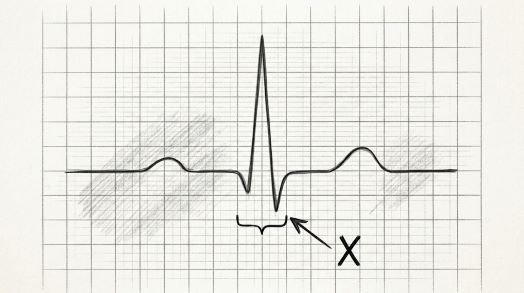
Direction for Q.78 Refer to the standard normal Electrocardiogram (ECG) trace below | เคจเฅ€เคšเฅ‡ เคฆเคฟเค เค—เค เคฎเคพเคจเค• เคธเคพเคฎเคพเคจเฅเคฏ เค‡เคฒเฅ‡เค•เฅเคŸเฅเคฐเฅ‹เค•เคพเคฐเฅเคกเคฟเคฏเฅ‹เค—เฅเคฐเคพเคฎ (ECG) เค†เคฐเฅ‡เค– เค•เฅ‹ เคฆเฅ‡เค–เคฟเค
Q78. In this normal standard ECG tracing, what precise electrical cardiac event is represented by the tall, spiked 'QRS complex'? / เค‡เคธ เคธเคพเคฎเคพเคจเฅเคฏ เคˆเคธเฅ€เคœเฅ€ เคŸเฅเคฐเฅ‡เคธ เคฎเฅ‡เค‚ เคจเฅเค•เฅ€เคฒเฅ‡ 'QRS เค•เฅ‰เคฎเฅเคชเฅเคฒเฅ‡เค•เฅเคธ' เคฆเฅเคตเคพเคฐเคพ เคนเฅƒเคฆเคฏ เค•เฅ€ เค•เคฟเคธ เคธเคŸเฅ€เค• เคตเคฟเคฆเฅเคฏเฅเคค เค˜เคŸเคจเคพ เค•เฅ‹ เคจเคฟเคฐเฅ‚เคชเคฟเคค เค•เคฟเคฏเคพ เคœเคพเคคเคพ เคนเฅˆ?
Q79 of 100  |   Part B (Biology)
Q79. In the human nephron, what is the primary counter-current multiplier mechanism responsible for maintaining a hyperosmolar medullary interstitium for urine concentration? / เคฎเคพเคจเคต เคจเฅ‡เคซเฅเคฐเฅ‰เคจ เคฎเฅ‡เค‚, เคฎเฅ‚เคคเฅเคฐ เค•เฅ‡ เคธเคพเค‚เคฆเฅเคฐเคฃ เค•เฅ‡ เคฒเคฟเค เคฎเฅ‡เคกเฅเคฏเฅ‚เคฒเคฐเฅ€ เค‡เค‚เคŸเคฐเคธเฅเคŸเคฟเคŸเคฟเคฏเคฎ เคฎเฅ‡เค‚ เค‰เคšเฅเคš เคชเคฐเคพเคธเคฐเคฃเคคเคพ เคฌเคจเคพเค เคฐเค–เคจเฅ‡ เค•เฅ‡ เคฒเคฟเค เคœเคฟเคฎเฅเคฎเฅ‡เคฆเคพเคฐ เคชเฅเคฐเคพเคฅเคฎเคฟเค• เคชเฅเคฐเคคเคฟเคงเคพเคฐเคพ เค—เฅเคฃเค• (Counter-current multiplier) เคคเค‚เคคเฅเคฐ เค•เฅŒเคจ เคธเคพ เคนเฅˆ?
Q80 of 100  |   Part B (Biology)
Q80. The Renin-Angiotensin-Aldosterone System (RAAS) is triggered in response to a fall in glomerular blood pressure or GFR. Renin is secreted by: / เค•เฅ‡เคถเคฟเค•เคพเค—เฅเคšเฅเค› (เค—เฅเคฒเฅ‹เคฎเฅ‡เคฐเฅเคฒเคฐ) เคฐเค•เฅเคคเคšเคพเคช เคฏเคพ GFR เคฎเฅ‡เค‚ เค—เคฟเคฐเคพเคตเคŸ เค•เฅ‡ เคœเคตเคพเคฌ เคฎเฅ‡เค‚ เคฐเฅ‡เคจเคฟเคจ-เคเค‚เคœเคฟเคฏเฅ‹เคŸเฅ‡เค‚เคธเคฟเคจ-เคเคฒเฅเคกเฅ‹เคธเฅเคŸเฅ‡เคฐเฅ‹เคจ เคชเฅเคฐเคฃเคพเคฒเฅ€ (RAAS) เคธเค•เฅเคฐเคฟเคฏ เคนเฅ‹เคคเฅ€ เคนเฅˆเฅค เคฐเฅ‡เคจเคฟเคจ เค•เคพ เคธเฅเคฐเคพเคต เค•เคฟเคธเค•เฅ‡ เคฆเฅเคตเคพเคฐเคพ เค•เคฟเคฏเคพ เคœเคพเคคเคพ เคนเฅˆ?
Q81 of 100  |   Part B (Biology)
Q81. Which endocrine hormone produced by the parafollicular (C cells) of the thyroid gland acts as an antagonist to Parathyroid Hormone (PTH) by lowering blood calcium levels? / เคฅเคพเคฏเคฐเฅ‰เคฏเคก เค—เฅเคฐเค‚เคฅเคฟ เค•เฅ€ เคชเฅˆเคฐเคพเคซเฅ‰เคฒเคฟเค•เฅเคฏเฅเคฒเคฐ (C เค•เฅ‹เคถเคฟเค•เคพเค“เค‚) เคฆเฅเคตเคพเคฐเคพ เคจเคฟเคฐเฅเคฎเคฟเคค เค•เฅŒเคจ เคธเคพ เค…เค‚เคคเคƒเคธเฅเคฐเคพเคตเฅ€ เคนเคพเคฐเฅเคฎเฅ‹เคจ เคฐเค•เฅเคค เคฎเฅ‡เค‚ เค•เฅˆเคฒเฅเคถเคฟเคฏเคฎ เค•เฅ‡ เคธเฅเคคเคฐ เค•เฅ‹ เค•เคฎ เค•เคฐเค•เฅ‡ เคชเฅˆเคฐเคพเคฅเคพเคฏเคฐเฅ‰เคฏเคก เคนเคพเคฐเฅเคฎเฅ‹เคจ (PTH) เค•เฅ‡ เคตเคฟเคฐเฅ‹เคงเฅ€ (antagonist) เค•เฅ‡ เคฐเฅ‚เคช เคฎเฅ‡เค‚ เค•เคพเคฐเฅเคฏ เค•เคฐเคคเคพ เคนเฅˆ?
Q82 of 100  |   Part B (Biology)
Q82. Saltatory conduction of a nerve impulse occurs along myelinated axons because voltage-gated ion channels and action potentials are restricted to: / เคฎเคพเค‡เคฒเคฟเคจเฅ‡เคŸเฅ‡เคก เคคเค‚เคคเฅเคฐเคฟเค•เคพเค•เฅเคท (axons) เคฎเฅ‡เค‚ เคคเค‚เคคเฅเคฐเคฟเค•เคพ เค†เคตเฅ‡เค— เค•เคพ เคธเคพเคฒเฅเคŸเฅ‡เคŸเคฐเฅ€ เคธเค‚เคšเคฐเคฃ (เค‰เค›เคฒเค•เฅ‚เคฆ เคธเค‚เคšเคฐเคฃ) เค‡เคธเคฒเคฟเค เคนเฅ‹เคคเคพ เคนเฅˆ เค•เฅเคฏเฅ‹เค‚เค•เคฟ เคตเฅ‹เคฒเฅเคŸเฅ‡เคœ-เค—เฅ‡เคŸเฅ‡เคก เค†เคฏเคจ เคšเฅˆเคจเคฒ เค”เคฐ เค•เฅเคฐเคฟเคฏเคพ เคตเคฟเคญเคต (Action Potentials) เค•เฅ‡เคตเคฒ เค•เคนเคพเค เคธเฅ€เคฎเคฟเคค เคนเฅ‹เคคเฅ‡ เคนเฅˆเค‚?
Q83 of 100  |   Part B (Biology)
Q83. In the human female menstrual cycle, ovulation (release of the secondary oocyte from the Graafian follicle) is directly triggered by a mid-cycle surge in which pituitary gonadotropin? / เคฎเคพเคจเคต เคฎเคนเคฟเคฒเคพ เคฎเคพเคธเคฟเค• เคงเคฐเฅเคฎ เคšเค•เฅเคฐ เคฎเฅ‡เค‚, เค…เค‚เคกเฅ‹เคคเฅเคธเคฐเฅเค— (เค—เฅเคฐเคพเคซเคฟเคฏเคจ เคชเฅเคŸเค• เคธเฅ‡ เคฆเฅเคตเคฟเคคเฅ€เคฏเค• เค…เค‚เคกเค• เค•เคพ เคจเคฟเคทเฅเค•เคพเคธเคจ) เคšเค•เฅเคฐ เค•เฅ‡ เคฎเคงเฅเคฏ เคฎเฅ‡เค‚ เค•เคฟเคธ เคชเคฟเคŸเฅเคฏเฅ‚เคŸเคฐเฅ€ เค—เฅ‹เคจเคพเคกเฅ‹เคŸเฅเคฐเฅ‹เคชเคฟเคจ เค•เฅ‡ เคคเฅ€เคตเฅเคฐ เคธเฅเคฐเคพเคต (เคธเคฐเฅเคœ) เคฆเฅเคตเคพเคฐเคพ เคธเฅ€เคงเฅ‡ เคชเฅเคฐเฅ‡เคฐเคฟเคค เคนเฅ‹เคคเคพ เคนเฅˆ?
Q84 of 100  |   Part B (Biology)
Q84. Hans Spemann and Hilde Mangold (1924) demonstrated the phenomenon of 'embryonic induction' by transplanting which amphibian gastrula structure to induce a secondary neural axis? / เคนเค‚เคธ เคธเฅเคชเฅ€เคฎเฅˆเคจ เค”เคฐ เคนเคฟเคฒเฅเคกเฅ‡ เคฎเฅˆเค‚เค—เฅ‹เคฒเฅเคก (1924) เคจเฅ‡ เคเค• เคฆเฅเคตเคฟเคคเฅ€เคฏเค• เคคเค‚เคคเฅเคฐเคฟเค•เคพ เค…เค•เฅเคท เค•เฅ‹ เคชเฅเคฐเฅ‡เคฐเคฟเคค เค•เคฐเคจเฅ‡ เค•เฅ‡ เคฒเคฟเค เค‰เคญเคฏเคšเคฐ เค—เฅˆเคธเฅเคŸเฅเคฐเฅเคฒเคพ เค•เฅ€ เค•เคฟเคธ เคธเค‚เคฐเคšเคจเคพ เค•เคพ เคชเฅเคฐเคคเฅเคฏเคพเคฐเฅ‹เคชเคฃ เค•เคฐเค•เฅ‡ 'เคญเฅเคฐเฅ‚เคฃเฅ€เคฏ เคชเฅเคฐเฅ‡เคฐเคฃ' (Embryonic Induction) เค•เฅ€ เคชเคฐเคฟเค˜เคŸเคจเคพ เค•เคพ เคชเฅเคฐเคฆเคฐเฅเคถเคจ เค•เคฟเคฏเคพ?
Q85 of 100  |   Part B (Biology)
Q85. Which of the following extraembryonic fetal membranes directly forms the fluid-filled sac that cushions the embryo against mechanical shocks and desiccation in reptiles, birds, and mammals? / เคจเคฟเคฎเฅเคจเคฒเคฟเค–เคฟเคค เคฎเฅ‡เค‚ เคธเฅ‡ เค•เฅŒเคจ เคธเฅ€ เค…เคคเคฟเคฐเคฟเค•เฅเคค-เคญเฅเคฐเฅ‚เคฃเฅ€เคฏ เคเคฟเคฒเฅเคฒเฅ€ เคธเฅ€เคงเฅ‡ เคเค• เคคเคฐเคฒ เคชเคฆเคพเคฐเฅเคฅ เคธเฅ‡ เคญเคฐเฅ€ เคฅเฅˆเคฒเฅ€ เคฌเคจเคพเคคเฅ€ เคนเฅˆ เคœเฅ‹ เคธเคฐเฅ€เคธเฅƒเคชเฅ‹เค‚, เคชเค•เฅเคทเคฟเคฏเฅ‹เค‚ เค”เคฐ เคธเฅเคคเคจเคงเคพเคฐเคฟเคฏเฅ‹เค‚ เคฎเฅ‡เค‚ เคญเฅเคฐเฅ‚เคฃ เค•เฅ‹ เคฏเคพเค‚เคคเฅเคฐเคฟเค• เคเคŸเค•เฅ‹เค‚ เค”เคฐ เคจเคฟเคฐเฅเคœเคฒเฅ€เค•เคฐเคฃ เคธเฅ‡ เคฌเคšเคพเคคเฅ€ เคนเฅˆ?
Q86 of 100  |   Part B (Biology)
Q86. Konrad Lorenz is renowned for his pioneering ethological studies demonstrating 'Imprinting' in newly hatched greylag goslings. Imprinting is characterized by being: / เค•เฅ‰เคจเคฐเคพเคก เคฒเฅ‹เคฐเฅ‡เค‚เคœ เคจเคตเคœเคพเคค เค•เคฒเคนเค‚เคธ เค•เฅ‡ เคฌเคšเฅเคšเฅ‹เค‚ เคฎเฅ‡เค‚ 'เค›เคพเคช' (เค‡เคฎเฅเคชเฅเคฐเคฟเค‚เคŸเคฟเค‚เค— / Imprinting) เคชเฅเคฐเคฆเคฐเฅเคถเคฟเคค เค•เคฐเคจเฅ‡ เคตเคพเคฒเฅ‡ เค…เคชเคจเฅ‡ เค…เค—เฅเคฐเคฃเฅ€ เคชเฅเคฐเคพเคฃเฅ€ เคตเฅเคฏเคตเคนเคพเคฐ เค…เคงเฅเคฏเคฏเคจเฅ‹เค‚ เค•เฅ‡ เคฒเคฟเค เคชเฅเคฐเคธเคฟเคฆเฅเคง เคนเฅˆเค‚เฅค เค‡เคฎเฅเคชเฅเคฐเคฟเค‚เคŸเคฟเค‚เค— เค•เฅ€ เคฎเฅเค–เฅเคฏ เคตเคฟเคถเฅ‡เคทเคคเคพ เค•เฅเคฏเคพ เคนเฅˆ?
Q87 of 100  |   Part B (Biology)
Q87. In dairy cattle reproduction, what cryoprotectant agent is universally added to semen extender diluent before freezing semen in liquid nitrogen at -196ยฐC? / เคกเฅ‡เคฏเคฐเฅ€ เคฎเคตเฅ‡เคถเฅ€ เคชเฅเคฐเคœเคจเคจ เคฎเฅ‡เค‚, เคตเฅ€เคฐเฅเคฏ เค•เฅ‹ เคคเคฐเคฒ เคจเคพเค‡เคŸเฅเคฐเฅ‹เคœเคจ เคฎเฅ‡เค‚ -196ยฐC เคชเคฐ เคซเฅเคฐเฅ€เคœ เค•เคฐเคจเฅ‡ เคธเฅ‡ เคชเคนเคฒเฅ‡ เคตเฅ€เคฐเฅเคฏ เคตเคฟเคธเฅเคคเคพเคฐเค• เคคเคจเฅเค•เคพเคฐเฅ€ เคฎเฅ‡เค‚ เคธเคพเคฐเฅเคตเคญเฅŒเคฎเคฟเค• เคฐเฅ‚เคช เคธเฅ‡ เค•เฅŒเคจ เคธเคพ เค•เฅเคฐเคพเคฏเฅ‹เคชเฅเคฐเฅ‹เคŸเฅ‡เค•เฅเคŸเฅ‡เค‚เคŸ (เคถเฅ€เคคเคธเค‚เคฐเค•เฅเคทเค•) เค•เคพเคฐเค• เคฎเคฟเคฒเคพเคฏเคพ เคœเคพเคคเคพ เคนเฅˆ?
Q88 of 100  |   Part B (Biology)
Q88. Which indigenous Indian cattle breed (Bos indicus), native to Gujarat and Rajasthan, is recognized as the highest milk-producing Zebu milch breed with characteristic lyre-shaped horns? / เค—เฅเคœเคฐเคพเคค เค”เคฐ เคฐเคพเคœเคธเฅเคฅเคพเคจ เค•เฅ€ เคฎเฅ‚เคฒ เคจเคฟเคตเคพเคธเฅ€ เค•เฅŒเคจ เคธเฅ€ เคธเฅเคตเคฆเฅ‡เคถเฅ€ เคญเคพเคฐเคคเฅ€เคฏ เค—เคพเคฏ เค•เฅ€ เคจเคธเฅเคฒ (เคฌเฅ‰เคธ เค‡เค‚เคกเคฟเค•เคธ) เคตเฅ€เคฃเคพ เค•เฅ‡ เค†เค•เคพเคฐ เค•เฅ‡ เคธเฅ€เค‚เค—เฅ‹เค‚ เคตเคพเคฒเฅ€ เคเค• เคชเฅเคฐเคฎเฅเค– เคฆเฅเคงเคพเคฐเฅ‚ เคจเคธเฅเคฒ เคฎเคพเคจเฅ€ เคœเคพเคคเฅ€ เคนเฅˆ?
Q89 of 100  |   Part B (Biology)
Q89. In composite freshwater fish culture (polyculture), which exotic surface-feeding carp species is paired with Indian surface feeder Catla catla to maximize pond surface plankton utilization? / เคฎเคฟเคถเฅเคฐเคฟเคค เคฎเฅ€เค เฅ‡ เคชเคพเคจเฅ€ เค•เฅ€ เคฎเค›เคฒเฅ€ เคชเคพเคฒเคจ (เคชเฅ‰เคฒเฅ€เค•เคฒเฅเคšเคฐ) เคฎเฅ‡เค‚, เคคเคพเคฒเคพเคฌ เค•เฅ€ เคธเคคเคน เค•เฅ‡ เคชเฅเคฒเคตเค• เค•เคพ เค…เคงเคฟเค•เคคเคฎ เค‰เคชเคฏเฅ‹เค— เค•เคฐเคจเฅ‡ เค•เฅ‡ เคฒเคฟเค เคญเคพเคฐเคคเฅ€เคฏ เคธเคคเคน เคซเฅ€เคกเคฐ เค•เคคเคฒเคพ (Catla catla) เค•เฅ‡ เคธเคพเคฅ เค•เคฟเคธ เคตเคฟเคฆเฅ‡เคถเฅ€ เคธเคคเคน เคซเฅ€เคกเคฐ เค•เคพเคฐเฅเคช เคชเฅเคฐเคœเคพเคคเคฟ เค•เฅ‹ เคฐเค–เคพ เคœเคพเคคเคพ เคนเฅˆ?
Q90 of 100  |   Part B (Biology)
Q90. Which viral disease of poultry, caused by an Avian Paramyxovirus type 1, is characterized by respiratory distress, torticollis (twisted neck), greenish watery diarrhea, and high mortality? / เค•เฅเค•เฅเค•เฅเคŸ (เคชเฅ‹เคฒเฅเคŸเฅเคฐเฅ€) เค•เคพ เค•เฅŒเคจ เคธเคพ เคตเคฟเคทเคพเคฃเฅเคœเคจเคฟเคค เคฐเฅ‹เค—, เคœเฅ‹ เคเคตเคฟเคฏเคจ เคชเฅˆเคฐเคพเคฎเคฟเค•เฅเคธเฅ‹เคตเคพเคฏเคฐเคธ เคŸเคพเค‡เคช 1 เค•เฅ‡ เค•เคพเคฐเคฃ เคนเฅ‹เคคเคพ เคนเฅˆ, เคถเฅเคตเคธเคจ เคธเค‚เค•เคŸ, เคฎเฅเคกเคผเฅ€ เคนเฅเคˆ เค—เคฐเฅเคฆเคจ (เคŸเฅ‰เคฐเฅเคŸเคฟเค•เฅ‹เคฒเคฟเคธ), เคนเคฐเฅ‡ เคฐเค‚เค— เค•เฅ‡ เคชเคคเคฒเฅ‡ เคฆเคธเฅเคค เค”เคฐ เค‰เคšเฅเคš เคฎเฅƒเคคเฅเคฏเฅ เคฆเคฐ เคธเฅ‡ เคชเคนเคšเคพเคจเคพ เคœเคพเคคเคพ เคนเฅˆ?
Q91 of 100  |   Part B (Biology)
Q91. An ecological pyramid of numbers is inverted in which of the following ecosystems? / เคธเค‚เค–เฅเคฏเคพ เค•เคพ เคชเคพเคฐเคฟเคธเฅเคฅเคฟเคคเคฟเค• เคชเคฟเคฐเคพเคฎเคฟเคก (Pyramid of Numbers) เคจเคฟเคฎเฅเคจเคฒเคฟเค–เคฟเคค เคฎเฅ‡เค‚ เคธเฅ‡ เค•เคฟเคธ เคชเคพเคฐเคฟเคธเฅเคฅเคฟเคคเคฟเค•เฅ€ เคคเค‚เคคเฅเคฐ เคฎเฅ‡เค‚ เค‰เคฒเฅเคŸเคพ (Inverted) เคนเฅ‹เคคเคพ เคนเฅˆ?
Q92 of 100  |   Part B (Biology)
Q92. In population ecology, the logistic growth curve describing resource-limited growth is mathematically represented by the Verhulst-Pearl equation: dN/dt = rN((K - N)/K). What does the term '(K - N)/K' represent? / เคœเคจเคธเค‚เค–เฅเคฏเคพ เคชเคพเคฐเคฟเคธเฅเคฅเคฟเคคเคฟเค•เฅ€ เคฎเฅ‡เค‚, เคธเค‚เคธเคพเคงเคจ-เคธเฅ€เคฎเคฟเคค เคตเฅƒเคฆเฅเคงเคฟ เค•เคพ เคตเคฐเฅเคฃเคจ เค•เคฐเคจเฅ‡ เคตเคพเคฒเคพ เคฒเฅ‰เคœเคฟเคธเฅเคŸเคฟเค• เคตเฅƒเคฆเฅเคงเคฟ เคตเค•เฅเคฐ เคตเคฐเฅเคนเฅเคฒเฅเคธเฅเคŸ-เคชเคฐเฅเคฒ เคธเคฎเฅ€เค•เคฐเคฃ: dN/dt = rN((K - N)/K) เคฆเฅเคตเคพเคฐเคพ เคฆเคฟเคฏเคพ เคœเคพเคคเคพ เคนเฅˆเฅค เค‡เคธเคฎเฅ‡เค‚ '(K - N)/K' เคชเคฆ เค•เฅเคฏเคพ เคฆเคฐเฅเคถเคพเคคเคพ เคนเฅˆ?
Q93 of 100  |   Part B (Biology)
Q93. Corbett National Park, the oldest national park in India established in 1936 as Hailey National Park and the inaugural site of Project Tiger (1973), is situated in which district(s) of Uttarakhand? / เคญเคพเคฐเคค เค•เคพ เคธเคฌเคธเฅ‡ เคชเฅเคฐเคพเคจเคพ เคฐเคพเคทเฅเคŸเฅเคฐเฅ€เคฏ เค‰เคฆเฅเคฏเคพเคจ เค•เฅ‰เคฐเฅเคฌเฅ‡เคŸ เคฐเคพเคทเฅเคŸเฅเคฐเฅ€เคฏ เค‰เคฆเฅเคฏเคพเคจ, เคœเคฟเคธเฅ‡ 1936 เคฎเฅ‡เค‚ เคนเฅˆเคฒเฅ€ เคฐเคพเคทเฅเคŸเฅเคฐเฅ€เคฏ เค‰เคฆเฅเคฏเคพเคจ เค•เฅ‡ เคฐเฅ‚เคช เคฎเฅ‡เค‚ เคธเฅเคฅเคพเคชเคฟเคค เค•เคฟเคฏเคพ เค—เคฏเคพ เคฅเคพ เค”เคฐ เคชเฅเคฐเฅ‹เคœเฅ‡เค•เฅเคŸ เคŸเคพเค‡เค—เคฐ (1973) เค•เคพ เคถเฅเคญเคพเคฐเค‚เคญ เคธเฅเคฅเคฒ เคฅเคพ, เค‰เคคเฅเคคเคฐเคพเค–เคฃเฅเคก เค•เฅ‡ เค•เคฟเคธ เคœเคฟเคฒเฅ‡/เคœเคฟเคฒเฅ‹เค‚ เคฎเฅ‡เค‚ เคธเฅเคฅเคฟเคค เคนเฅˆ?
Q94 of 100  |   Part B (Biology)
Q94. Which of the following Ramsar Wetland sites is located in Uttarakhand at the confluence of the Yamuna and Asan rivers? / เคจเคฟเคฎเฅเคจเคฒเคฟเค–เคฟเคค เคฎเฅ‡เค‚ เคธเฅ‡ เค•เฅŒเคจ เคธเคพ เคฐเคพเคฎเคธเคฐ เค†เคฐเฅเคฆเฅเคฐเคญเฅ‚เคฎเคฟ เคธเฅเคฅเคฒ (Ramsar Wetland Site) เค‰เคคเฅเคคเคฐเคพเค–เคฃเฅเคก เคฎเฅ‡เค‚ เคฏเคฎเฅเคจเคพ เค”เคฐ เค†เคธเคจ เคจเคฆเคฟเคฏเฅ‹เค‚ เค•เฅ‡ เคธเค‚เค—เคฎ เคชเคฐ เคธเฅเคฅเคฟเคค เคนเฅˆ?
Q95 of 100  |   Part B (Biology)
Q95. Under the Wildlife (Protection) Act, 1972, the State Animal of Uttarakhand, the Alpine Musk Deer (Moschus chrysogaster), is accorded maximum legal protection under which Schedule? / เคตเคจเฅเคฏเคœเฅ€เคต (เคธเค‚เคฐเค•เฅเคทเคฃ) เค…เคงเคฟเคจเคฟเคฏเคฎ, 1972 เค•เฅ‡ เคคเคนเคค, เค‰เคคเฅเคคเคฐเคพเค–เคฃเฅเคก เค•เฅ‡ เคฐเคพเคœเฅเคฏ เคชเคถเฅ เค•เคธเฅเคคเฅ‚เคฐเฅ€ เคฎเฅƒเค— (Moschus chrysogaster) เค•เฅ‹ เค•เคฟเคธ เค…เคจเฅเคธเฅ‚เคšเฅ€ เค•เฅ‡ เคคเคนเคค เคธเคฐเฅเคตเฅ‹เคšเฅเคš เค•เคพเคจเฅ‚เคจเฅ€ เคธเค‚เคฐเค•เฅเคทเคฃ เคชเฅเคฐเคฆเคพเคจ เค•เคฟเคฏเคพ เค—เคฏเคพ เคนเฅˆ?
Q96 of 100  |   Part B (Biology)
Q96. In the IUCN Red List categories, a taxon facing an extremely high risk of extinction in the wild in the immediate future is categorized as: / IUCN เคฐเฅ‡เคก เคฒเคฟเคธเฅเคŸ เคถเฅเคฐเฅ‡เคฃเคฟเคฏเฅ‹เค‚ เคฎเฅ‡เค‚, เคจเคฟเค•เคŸ เคญเคตเคฟเคทเฅเคฏ เคฎเฅ‡เค‚ เคœเค‚เค—เคฒ เคฎเฅ‡เค‚ เคตเคฟเคฒเฅเคชเฅเคค เคนเฅ‹เคจเฅ‡ เค•เฅ‡ เค…เคคเฅเคฏเคงเคฟเค• เค‰เคšเฅเคš เคœเฅ‹เค–เคฟเคฎ เค•เคพ เคธเคพเคฎเคจเคพ เค•เคฐเคจเฅ‡ เคตเคพเคฒเฅ‡ เคŸเฅˆเค•เฅเคธเคจ เค•เฅ‹ เค•เคฟเคธ เคฐเฅ‚เคช เคฎเฅ‡เค‚ เคตเคฐเฅเค—เฅ€เค•เฅƒเคค เค•เคฟเคฏเคพ เค—เคฏเคพ เคนเฅˆ?
Q97 of 100  |   Part B (Biology)
Q97. In recombinant DNA technology, which Type II restriction endonuclease isolated from Escherichia coli produces staggered sticky ends with 5'-overhangs by cleaving the palindromic sequence 5'-G|AATTC-3'? / เคชเฅเคจเคฐเฅเคฏเฅ‹เค—เคœ เคกเฅ€เคเคจเค เคชเฅเคฐเฅŒเคฆเฅเคฏเฅ‹เค—เคฟเค•เฅ€ (Recombinant DNA Technology) เคฎเฅ‡เค‚, เคเคธเฅเคšเฅ‡เคฐเคฟเคšเคฟเคฏเคพ เค•เฅ‹เคฒเคพเคˆ เคธเฅ‡ เคชเฅƒเคฅเค• เค•เฅŒเคจ เคธเคพ เคŸเคพเค‡เคช II เคฐเฅ‡เคธเฅเคŸเฅเคฐเคฟเค•เฅเคถเคจ เคเค‚เคกเฅ‹เคจเฅเคฏเฅ‚เค•เฅเคฒเคฟเคเคœ เคชเฅˆเคฒเคฟเค‚เคกเฅเคฐเฅ‹เคฎเคฟเค• เค…เคจเฅเค•เฅเคฐเคฎ 5'-G|AATTC-3' เค•เฅ‹ เค•เคพเคŸเค•เคฐ 5'-เค“เคตเคฐเคนเฅˆเค‚เค— เคฏเฅเค•เฅเคค เคธเฅเคŸเคฟเค•เฅ€ เคเค‚เคกเฅเคธ (เคšเคฟเคชเคšเคฟเคชเฅ‡ เคธเคฟเคฐเฅ‡) เคฌเคจเคพเคคเคพ เคนเฅˆ?
Q98 of 100  |   Part B (Biology)
Q98. In Polymerase Chain Reaction (PCR), the correct chronological sequence of the three thermal cycles and their approximate operating temperatures is: / เคชเฅ‰เคฒเฅ€เคฎเคฐเฅ‡เคœเคผ เคšเฅ‡เคจ เคฐเคฟเคเค•เฅเคถเคจ (PCR) เคฎเฅ‡เค‚, เคคเฅ€เคจ เคšเค•เฅเคฐเฅ€เคฏ เคšเคฐเคฃเฅ‹เค‚ เค•เคพ เคธเคนเฅ€ เค•เคพเคฒเคพเคจเฅเค•เฅเคฐเคฎเคฟเค• เค•เฅเคฐเคฎ เค”เคฐ เค‰เคจเค•เฅ‡ เค…เคจเฅเคฎเคพเคจเคฟเคค เคคเคพเคชเคฎเคพเคจ เค•เฅเคฏเคพ เคนเฅˆเค‚?
Q99 of 100  |   Part B (Biology)
Q99. The ability of an isolated, mature plant cell or protoplast to dedifferentiate, divide, and regenerate into a whole fertile plant under aseptic nutrient culture conditions is called: / เคเค• เคชเฅƒเคฅเค•, เคชเคฐเคฟเคชเค•เฅเคต เคชเคพเคฆเคช เค•เฅ‹เคถเคฟเค•เคพ เคฏเคพ เคชเฅเคฐเฅ‹เคŸเฅ‹เคชเฅเคฒเคพเคธเฅเคŸ เค•เฅ€ เคตเคน เค•เฅเคทเคฎเคคเคพ เคœเคฟเคธเค•เฅ‡ เคฆเฅเคตเคพเคฐเคพ เคตเคน เคจเคฟเคฐเฅเคœเคฐเฅเคฎ เคชเฅ‹เคทเค• เคฎเคพเคงเฅเคฏเคฎ เคฎเฅ‡เค‚ เคตเคฟเคญเฅ‡เคฆเคฟเคค เคนเฅ‹เค•เคฐ เคตเคฟเคญเคพเคœเคฟเคค เคนเฅ‹เคคเฅ€ เคนเฅˆ เค”เคฐ เคเค• เคธเค‚เคชเฅ‚เคฐเฅเคฃ เคชเฅŒเคงเฅ‡ เค•เคพ เคชเฅเคจเคฐเฅเคœเคจเคจ เค•เคฐเคคเฅ€ เคนเฅˆ, เค•เฅเคฏเคพ เค•เคนเคฒเคพเคคเฅ€ เคนเฅˆ?
Q100 of 100  |   Part B (Biology)
Q100. In biostatistics, if the variance of a biological sample data set is calculated to be 49, what is the Standard Deviation (SD) of the sample? / เคœเฅˆเคต เคธเคพเค‚เค–เฅเคฏเคฟเค•เฅ€ เคฎเฅ‡เค‚, เคฏเคฆเคฟ เค•เคฟเคธเฅ€ เคœเฅˆเคตเคฟเค• เคจเคฎเฅ‚เคจเคพ เคกเฅ‡เคŸเคพ เคธเฅ‡เคŸ เค•เคพ เคชเฅเคฐเคธเคฐเคฃ (Variance) 49 เคชเคฐเคฟเค•เคฒเคฟเคค เค•เคฟเคฏเคพ เคœเคพเคคเคพ เคนเฅˆ, เคคเฅ‹ เค‰เคธ เคจเคฎเฅ‚เคจเฅ‡ เค•เคพ เคฎเคพเคจเค• เคตเคฟเคšเคฒเคจ (Standard Deviation) เค•เฅเคฏเคพ เคนเฅ‹เค—เคพ?

Ratings & Reviews

Share your experience and help other students.

โ˜…โ˜…โ˜…โ˜…โ˜…No reviews yet

Rate and review

You can submit feedback without creating an account.

Student reviewsโ˜…โ˜…โ˜…โ˜…โ˜…0 total

No reviews yet. Be the first to share your feedback.

UKSSSC Pashudhan Prasar Adhikari (Livestock Extension officer) 2026 21 tests in this series ยท Click to view included tests โ‚น79 โ‚น199

About this Assessment

Share with Your Friends too

UKSSSC Livestock Extension Officer 2026 โ€“ Full Mock Test (Biology Stream)

The UKSSSC Livestock Extension Officer (LEO / เคชเคถเฅเคงเคจ เคชเฅเคฐเคธเคพเคฐ เค…เคงเคฟเค•เคพเคฐเฅ€) examination is right around the corner on 18th October. With only a few days left, this full-length 100-question practice test is designed to be your final self-assessment tool before the actual exam.

Attempting this test will help you evaluate your real standing, test your speed under time limits, and pinpoint the exact topics where you might still get stuck. Once you finish, you can quickly revisit those weak areas and revise them using our Solotutes quick one-liner notes.


Syllabus Breakdown (100 Marks | Graduation Standard)

  • Part A: Compulsory General Science & Biology (Questions 1 to 30 โ€“ 30 Marks): Cell biology, cell division, biomolecules, angiosperm families, plant morphology & anatomy, photosynthesis, respiration, plant regulators, reproduction, pollution, and microbes.
  • Part B: Advanced Biology โ€“ Botany & Zoology (Questions 31 to 100 โ€“ 70 Marks):
    • Unit 1 to 4 (Botany & Evolution): Evolutionary theories, adaptations, cytology, genetics, Mendelism, linkage, crossing over, plant tissues, algae, fungi, bryophytes, pteridophytes, gymnosperms, Bentham & Hooker classification, and C2/C4/CAM physiology.
    • Unit 5 to 7 (Zoology & Human Systems): Non-chordata (Protozoa to Echinodermata), chordate morphology, retrogressive metamorphosis, flight adaptations, animal metabolism, muscle contraction, cardiac cycle (ECG), nephron counter-current, RAAS, and nervous coordination.
    • Unit 8 to 10 (Developmental Biology, Ecology & Biotech): Embryology, Spemann organizer, animal behavior (imprinting), Corbett & Asan wetlands, wildlife laws, recombinant DNA, PCR, tissue culture, and biostatistics.

Key Features of This Test

  • 100% Exam-Aligned Pattern: Includes standard MCQs, Match the Following, Assertionโ€“Reason, Statement-based, and Diagram-based questions.
  • Clear Bilingual Content: Every question and explanation is provided in both English and accurate academic Hindi.
  • Negative Marking: Follows the official marking scheme (+1 for correct, -0.25 for incorrect).
  • Detailed Explanations: Learn the core reasoning behind every correct answer immediately after submitting.

How to Prepare in the Final Days:

  1. Take this test in one single 120-minute sitting without referring to notes.
  2. Review the questions you got wrong or left unattempted.
  3. Go straight to the Biology One-Liner Notes on Solotutes to revise those specific concepts and lock them into your memory before 18th October.

Written & Verified by Prakash Joshi

Expert Faculty

Prakash Joshi is a pharmacy professional and Zoology graduate with an interest in life sciences, biology, and competitive exam preparation. Combining his pharmacy background with his academic knowledge of Zoology, he contributes to the development of educational content, practice questions, and exam-oriented study materials at SoloTutes. His work focuses on simplifying complex concepts, providing accurate and useful learning resources, and helping students prepare effectively for competitive examinations. Through SoloTutes, he aims to make quality educational content accessible to aspirants across India.

- Advertisement -

๐Ÿ’ฌ Discuss this Topic

Have a doubt or want to share something? Drop a comment below!

0 Discussion(s)

  1. No discussions yet. Be the first to share your thoughts!

Ready to Practice More?

Explore notes, one-liners, and other materials related to this topic.
๐Ÿ“บ Watch & Learn

Visual explanations and related video classes.

๐ŸŽฅ Video Resources

UKSSSC LEO Exam 2026 | MOCK TEST-9 | 100 Most Important MCQs | Livestock Extension Officer Exam Prep

UKSSSC LEO Exam 2026 | MOCK TEST-9 | 100 Most Important MCQs | Livestock Extension Officer Exam Prep
UKSSSC LEO Exam 2026 | MOCK TEST-8 | 100 Important MCQs | Livestock Extension Officer | LEO Prepare

UKSSSC Biology PYQ ๐Ÿ”ฅ Demo Test Series | LEO Exam 2026 | Most Important Biology Questions #uksssc
UKSSSC Pashudhan Prasar Adhikari (LEO) Biology Test Series 2026 | 10 Mock Tests | โ‚น499

เคชเคถเฅเคงเคจ เคชเฅเคฐเคธเคพเคฐ เค…เคงเคฟเค•เคพเคฐเฅ€ (LEO) | Test Paper Solution-01 | LEO Exam 2026 | LEO Test Paper

Mock Test Series | Part 1 | เคชเคถเฅเคงเคจ เคชเฅเคฐเคธเคพเคฐ เค…เคงเคฟเค•เคพเคฐเฅ€ เคชเคฐเฅ€เค•เฅเคทเคพ | Uksssc | Important MCQs

Scroll to Top