Smart Online Assessments For Serious Exam Preparation
Start Assessment โž”

What do you want to learn today?

โ˜…โ˜…โ˜…โ˜…โ˜…No reviews yet
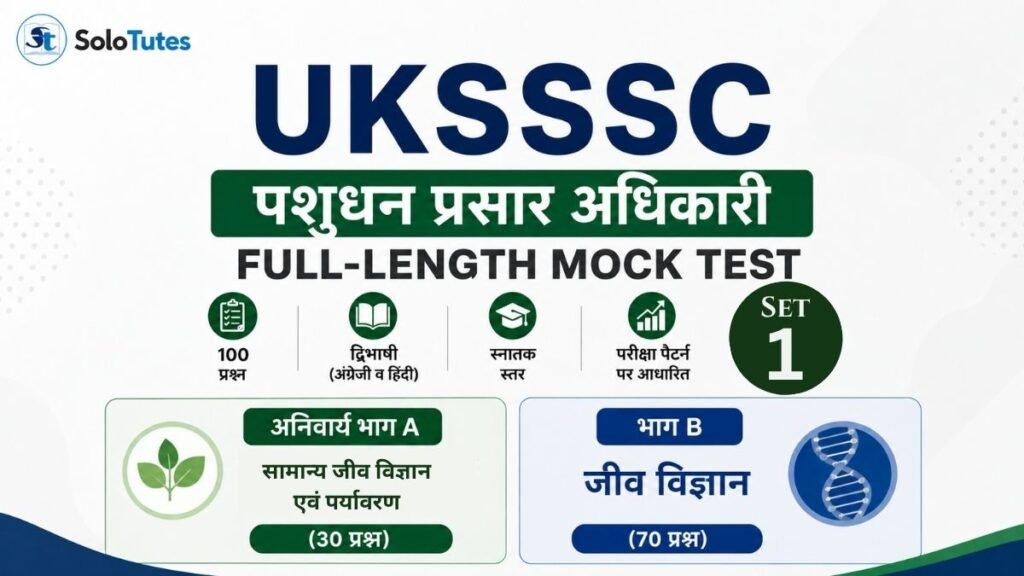
UKSSSC Pashudhan Prasar Adhikari Full-Length Mock Test – 1 | Biology Domain

UKSSSC Pashudhan Prasar Adhikari Full-Length Mock Test – 1 | Biology Domain

Prakash Joshi August 17, 2026 1k views 100 Questions 31 Attempts
Download PDF
๐ŸŽฏ Practice: Earn +4 Pts for right answers, auto-save wrong ones (-1 Pt) to your Mistake Bank & unlock +50 Daily Bonus! Login to Track Streak โ†’
โšก

Practice Mode (+4 / -1 Pts)

Solve instantly below with live points (+4 Right, -1 Wrong), detailed explanations & Mistake Bank sync.

Start Practice โ†“
๐ŸŽฏ

Full Exam Mode

Take this test in a strict timed environment with negative marking and detailed analytics.

Take Assessment โ†’
- Advertisement -
Guest User
Score 0 / 100
Pts 0
Q1 of 100  |   Part A - Compulsary
Q1. Which of the following cell organelles is known as the "Suicidal Bag" of the cell due to the presence of hydrolytic enzymes? / เคนเคพเค‡เคกเฅเคฐเฅ‹เคฒเคพเค‡เคŸเคฟเค• เคเค‚เคœเคพเค‡เคฎเฅ‹เค‚ เค•เฅ€ เค‰เคชเคธเฅเคฅเคฟเคคเคฟ เค•เฅ‡ เค•เคพเคฐเคฃ เคจเคฟเคฎเฅเคจเคฒเคฟเค–เคฟเคค เคฎเฅ‡เค‚ เคธเฅ‡ เค•เคฟเคธ เค•เฅ‹เคถเคฟเค•เคพ เค…เค‚เค—เค• เค•เฅ‹ เค•เฅ‹เคถเคฟเค•เคพ เค•เฅ€ "เค†เคคเฅเคฎเค˜เคพเคคเฅ€ เคฅเฅˆเคฒเฅ€" (Suicidal Bag) เค•เฅ‡ เคฐเฅ‚เคช เคฎเฅ‡เค‚ เคœเคพเคจเคพ เคœเคพเคคเคพ เคนเฅˆ?
Q2 of 100  |   Part A - Compulsary
Q2. The widely accepted "Fluid Mosaic Model" of the plasma membrane was proposed by: / เคชเฅเคฒเคพเคœเฅเคฎเคพ เคเคฟเคฒเฅเคฒเฅ€ (Plasma membrane) เค•เคพ เคตเฅเคฏเคพเคชเค• เคฐเฅ‚เคช เคธเฅ‡ เคธเฅเคตเฅ€เค•เฅƒเคค "เคคเคฐเคฒ เคฎเฅ‹เคœเคผเฅ‡เค• เคฎเฅ‰เคกเคฒ" (Fluid Mosaic Model) เค•เคฟเคธเค•เฅ‡ เคฆเฅเคตเคพเคฐเคพ เคชเฅเคฐเคธเฅเคคเคพเคตเคฟเคค เค•เคฟเคฏเคพ เค—เคฏเคพ เคฅเคพ?
Q3 of 100  |   Part A - Compulsary
Q3. Match List-I (Cell Organelle) with List-II (Key Function):
List-I
A. Mitochondria
B. Ribosome
C. Centriole
D. Chloroplast
List-II
1. Protein synthesis
2. Photosynthesis
3. ATP generation (Respiration)
4. Spindle formation during cell division
/ เคธเฅ‚เคšเฅ€-I (เค•เฅ‹เคถเคฟเค•เคพ เค…เค‚เค—เค•) เค•เฅ‹ เคธเฅ‚เคšเฅ€-II (เคฎเฅเค–เฅเคฏ เค•เคพเคฐเฅเคฏ) เค•เฅ‡ เคธเคพเคฅ เคธเฅเคฎเฅ‡เคฒเคฟเคค เค•เคฐเฅ‡เค‚:
เคธเฅ‚เคšเฅ€-I
A. เคฎเคพเค‡เคŸเฅ‹เค•เฅ‰เคจเฅเคกเฅเคฐเคฟเคฏเคพ
B. เคฐเคพเค‡เคฌเฅ‹เคธเฅ‹เคฎ
C. เคคเคพเคฐเค•เค•เฅ‡เคจเฅเคฆเฅเคฐ (Centriole)
D. เคฒเคตเค• (Chloroplast)
เคธเฅ‚เคšเฅ€-II
1. เคชเฅเคฐเฅ‹เคŸเฅ€เคจ เคธเค‚เคถเฅเคฒเฅ‡เคทเคฃ
2. เคชเฅเคฐเค•เคพเคถ เคธเค‚เคถเฅเคฒเฅ‡เคทเคฃ
3. เคเคŸเฅ€เคชเฅ€ เคจเคฟเคฐเฅเคฎเคพเคฃ (เคถเฅเคตเคธเคจ)
4. เค•เฅ‹เคถเคฟเค•เคพ เคตเคฟเคญเคพเคœเคจ เค•เฅ‡ เคฆเฅŒเคฐเคพเคจ เคธเฅเคชเคฟเค‚เคกเคฒ เคจเคฟเคฐเฅเคฎเคพเคฃ
Q4 of 100  |   Part A - Compulsary
Q4. Assertion (A): Crossing over occurs during the pachytene stage of Prophase-I in meiosis.
Reason (R): Crossing over leads to the recombination of genetic material between non-sister chromatids of homologous chromosomes.
/ เค…เคญเคฟเค•เคฅเคจ (A): เค…เคฐเฅเคงเคธเฅ‚เคคเฅเคฐเฅ€เคตเคฟเคญเคพเคœเคจ (Meiosis) เคฎเฅ‡เค‚ เคชเฅเคฐเฅ‹เคซเฅ‡เคœ-I เค•เฅ€ เคชเฅˆเค•เฅ€เคŸเฅ€เคจ (Pachytene) เค…เคตเคธเฅเคฅเคพ เค•เฅ‡ เคฆเฅŒเคฐเคพเคจ เค•เฅเคฐเฅ‰เคธเคฟเค‚เค— เค“เคตเคฐ (Crossing over) เคนเฅ‹เคคเคพ เคนเฅˆเฅค
เค•เคพเคฐเคฃ (R): เค•เฅเคฐเฅ‰เคธเคฟเค‚เค— เค“เคตเคฐ เคธเคฎเคœเคพเคค เค—เฅเคฃเคธเฅ‚เคคเฅเคฐเฅ‹เค‚ เค•เฅ‡ เค—เฅˆเคฐ-เคธเคฟเคธเฅเคŸเคฐ เค•เฅเคฐเฅ‹เคฎเฅˆเคŸเคฟเคกเฅเคธ เค•เฅ‡ เคฌเฅ€เคš เค†เคจเฅเคตเค‚เคถเคฟเค• เคธเคพเคฎเค—เฅเคฐเฅ€ เค•เฅ‡ เคชเฅเคจเคฐเฅเคธเค‚เคฏเฅ‹เคœเคจ (recombination) เค•เฅ€ เค“เคฐ เคœเคพเคคเคพ เคนเฅˆเฅค
Q5 of 100  |   Part A - Compulsary
Q5. Proteins are linear polymers of amino acids linked together by which type of bond? / เคชเฅเคฐเฅ‹เคŸเฅ€เคจ เค•เคฟเคธ เคชเฅเคฐเค•เคพเคฐ เค•เฅ‡ เคฌเค‚เคงเคจ (bond) เคฆเฅเคตเคพเคฐเคพ เคเค• เคธเคพเคฅ เคœเฅเคกเคผเฅ‡ เค…เคฎเฅ€เคจเฅ‹ เคเคธเคฟเคก เค•เฅ‡ เคฐเฅˆเค–เคฟเค• เคฌเคนเฅเคฒเค• (polymers) เคนเฅˆเค‚?
Q6 of 100  |   Part A - Compulsary
Q6. According to the Five Kingdom Classification by R.H. Whittaker, organisms that are prokaryotic and unicellular belong to which kingdom? / เค†เคฐ.เคเคš. เคตเฅเคนเคฟเคŸเฅ‡เค•เคฐ เค•เฅ‡ เคชเคพเค‚เคš เคœเค—เคค เคตเคฐเฅเค—เฅ€เค•เคฐเคฃ เค•เฅ‡ เค…เคจเฅเคธเคพเคฐ, เคชเฅเคฐเฅ‹เค•เฅˆเคฐเคฟเคฏเฅ‹เคŸเคฟเค• (Prokaryotic) เค”เคฐ เคเค•เค•เฅ‹เคถเคฟเค•เฅ€เคฏ (unicellular) เคœเฅ€เคต เค•เคฟเคธ เคœเค—เคค เค•เฅ‡ เค…เค‚เคคเคฐเฅเค—เคค เค†เคคเฅ‡ เคนเฅˆเค‚?
Q7 of 100  |   Part A - Compulsary
Q7. Match List-I (Angiosperm Family) with List-II (Common Plant Example):
List-I
A. Brassicaceae
B. Fabaceae
C. Solanaceae
D. Poaceae
List-II
1. Pea, Gram, Pulses
2. Mustard, Cabbage
3. Wheat, Rice, Maize
4. Potato, Tomato, Brinjal
/ เคธเฅ‚เคšเฅ€-I (เค†เคตเฅƒเคคเคฌเฅ€เคœเฅ€ เค•เฅเคฒ) เค•เฅ‹ เคธเฅ‚เคšเฅ€-II (เคธเคพเคฎเคพเคจเฅเคฏ เคชเคพเคฆเคช เค‰เคฆเคพเคนเคฐเคฃ) เค•เฅ‡ เคธเคพเคฅ เคธเฅเคฎเฅ‡เคฒเคฟเคค เค•เคฐเฅ‡เค‚:
เคธเฅ‚เคšเฅ€-I
A. เคฌเฅเคฐเฅ‡เคธเฅ€เค•เฅ‡เคธเฅ€ (Brassicaceae)
B. เคซเฅ‡เคฌเฅ‡เคธเฅ€ (Fabaceae)
C. เคธเฅ‹เคฒเฅ‡เคจเฅ‡เคธเฅ€ (Solanaceae)
D. เคชเฅ‹เคเคธเฅ€ (Poaceae)
เคธเฅ‚เคšเฅ€-II
1. เคฎเคŸเคฐ, เคšเคจเคพ, เคฆเคพเคฒเฅ‡เค‚
2. เคธเคฐเคธเฅ‹เค‚, เคชเคคเฅเคคเคพเค—เฅ‹เคญเฅ€
3. เค—เฅ‡เคนเฅ‚เค‚, เคšเคพเคตเคฒ, เคฎเค•เฅเค•เคพ
4. เค†เคฒเฅ‚, เคŸเคฎเคพเคŸเคฐ, เคฌเฅˆเค‚เค—เคจ
Q8 of 100  |   Part A - Compulsary
Q8. Assertion (A): In the scientific name Mangifera indica, "Mangifera" represents the genus and "indica" represents the specific epithet.
Reason (R): The system of providing a name with two components is called Binomial Nomenclature, introduced by Carolus Linnaeus.
/ เค…เคญเคฟเค•เคฅเคจ (A): เคตเฅˆเคœเฅเคžเคพเคจเคฟเค• เคจเคพเคฎ เคฎเฅˆเค‚เค—เคฟเคซเฅ‡เคฐเคพ เค‡เค‚เคกเคฟเค•เคพ (Mangifera indica) เคฎเฅ‡เค‚, "เคฎเฅˆเค‚เค—เคฟเคซเฅ‡เคฐเคพ" เคœเฅ€เคจเคธ เค•เคพ เคชเฅเคฐเคคเคฟเคจเคฟเคงเคฟเคคเฅเคต เค•เคฐเคคเคพ เคนเฅˆ เค”เคฐ "เค‡เค‚เคกเคฟเค•เคพ" เคตเคฟเคถเคฟเคทเฅเคŸ เคตเคฟเคถเฅ‡เคทเคฃ (specific epithet) เค•เคพ เคชเฅเคฐเคคเคฟเคจเคฟเคงเคฟเคคเฅเคต เค•เคฐเคคเคพ เคนเฅˆเฅค
เค•เคพเคฐเคฃ (R): เคฆเฅ‹ เค˜เคŸเค•เฅ‹เค‚ เค•เฅ‡ เคธเคพเคฅ เคจเคพเคฎ เคชเฅเคฐเคฆเคพเคจ เค•เคฐเคจเฅ‡ เค•เฅ€ เคชเฅเคฐเคฃเคพเคฒเฅ€ เค•เฅ‹ เคฆเฅเคตเคฟเคชเคฆ เคจเคพเคฎเค•เคฐเคฃ (Binomial Nomenclature) เค•เคนเคพ เคœเคพเคคเคพ เคนเฅˆ, เคœเคฟเคธเฅ‡ เค•เฅˆเคฐเฅ‹เคฒเคธ เคฒเคฟเคจเคฟเคฏเคธ เคจเฅ‡ เคชเฅ‡เคถ เค•เคฟเคฏเคพ เคฅเคพเฅค
Q9 of 100  |   Part A - Compulsary
Q9. The basic unit of classification in taxonomy is: / เคตเคฐเฅเค—เคฟเค•เฅ€ (Taxonomy) เคฎเฅ‡เค‚ เคตเคฐเฅเค—เฅ€เค•เคฐเคฃ เค•เฅ€ เคฎเฅ‚เคฒ เค‡เค•เคพเคˆ เค•เฅเคฏเคพ เคนเฅˆ?
Q10 of 100  |   Part A - Compulsary
Q10. Which type of cell division is strictly responsible for the growth and repair of somatic (body) cells? / เค•เคพเคฏเคฟเค• (somatic) เค•เฅ‹เคถเคฟเค•เคพเค“เค‚ เค•เฅ€ เคตเฅƒเคฆเฅเคงเคฟ เค”เคฐ เคฎเคฐเคฎเฅเคฎเคค เค•เฅ‡ เคฒเคฟเค เคตเคฟเคถเฅ‡เคท เคฐเฅ‚เคช เคธเฅ‡ เค•เคฟเคธ เคชเฅเคฐเค•เคพเคฐ เค•เคพ เค•เฅ‹เคถเคฟเค•เคพ เคตเคฟเคญเคพเคœเคจ เค‰เคคเฅเคคเคฐเคฆเคพเคฏเฅ€ เคนเฅ‹เคคเคพ เคนเฅˆ?
Q11 of 100  |   Part A - Compulsary
Q11. In flowering plants, the process of transfer of pollen grains from the anther to the stigma is known as: / เคชเฅเคทเฅเคชเฅ€เคฏ เคชเฅŒเคงเฅ‹เค‚ เคฎเฅ‡เค‚, เคชเคฐเคพเค—เค•เฅ‹เคท (anther) เคธเฅ‡ เคตเคฐเฅเคคเคฟเค•เคพเค—เฅเคฐ (stigma) เคคเค• เคชเคฐเคพเค—เค•เคฃเฅ‹เค‚ เค•เฅ‡ เคธเฅเคฅเคพเคจเคพเค‚เคคเคฐเคฃ เค•เฅ€ เคชเฅเคฐเค•เฅเคฐเคฟเคฏเคพ เค•เฅ‹ เค•เฅเคฏเคพ เค•เคนเคพ เคœเคพเคคเคพ เคนเฅˆ?
Q12 of 100  |   Part A - Compulsary
Q12. The vascular tissue "Phloem" is primarily responsible for the translocation of: / เคธเค‚เคตเคนเคจเฅ€ เคŠเคคเค• "เคซเฅเคฒเฅ‹เคเคฎ" (Phloem) เคฎเฅเค–เฅเคฏ เคฐเฅ‚เคช เคธเฅ‡ เค•เคฟเคธเค•เฅ‡ เคธเฅเคฅเคพเคจเคพเค‚เคคเคฐเคฃ (translocation) เค•เฅ‡ เคฒเคฟเค เคœเคฟเคฎเฅเคฎเฅ‡เคฆเคพเคฐ เคนเฅˆ?
Q13 of 100  |   Part A - Compulsary
Q13. Match List-I (Plant Reproduction Term) with List-II (Definition):
List-I
A. Apomixis
B. Parthenocarpy
C. Polyembryony
D. Double Fertilization
List-II
1. Presence of more than one embryo in a seed
2. Syngamy and Triple Fusion occurring together
3. Formation of fruit without fertilization
4. Seed formation without fertilization
/ เคธเฅ‚เคšเฅ€-I (เคชเคพเคฆเคช เคชเฅเคฐเคœเคจเคจ เคถเคฌเฅเคฆ) เค•เฅ‹ เคธเฅ‚เคšเฅ€-II (เคชเคฐเคฟเคญเคพเคทเคพ) เค•เฅ‡ เคธเคพเคฅ เคธเฅเคฎเฅ‡เคฒเคฟเคค เค•เคฐเฅ‡เค‚:
เคธเฅ‚เคšเฅ€-I
A. เค…เคธเค‚เค—เคœเคจเคจ (Apomixis)
B. เค…เคจเคฟเคทเฅ‡เค•เคซเคฒเคจ (Parthenocarpy)
C. เคฌเคนเฅเคญเฅเคฐเฅ‚เคฃเคคเคพ (Polyembryony)
D. เคฆเฅ‹เคนเคฐเคพ เคจเคฟเคทเฅ‡เคšเคจ (Double Fertilization)
เคธเฅ‚เคšเฅ€-II
1. เคเค• เคฌเฅ€เคœ เคฎเฅ‡เค‚ เคเค• เคธเฅ‡ เค…เคงเคฟเค• เคญเฅเคฐเฅ‚เคฃ เค•เฅ€ เค‰เคชเคธเฅเคฅเคฟเคคเคฟ
2. เคธเคฟเคจเค—เฅ‡เคฎเฅ€ (Syngamy) เค”เคฐ เคคเฅเคฐเคฟเคธเค‚เคฒเคฏเคจ (Triple Fusion) เค•เคพ เคเค• เคธเคพเคฅ เคนเฅ‹เคจเคพ
3. เคจเคฟเคทเฅ‡เคšเคจ เค•เฅ‡ เคฌเคฟเคจเคพ เคซเคฒ เค•เคพ เคจเคฟเคฐเฅเคฎเคพเคฃ
4. เคจเคฟเคทเฅ‡เคšเคจ เค•เฅ‡ เคฌเคฟเคจเคพ เคฌเฅ€เคœ เค•เคพ เคจเคฟเคฐเฅเคฎเคพเคฃ
Q14 of 100  |   Part A - Compulsary
Q14. Assertion (A): Transpiration helps in cooling the plant leaves.
Reason (R): Evaporation of water from the stomata absorbs latent heat of vaporization, lowering the leaf surface temperature.
/ เค…เคญเคฟเค•เคฅเคจ (A): เคตเคพเคทเฅเคชเฅ‹เคคเฅเคธเคฐเฅเคœเคจ (Transpiration) เคชเฅŒเคงเฅ‡ เค•เฅ€ เคชเคคเฅเคคเคฟเคฏเฅ‹เค‚ เค•เฅ‹ เค เค‚เคกเคพ เค•เคฐเคจเฅ‡ เคฎเฅ‡เค‚ เคฎเคฆเคฆ เค•เคฐเคคเคพ เคนเฅˆเฅค
เค•เคพเคฐเคฃ (R): เคฐเค‚เคงเฅเคฐเฅ‹เค‚ (stomata) เคธเฅ‡ เคชเคพเคจเฅ€ เค•เคพ เคตเคพเคทเฅเคชเฅ€เค•เคฐเคฃ เคตเคพเคทเฅเคชเฅ€เค•เคฐเคฃ เค•เฅ€ เค—เฅเคชเฅเคค เคŠเคทเฅเคฎเคพ เค•เฅ‹ เค…เคตเคถเฅ‹เคทเคฟเคค เค•เคฐเคคเคพ เคนเฅˆ, เคœเคฟเคธเคธเฅ‡ เคชเคคเฅเคคเฅ€ เค•เฅ€ เคธเคคเคน เค•เคพ เคคเคพเคชเคฎเคพเคจ เค•เคฎ เคนเฅ‹ เคœเคพเคคเคพ เคนเฅˆเฅค
Q15 of 100  |   Part A - Compulsary
Q15. Which plant hormone (growth regulator) is primarily responsible for inducing fruit ripening? / เค•เฅŒเคจ เคธเคพ เคชเคพเคฆเคช เคนเคพเคฐเฅเคฎเฅ‹เคจ (เคตเฅƒเคฆเฅเคงเคฟ เคจเคฟเคฏเคพเคฎเค•) เคฎเฅเค–เฅเคฏ เคฐเฅ‚เคช เคธเฅ‡ เคซเคฒเฅ‹เค‚ เค•เฅ‡ เคชเค•เคจเฅ‡ (fruit ripening) เค•เฅ‹ เคชเฅเคฐเฅ‡เคฐเคฟเคค เค•เคฐเคจเฅ‡ เค•เฅ‡ เคฒเคฟเค เคœเคฟเคฎเฅเคฎเฅ‡เคฆเคพเคฐ เคนเฅˆ?
Q16 of 100  |   Part A - Compulsary
Q16. In a typical dicotyledonous leaf, where are the stomata most abundantly found? / เคเค• เคตเคฟเคถเคฟเคทเฅเคŸ เคฆเฅเคตเคฟเคฌเฅ€เคœเคชเคคเฅเคฐเฅ€ (dicotyledonous) เคชเคคเฅเคคเฅ€ เคฎเฅ‡เค‚, เคฐเค‚เคงเฅเคฐ (stomata) เคฌเคนเฅเคคเคพเคฏเคค เคฎเฅ‡เค‚ เค•เคนเคพเค เคชเคพเค เคœเคพเคคเฅ‡ เคนเฅˆเค‚?
Q17 of 100  |   Part A - Compulsary
Q17. Match List-I (Part of Flower) with List-II (Biological Term):
List-I
A. Sepals
B. Petals
C. Stamens
D. Carpels (Pistil)
List-II
1. Gynoecium (Female reproductive part)
2. Androecium (Male reproductive part)
3. Corolla
4. Calyx
/ เคธเฅ‚เคšเฅ€-I (เคซเฅ‚เคฒ เค•เคพ เคญเคพเค—) เค•เฅ‹ เคธเฅ‚เคšเฅ€-II (เคœเฅˆเคตเคฟเค• เคถเคฌเฅเคฆ) เค•เฅ‡ เคธเคพเคฅ เคธเฅเคฎเฅ‡เคฒเคฟเคค เค•เคฐเฅ‡เค‚:
เคธเฅ‚เคšเฅ€-I
A. เคฌเคพเคนเฅเคฏเคฆเคฒ (Sepals)
B. เคชเค‚เค–เฅเคกเคผเคฟเคฏเคพเค (Petals)
C. เคชเฅเค‚เค•เฅ‡เคธเคฐ (Stamens)
D. เค…เค‚เคกเคช (Carpels/Pistil)
เคธเฅ‚เคšเฅ€-II
1. เคœเคพเคฏเคพเค‚เค— (เคฎเคพเคฆเคพ เคชเฅเคฐเคœเคจเคจ เค…เค‚เค—)
2. เคชเฅเคฎเค‚เค— (เคจเคฐ เคชเฅเคฐเคœเคจเคจ เค…เค‚เค—)
3. เคฆเคฒเคชเฅเค‚เคœ (Corolla)
4. เคฌเคพเคนเฅเคฏเคฆเคฒเคชเฅเค‚เคœ (Calyx)
Q18 of 100  |   Part A - Compulsary
Q18. Assertion (A): Respiration in plants is a continuous process occurring both day and night.
Reason (R): Photosynthesis requires light energy, but cellular respiration breaks down glucose to release ATP, which is needed constantly for survival.
/ เค…เคญเคฟเค•เคฅเคจ (A): เคชเฅŒเคงเฅ‹เค‚ เคฎเฅ‡เค‚ เคถเฅเคตเคธเคจ เคเค• เคธเคคเคค เคชเฅเคฐเค•เฅเคฐเคฟเคฏเคพ เคนเฅˆ เคœเฅ‹ เคฆเคฟเคจ เค”เคฐ เคฐเคพเคค เคฆเฅ‹เคจเฅ‹เค‚ เคธเคฎเคฏ เคนเฅ‹เคคเฅ€ เคนเฅˆเฅค
เค•เคพเคฐเคฃ (R): เคชเฅเคฐเค•เคพเคถ เคธเค‚เคถเฅเคฒเฅ‡เคทเคฃ เค•เฅ‡ เคฒเคฟเค เคชเฅเคฐเค•เคพเคถ เคŠเคฐเฅเคœเคพ เค•เฅ€ เค†เคตเคถเฅเคฏเค•เคคเคพ เคนเฅ‹เคคเฅ€ เคนเฅˆ, เคฒเฅ‡เค•เคฟเคจ เค•เฅ‹เคถเคฟเค•เฅ€เคฏ เคถเฅเคตเคธเคจ เคเคŸเฅ€เคชเฅ€ (ATP) เคœเคพเคฐเฅ€ เค•เคฐเคจเฅ‡ เค•เฅ‡ เคฒเคฟเค เค—เฅเคฒเฅ‚เค•เฅ‹เคœ เค•เฅ‹ เคคเฅ‹เคกเคผเคคเคพ เคนเฅˆ, เคœเฅ‹ เคœเฅ€เคตเคฟเคค เคฐเคนเคจเฅ‡ เค•เฅ‡ เคฒเคฟเค เคฒเค—เคพเคคเคพเคฐ เค†เคตเคถเฅเคฏเค• เคนเฅˆเฅค
Q19 of 100  |   Part A - Compulsary
Q19. The arrangement of flowers on the floral axis is biologically termed as: / เคชเฅเคทเฅเคชเฅ€เคฏ เค…เค•เฅเคท เคชเคฐ เคซเฅ‚เคฒเฅ‹เค‚ เค•เฅ€ เคตเฅเคฏเคตเคธเฅเคฅเคพ เค•เฅ‹ เคœเฅˆเคตเคฟเค• เคฐเฅ‚เคช เคธเฅ‡ เค•เฅเคฏเคพ เค•เคนเคพ เคœเคพเคคเคพ เคนเฅˆ?
Q20 of 100  |   Part A - Compulsary
Q20. In the process of Double Fertilization, "Triple Fusion" leads to the formation of the: / เคฆเฅ‹เคนเคฐเฅ‡ เคจเคฟเคทเฅ‡เคšเคจ (Double Fertilization) เค•เฅ€ เคชเฅเคฐเค•เฅเคฐเคฟเคฏเคพ เคฎเฅ‡เค‚, "เคคเฅเคฐเคฟเคธเค‚เคฒเคฏเคจ" (Triple Fusion) เค•เฅ‡ เค•เคพเคฐเคฃ เค•เคฟเคธเค•เคพ เคจเคฟเคฐเฅเคฎเคพเคฃ เคนเฅ‹เคคเคพ เคนเฅˆ?
Q21 of 100  |   Part A - Compulsary
Q21. Which gas is primarily responsible for the depletion of the ozone layer in the stratosphere? / เคธเคฎเคคเคพเคช เคฎเค‚เคกเคฒ เคฎเฅ‡เค‚ เค“เคœเฅ‹เคจ เคชเคฐเคค เค•เฅ‡ เค•เฅเคทเคฐเคฃ เค•เฅ‡ เคฒเคฟเค เคฎเฅเค–เฅเคฏ เคฐเฅ‚เคช เคธเฅ‡ เค•เฅŒเคจ เคธเฅ€ เค—เฅˆเคธ เคœเคฟเคฎเฅเคฎเฅ‡เคฆเคพเคฐ เคนเฅˆ?
Q22 of 100  |   Part A - Compulsary
Q22. The gradual increase in the concentration of toxic substances like DDT at successive trophic levels of a food chain is called: / เค–เคพเคฆเฅเคฏ เคถเฅเคฐเฅƒเค‚เค–เคฒเคพ เค•เฅ‡ เค•เฅเคฐเคฎเคฟเค• เคชเฅ‹เคทเฅ€ เคธเฅเคคเคฐเฅ‹เค‚ (trophic levels) เคชเคฐ เคกเฅ€เคกเฅ€เคŸเฅ€ (DDT) เคœเฅˆเคธเฅ‡ เคตเคฟเคทเคพเค•เฅเคค เคชเคฆเคพเคฐเฅเคฅเฅ‹เค‚ เค•เฅ€ เคธเคพเค‚เคฆเฅเคฐเคคเคพ เคฎเฅ‡เค‚ เค•เฅเคฐเคฎเคฟเค• เคตเฅƒเคฆเฅเคงเคฟ เค•เฅเคฏเคพ เค•เคนเคฒเคพเคคเฅ€ เคนเฅˆ?
Q23 of 100  |   Part A - Compulsary
Q23. Match List-I (Applied Biology Term) with List-II (Field of Study/Production):
List-I
A. Apiculture
B. Sericulture
C. Green Revolution
D. Eutrophication
List-II
1. Rearing of silkworms for silk
2. Nutrient enrichment of water bodies
3. Beekeeping for honey and wax
4. High-yielding varieties of crops (wheat/rice)
/ เคธเฅ‚เคšเฅ€-I (เค…เคจเฅเคชเฅเคฐเคฏเฅเค•เฅเคค เคœเฅ€เคต เคตเคฟเคœเฅเคžเคพเคจ เคถเคฌเฅเคฆ) เค•เฅ‹ เคธเฅ‚เคšเฅ€-II (เค…เคงเฅเคฏเคฏเคจ/เค‰เคคเฅเคชเคพเคฆเคจ เค•เคพ เค•เฅเคทเฅ‡เคคเฅเคฐ) เค•เฅ‡ เคธเคพเคฅ เคธเฅเคฎเฅ‡เคฒเคฟเคค เค•เคฐเฅ‡เค‚:
เคธเฅ‚เคšเฅ€-I
A. เคเคชเฅ€เค•เคฒเฅเคšเคฐ (Apiculture)
B. เคธเฅ‡เคฐเฅ€เค•เคฒเฅเคšเคฐ (Sericulture)
C. เคนเคฐเคฟเคค เค•เฅเคฐเคพเค‚เคคเคฟ (Green Revolution)
D. เคธเฅเคชเฅ‹เคทเคฃ (Eutrophication)
เคธเฅ‚เคšเฅ€-II
1. เคฐเฅ‡เคถเคฎ เค•เฅ‡ เคฒเคฟเค เคฐเฅ‡เคถเคฎ เค•เฅ‡ เค•เฅ€เคกเคผเฅ‹เค‚ เค•เคพ เคชเคพเคฒเคจ
2. เคœเคฒ เคจเคฟเค•เคพเคฏเฅ‹เค‚ เค•เคพ เคชเฅ‹เคทเค• เคธเค‚เคตเคฐเฅเคงเคจ (Nutrient enrichment)
3. เคถเคนเคฆ เค”เคฐ เคฎเฅ‹เคฎ เค•เฅ‡ เคฒเคฟเค เคฎเคงเฅเคฎเค•เฅเค–เฅ€ เคชเคพเคฒเคจ
4. เคซเคธเคฒเฅ‹เค‚ (เค—เฅ‡เคนเฅ‚เค‚/เคšเคพเคตเคฒ) เค•เฅ€ เค‰เคšเฅเคš เค‰เคชเคœ เคฆเฅ‡เคจเฅ‡ เคตเคพเคฒเฅ€ เค•เคฟเคธเฅเคฎเฅ‡เค‚
Q24 of 100  |   Part A - Compulsary
Q24. Assertion (A): Acid rain is highly destructive to monuments, forests, and aquatic life.
Reason (R): Acid rain is primarily caused by the release of Sulfur dioxide (SO2) and Nitrogen oxides (NOx) into the atmosphere from burning fossil fuels.
/ เค…เคญเคฟเค•เคฅเคจ (A): เค…เคฎเฅเคฒเฅ€เคฏ เคตเคฐเฅเคทเคพ (Acid rain) เคธเฅเคฎเคพเคฐเค•เฅ‹เค‚, เคœเค‚เค—เคฒเฅ‹เค‚ เค”เคฐ เคœเคฒเฅ€เคฏ เคœเฅ€เคตเคจ เค•เฅ‡ เคฒเคฟเค เค…เคคเฅเคฏเคงเคฟเค• เคตเคฟเคจเคพเคถเค•เคพเคฐเฅ€ เคนเฅˆเฅค
เค•เคพเคฐเคฃ (R): เค…เคฎเฅเคฒเฅ€เคฏ เคตเคฐเฅเคทเคพ เคฎเฅเค–เฅเคฏ เคฐเฅ‚เคช เคธเฅ‡ เคœเฅ€เคตเคพเคถเฅเคฎ เคˆเค‚เคงเคจ เค•เฅ‹ เคœเคฒเคพเคจเฅ‡ เคธเฅ‡ เคตเคพเคฏเฅเคฎเค‚เคกเคฒ เคฎเฅ‡เค‚ เคธเคฒเฅเคซเคฐ เคกเคพเค‡เค‘เค•เฅเคธเคพเค‡เคก (SO2) เค”เคฐ เคจเคพเค‡เคŸเฅเคฐเฅ‹เคœเคจ เค‘เค•เฅเคธเคพเค‡เคก (NOx) เค•เฅ€ เคฐเคฟเคนเคพเคˆ เค•เฅ‡ เค•เคพเคฐเคฃ เคนเฅ‹เคคเฅ€ เคนเฅˆเฅค
Q25 of 100  |   Part A - Compulsary
Q25. Which of the following represents the correct sequence of major Greenhouse Gases according to their contribution to global warming (highest to lowest)? / เค—เฅเคฒเฅ‹เคฌเคฒ เคตเคพเคฐเฅเคฎเคฟเค‚เค— เคฎเฅ‡เค‚ เค‰เคจเค•เฅ‡ เคฏเฅ‹เค—เคฆเคพเคจ (เค‰เคšเฅเคšเคคเคฎ เคธเฅ‡ เคจเคฟเคฎเฅเคจเคคเคฎ) เค•เฅ‡ เค…เคจเฅเคธเคพเคฐ เคชเฅเคฐเคฎเฅเค– เค—เฅเคฐเฅ€เคจเคนเคพเค‰เคธ เค—เฅˆเคธเฅ‹เค‚ เค•เฅ‡ เคธเคนเฅ€ เค…เคจเฅเค•เฅเคฐเคฎ เค•เคพ เคชเฅเคฐเคคเคฟเคจเคฟเคงเคฟเคคเฅเคต เคจเคฟเคฎเฅเคจเคฒเคฟเค–เคฟเคค เคฎเฅ‡เค‚ เคธเฅ‡ เค•เฅŒเคจ เค•เคฐเคคเคพ เคนเฅˆ?
Q26 of 100  |   Part A - Compulsary
Q26. Which bacteria establish a symbiotic relationship with the root nodules of leguminous plants to fix atmospheric nitrogen? / เค•เฅŒเคจ เคธเคพ เคฌเฅˆเค•เฅเคŸเฅ€เคฐเคฟเคฏเคพ เคตเคพเคฏเฅเคฎเค‚เคกเคฒเฅ€เคฏ เคจเคพเค‡เคŸเฅเคฐเฅ‹เคœเคจ เค•เฅ‹ เค เฅ€เค• (fix) เค•เคฐเคจเฅ‡ เค•เฅ‡ เคฒเคฟเค เคซเคฒเฅ€เคฆเคพเคฐ เคชเฅŒเคงเฅ‹เค‚ เค•เฅ€ เคœเคกเคผ เค—เฅเคฐเค‚เคฅเคฟเคฏเฅ‹เค‚ (root nodules) เค•เฅ‡ เคธเคพเคฅ เคธเคนเคœเฅ€เคตเฅ€ เคธเค‚เคฌเค‚เคง เคธเฅเคฅเคพเคชเคฟเคค เค•เคฐเคคเคพ เคนเฅˆ?
Q27 of 100  |   Part A - Compulsary
Q27. Match List-I (Pollution Control Device) with List-II (Target Pollutant):
List-I
A. Electrostatic Precipitator
B. Scrubber
C. Catalytic Converter
D. Incinerator
List-II
1. Unburnt hydrocarbons and Carbon monoxide
2. Particulate matter from thermal power plants
3. Hospital and hazardous waste
4. Sulfur dioxide gas
/ เคธเฅ‚เคšเฅ€-I (เคชเฅเคฐเคฆเฅ‚เคทเคฃ เคจเคฟเคฏเค‚เคคเฅเคฐเคฃ เค‰เคชเค•เคฐเคฃ) เค•เฅ‹ เคธเฅ‚เคšเฅ€-II (เคฒเค•เฅเคทเคฟเคค เคชเฅเคฐเคฆเฅ‚เคทเค•) เค•เฅ‡ เคธเคพเคฅ เคธเฅเคฎเฅ‡เคฒเคฟเคค เค•เคฐเฅ‡เค‚:
เคธเฅ‚เคšเฅ€-I
A. เค‡เคฒเฅ‡เค•เฅเคŸเฅเคฐเฅ‹เคธเฅเคŸเฅˆเคŸเคฟเค• เคชเฅเคฐเฅ€เคธเคฟเคชเคฟเคŸเฅ‡เคŸเคฐ
B. เคธเฅเค•เฅเคฐเคฌเคฐ (Scrubber)
C. เค•เฅˆเคŸเฅ‡เคฒเคฟเคŸเคฟเค• เค•เคจเคตเคฐเฅเคŸเคฐ
D. เคญเคธเฅเคฎเค• (Incinerator)
เคธเฅ‚เคšเฅ€-II
1. เคฌเคฟเคจเคพ เคœเคฒเฅ‡ เคนเคพเค‡เคกเฅเคฐเฅ‹เค•เคพเคฐเฅเคฌเคจ เค”เคฐ เค•เคพเคฐเฅเคฌเคจ เคฎเฅ‹เคจเฅ‹เค‘เค•เฅเคธเคพเค‡เคก
2. เคฅเคฐเฅเคฎเคฒ เคชเคพเคตเคฐ เคชเฅเคฒเคพเค‚เคŸ เคธเฅ‡ เคชเคฐเฅเคŸเคฟเค•เฅเคฒเฅ‡เคŸ เคฎเฅˆเคŸเคฐ (Particulate matter)
3. เค…เคธเฅเคชเคคเคพเคฒ เค”เคฐ เค–เคคเคฐเคจเคพเค• เค…เคชเคถเคฟเคทเฅเคŸ
4. เคธเคฒเฅเคซเคฐ เคกเคพเค‡เค‘เค•เฅเคธเคพเค‡เคก เค—เฅˆเคธ
Q28 of 100  |   Part A - Compulsary
Q28. Assertion (A): The cultivation of Bt Cotton reduces the reliance on chemical pesticides.
Reason (R): Bt Cotton contains a gene from the bacterium Bacillus thuringiensis that produces a protein toxic to bollworm pests.
/ เค…เคญเคฟเค•เคฅเคจ (A): เคฌเฅ€เคŸเฅ€ เค•เคชเคพเคธ (Bt Cotton) เค•เฅ€ เค–เฅ‡เคคเฅ€ เคฐเคพเคธเคพเคฏเคจเคฟเค• เค•เฅ€เคŸเคจเคพเคถเค•เฅ‹เค‚ เคชเคฐ เคจเคฟเคฐเฅเคญเคฐเคคเคพ เค•เฅ‹ เค•เคฎ เค•เคฐเคคเฅ€ เคนเฅˆเฅค
เค•เคพเคฐเคฃ (R): เคฌเฅ€เคŸเฅ€ เค•เคชเคพเคธ เคฎเฅ‡เค‚ เคฌเฅˆเค•เฅเคŸเฅ€เคฐเคฟเคฏเคพ เคฌเฅˆเคธเคฟเคฒเคธ เคฅเฅเคฐเคฟเค‚เคœเคฟเคเค‚เคธเคฟเคธ (Bacillus thuringiensis) เค•เคพ เคเค• เคœเฅ€เคจ เคนเฅ‹เคคเคพ เคนเฅˆ เคœเฅ‹ เคฌเฅ‰เคฒเคตเคฐเฅเคฎ เค•เฅ€เคŸเฅ‹เค‚ เค•เฅ‡ เคฒเคฟเค เคตเคฟเคทเคพเค•เฅเคค เคชเฅเคฐเฅ‹เคŸเฅ€เคจ เคชเฅˆเคฆเคพ เค•เคฐเคคเคพ เคนเฅˆเฅค
Q29 of 100  |   Part A - Compulsary
Q29. Silk is obtained from which stage of the silkworm's life cycle during sericulture? / เคฐเฅ‡เคถเคฎ เค‰เคคเฅเคชเคพเคฆเคจ (sericulture) เค•เฅ‡ เคฆเฅŒเคฐเคพเคจ เคฐเฅ‡เคถเคฎ เค•เฅ‡ เค•เฅ€เคกเคผเฅ‡ เค•เฅ‡ เคœเฅ€เคตเคจ เคšเค•เฅเคฐ เค•เฅ‡ เค•เคฟเคธ เคšเคฐเคฃ เคธเฅ‡ เคฐเฅ‡เคถเคฎ เคชเฅเคฐเคพเคชเฅเคค เค•เคฟเคฏเคพ เคœเคพเคคเคพ เคนเฅˆ?
Q30 of 100  |   Part A - Compulsary
Q30. In the nitrogen cycle, which biological process converts soil nitrates back into atmospheric nitrogen gas (N2)? / เคจเคพเค‡เคŸเฅเคฐเฅ‹เคœเคจ เคšเค•เฅเคฐ เคฎเฅ‡เค‚, เค•เฅŒเคจ เคธเฅ€ เคœเฅˆเคตเคฟเค• เคชเฅเคฐเค•เฅเคฐเคฟเคฏเคพ เคฎเคฟเคŸเฅเคŸเฅ€ เค•เฅ‡ เคจเคพเค‡เคŸเฅเคฐเฅ‡เคŸ เค•เฅ‹ เคตเคพเคชเคธ เคตเคพเคฏเฅเคฎเค‚เคกเคฒเฅ€เคฏ เคจเคพเค‡เคŸเฅเคฐเฅ‹เคœเคจ เค—เฅˆเคธ (N2) เคฎเฅ‡เค‚ เคชเคฐเคฟเคตเคฐเฅเคคเคฟเคค เค•เคฐเคคเฅ€ เคนเฅˆ?
Q31 of 100  |   Part B - Biology Domain
Q31. In which sub-stage of Prophase-I of Meiosis does "Crossing over" between homologous chromosomes occur? / เค…เคฐเฅเคงเคธเฅ‚เคคเฅเคฐเฅ€เคตเคฟเคญเคพเคœเคจ (Meiosis) เค•เฅ‡ เคชเฅเคฐเฅ‹เคซเฅ‡เคœ-I เค•เฅ€ เค•เคฟเคธ เค‰เคช-เค…เคตเคธเฅเคฅเคพ เคฎเฅ‡เค‚ เคธเคฎเคœเคพเคค เค—เฅเคฃเคธเฅ‚เคคเฅเคฐเฅ‹เค‚ เค•เฅ‡ เคฌเฅ€เคš "เค•เฅเคฐเฅ‰เคธเคฟเค‚เค— เค“เคตเคฐ" (Crossing over) เคนเฅ‹เคคเคพ เคนเฅˆ?
Q32 of 100  |   Part B - Biology Domain
Q32. According to R.H. Whittakerโ€™s five-kingdom classification, which kingdom contains unicellular eukaryotes? / เค†เคฐ.เคเคš. เคตเฅเคนเคฟเคŸเฅ‡เค•เคฐ เค•เฅ‡ เคชเคพเค‚เคš-เคœเค—เคค เคตเคฐเฅเค—เฅ€เค•เคฐเคฃ เค•เฅ‡ เค…เคจเฅเคธเคพเคฐ, เค•เคฟเคธ เคœเค—เคค เคฎเฅ‡เค‚ เคเค•เค•เฅ‹เคถเคฟเค•เฅ€เคฏ เคฏเฅ‚เค•เฅ‡เคฐเคฟเคฏเฅ‹เคŸเฅเคธ (unicellular eukaryotes) เคถเคพเคฎเคฟเคฒ เคนเฅˆเค‚?
Q33 of 100  |   Part B - Biology Domain
Q33. Match List-I (Cell Organelle) with List-II (Key Function):
List-I
A. Golgi Apparatus
B. Lysosome
C. Mitochondria
D. Smooth ER
List-II
1. ATP Synthesis
2. Lipid Synthesis
3. Packaging and secretion
4. Intracellular digestion
/ เคธเฅ‚เคšเฅ€-I (เค•เฅ‹เคถเคฟเค•เคพ เค…เค‚เค—เค•) เค•เฅ‹ เคธเฅ‚เคšเฅ€-II (เคฎเฅเค–เฅเคฏ เค•เคพเคฐเฅเคฏ) เค•เฅ‡ เคธเคพเคฅ เคธเฅเคฎเฅ‡เคฒเคฟเคค เค•เคฐเฅ‡เค‚:
เคธเฅ‚เคšเฅ€-I
A. เค—เฅ‰เคฒเฅเคœเฅ€ เค‰เคชเค•เคฐเคฃ
B. เคฒเคพเค‡เคธเฅ‹เคธเฅ‹เคฎ
C. เคฎเคพเค‡เคŸเฅ‹เค•เฅ‰เคจเฅเคกเฅเคฐเคฟเคฏเคพ
D. เคšเคฟเค•เคจเฅ€ เค…เค‚เคคเคฐเฅเคฆเฅเคฐเคตเฅเคฏเฅ€ เคœเคพเคฒเคฟเค•เคพ (SER)
เคธเฅ‚เคšเฅ€-II
1. ATP เคธเค‚เคถเฅเคฒเฅ‡เคทเคฃ
2. เคฒเคฟเคชเคฟเคก เคธเค‚เคถเฅเคฒเฅ‡เคทเคฃ
3. เคชเฅˆเค•เฅ‡เคœเคฟเค‚เค— เค”เคฐ เคธเฅเคฐเคพเคต
4. เค…เค‚เคคเคƒเค•เฅ‹เคถเคฟเค•เฅ€เคฏ เคชเคพเคšเคจ
Q34 of 100  |   Part B - Biology Domain
Q34. Assertion (A): Cyanobacteria (Blue-green algae) are used as biofertilizers in paddy fields.
Reason (R): They possess specialized cells called Heterocysts which help in nitrogen fixation under anaerobic conditions.
/ เค…เคญเคฟเค•เคฅเคจ (A): เคธเคพเค‡เคจเฅ‹เคฌเฅˆเค•เฅเคŸเฅ€เคฐเคฟเคฏเคพ (เคจเฅ€เคฒเฅ‡-เคนเคฐเฅ‡ เคถเฅˆเคตเคพเคฒ) เค•เคพ เค‰เคชเคฏเฅ‹เค— เคงเคพเคจ เค•เฅ‡ เค–เฅ‡เคคเฅ‹เค‚ เคฎเฅ‡เค‚ เคœเฅˆเคต-เค‰เคฐเฅเคตเคฐเค• เค•เฅ‡ เคฐเฅ‚เคช เคฎเฅ‡เค‚ เค•เคฟเคฏเคพ เคœเคพเคคเคพ เคนเฅˆเฅค
เค•เคพเคฐเคฃ (R): เค‰เคจเคฎเฅ‡เค‚ เคนเฅ‡เคŸเคฐเฅ‹เคธเคฟเคธเฅเคŸ (Heterocysts) เคจเคพเคฎเค• เคตเคฟเคถเฅ‡เคท เค•เฅ‹เคถเคฟเค•เคพเคเค เคนเฅ‹เคคเฅ€ เคนเฅˆเค‚ เคœเฅ‹ เค…เคตเคพเคฏเคตเฅ€เคฏ เคชเคฐเคฟเคธเฅเคฅเคฟเคคเคฟเคฏเฅ‹เค‚ เคฎเฅ‡เค‚ เคจเคพเค‡เคŸเฅเคฐเฅ‹เคœเคจ เคธเฅเคฅเคฟเคฐเฅ€เค•เคฐเคฃ (nitrogen fixation) เคฎเฅ‡เค‚ เคฎเคฆเคฆ เค•เคฐเคคเฅ€ เคนเฅˆเค‚เฅค
Q35 of 100  |   Part B - Biology Domain
Q35. Which type of cell wall is characteristic of Gram-positive bacteria? / เค—เฅเคฐเคพเคฎ-เคชเฅ‰เคœเคฟเคŸเคฟเคต (Gram-positive) เคฌเฅˆเค•เฅเคŸเฅ€เคฐเคฟเคฏเคพ เค•เฅ€ เค•เฅ‹เคถเคฟเค•เคพ เคญเคฟเคคเฅเคคเคฟ เค•เฅ€ เค•เฅเคฏเคพ เคตเคฟเคถเฅ‡เคทเคคเคพ เคนเฅˆ?
Q36 of 100  |   Part B - Biology Domain
Q36. Which of the following algae is commercially used to produce "Agar-agar"? / เคจเคฟเคฎเฅเคจเคฒเคฟเค–เคฟเคค เคฎเฅ‡เค‚ เคธเฅ‡ เค•เคฟเคธ เคถเฅˆเคตเคพเคฒ เค•เคพ เค‰เคชเคฏเฅ‹เค— เคตเฅเคฏเคพเคตเคธเคพเคฏเคฟเค• เคฐเฅ‚เคช เคธเฅ‡ "เค…เค—เคพเคฐ-เค…เค—เคพเคฐ" (Agar-agar) เค•เฅ‡ เค‰เคคเฅเคชเคพเคฆเคจ เค•เฅ‡ เคฒเคฟเค เค•เคฟเคฏเคพ เคœเคพเคคเคพ เคนเฅˆ?
Q37 of 100  |   Part B - Biology Domain
Q37. Match List-I (Animal Phylum) with List-II (Excretory Organ):
List-I
A. Platyhelminthes
B. Annelida
C. Arthropoda (Insects)
D. Hemichordata
List-II
1. Malpighian tubules
2. Flame cells
3. Proboscis gland
4. Nephridia
/ เคธเฅ‚เคšเฅ€-I (เคœเค‚เคคเฅ เคธเค‚เค˜) เค•เฅ‹ เคธเฅ‚เคšเฅ€-II (เค‰เคคเฅเคธเคฐเฅเคœเฅ€ เค…เค‚เค—) เค•เฅ‡ เคธเคพเคฅ เคธเฅเคฎเฅ‡เคฒเคฟเคค เค•เคฐเฅ‡เค‚:
เคธเฅ‚เคšเฅ€-I
A. เคชเฅเคฒเฅˆเคŸเฅ€เคนเฅ‡เคฒเฅเคฎเคฟเคจเฅเคฅเฅ€เคœ
B. เคเคจเฅ‡เคฒเคฟเคกเคพ
C. เค†เคฐเฅเคฅเฅเคฐเฅ‹เคชเฅ‹เคกเคพ (เค•เฅ€เคกเคผเฅ‡)
D. เคนเฅ‡เคฎเฅ€เค•เฅ‰เคฐเฅเคกเฅ‡เคŸเคพ
เคธเฅ‚เคšเฅ€-II
1. เคฎเคพเคฒเฅเคชเฅ€เค˜เคฟเคฏเคจ เคจเคฒเคฟเค•เคพเคเค‚
2. เคซเฅเคฒเฅ‡เคฎ เค•เฅ‹เคถเคฟเค•เคพเคเค‚ (Flame cells)
3. เคชเฅเคฐเฅ‹เคฌเฅ‹เคธเคฟเคธ เค—เฅเคฐเค‚เคฅเคฟ
4. เคจเฅ‡เคซเฅเคฐเคฟเคกเคฟเคฏเคพ
Q38 of 100  |   Part B - Biology Domain
Q38. Assertion (A): Viruses are obligate intracellular parasites and cannot multiply outside a living host.
Reason (R): Viruses lack their own metabolic machinery and ribosomes for protein synthesis.
/ เค…เคญเคฟเค•เคฅเคจ (A): เคตเคพเคฏเคฐเคธ เค…เคตเคฟเค•เคฒเฅเคชเฅ€ เค…เค‚เคคเคƒเค•เฅ‹เคถเคฟเค•เฅ€เคฏ เคชเคฐเคœเฅ€เคตเฅ€ (obligate intracellular parasites) เคนเฅ‹เคคเฅ‡ เคนเฅˆเค‚ เค”เคฐ เคเค• เคœเฅ€เคตเคฟเคค เคฎเฅ‡เคœเคฌเคพเคจ เค•เฅ‡ เคฌเคพเคนเคฐ เค—เฅเคฃเคพ เคจเคนเฅ€เค‚ เค•เคฐ เคธเค•เคคเฅ‡ เคนเฅˆเค‚เฅค
เค•เคพเคฐเคฃ (R): เคตเคพเคฏเคฐเคธ เคฎเฅ‡เค‚ เคชเฅเคฐเฅ‹เคŸเฅ€เคจ เคธเค‚เคถเฅเคฒเฅ‡เคทเคฃ เค•เฅ‡ เคฒเคฟเค เค…เคชเคจเฅ€ เคธเฅเคตเคฏเค‚ เค•เฅ€ เคšเคฏเคพเคชเคšเคฏ เคฎเคถเฅ€เคจเคฐเฅ€ (metabolic machinery) เค”เคฐ เคฐเคพเค‡เคฌเฅ‹เคธเฅ‹เคฎ เค•เฅ€ เค•เคฎเฅ€ เคนเฅ‹เคคเฅ€ เคนเฅˆเฅค
Q39 of 100  |   Part B - Biology Domain
Q39. The protein coat of a virus that encloses its genetic material is called: / เค•เคฟเคธเฅ€ เคตเคพเคฏเคฐเคธ เค•เคพ เคชเฅเคฐเฅ‹เคŸเฅ€เคจ เค†เคตเคฐเคฃ เคœเฅ‹ เค‰เคธเค•เฅ€ เค†เคจเฅเคตเค‚เคถเคฟเค• เคธเคพเคฎเค—เฅเคฐเฅ€ เค•เฅ‹ เค˜เฅ‡เคฐเคคเคพ เคนเฅˆ, เค•เฅเคฏเคพ เค•เคนเคฒเคพเคคเคพ เคนเฅˆ?
Q40 of 100  |   Part B - Biology Domain
Q40. Which of the following classes of fungi is commonly known as "Sac fungi"? / เคจเคฟเคฎเฅเคจเคฒเคฟเค–เคฟเคค เคฎเฅ‡เค‚ เคธเฅ‡ เค•เคตเค•เฅ‹เค‚ เค•เฅ‡ เค•เคฟเคธ เคตเคฐเฅเค— เค•เฅ‹ เค†เคฎเคคเฅŒเคฐ เคชเคฐ "เคธเฅˆเค• เคซเค‚เค—เฅ€" (Sac fungi) เค•เฅ‡ เคฐเฅ‚เคช เคฎเฅ‡เค‚ เคœเคพเคจเคพ เคœเคพเคคเคพ เคนเฅˆ?
Q41 of 100  |   Part B - Biology Domain
Q41. Which of the following codons acts as the universally accepted "Start Codon" during translation? / เค…เคจเฅเคตเคพเคฆ (Translation) เค•เฅ‡ เคฆเฅŒเคฐเคพเคจ เคจเคฟเคฎเฅเคจเคฒเคฟเค–เคฟเคค เคฎเฅ‡เค‚ เคธเฅ‡ เค•เฅŒเคจ เคธเคพ เค•เฅ‹เคกเฅ‰เคจ เคธเคพเคฐเฅเคตเคญเฅŒเคฎเคฟเค• เคฐเฅ‚เคช เคธเฅ‡ เคธเฅเคตเฅ€เค•เฅƒเคค "เคชเฅเคฐเคพเคฐเค‚เคญ เค•เฅ‹เคกเฅ‰เคจ" (Start Codon) เค•เฅ‡ เคฐเฅ‚เคช เคฎเฅ‡เค‚ เค•เคพเคฐเฅเคฏ เค•เคฐเคคเคพ เคนเฅˆ?
Q42 of 100  |   Part B - Biology Domain
Q42. What is the expected phenotypic ratio in a typical Mendelian dihybrid cross (F2 generation)? / เคตเคฟเคถเคฟเคทเฅเคŸ เคฎเฅ‡เค‚เคกเฅ‡เคฒเคฟเคฏเคจ เคกเคพเคฏเคนเคพเค‡เคฌเฅเคฐเคฟเคก เค•เฅเคฐเฅ‰เคธ (F2 เคชเฅ€เคขเคผเฅ€) เคฎเฅ‡เค‚ เค…เคชเฅ‡เค•เฅเคทเคฟเคค เคซเฅ‡เคจเฅ‹เคŸเคพเค‡เคชเคฟเค• เค…เคจเฅเคชเคพเคค เค•เฅเคฏเคพ เคนเฅˆ?
Q43 of 100  |   Part B - Biology Domain
Q43. Match List-I (Genetic Disorder) with List-II (Chromosomal Abnormality):
List-I
A. Down Syndrome
B. Klinefelter Syndrome
C. Turner Syndrome
D. Patau Syndrome
List-II
1. Trisomy 13
2. Monosomy X (45, XO)
3. Trisomy 21
4. XXY composition (47, XXY)
/ เคธเฅ‚เคšเฅ€-I (เค†เคจเฅเคตเค‚เคถเคฟเค• เคตเคฟเค•เคพเคฐ) เค•เฅ‹ เคธเฅ‚เคšเฅ€-II (เค—เฅเคฃเคธเฅ‚เคคเฅเคฐเฅ€ เค…เคธเคพเคฎเคพเคจเฅเคฏเคคเคพ) เค•เฅ‡ เคธเคพเคฅ เคธเฅเคฎเฅ‡เคฒเคฟเคค เค•เคฐเฅ‡เค‚:
เคธเฅ‚เคšเฅ€-I
A. เคกเคพเค‰เคจ เคธเคฟเค‚เคกเฅเคฐเฅ‹เคฎ
B. เค•เฅเคฒเคพเค‡เคจเคซเฅ‡เคฒเฅเคŸเคฐ เคธเคฟเค‚เคกเฅเคฐเฅ‹เคฎ
C. เคŸเคฐเฅเคจเคฐ เคธเคฟเค‚เคกเฅเคฐเฅ‹เคฎ
D. เคชเคŸเคพเคŠ เคธเคฟเค‚เคกเฅเคฐเฅ‹เคฎ
เคธเฅ‚เคšเฅ€-II
1. เคŸเฅเคฐเคพเค‡เคธเฅ‰เคฎเฅ€ 13
2. เคฎเฅ‹เคจเฅ‹เคธเฅ‹เคฎเฅ€ X (45, XO)
3. เคŸเฅเคฐเคพเค‡เคธเฅ‰เคฎเฅ€ 21
4. XXY เคธเค‚เคฏเฅ‹เคœเคจ (47, XXY)
Q44 of 100  |   Part B - Biology Domain
Q44. Assertion (A): DNA replication is described as semi-conservative.
Reason (R): In a newly synthesized DNA molecule, one strand is derived from the parent and the other is newly formed.
/ เค…เคญเคฟเค•เคฅเคจ (A): เคกเฅ€เคเคจเค เคชเฅเคฐเคคเคฟเค•เฅƒเคคเคฟ (DNA replication) เค•เฅ‹ เค…เคฐเฅเคง-เคธเค‚เคฐเค•เฅเคทเฅ€ (semi-conservative) เค•เฅ‡ เคฐเฅ‚เคช เคฎเฅ‡เค‚ เคตเคฐเฅเคฃเคฟเคค เค•เคฟเคฏเคพ เค—เคฏเคพ เคนเฅˆเฅค
เค•เคพเคฐเคฃ (R): เคเค• เคจเคต เคธเค‚เคถเฅเคฒเฅ‡เคทเคฟเคค เคกเฅ€เคเคจเค เค…เคฃเฅ เคฎเฅ‡เค‚, เคเค• เคธเฅเคŸเฅเคฐเฅˆเค‚เคก เคฎเคพเคคเคพ-เคชเคฟเคคเคพ (parent) เคธเฅ‡ เคชเฅเคฐเคพเคชเฅเคค เคนเฅ‹เคคเคพ เคนเฅˆ เค”เคฐ เคฆเฅ‚เคธเคฐเคพ เคจเคฏเคพ เคฌเคจเคคเคพ เคนเฅˆเฅค
Q45 of 100  |   Part B - Biology Domain
Q45. Which enzyme is responsible for unwinding the DNA double helix during replication? / เคชเฅเคฐเคคเคฟเค•เฅƒเคคเคฟ (replication) เค•เฅ‡ เคฆเฅŒเคฐเคพเคจ เคกเฅ€เคเคจเค เคกเคฌเคฒ เคนเฅ‡เคฒเคฟเค•เฅเคธ เค•เฅ‹ เค–เฅ‹เคฒเคจเฅ‡ (unwinding) เค•เฅ‡ เคฒเคฟเค เค•เฅŒเคจ เคธเคพ เคเค‚เคœเคพเค‡เคฎ เคœเคฟเคฎเฅเคฎเฅ‡เคฆเคพเคฐ เคนเฅˆ?
Q46 of 100  |   Part B - Biology Domain
Q46. In genetic interactions, what is the phenotypic ratio of Dominant Epistasis in the F2 generation? / เค†เคจเฅเคตเค‚เคถเคฟเค• เค…เค‚เคคเคƒเค•เฅเคฐเคฟเคฏเคพเค“เค‚ เคฎเฅ‡เค‚, F2 เคชเฅ€เคขเคผเฅ€ เคฎเฅ‡เค‚ เคชเฅเคฐเคฌเคฒ เคเคชเคฟเคธเฅเคŸเฅ‡เคธเคฟเคธ (Dominant Epistasis) เค•เคพ เคซเฅ‡เคจเฅ‹เคŸเคพเค‡เคชเคฟเค• เค…เคจเฅเคชเคพเคค เค•เฅเคฏเคพ เคนเฅ‹เคคเคพ เคนเฅˆ?
Q47 of 100  |   Part B - Biology Domain
Q47. Match List-I (Molecular process) with List-II (Key Component/Enzyme):
List-I
A. Transcription
B. Translation
C. Okazaki fragments
D. Joining of DNA strands
List-II
1. DNA Ligase
2. RNA Polymerase
3. Ribosomes
4. Lagging strand
/ เคธเฅ‚เคšเฅ€-I (เค†เคฃเคตเคฟเค• เคชเฅเคฐเค•เฅเคฐเคฟเคฏเคพ) เค•เฅ‹ เคธเฅ‚เคšเฅ€-II (เคฎเฅเค–เฅเคฏ เค˜เคŸเค•/เคเค‚เคœเคพเค‡เคฎ) เค•เฅ‡ เคธเคพเคฅ เคธเฅเคฎเฅ‡เคฒเคฟเคค เค•เคฐเฅ‡เค‚:
เคธเฅ‚เคšเฅ€-I
A. เค…เคจเฅเคฒเฅ‡เค–เคจ (Transcription)
B. เค…เคจเฅเคตเคพเคฆ (Translation)
C. เค“เค•เคพเคœเคพเค•เฅ€ เค–เค‚เคก
D. เคกเฅ€เคเคจเค เคธเฅเคŸเฅเคฐเฅˆเค‚เคกเฅเคธ เค•เฅ‹ เคœเฅ‹เคกเคผเคจเคพ
เคธเฅ‚เคšเฅ€-II
1. เคกเฅ€เคเคจเค เคฒเคพเค‡เค—เฅ‡เคœ
2. เค†เคฐเคเคจเค เคชเฅ‰เคฒเฅ€เคฎเคฐเฅ‡เคœเคผ
3. เคฐเคพเค‡เคฌเฅ‹เคธเฅ‹เคฎ
4. เคฒเฅˆเค—เคฟเค‚เค— เคธเฅเคŸเฅเคฐเฅˆเค‚เคก
Q48 of 100  |   Part B - Biology Domain
Q48. Assertion (A): Sickle cell anemia is an example of a point mutation.
Reason (R): It occurs due to the substitution of Glutamic acid by Valine at the sixth position of the beta-globin chain.
/ เค…เคญเคฟเค•เคฅเคจ (A): เคธเคฟเค•เคฒ เคธเฅ‡เคฒ เคเคจเฅ€เคฎเคฟเคฏเคพ เคฌเคฟเค‚เคฆเฅ เค‰เคคเฅเคชเคฐเคฟเคตเคฐเฅเคคเคจ (point mutation) เค•เคพ เคเค• เค‰เคฆเคพเคนเคฐเคฃ เคนเฅˆเฅค
เค•เคพเคฐเคฃ (R): เคฏเคน เคฌเฅ€เคŸเคพ-เค—เฅเคฒเฅ‹เคฌเคฟเคจ เคถเฅเคฐเฅƒเค‚เค–เคฒเคพ เค•เฅ€ เค›เค เฅ€ เคธเฅเคฅเคฟเคคเคฟ เคฎเฅ‡เค‚ เค—เฅเคฒเฅ‚เคŸเคพเคฎเคฟเค• เคเคธเคฟเคก เค•เฅ‡ เคตเฅ‡เคฒเคฟเคจ (Valine) เคฆเฅเคตเคพเคฐเคพ เคชเฅเคฐเคคเคฟเคธเฅเคฅเคพเคชเคจ เค•เฅ‡ เค•เคพเคฐเคฃ เคนเฅ‹เคคเคพ เคนเฅˆเฅค
Q49 of 100  |   Part B - Biology Domain
Q49. The "Operon concept" to explain gene regulation in prokaryotes was proposed by: / เคชเฅเคฐเฅ‹เค•เฅˆเคฐเคฟเคฏเฅ‹เคŸเฅเคธ เคฎเฅ‡เค‚ เคœเฅ€เคจ เคตเคฟเคจเคฟเคฏเคฎเคจ (gene regulation) เค•เฅ€ เคตเฅเคฏเคพเค–เฅเคฏเคพ เค•เคฐเคจเฅ‡ เค•เฅ‡ เคฒเคฟเค "เค“เคชเฅ‡เคฐเฅ‰เคจ เค…เคตเคงเคพเคฐเคฃเคพ" (Operon concept) เค•เคฟเคธเค•เฅ‡ เคฆเฅเคตเคพเคฐเคพ เคชเฅเคฐเคธเฅเคคเคพเคตเคฟเคค เค•เฅ€ เค—เคˆ เคฅเฅ€?
Q50 of 100  |   Part B - Biology Domain
Q50. Which type of RNA is responsible for bringing amino acids to the ribosome during protein synthesis? / เคชเฅเคฐเฅ‹เคŸเฅ€เคจ เคธเค‚เคถเฅเคฒเฅ‡เคทเคฃ เค•เฅ‡ เคฆเฅŒเคฐเคพเคจ เคฐเคพเค‡เคฌเฅ‹เคธเฅ‹เคฎ เคฎเฅ‡เค‚ เค…เคฎเฅ€เคจเฅ‹ เคเคธเคฟเคก เคฒเคพเคจเฅ‡ เค•เฅ‡ เคฒเคฟเค เค•เคฟเคธ เคชเฅเคฐเค•เคพเคฐ เค•เคพ เค†เคฐเคเคจเค (RNA) เคœเคฟเคฎเฅเคฎเฅ‡เคฆเคพเคฐ เคนเฅˆ?
Q51 of 100  |   Part B - Biology Domain
Q51. In C4 plants, what is the primary acceptor of CO2 in the mesophyll cells? / C4 เคชเฅŒเคงเฅ‹เค‚ เคฎเฅ‡เค‚, เคฎเฅ‡เคธเฅ‹เคซเคฟเคฒ (เคชเคฐเฅเคฃเคฎเคงเฅเคฏเฅ‹เคคเค•) เค•เฅ‹เคถเคฟเค•เคพเค“เค‚ เคฎเฅ‡เค‚ CO2 เค•เคพ เคชเฅเคฐเคพเคฅเคฎเคฟเค• เค—เฅเคฐเคพเคนเฅ€ (acceptor) เค•เฅเคฏเคพ เคนเฅˆ?
Q52 of 100  |   Part B - Biology Domain
Q52. Which plant hormone is primarily responsible for the phenomenon of "Apical Dominance"? / เค•เฅŒเคจ เคธเคพ เคชเคพเคฆเคช เคนเคพเคฐเฅเคฎเฅ‹เคจ เคฎเฅเค–เฅเคฏ เคฐเฅ‚เคช เคธเฅ‡ "เคถเฅ€เคฐเฅเคทเคธเฅเคฅ เคชเฅเคฐเคญเคพเคตเคฟเคคเคพ" (Apical Dominance) เค•เฅ€ เค˜เคŸเคจเคพ เค•เฅ‡ เคฒเคฟเค เคœเคฟเคฎเฅเคฎเฅ‡เคฆเคพเคฐ เคนเฅˆ?
Q53 of 100  |   Part B - Biology Domain
Q53. Match List-I (Phytohormone) with List-II (Major Function):
List-I
A. Ethylene
B. Abscisic Acid (ABA)
C. Cytokinin
D. Gibberellin
List-II
1. Stem elongation (internode)
2. Fruit ripening
3. Stress hormone (stomata closure)
4. Promotes cell division
/ เคธเฅ‚เคšเฅ€-I (เคชเคพเคฆเคช เคนเคพเคฐเฅเคฎเฅ‹เคจ) เค•เฅ‹ เคธเฅ‚เคšเฅ€-II (เคฎเฅเค–เฅเคฏ เค•เคพเคฐเฅเคฏ) เค•เฅ‡ เคธเคพเคฅ เคธเฅเคฎเฅ‡เคฒเคฟเคค เค•เคฐเฅ‡เค‚:
เคธเฅ‚เคšเฅ€-I
A. เคเคฅเคฟเคฒเฅ€เคจ
B. เคเคฌเฅเคธเคฟเคธเคฟเค• เคเคธเคฟเคก (ABA)
C. เคธเคพเค‡เคŸเฅ‹เค•เคพเค‡เคจเคฟเคจ
D. เคœเคฟเคฌเคฐเฅ‡เคฒเคฟเคจ
เคธเฅ‚เคšเฅ€-II
1. เคคเคจเฅ‡ เค•เคพ เคฌเคขเคผเคพเคต (เค‡เค‚เคŸเคฐเฅเคจเฅ‹เคก)
2. เคซเคฒเฅ‹เค‚ เค•เคพ เคชเค•เคจเคพ
3. เคคเคจเคพเคต เคนเคพเคฐเฅเคฎเฅ‹เคจ (เคธเฅเคŸเฅ‹เคฎเฅ‡เคŸเคพ เคฌเค‚เคฆ เค•เคฐเคจเคพ)
4. เค•เฅ‹เคถเคฟเค•เคพ เคตเคฟเคญเคพเคœเคจ เค•เฅ‹ เคฌเคขเคผเคพเคตเคพ เคฆเฅ‡เคจเคพ
Q54 of 100  |   Part B - Biology Domain
Q54. Assertion (A): CAM plants keep their stomata open during the night and closed during the day.
Reason (R): This adaptation helps them minimize water loss via transpiration in hot, arid environments while still fixing CO2.
/ เค…เคญเคฟเค•เคฅเคจ (A): CAM เคชเฅŒเคงเฅ‡ เค…เคชเคจเฅ‡ เคฐเค‚เคงเฅเคฐ (stomata) เคฐเคพเคค เคฎเฅ‡เค‚ เค–เฅเคฒเฅ‡ เคฐเค–เคคเฅ‡ เคนเฅˆเค‚ เค”เคฐ เคฆเคฟเคจ เค•เฅ‡ เคธเคฎเคฏ เคฌเค‚เคฆ เคฐเค–เคคเฅ‡ เคนเฅˆเค‚เฅค
เค•เคพเคฐเคฃ (R): เคฏเคน เค…เคจเฅเค•เฅ‚เคฒเคจ เค‰เคจเฅเคนเฅ‡เค‚ เค—เคฐเฅเคฎ, เคถเฅเคทเฅเค• เคตเคพเคคเคพเคตเคฐเคฃ เคฎเฅ‡เค‚ CO2 เค•เฅ‹ เคธเฅเคฅเคฟเคฐ เค•เคฐเคคเฅ‡ เคนเฅเค เคตเคพเคทเฅเคชเฅ‹เคคเฅเคธเคฐเฅเคœเคจ (transpiration) เค•เฅ‡ เคฎเคพเคงเฅเคฏเคฎ เคธเฅ‡ เคชเคพเคจเฅ€ เค•เฅ‡ เคจเฅเค•เคธเคพเคจ เค•เฅ‹ เค•เคฎ เค•เคฐเคจเฅ‡ เคฎเฅ‡เค‚ เคฎเคฆเคฆ เค•เคฐเคคเคพ เคนเฅˆเฅค
Q55 of 100  |   Part B - Biology Domain
Q55. The "10 Percent Law" regarding the transfer of energy in a food chain was given by: / เค–เคพเคฆเฅเคฏ เคถเฅเคฐเฅƒเค‚เค–เคฒเคพ เคฎเฅ‡เค‚ เคŠเคฐเฅเคœเคพ เค•เฅ‡ เคนเคธเฅเคคเคพเค‚เคคเคฐเคฃ เค•เฅ‡ เคธเค‚เคฌเค‚เคง เคฎเฅ‡เค‚ "10 เคชเฅเคฐเคคเคฟเคถเคค เค•เคพ เคจเคฟเคฏเคฎ" เค•เคฟเคธเค•เฅ‡ เคฆเฅเคตเคพเคฐเคพ เคฆเคฟเคฏเคพ เค—เคฏเคพ เคฅเคพ?
Q56 of 100  |   Part B - Biology Domain
Q56. Eutrophication of a water body is primarily caused by the excessive influx of which nutrients? / เคœเคฒ เคจเคฟเค•เคพเคฏ เค•เคพ เคธเฅเคชเฅ‹เคทเคฃ (Eutrophication) เคฎเฅเค–เฅเคฏ เคฐเฅ‚เคช เคธเฅ‡ เค•เคฟเคจ เคชเฅ‹เคทเค• เคคเคคเฅเคตเฅ‹เค‚ เค•เฅ‡ เค…เคคเฅเคฏเคงเคฟเค• เคชเฅเคฐเคตเคพเคน เค•เฅ‡ เค•เคพเคฐเคฃ เคนเฅ‹เคคเคพ เคนเฅˆ?
Q57 of 100  |   Part B - Biology Domain
Q57. Match List-I (Population Interaction) with List-II (Species Effects A, B):
List-I
A. Mutualism
B. Commensalism
C. Parasitism
D. Amensalism
List-II
1. (+, -)
2. (-, 0)
3. (+, +)
4. (+, 0)
/ เคธเฅ‚เคšเฅ€-I (เคœเคจเคธเค‚เค–เฅเคฏเคพ เคธเคนเคญเคพเค—เคฟเคคเคพ) เค•เฅ‹ เคธเฅ‚เคšเฅ€-II (เคชเฅเคฐเคœเคพเคคเคฟ เคชเฅเคฐเคญเคพเคต A, B) เค•เฅ‡ เคธเคพเคฅ เคธเฅเคฎเฅ‡เคฒเคฟเคค เค•เคฐเฅ‡เค‚:
เคธเฅ‚เคšเฅ€-I
A. เคธเคนเฅ‹เคชเค•เคพเคฐเคฟเคคเคพ (Mutualism)
B. เคธเคนเคญเฅ‹เคœเคฟเคคเคพ (Commensalism)
C. เคชเคฐเคœเฅ€เคตเคฟเคคเคพ (Parasitism)
D. เค…เคธเคนเคญเฅ‹เคœเคฟเคคเคพ (Amensalism)
เคธเฅ‚เคšเฅ€-II
1. (+, -)
2. (-, 0)
3. (+, +)
4. (+, 0)
Q58 of 100  |   Part B - Biology Domain
Q58. Assertion (A): Tropical rainforests exhibit the highest levels of biodiversity on Earth.
Reason (R): Tropical regions have remained relatively undisturbed for millions of years and receive more solar energy, leading to higher productivity.
/ เค…เคญเคฟเค•เคฅเคจ (A): เค‰เคทเฅเคฃเค•เคŸเคฟเคฌเค‚เคงเฅ€เคฏ เคตเคฐเฅเคทเคพเคตเคจ (Tropical rainforests) เคชเฅƒเคฅเฅเคตเฅ€ เคชเคฐ เคœเฅˆเคต เคตเคฟเคตเคฟเคงเคคเคพ เค•เฅ‡ เค‰เคšเฅเคšเคคเคฎ เคธเฅเคคเคฐ เค•เฅ‹ เคชเฅเคฐเคฆเคฐเฅเคถเคฟเคค เค•เคฐเคคเฅ‡ เคนเฅˆเค‚เฅค
เค•เคพเคฐเคฃ (R): เค‰เคทเฅเคฃเค•เคŸเคฟเคฌเค‚เคงเฅ€เคฏ เค•เฅเคทเฅ‡เคคเฅเคฐ เคฒเคพเค–เฅ‹เค‚ เคตเคฐเฅเคทเฅ‹เค‚ เคธเฅ‡ เค…เคชเฅ‡เค•เฅเคทเคพเค•เฅƒเคค เค…เคฌเคพเคงเคฟเคค (undisturbed) เคฐเคนเฅ‡ เคนเฅˆเค‚ เค”เคฐ เค…เคงเคฟเค• เคธเฅŒเคฐ เคŠเคฐเฅเคœเคพ เคชเฅเคฐเคพเคชเฅเคค เค•เคฐเคคเฅ‡ เคนเฅˆเค‚, เคœเคฟเคธเคธเฅ‡ เค‰เคšเฅเคš เค‰เคคเฅเคชเคพเคฆเค•เคคเคพ เคนเฅ‹เคคเฅ€ เคนเฅˆเฅค
Q59 of 100  |   Part B - Biology Domain
Q59. A species whose presence and role within an ecosystem has a disproportionate effect on other organisms within the system is known as a: / เคเค• เคชเฅเคฐเคœเคพเคคเคฟ เคœเคฟเคธเค•เฅ€ เคชเคพเคฐเคฟเคธเฅเคฅเคฟเคคเคฟเค•เฅ€ เคคเค‚เคคเฅเคฐ เคฎเฅ‡เค‚ เค‰เคชเคธเฅเคฅเคฟเคคเคฟ เค”เคฐ เคญเฅ‚เคฎเคฟเค•เคพ เค•เคพ เคคเค‚เคคเฅเคฐ เค•เฅ‡ เค…เคจเฅเคฏ เคœเฅ€เคตเฅ‹เค‚ เคชเคฐ เค…เคธเค‚เค—เคค (disproportionate) เคฐเฅ‚เคช เคธเฅ‡ เคฌเคกเคผเคพ เคชเฅเคฐเคญเคพเคต เคชเคกเคผเคคเคพ เคนเฅˆ, เค•เฅเคฏเคพ เค•เคนเคฒเคพเคคเฅ€ เคนเฅˆ?
Q60 of 100  |   Part B - Biology Domain
Q60. The historic "Montreal Protocol" signed in 1987 is associated with: / 1987 เคฎเฅ‡เค‚ เคนเคธเฅเคคเคพเค•เฅเคทเคฐเคฟเคค เคเคคเคฟเคนเคพเคธเคฟเค• "เคฎเฅ‰เคจเฅเคŸเฅเคฐเคฟเคฏเคฒ เคชเฅเคฐเฅ‹เคŸเฅ‹เค•เฅ‰เคฒ" เค•เคฟเคธเคธเฅ‡ เคธเค‚เคฌเค‚เคงเคฟเคค เคนเฅˆ?
Q61 of 100  |   Part B - Biology Domain
Q61. Which human blood group is known as the "Universal Acceptor"? / เค•เคฟเคธ เคฎเคพเคจเคต เคฐเค•เฅเคค เคธเคฎเฅ‚เคน เค•เฅ‹ "เคฏเฅ‚เคจเคฟเคตเคฐเฅเคธเคฒ เคเค•เฅเคธเฅ‡เคชเฅเคŸเคฐ" (เคธเคพเคฐเฅเคตเคญเฅŒเคฎเคฟเค• เค—เฅเคฐเคพเคนเฅ€) เค•เฅ‡ เคฐเฅ‚เคช เคฎเฅ‡เค‚ เคœเคพเคจเคพ เคœเคพเคคเคพ เคนเฅˆ?
Q62 of 100  |   Part B - Biology Domain
Q62. In the human male reproductive system, the Leydig cells (interstitial cells) are responsible for the secretion of which hormone? / เคฎเคพเคจเคต เคชเฅเคฐเฅเคท เคชเฅเคฐเคœเคจเคจ เคชเฅเคฐเคฃเคพเคฒเฅ€ เคฎเฅ‡เค‚, เคฒเฅ‡เคกเคฟเค— เค•เฅ‹เคถเคฟเค•เคพเคเค‚ (Leydig cells) เค•เคฟเคธ เคนเคพเคฐเฅเคฎเฅ‹เคจ เค•เฅ‡ เคธเฅเคฐเคพเคต เค•เฅ‡ เคฒเคฟเค เคœเคฟเคฎเฅเคฎเฅ‡เคฆเคพเคฐ เคนเฅˆเค‚?
Q63 of 100  |   Part B - Biology Domain
Q63. Match List-I (Digestive Enzyme) with List-II (Substrate it acts upon):
List-I
A. Amylase
B. Pepsin
C. Lipase
D. Nuclease
List-II
1. Fats/Lipids
2. Nucleic acids
3. Starch/Carbohydrates
4. Proteins
/ เคธเฅ‚เคšเฅ€-I (เคชเคพเคšเคจ เคเค‚เคœเคพเค‡เคฎ) เค•เฅ‹ เคธเฅ‚เคšเฅ€-II (เคธเคฌเฅเคธเคŸเฅเคฐเฅ‡เคŸ เคœเคฟเคธ เคชเคฐ เคฏเคน เค•เคพเคฐเฅเคฏ เค•เคฐเคคเคพ เคนเฅˆ) เค•เฅ‡ เคธเคพเคฅ เคธเฅเคฎเฅ‡เคฒเคฟเคค เค•เคฐเฅ‡เค‚:
เคธเฅ‚เคšเฅ€-I
A. เคเคฎเคพเค‡เคฒเฅ‡เคœ
B. เคชเฅ‡เคชเฅเคธเคฟเคจ
C. เคฒเคพเค‡เคชเฅ‡เคœ
D. เคจเฅเคฏเฅ‚เค•เฅเคฒเคฟเคฏเคธ
เคธเฅ‚เคšเฅ€-II
1. เคตเคธเคพ/เคฒเคฟเคชเคฟเคก
2. เคจเฅเคฏเฅ‚เค•เฅเคฒเคฟเค• เคเคธเคฟเคก
3. เคธเฅเคŸเคพเคฐเฅเคš/เค•เคพเคฐเฅเคฌเฅ‹เคนเคพเค‡เคกเฅเคฐเฅ‡เคŸ
4. เคชเฅเคฐเฅ‹เคŸเฅ€เคจ
Q64 of 100  |   Part B - Biology Domain
Q64. Assertion (A): The Sinoatrial (SA) Node is called the natural pacemaker of the human heart.
Reason (R): The SA Node is capable of generating the maximum number of action potentials per minute (70-75/min) and controls the rhythmic contraction of the heart.
/ เค…เคญเคฟเค•เคฅเคจ (A): เคธเคฟเคจเฅ‹เคเคŸเฅเคฐเคฟเคฏเคฒ (SA) เคจเฅ‹เคก เค•เฅ‹ เคฎเคพเคจเคต เคนเฅƒเคฆเคฏ เค•เคพ เคชเฅเคฐเคพเค•เฅƒเคคเคฟเค• เคชเฅ‡เคธเคฎเฅ‡เค•เคฐ เค•เคนเคพ เคœเคพเคคเคพ เคนเฅˆเฅค
เค•เคพเคฐเคฃ (R): SA เคจเฅ‹เคก เคชเฅเคฐเคคเคฟ เคฎเคฟเคจเคŸ (70-75/เคฎเคฟเคจเคŸ) เค…เคงเคฟเค•เคคเคฎ เคธเค‚เค–เฅเคฏเคพ เคฎเฅ‡เค‚ เคเค•เฅเคถเคจ เคชเฅ‹เคŸเฅ‡เค‚เคถเคฟเค…เคฒ เค‰เคคเฅเคชเคจเฅเคจ เค•เคฐเคจเฅ‡ เคฎเฅ‡เค‚ เคธเค•เฅเคทเคฎ เคนเฅˆ เค”เคฐ เคนเฅƒเคฆเคฏ เค•เฅ‡ เคฒเคฏเคฌเคฆเฅเคง เคธเค‚เค•เฅเคšเคจ เค•เฅ‹ เคจเคฟเคฏเค‚เคคเฅเคฐเคฟเคค เค•เคฐเคคเคพ เคนเฅˆเฅค
Q65 of 100  |   Part B - Biology Domain
Q65. What is the structural and functional unit of the human kidney? / เคฎเคพเคจเคต เค—เฅเคฐเฅเคฆเฅ‡ (kidney) เค•เฅ€ เคธเค‚เคฐเคšเคจเคพเคคเฅเคฎเค• เค”เคฐ เค•เคพเคฐเฅเคฏเคพเคคเฅเคฎเค• เค‡เค•เคพเคˆ เค•เฅเคฏเคพ เคนเฅˆ?
Q66 of 100  |   Part B - Biology Domain
Q66. In a chloroplast, where does the light-dependent reaction of photosynthesis take place? / เค•เฅเคฒเฅ‹เคฐเฅ‹เคชเฅเคฒเคพเคธเฅเคŸ (เคนเคฐเคฟเคคเคฒเคตเค•) เคฎเฅ‡เค‚, เคชเฅเคฐเค•เคพเคถ เคธเค‚เคถเฅเคฒเฅ‡เคทเคฃ เค•เฅ€ เคชเฅเคฐเค•เคพเคถ-เคจเคฟเคฐเฅเคญเคฐ เคชเฅเคฐเคคเคฟเค•เฅเคฐเคฟเคฏเคพ (light-dependent reaction) เค•เคนเคพเค เคนเฅ‹เคคเฅ€ เคนเฅˆ?
Q67 of 100  |   Part B - Biology Domain
Q67. Which mineral element is a central component of the chlorophyll molecule? / เค•เฅŒเคจ เคธเคพ เค–เคจเคฟเคœ เคคเคคเฅเคต เค•เฅเคฒเฅ‹เคฐเฅ‹เคซเคฟเคฒ เค…เคฃเฅ เค•เคพ เค•เฅ‡เค‚เคฆเฅเคฐเฅ€เคฏ เค˜เคŸเค• เคนเฅˆ?
Q68 of 100  |   Part B - Biology Domain
Q68. During anaerobic respiration in plant cells (e.g., yeast), what are the end products of glycolysis? / เคชเคพเคฆเคช เค•เฅ‹เคถเคฟเค•เคพเค“เค‚ (เคœเฅˆเคธเฅ‡, เค–เคฎเฅ€เคฐ) เคฎเฅ‡เค‚ เค…เคตเคพเคฏเคตเฅ€เคฏ เคถเฅเคตเคธเคจ (anaerobic respiration) เค•เฅ‡ เคฆเฅŒเคฐเคพเคจ, เค—เฅเคฒเคพเค‡เค•เฅ‹เคฒเคฟเคธเคฟเคธ เค•เฅ‡ เค…เค‚เคคเคฟเคฎ เค‰เคคเฅเคชเคพเคฆ เค•เฅเคฏเคพ เคนเฅˆเค‚?
Q69 of 100  |   Part B - Biology Domain
Q69. Match List-I (Evolutionary Evidence) with List-II (Example):
List-I
A. Homologous organs
B. Analogous organs
C. Vestigial organs
D. Connecting link
List-II
1. Wings of bird and wings of butterfly
2. Forelimbs of whale, bat, and human
3. Archaeopteryx
4. Vermiform appendix in humans
/ เคธเฅ‚เคšเฅ€-I (เคตเคฟเค•เคพเคธเคตเคพเคฆเฅ€ เคธเคพเค•เฅเคทเฅเคฏ) เค•เฅ‹ เคธเฅ‚เคšเฅ€-II (เค‰เคฆเคพเคนเคฐเคฃ) เค•เฅ‡ เคธเคพเคฅ เคธเฅเคฎเฅ‡เคฒเคฟเคค เค•เคฐเฅ‡เค‚:
เคธเฅ‚เคšเฅ€-I
A. เคธเคฎเคœเคพเคค เค…เค‚เค— (Homologous)
B. เคธเคฎเคตเฅƒเคคเฅเคคเคฟ เค…เค‚เค— (Analogous)
C. เค…เคตเคถเฅ‡เคทเฅ€ เค…เค‚เค— (Vestigial)
D. เคฏเฅ‹เคœเค• เค•เคกเคผเฅ€ (Connecting link)
เคธเฅ‚เคšเฅ€-II
1. เคชเค•เฅเคทเฅ€ เค•เฅ‡ เคชเค‚เค– เค”เคฐ เคคเคฟเคคเคฒเฅ€ เค•เฅ‡ เคชเค‚เค–
2. เคตเฅเคนเฅ‡เคฒ, เคšเคฎเค—เคพเคฆเคกเคผ เค”เคฐ เคฎเคพเคจเคต เค•เฅ‡ เค…เค—เฅเคฐเคชเคพเคฆ (forelimbs)
3. เค†เคฐเฅเค•เคฟเคฏเฅ‹เคชเฅเคŸเฅ‡เคฐเคฟเค•เฅเคธ (Archaeopteryx)
4. เคฎเคจเฅเคทเฅเคฏเฅ‹เค‚ เคฎเฅ‡เค‚ เคตเคฐเฅเคฎเฅ€เคซเฅ‰เคฐเฅเคฎ เค…เคชเฅ‡เค‚เคกเคฟเค•เฅเคธ
Q70 of 100  |   Part B - Biology Domain
Q70. Assertion (A): Mendelโ€™s Law of Segregation is also known as the Law of Purity of Gametes.
Reason (R): During gamete formation, the alleles of a gene pair segregate from each other such that a gamete receives only one of the two alleles.
/ เค…เคญเคฟเค•เคฅเคจ (A): เคฎเฅ‡เค‚เคกเคฒ เค•เฅ‡ เคชเฅƒเคฅเค•เฅเค•เคฐเคฃ เค•เฅ‡ เคจเคฟเคฏเคฎ (Law of Segregation) เค•เฅ‹ เคฏเฅเค—เฅเคฎเค•เฅ‹เค‚ เค•เฅ€ เคถเฅเคฆเฅเคงเคคเคพ เค•เคพ เคจเคฟเคฏเคฎ เคญเฅ€ เค•เคนเคพ เคœเคพเคคเคพ เคนเฅˆเฅค
เค•เคพเคฐเคฃ (R): เคฏเฅเค—เฅเคฎเค• เคจเคฟเคฐเฅเคฎเคพเคฃ เค•เฅ‡ เคฆเฅŒเคฐเคพเคจ, เคœเฅ€เคจ เคฏเฅเค—เฅเคฎ เค•เฅ‡ เคเคฒเฅ€เคฒ (alleles) เคเค•-เคฆเฅ‚เคธเคฐเฅ‡ เคธเฅ‡ เค…เคฒเค— เคนเฅ‹ เคœเคพเคคเฅ‡ เคนเฅˆเค‚ เคคเคพเค•เคฟ เคเค• เคฏเฅเค—เฅเคฎเค• เค•เฅ‹ เคฆเฅ‹ เคเคฒเฅ€เคฒเฅ‹เค‚ เคฎเฅ‡เค‚ เคธเฅ‡ เค•เฅ‡เคตเคฒ เคเค• เคนเฅ€ เคชเฅเคฐเคพเคชเฅเคค เคนเฅ‹เฅค
Q71 of 100  |   Part B - Biology Domain
Q71. Which of the following is considered the "Master Gland" of the human endocrine system? / เคฎเคพเคจเคต เค…เค‚เคคเคƒเคธเฅเคฐเคพเคตเฅ€ เคคเค‚เคคเฅเคฐ เค•เฅ€ "เคฎเคพเคธเฅเคŸเคฐ เค—เฅเคฐเค‚เคฅเคฟ" (Master Gland) เค•เคฟเคธเฅ‡ เคฎเคพเคจเคพ เคœเคพเคคเคพ เคนเฅˆ?
Q72 of 100  |   Part B - Biology Domain
Q72. Who is the author of the famous book "On the Origin of Species"? / เคชเฅเคฐเคธเคฟเคฆเฅเคง เคชเฅเคธเฅเคคเค• "เค‘เคจ เคฆ เค“เคฐเคฟเคœเคฟเคจ เค‘เคซ เคธเฅเคชเฅ€เคถเฅ€เคœ" (On the Origin of Species) เค•เฅ‡ เคฒเฅ‡เค–เค• เค•เฅŒเคจ เคนเฅˆเค‚?
Q73 of 100  |   Part B - Biology Domain
Q73. Match List-I (Biotechnology Tool) with List-II (Function):
List-I
A. Restriction Endonuclease
B. DNA Ligase
C. Plasmid
D. Taq Polymerase
List-II
1. Acts as a cloning vector
2. Joins DNA fragments
3. Cuts DNA at specific sites (Molecular scissors)
4. Heat-stable enzyme used in PCR
/ เคธเฅ‚เคšเฅ€-I (เคœเฅˆเคต เคชเฅเคฐเฅŒเคฆเฅเคฏเฅ‹เค—เคฟเค•เฅ€ เค‰เคชเค•เคฐเคฃ) เค•เฅ‹ เคธเฅ‚เคšเฅ€-II (เค•เคพเคฐเฅเคฏ) เค•เฅ‡ เคธเคพเคฅ เคธเฅเคฎเฅ‡เคฒเคฟเคค เค•เคฐเฅ‡เค‚:
เคธเฅ‚เคšเฅ€-I
A. เคฐเฅ‡เคธเฅเคŸเฅเคฐเคฟเค•เฅเคถเคจ เคเค‚เคกเฅ‹เคจเฅเคฏเฅ‚เค•เฅเคฒเคฟเคเคœ
B. เคกเฅ€เคเคจเค เคฒเคพเค‡เค—เฅ‡เคœ
C. เคชเฅเคฒเคพเคธเฅเคฎเคฟเคก
D. เคŸเฅˆเค• เคชเฅ‰เคฒเฅ€เคฎเคฐเฅ‡เคœเคผ (Taq Polymerase)
เคธเฅ‚เคšเฅ€-II
1. เค•เฅเคฒเฅ‹เคจเคฟเค‚เค— เคตเฅ‡เค•เฅเคŸเคฐ เค•เฅ‡ เคฐเฅ‚เคช เคฎเฅ‡เค‚ เค•เคพเคฐเฅเคฏ เค•เคฐเคคเคพ เคนเฅˆ
2. เคกเฅ€เคเคจเค เค–เค‚เคกเฅ‹เค‚ เค•เฅ‹ เคœเฅ‹เคกเคผเคคเคพ เคนเฅˆ
3. เคตเคฟเคถเคฟเคทเฅเคŸ เคธเฅเคฅเคฒเฅ‹เค‚ เคชเคฐ เคกเฅ€เคเคจเค เค•เฅ‹ เค•เคพเคŸเคคเคพ เคนเฅˆ (เค†เคฃเคตเคฟเค• เค•เฅˆเค‚เคšเฅ€)
4. เคชเฅ€เคธเฅ€เค†เคฐ (PCR) เคฎเฅ‡เค‚ เคชเฅเคฐเคฏเฅเค•เฅเคค เคŠเคทเฅเคฎเคพ-เคธเฅเคฅเคฟเคฐ เคเค‚เคœเคพเค‡เคฎ
Q74 of 100  |   Part B - Biology Domain
Q74. Assertion (A): Polymerase Chain Reaction (PCR) involves repeated cycles of denaturation, annealing, and extension.
Reason (R): Denaturation separates the double-stranded DNA at low temperatures (around 40ยฐC) to allow primers to attach.
/ เค…เคญเคฟเค•เคฅเคจ (A): เคชเฅ‰เคฒเฅ€เคฎเคฐเฅ‡เคœเคผ เคšเฅ‡เคจ เคฐเคฟเคเค•เฅเคถเคจ (PCR) เคฎเฅ‡เค‚ เคตเคฟเค•เฅƒเคคเฅ€เค•เคฐเคฃ (denaturation), เคเคจเฅ€เคฒเคฟเค‚เค— (annealing) เค”เคฐ เคตเคฟเคธเฅเคคเคพเคฐ (extension) เค•เฅ‡ เคฌเคพเคฐ-เคฌเคพเคฐ เคšเค•เฅเคฐ เคถเคพเคฎเคฟเคฒ เคนเฅ‹เคคเฅ‡ เคนเฅˆเค‚เฅค
เค•เคพเคฐเคฃ (R): เคตเคฟเค•เฅƒเคคเฅ€เค•เคฐเคฃ เค•เคฎ เคคเคพเคชเคฎเคพเคจ (เคฒเค—เคญเค— 40ยฐC) เคชเคฐ เคกเคฌเคฒ-เคธเฅเคŸเฅเคฐเฅˆเค‚เคกเฅ‡เคก เคกเฅ€เคเคจเค เค•เฅ‹ เค…เคฒเค— เค•เคฐเคคเคพ เคนเฅˆ เคคเคพเค•เคฟ เคชเฅเคฐเคพเค‡เคฎเคฐ เคœเฅเคกเคผ เคธเค•เฅ‡เค‚เฅค
Q75 of 100  |   Part B - Biology Domain
Q75. In genetic engineering, "Bt" in Bt Cotton stands for: / เคœเฅ‡เคจเฅ‡เคŸเคฟเค• เค‡เค‚เคœเฅ€เคจเคฟเคฏเคฐเคฟเค‚เค— เคฎเฅ‡เค‚, Bt เค•เฅ‰เคŸเคจ เคฎเฅ‡เค‚ "Bt" เค•เคพ เค•เฅเคฏเคพ เค…เคฐเฅเคฅ เคนเฅˆ?
Q76 of 100  |   Part B - Biology Domain
Q76. Which cells in the human immune system are primarily responsible for producing antibodies? / เคฎเคพเคจเคต เคชเฅเคฐเคคเคฟเคฐเค•เฅเคทเคพ เคชเฅเคฐเคฃเคพเคฒเฅ€ เคฎเฅ‡เค‚ เค•เฅŒเคจ เคธเฅ€ เค•เฅ‹เคถเคฟเค•เคพเคเค‚ เคฎเฅเค–เฅเคฏ เคฐเฅ‚เคช เคธเฅ‡ เคเค‚เคŸเฅ€เคฌเฅ‰เคกเฅ€ (เคชเฅเคฐเคคเคฟเคฐเค•เฅเคทเฅ€) เค•เฅ‡ เค‰เคคเฅเคชเคพเคฆเคจ เค•เฅ‡ เคฒเคฟเค เคœเคฟเคฎเฅเคฎเฅ‡เคฆเคพเคฐ เคนเฅˆเค‚?
Q77 of 100  |   Part B - Biology Domain
Q77. How is the majority of Carbon Dioxide (CO2) transported in human blood? / เคฎเคพเคจเคต เคฐเค•เฅเคค เคฎเฅ‡เค‚ เค…เคงเคฟเค•เคพเค‚เคถ เค•เคพเคฐเฅเคฌเคจ เคกเคพเค‡เค‘เค•เฅเคธเคพเค‡เคก (CO2) เค•เคพ เคชเคฐเคฟเคตเคนเคจ เค•เฅˆเคธเฅ‡ เค•เคฟเคฏเคพ เคœเคพเคคเคพ เคนเฅˆ?
Q78 of 100  |   Part B - Biology Domain
Q78. The Oxygen Dissociation Curve of hemoglobin under normal physiological conditions is: / เคธเคพเคฎเคพเคจเฅเคฏ เคถเคพเคฐเฅ€เคฐเคฟเค• เคธเฅเคฅเคฟเคคเคฟเคฏเฅ‹เค‚ เคฎเฅ‡เค‚ เคนเฅ€เคฎเฅ‹เค—เฅเคฒเฅ‹เคฌเคฟเคจ เค•เคพ เค‘เค•เฅเคธเฅ€เคœเคจ เคตเคฟเคฏเฅ‹เคœเคจ เคตเค•เฅเคฐ (Oxygen Dissociation Curve) เค•เฅˆเคธเคพ เคนเฅ‹เคคเคพ เคนเฅˆ?
Q79 of 100  |   Part B - Biology Domain
Q79. Match List-I (Hormone) with List-II (Deficiency Disease):
List-I
A. Insulin
B. Thyroxine
C. Growth Hormone (childhood)
D. Antidiuretic Hormone (ADH)
List-II
1. Diabetes insipidus
2. Diabetes mellitus
3. Dwarfism
4. Goiter
/ เคธเฅ‚เคšเฅ€-I (เคนเคพเคฐเฅเคฎเฅ‹เคจ) เค•เฅ‹ เคธเฅ‚เคšเฅ€-II (เค•เคฎเฅ€ เคธเฅ‡ เคนเฅ‹เคจเฅ‡ เคตเคพเคฒเฅ‡ เคฐเฅ‹เค—) เค•เฅ‡ เคธเคพเคฅ เคธเฅเคฎเฅ‡เคฒเคฟเคค เค•เคฐเฅ‡เค‚:
เคธเฅ‚เคšเฅ€-I
A. เค‡เค‚เคธเฅเคฒเคฟเคจ
B. เคฅเคพเคฏเคฐเฅ‹เค•เฅเคธเคฟเคจ
C. เค—เฅเคฐเฅ‹เคฅ เคนเคพเคฐเฅเคฎเฅ‹เคจ (เคฌเคšเคชเคจ เคฎเฅ‡เค‚)
D. เคเค‚เคŸเฅ€เคกเคพเคฏเคฏเฅ‚เคฐเฅ‡เคŸเคฟเค• เคนเคพเคฐเฅเคฎเฅ‹เคจ (ADH)
เคธเฅ‚เคšเฅ€-II
1. เคกเคพเคฏเคฌเคฟเคŸเฅ€เคœ เค‡เคจเฅเคธเคฟเคชเคฟเคกเคธ
2. เคกเคพเคฏเคฌเคฟเคŸเฅ€เคœ เคฎเฅ‡เคฒเคฟเคŸเคธ
3. เคฌเฅŒเคจเคพเคชเคจ (Dwarfism)
4. เค—เฅ‹เค‡เคŸเคฐ (เค˜เฅ‡เค‚เค˜เคพ)
Q80 of 100  |   Part B - Biology Domain
Q80. Assertion (A): Nerve impulses travel much faster in myelinated nerve fibers compared to unmyelinated fibers.
Reason (R): Myelin sheath acts as an insulator, and the action potential jumps from one Node of Ranvier to the next in saltatory conduction.
/ เค…เคญเคฟเค•เคฅเคจ (A): เคคเค‚เคคเฅเคฐเคฟเค•เคพ เค†เคตเฅ‡เค— (Nerve impulses) เค—เฅˆเคฐ-เคฎเคพเค‡เคฒเคฟเคจเฅ‡เคŸเฅ‡เคก เคซเคพเค‡เคฌเคฐ เค•เฅ€ เคคเฅเคฒเคจเคพ เคฎเฅ‡เค‚ เคฎเคพเค‡เคฒเคฟเคจเฅ‡เคŸเฅ‡เคก เคคเค‚เคคเฅเคฐเคฟเค•เคพ เคซเคพเค‡เคฌเคฐ เคฎเฅ‡เค‚ เคฌเคนเฅเคค เคคเฅ‡เคœเฅ€ เคธเฅ‡ เคฏเคพเคคเฅเคฐเคพ เค•เคฐเคคเฅ‡ เคนเฅˆเค‚เฅค
เค•เคพเคฐเคฃ (R): เคฎเคพเค‡เคฒเคฟเคจ เค†เคตเคฐเคฃ (Myelin sheath) เคเค• เค‡เคจเฅเคธเฅเคฒเฅ‡เคŸเคฐ เค•เฅ‡ เคฐเฅ‚เคช เคฎเฅ‡เค‚ เค•เคพเคฐเฅเคฏ เค•เคฐเคคเคพ เคนเฅˆ, เค”เคฐ เคเค•เฅเคถเคจ เคชเฅ‹เคŸเฅ‡เค‚เคถเคฟเค…เคฒ เคธเคพเคฒเฅเคŸเฅ‡เคŸเคฐเฅ€ เคšเคพเคฒเคจ (saltatory conduction) เคฎเฅ‡เค‚ เคเค• เคจเฅ‹เคก เค‘เคซ เคฐเฅˆเคจเคตเคฟเคฏเคฐ (Node of Ranvier) เคธเฅ‡ เคฆเฅ‚เคธเคฐเฅ‡ เคจเฅ‹เคก เคชเคฐ เค•เฅ‚เคฆเคคเคพ เคนเฅˆเฅค
Q81 of 100  |   Part B - Biology Domain
Q81. Which of the following is the most abundant greenhouse gas in the Earth's atmosphere? / เคชเฅƒเคฅเฅเคตเฅ€ เค•เฅ‡ เคตเคพเคฏเฅเคฎเค‚เคกเคฒ เคฎเฅ‡เค‚ เคจเคฟเคฎเฅเคจเคฒเคฟเค–เคฟเคค เคฎเฅ‡เค‚ เคธเฅ‡ เค•เฅŒเคจ เคธเฅ€ เคธเคฌเคธเฅ‡ เคชเฅเคฐเคšเฅเคฐ เคฎเคพเคคเฅเคฐเคพ เคฎเฅ‡เค‚ เค—เฅเคฐเฅ€เคจเคนเคพเค‰เคธ เค—เฅˆเคธ เคนเฅˆ?
Q82 of 100  |   Part B - Biology Domain
Q82. In cellular biology, the "Fluid Mosaic Model" of the cell membrane was proposed by: / เค•เฅ‹เคถเคฟเค•เฅ€เคฏ เคœเฅ€เคต เคตเคฟเคœเฅเคžเคพเคจ เคฎเฅ‡เค‚, เค•เฅ‹เคถเคฟเค•เคพ เคเคฟเคฒเฅเคฒเฅ€ เค•เคพ "เคซเฅเคฒเฅ‚เค‡เคก เคฎเฅ‹เคœเคผเฅ‡เค• เคฎเฅ‰เคกเคฒ" (Fluid Mosaic Model) เค•เคฟเคธเค•เฅ‡ เคฆเฅเคตเคพเคฐเคพ เคชเฅเคฐเคธเฅเคคเคพเคตเคฟเคค เค•เคฟเคฏเคพ เค—เคฏเคพ เคฅเคพ?
Q83 of 100  |   Part B - Biology Domain
Q83. Match List-I (Menstrual Cycle Phase) with List-II (Key Event/Hormone):
List-I
A. Menstrual phase
B. Follicular phase
C. Ovulatory phase
D. Luteal phase
List-II
1. LH Surge causing release of ovum
2. Development of Corpus Luteum (Progesterone peaks)
3. Breakdown of endometrial lining
4. Maturation of Graafian follicle (Estrogen rises)
/ เคธเฅ‚เคšเฅ€-I (เคฎเคพเคธเคฟเค• เคงเคฐเฅเคฎ เคšเค•เฅเคฐ เคšเคฐเคฃ) เค•เฅ‹ เคธเฅ‚เคšเฅ€-II (เคฎเฅเค–เฅเคฏ เค˜เคŸเคจเคพ/เคนเคพเคฐเฅเคฎเฅ‹เคจ) เค•เฅ‡ เคธเคพเคฅ เคธเฅเคฎเฅ‡เคฒเคฟเคค เค•เคฐเฅ‡เค‚:
เคธเฅ‚เคšเฅ€-I
A. เคฎเคพเคธเคฟเค• เคงเคฐเฅเคฎ เคšเคฐเคฃ (Menstrual)
B. เค•เฅ‚เคชเคฟเค• เคšเคฐเคฃ (Follicular)
C. เค“เคตเฅเคฒเฅ‡เคŸเคฐเฅ€ เคšเคฐเคฃ
D. เคฒเฅเคฏเฅ‚เคŸเคฟเคฏเคฒ เคšเคฐเคฃ
เคธเฅ‚เคšเฅ€-II
1. LH เค‰เค›เคพเคฒ (Surge) เคœเคฟเคธเคธเฅ‡ เค…เค‚เคกเคพเคฃเฅ เคจเคฟเค•เคฒเคคเคพ เคนเฅˆ
2. เค•เฅ‰เคฐเฅเคชเคธ เคฒเฅเคฏเฅ‚เคŸเคฟเคฏเคฎ เค•เคพ เคตเคฟเค•เคพเคธ (เคชเฅเคฐเฅ‹เคœเฅ‡เคธเฅเคŸเฅ‡เคฐเฅ‹เคจ เคšเคฐเคฎ เคชเคฐ)
3. เคเค‚เคกเฅ‹เคฎเฅ‡เคŸเฅเคฐเคฟเคฏเคฒ เค…เคธเฅเคคเคฐ เค•เคพ เคŸเฅ‚เคŸเคจเคพ
4. เค—เฅเคฐเฅˆเคซเคฟเคฏเคจ เค•เฅ‚เคช เค•เฅ€ เคชเคฐเคฟเคชเค•เฅเคตเคคเคพ (เคเคธเฅเคŸเฅเคฐเฅ‹เคœเคจ เคฌเคขเคผเคคเคพ เคนเฅˆ)
Q84 of 100  |   Part B - Biology Domain
Q84. Assertion (A): During the cell cycle, DNA replication occurs exclusively in the G1 phase.
Reason (R): The G1 phase is the period of intense cellular synthesis and growth before the DNA doubles.
/ เค…เคญเคฟเค•เคฅเคจ (A): เค•เฅ‹เคถเคฟเค•เคพ เคšเค•เฅเคฐ เค•เฅ‡ เคฆเฅŒเคฐเคพเคจ, เคกเฅ€เคเคจเค เคชเฅเคฐเคคเคฟเค•เฅƒเคคเคฟ (DNA replication) เคตเคฟเคถเฅ‡เคท เคฐเฅ‚เคช เคธเฅ‡ G1 เคšเคฐเคฃ เคฎเฅ‡เค‚ เคนเฅ‹เคคเฅ€ เคนเฅˆเฅค
เค•เคพเคฐเคฃ (R): G1 เคšเคฐเคฃ เคกเฅ€เคเคจเค เค•เฅ‡ เคฆเฅ‹เค—เฅเคจเคพ เคนเฅ‹เคจเฅ‡ เคธเฅ‡ เคชเคนเคฒเฅ‡ เคคเฅ€เคตเฅเคฐ เค•เฅ‹เคถเคฟเค•เฅ€เคฏ เคธเค‚เคถเฅเคฒเฅ‡เคทเคฃ เค”เคฐ เคตเฅƒเคฆเฅเคงเคฟ เค•เฅ€ เค…เคตเคงเคฟ เคนเฅˆเฅค
Q85 of 100  |   Part B - Biology Domain
Q85. In ecological succession, which organisms are typically the "pioneer species" on a bare rock ecosystem? / เคชเคพเคฐเคฟเคธเฅเคฅเคฟเคคเคฟเค• เค…เคจเฅเค•เฅเคฐเคฎเคฃ (ecological succession) เคฎเฅ‡เค‚, เคจเค‚เค—เฅ€ เคšเคŸเฅเคŸเคพเคจ (bare rock) เคชเคพเคฐเคฟเคธเฅเคฅเคฟเคคเคฟเค•เฅ€ เคคเค‚เคคเฅเคฐ เคชเคฐ เค†เคฎเคคเฅŒเคฐ เคชเคฐ "เค…เค—เฅเคฐเคฃเฅ€ เคชเฅเคฐเคœเคพเคคเคฟ" (pioneer species) เค•เฅŒเคจ เคธเฅ€ เคนเฅ‹เคคเฅ€ เคนเฅˆเค‚?
Q86 of 100  |   Part B - Biology Domain
Q86. Biomagnification refers to the increase in concentration of toxic substances at successive trophic levels. Which famous chemical is a classic example of this? / เคฌเคพเคฏเฅ‹เคฎเฅˆเค—เฅเคจเคฟเคซเคฟเค•เฅ‡เคถเคจ (เคœเฅˆเคต เค†เคตเคฐเฅเคงเคจ) เค•เฅเคฐเคฎเคฟเค• เคชเฅ‹เคทเฅ€ เคธเฅเคคเคฐเฅ‹เค‚ เคชเคฐ เคตเคฟเคทเคพเค•เฅเคค เคชเคฆเคพเคฐเฅเคฅเฅ‹เค‚ เค•เฅ€ เคธเคพเค‚เคฆเฅเคฐเคคเคพ เคฎเฅ‡เค‚ เคตเฅƒเคฆเฅเคงเคฟ เค•เฅ‹ เคธเค‚เคฆเคฐเฅเคญเคฟเคค เค•เคฐเคคเคพ เคนเฅˆเฅค เค•เฅŒเคจ เคธเคพ เคชเฅเคฐเคธเคฟเคฆเฅเคง เคฐเคธเคพเคฏเคจ เค‡เคธเค•เคพ เคเค• เค‰เคคเฅเค•เฅƒเคทเฅเคŸ เค‰เคฆเคพเคนเคฐเคฃ เคนเฅˆ?
Q87 of 100  |   Part B - Biology Domain
Q87. Which structural component of the cytoskeleton is primarily composed of the protein actin? / เคธเคพเค‡เคŸเฅ‹เคธเฅเค•เฅ‡เคฒเฅ‡เคŸเคจ (เค•เฅ‹เคถเคฟเค•เคพ เค•เค‚เค•เคพเคฒ) เค•เคพ เค•เฅŒเคจ เคธเคพ เคธเค‚เคฐเคšเคจเคพเคคเฅเคฎเค• เค˜เคŸเค• เคฎเฅเค–เฅเคฏ เคฐเฅ‚เคช เคธเฅ‡ เคชเฅเคฐเฅ‹เคŸเฅ€เคจ เคเค•เฅเคŸเคฟเคจ (actin) เคธเฅ‡ เคฌเคจเคพ เคนเฅˆ?
Q88 of 100  |   Part B - Biology Domain
Q88. In biochemistry, what does the Michaelis constant (Km) represent in enzyme kinetics? / เคœเฅˆเคต เคฐเคธเคพเคฏเคจ เคฎเฅ‡เค‚, เคเค‚เคœเคพเค‡เคฎ เค•เฅˆเคจเฅ‡เคŸเฅ€เค•เฅเคธ (enzyme kinetics) เคฎเฅ‡เค‚ เคฎเคพเค‡เค•เคฒเคฟเคธ เคธเฅเคฅเคฟเคฐเคพเค‚เค• (Michaelis constant - Km) เค•เฅเคฏเคพ เคฆเคฐเฅเคถเคพเคคเคพ เคนเฅˆ?
Q89 of 100  |   Part B - Biology Domain
Q89. Match List-I (Animal Phylum) with List-II (Distinctive Feature):
List-I
A. Porifera
B. Cnidaria
C. Ctenophora
D. Echinodermata
List-II
1. Water vascular system
2. Bioluminescence and comb plates
3. Collar cells (Choanocytes)
4. Stinging cells (Cnidoblasts)
/ เคธเฅ‚เคšเฅ€-I (เคœเค‚เคคเฅ เคธเค‚เค˜) เค•เฅ‹ เคธเฅ‚เคšเฅ€-II (เคตเคฟเคถเคฟเคทเฅเคŸ เคตเคฟเคถเฅ‡เคทเคคเคพ) เค•เฅ‡ เคธเคพเคฅ เคธเฅเคฎเฅ‡เคฒเคฟเคค เค•เคฐเฅ‡เค‚:
เคธเฅ‚เคšเฅ€-I
A. เคชเฅ‹เคฐเคฟเคซเฅ‡เคฐเคพ
B. เคจเคฟเคกเฅ‡เคฐเคฟเคฏเคพ
C. เคŸเฅ€เคจเฅ‹เคซเฅ‹เคฐเคพ
D. เค‡เค•เคพเค‡เคจเฅ‹เคกเคฐเฅเคฎเฅ‡เคŸเคพ
เคธเฅ‚เคšเฅ€-II
1. เคœเคฒ เคธเค‚เคตเคนเคจเฅ€ เคคเค‚เคคเฅเคฐ (Water vascular system)
2. เคฌเคพเคฏเฅ‹เคฒเฅเคฏเฅ‚เคฎเคฟเคจเฅ‡เคธเฅ‡เค‚เคธ เค”เคฐ เค•เค‚เค˜เฅ€ เคชเฅเคฒเฅ‡เคŸเฅ‡เค‚ (comb plates)
3. เค•เฅ‰เคฒเคฐ เค•เฅ‹เคถเคฟเค•เคพเคเค‚ (Choanocytes)
4. เคกเค‚เค• เคฎเคพเคฐเคจเฅ‡ เคตเคพเคฒเฅ€ เค•เฅ‹เคถเคฟเค•เคพเคเค‚ (Cnidoblasts)
Q90 of 100  |   Part B - Biology Domain
Q90. Assertion (A): Birds (Class Aves) have pneumatic (hollow) bones.
Reason (R): Hollow bones are an adaptation that reduces body weight, assisting the birds in flying.
/ เค…เคญเคฟเค•เคฅเคจ (A): เคชเค•เฅเคทเคฟเคฏเฅ‹เค‚ (เคตเคฐเฅเค— เคเคตเฅ€เคœ) เคฎเฅ‡เค‚ เคจเฅเคฏเฅ‚เคฎเฅ‡เคŸเคฟเค• (เค–เฅ‹เค–เคฒเฅ€) เคนเคกเฅเคกเคฟเคฏเคพเค‚ เคนเฅ‹เคคเฅ€ เคนเฅˆเค‚เฅค
เค•เคพเคฐเคฃ (R): เค–เฅ‹เค–เคฒเฅ€ เคนเคกเฅเคกเคฟเคฏเคพเค‚ เคเค• เค…เคจเฅเค•เฅ‚เคฒเคจ เคนเฅˆเค‚ เคœเฅ‹ เคถเคฐเฅ€เคฐ เค•เฅ‡ เคตเคœเคจ เค•เฅ‹ เค•เคฎ เค•เคฐเคคเฅ€ เคนเฅˆเค‚, เคœเคฟเคธเคธเฅ‡ เคชเค•เฅเคทเคฟเคฏเฅ‹เค‚ เค•เฅ‹ เค‰เคกเคผเคจเฅ‡ เคฎเฅ‡เค‚ เคธเคนเคพเคฏเคคเคพ เคฎเคฟเคฒเคคเฅ€ เคนเฅˆเฅค
Q91 of 100  |   Part B - Biology Domain
Q91. Which is the structurally simplest amino acid that does not show optical isomerism (achiral)? / เคธเค‚เคฐเคšเคจเคพเคคเฅเคฎเค• เคฐเฅ‚เคช เคธเฅ‡ เคธเคฌเคธเฅ‡ เคธเคฐเคฒ เค…เคฎเฅ€เคจเฅ‹ เคเคธเคฟเคก เค•เฅŒเคจ เคธเคพ เคนเฅˆ เคœเฅ‹ เค‘เคชเฅเคŸเคฟเค•เคฒ เคธเคฎเคพเคตเคฏเคตเคคเคพ (optical isomerism - เค…เค•เคฟเคฐเคฒ) เคจเคนเฅ€เค‚ เคฆเคฟเค–เคพเคคเคพ เคนเฅˆ?
Q92 of 100  |   Part B - Biology Domain
Q92. In biological taxonomy, what does the abbreviation ICZN stand for? / เคœเฅˆเคตเคฟเค• เคตเคฐเฅเค—เฅ€เค•เคฐเคฃ (taxonomy) เคฎเฅ‡เค‚, ICZN เคธเค‚เค•เฅเคทเคฟเคชเฅเคค เคจเคพเคฎ เค•เคพ เค•เฅเคฏเคพ เค…เคฐเฅเคฅ เคนเฅˆ?
Q93 of 100  |   Part B - Biology Domain
Q93. Match List-I (Human Disease) with List-II (Causative Pathogen Type):
List-I
A. Malaria
B. Typhoid
C. Dengue
D. Ringworm
List-II
1. Virus
2. Bacteria
3. Fungi
4. Protozoa
/ เคธเฅ‚เคšเฅ€-I (เคฎเคพเคจเคต เคฐเฅ‹เค—) เค•เฅ‹ เคธเฅ‚เคšเฅ€-II (เคฐเฅ‹เค—เคœเคจเค• เคชเฅเคฐเค•เคพเคฐ) เค•เฅ‡ เคธเคพเคฅ เคธเฅเคฎเฅ‡เคฒเคฟเคค เค•เคฐเฅ‡เค‚:
เคธเฅ‚เคšเฅ€-I
A. เคฎเคฒเฅ‡เคฐเคฟเคฏเคพ
B. เคŸเคพเค‡เคซเคพเค‡เคก
C. เคกเฅ‡เค‚เค—เฅ‚
D. เคฆเคพเคฆ (Ringworm)
เคธเฅ‚เคšเฅ€-II
1. เคตเคพเคฏเคฐเคธ
2. เคฌเฅˆเค•เฅเคŸเฅ€เคฐเคฟเคฏเคพ
3. เค•เคตเค• (Fungi)
4. เคชเฅเคฐเฅ‹เคŸเฅ‹เคœเฅ‹เค†
Q94 of 100  |   Part B - Biology Domain
Q94. Assertion (A): HIV is classified as a retrovirus.
Reason (R): HIV possesses the enzyme reverse transcriptase, which allows it to synthesize DNA from its viral RNA genome inside the host cell.
/ เค…เคญเคฟเค•เคฅเคจ (A): เคเคšเค†เคˆเคตเฅ€ (HIV) เค•เฅ‹ เคฐเฅ‡เคŸเฅเคฐเฅ‹เคตเคพเคฏเคฐเคธ (retrovirus) เค•เฅ‡ เคฐเฅ‚เคช เคฎเฅ‡เค‚ เคตเคฐเฅเค—เฅ€เค•เฅƒเคค เค•เคฟเคฏเคพ เค—เคฏเคพ เคนเฅˆเฅค
เค•เคพเคฐเคฃ (R): HIV เคฎเฅ‡เค‚ เคฐเคฟเคตเคฐเฅเคธ เคŸเฅเคฐเคพเค‚เคธเค•เฅเคฐเคฟเคชเฅเคŸเฅ‡เคœเคผ (reverse transcriptase) เคเค‚เคœเคพเค‡เคฎ เคนเฅ‹เคคเคพ เคนเฅˆ, เคœเฅ‹ เค‡เคธเฅ‡ เคฎเฅ‡เคœเคฌเคพเคจ เค•เฅ‹เคถเคฟเค•เคพ เค•เฅ‡ เค…เค‚เคฆเคฐ เค…เคชเคจเฅ‡ เคตเคพเคฏเคฐเคฒ เค†เคฐเคเคจเค เคœเฅ€เคจเฅ‹เคฎ เคธเฅ‡ เคกเฅ€เคเคจเค เค•เฅ‹ เคธเค‚เคถเฅเคฒเฅ‡เคทเคฟเคค เค•เคฐเคจเฅ‡ เค•เฅ€ เค…เคจเฅเคฎเคคเคฟ เคฆเฅ‡เคคเคพ เคนเฅˆเฅค
Q95 of 100  |   Part B - Biology Domain
Q95. Which ion is primarily responsible for the opening and closing of stomata in plant leaves? / เคชเฅŒเคงเฅ‹เค‚ เค•เฅ€ เคชเคคเฅเคคเคฟเคฏเฅ‹เค‚ เคฎเฅ‡เค‚ เคฐเค‚เคงเฅเคฐ (stomata) เค•เฅ‡ เค–เฅเคฒเคจเฅ‡ เค”เคฐ เคฌเค‚เคฆ เคนเฅ‹เคจเฅ‡ เค•เฅ‡ เคฒเคฟเค เคฎเฅเค–เฅเคฏ เคฐเฅ‚เคช เคธเฅ‡ เค•เฅŒเคจ เคธเคพ เค†เคฏเคจ เคœเคฟเคฎเฅเคฎเฅ‡เคฆเคพเคฐ เคนเฅˆ?
Q96 of 100  |   Part B - Biology Domain
Q96. In which type of plants is "Kranz Anatomy" typically observed? / เค•เคฟเคธ เคชเฅเคฐเค•เคพเคฐ เค•เฅ‡ เคชเฅŒเคงเฅ‹เค‚ เคฎเฅ‡เค‚ เค†เคฎเคคเฅŒเคฐ เคชเคฐ "เค•เฅเคฐเคพเคจเฅเคœเคผ เคเคจเคพเคŸเฅ‰เคฎเฅ€" (Kranz Anatomy) เคฆเฅ‡เค–เฅ€ เคœเคพเคคเฅ€ เคนเฅˆ?
Q97 of 100  |   Part B - Biology Domain
Q97. In the Lac Operon model of E. coli, which molecule acts as the "inducer" that turns the operon ON? / เคˆ. เค•เฅ‹เคฒเคพเคˆ เค•เฅ‡ เคฒเฅˆเค• เค“เคชเฅ‡เคฐเฅ‰เคจ (Lac Operon) เคฎเฅ‰เคกเคฒ เคฎเฅ‡เค‚, เค•เฅŒเคจ เคธเคพ เค…เคฃเฅ "เคชเฅเคฐเฅ‡เคฐเค•" (inducer) เค•เฅ‡ เคฐเฅ‚เคช เคฎเฅ‡เค‚ เค•เคพเคฐเฅเคฏ เค•เคฐเคคเคพ เคนเฅˆ เคœเฅ‹ เค“เคชเฅ‡เคฐเฅ‰เคจ เค•เฅ‹ เคšเคพเคฒเฅ‚ (ON) เค•เคฐเคคเคพ เคนเฅˆ?
Q98 of 100  |   Part B - Biology Domain
Q98. Which phenomenon occurs when one gene influences two or more seemingly unrelated phenotypic traits? / เคตเคน เค˜เคŸเคจเคพ เค•เฅเคฏเคพ เค•เคนเคฒเคพเคคเฅ€ เคนเฅˆ เคœเคฌ เคเค• เคœเฅ€เคจ เคฆเฅ‹ เคฏเคพ เคฆเฅ‹ เคธเฅ‡ เค…เคงเคฟเค• เคชเฅเคฐเคคเฅ€เคค เคนเฅ‹เคจเฅ‡ เคตเคพเคฒเฅ‡ เค…เคธเค‚เคฌเค‚เคงเคฟเคค เคซเฅ‡เคจเฅ‹เคŸเคพเค‡เคชเคฟเค• เคฒเค•เฅเคทเคฃเฅ‹เค‚ (phenotypic traits) เค•เฅ‹ เคชเฅเคฐเคญเคพเคตเคฟเคค เค•เคฐเคคเคพ เคนเฅˆ?
Q99 of 100  |   Part B - Biology Domain
Q99. Match List-I (Vitamin) with List-II (Chemical Name):
List-I
A. Vitamin A
B. Vitamin C
C. Vitamin D
D. Vitamin B12
List-II
1. Ascorbic acid
2. Cyanocobalamin
3. Retinol
4. Calciferol
/ เคธเฅ‚เคšเฅ€-I (เคตเคฟเคŸเคพเคฎเคฟเคจ) เค•เฅ‹ เคธเฅ‚เคšเฅ€-II (เคฐเคพเคธเคพเคฏเคจเคฟเค• เคจเคพเคฎ) เค•เฅ‡ เคธเคพเคฅ เคธเฅเคฎเฅ‡เคฒเคฟเคค เค•เคฐเฅ‡เค‚:
เคธเฅ‚เคšเฅ€-I
A. เคตเคฟเคŸเคพเคฎเคฟเคจ A
B. เคตเคฟเคŸเคพเคฎเคฟเคจ C
C. เคตเคฟเคŸเคพเคฎเคฟเคจ D
D. เคตเคฟเคŸเคพเคฎเคฟเคจ B12
เคธเฅ‚เคšเฅ€-II
1. เคเคธเฅเค•เฅ‰เคฐเฅเคฌเคฟเค• เคเคธเคฟเคก
2. เคธเคพเคฏเคจเฅ‹เค•เฅ‹เคฌเคพเคฒเคพเคฎเคฟเคจ
3. เคฐเฅ‡เคŸเคฟเคจเฅ‰เคฒ
4. เค•เฅˆเคฒเฅเคธเฅ€เคซเฅ‡เคฐเฅ‰เคฒ
Q100 of 100  |   Part B - Biology Domain
Q100. Assertion (A): The pyramid of biomass in an aquatic ecosystem (like a pond) is usually inverted.
Reason (R): The standing crop of phytoplankton (producers) is much less than the biomass of zooplankton and small fishes feeding on them at any given time.
/ เค…เคญเคฟเค•เคฅเคจ (A): เคเค• เคœเคฒเฅ€เคฏ เคชเคพเคฐเคฟเคธเฅเคฅเคฟเคคเคฟเค•เฅ€ เคคเค‚เคคเฅเคฐ (เคœเฅˆเคธเฅ‡ เคคเคพเคฒเคพเคฌ) เคฎเฅ‡เค‚ เคฌเคพเคฏเฅ‹เคฎเคพเคธ (เคœเฅˆเคตเคญเคพเคฐ) เค•เคพ เคชเคฟเคฐเคพเคฎเคฟเคก เค†เคฎเคคเฅŒเคฐ เคชเคฐ เค‰เคฒเฅเคŸเคพ (inverted) เคนเฅ‹เคคเคพ เคนเฅˆเฅค
เค•เคพเคฐเคฃ (R): เค•เคฟเคธเฅ€ เคญเฅ€ เคธเคฎเคฏ เคซเคพเค‡เคŸเฅ‹เคชเฅเคฒเคพเค‚เค•เคŸเคจ (เค‰เคคเฅเคชเคพเคฆเค•) เค•เฅ€ เค–เคกเคผเฅ€ เคซเคธเคฒ (standing crop) เค‰เคจ เคชเคฐ เคญเฅ‹เคœเคจ เค•เคฐเคจเฅ‡ เคตเคพเคฒเฅ‡ เคœเคผเฅ‚เคชเฅเคฒเคพเค‚เค•เคŸเคจ เค”เคฐ เค›เฅ‹เคŸเฅ€ เคฎเค›เคฒเคฟเคฏเฅ‹เค‚ เค•เฅ‡ เคฌเคพเคฏเฅ‹เคฎเคพเคธ เคธเฅ‡ เคฌเคนเฅเคค เค•เคฎ เคนเฅ‹เคคเฅ€ เคนเฅˆเฅค
UKSSSC Pashudhan Prasar Adhikari (Livestock Extension officer) 2026 21 tests in this series ยท Click to view included tests โ‚น79 โ‚น199

About this Assessment

Share with Your Friends too

UKSSSC Pashudhan Prasar Adhikari Full-Length Mock Test (100 Questions)

This full-length mock test is based on the latest UKSSSC Livestock Extension Officer (Pashudhan Prasar Adhikari) exam pattern. It includes 100 objective questions in both English & Hindi, with clear explanations for every question.

Exam Pattern: The test includes normal multiple-choice questions along with Match the Following and Assertion-Reason questions to check your knowledge and understanding.

Test Structure

The mock test contains the following two sections:

  • Section A: General Biology & Environment (30 Questions)
    • Level: Senior Secondary (Class 12)
    • Coverage: Cell Biology, Biomolecules, Taxonomy, Plant Anatomy, Plant Physiology, Plant Reproduction, Ecology & Environmental Science, including cell structure and division, proteins, carbohydrates and fats, Five Kingdom Classification, angiosperm families, monocot and dicot anatomy, photosynthesis, respiration, transpiration, plant hormones, pollination, double fertilization, seed and fruit development, apomixis, parthenocarpy, polyembryony, pollution, biomagnification, eutrophication, ozone depletion, greenhouse effect, acid rain, Green Revolution, nitrogen cycle, apiculture, sericulture, crop pest management, and microbes in human welfare.
  • Section B: Biology (70 Questions)
    • Level: Graduation
    • Stream: Biology
    • Coverage: Cell Biology, Genetics, Molecular Biology, Plant Physiology, Human Physiology, Ecology, Taxonomy, Evolution, Biotechnology, DNA Replication, Transcription, C3 and C4 Photosynthesis, Plant Hormones, and other important graduation-level Biology topics.

Question Types

The test contains questions of Easy, Moderate, and Hard difficulty levels to give you exam-like practice.

  • Direct Concept MCQs: Questions based on important facts, concepts, and definitions.
  • Match the Following: Questions that test your ability to connect related terms, facts, and concepts.
  • Assertion-Reason: Questions that test your understanding of concepts and cause-and-effect relationships.

After completing the test, read the explanations carefully. They will help you find your weak areas, improve your concepts, and prepare better for the actual UKSSSC exam.

Written & Verified by Prakash Joshi

Expert Faculty

Prakash Joshi is a pharmacy professional and Zoology graduate with an interest in life sciences, biology, and competitive exam preparation. Combining his pharmacy background with his academic knowledge of Zoology, he contributes to the development of educational content, practice questions, and exam-oriented study materials at SoloTutes. His work focuses on simplifying complex concepts, providing accurate and useful learning resources, and helping students prepare effectively for competitive examinations. Through SoloTutes, he aims to make quality educational content accessible to aspirants across India.

Ratings & Reviews

Share your experience and help other students.

โ˜…โ˜…โ˜…โ˜…โ˜…No reviews yet

Rate and review

You can submit feedback without creating an account.

Student reviewsโ˜…โ˜…โ˜…โ˜…โ˜…0 total

No reviews yet. Be the first to share your feedback.

- Advertisement -

๐Ÿ’ฌ Discuss this Topic

Have a doubt or want to share something? Drop a comment below!

0 Discussion(s)

  1. No discussions yet. Be the first to share your thoughts!

Ready to Practice More?

Explore notes, one-liners, and other materials related to this topic.
๐Ÿ“บ Watch & Learn

Visual explanations and related video classes.

๐ŸŽฅ Video Resources

practice full lenth test on SoloTutes #ukssscleo #biology

practice full lenth test on SoloTutes #ukssscleo #biology

Solotutes Logo
SOLOTUTES.COM
SOLOTUTES โ€ข DEEP WORK