Q1.According to the Fluid Mosaic Model proposed by Singer and Nicolson (1972), which of the following statements accurately describes the structure and dynamic nature of the plasma membrane?/सिंगर और निकोलसन (1972) द्वारा प्रस्तावित तरल मोज़ेक मॉडल (Fluid Mosaic Model) के अनुसार, निम्नलिखित में से कौन सा कथन प्लाज्मा झिल्ली की संरचना और गतिशील प्रकृति का सटीक वर्णन करता है?
✅ Correct Answer: B
📘 Explanation:
In the fluid mosaic model, the cell membrane is depicted as a two-dimensional liquid of a phospholipid bilayer in which protein molecules are embedded and capable of lateral movement, imparting fluidity and functional dynamism to the membrane./तरल मोज़ेक मॉडल में प्लाज्मा झिल्ली को फॉस्फोलिपिड्स की अर्ध-तरल द्विपरत के रूप में दर्शाया गया है, जिसमें समाकल (इंटिग्रल) प्रोटीन पार्श्व रूप से गति करने में सक्षम होते हैं, जो झिल्ली की तरलता और परिवहन क्षमता के लिए आवश्यक है।
Q2.Which of the following cellular structures is non-membrane bound and serves as the primary site of ribosomal RNA (rRNA) synthesis and ribosome subunit assembly in eukaryotic cells?/निम्नलिखित में से कौन सी कोशिकीय संरचना झिल्ली-रहित (non-membrane bound) है और सुकेंद्रकी (यूकैरियोटिक) कोशिकाओं में राइबोसोमल आरएनए (rRNA) संश्लेषण और राइबोसोम सबयूनिट असेंबली का प्राथमिक स्थल है?
✅ Correct Answer: C
📘 Explanation:
The nucleolus is a dense, non-membrane bound sub-nuclear structure where ribosomal RNA transcription, processing, and assembly of ribosome subunits take place./केन्द्रिका (न्यूक्लियोलस) केन्द्रक के भीतर एक सघन, झिल्ली-रहित संरचना है जो सक्रिय रूप से राइबोसोमल आरएनए (rRNA) के संश्लेषण और राइबोसोम सबयूनिट्स के निर्माण का कार्य करती है।
Q3.Given below are two statements regarding prokaryotic and eukaryotic cellular organization: Statement I: Prokaryotic 70S ribosomes consist of 50S and 30S subunits, containing 16S rRNA in the smaller subunit. Statement II: Prokaryotic cell walls are primarily composed of cellulose and pectin with ester-linked lipids in eubacteria.
In the light of the above statements, choose the correct answer from the options given below:/
प्रोकैरियोटिक और यूकैरियोटिक कोशिकीय संगठन के संबंध में नीचे दो कथन दिए गए हैं:
कथन I: प्रोकैरियोटिक 70S राइबोसोम 50S और 30S सबयूनिट्स से बने होते हैं, जिसमें छोटी सबयूनिट में 16S rRNA उपस्थित होता है।
कथन II: प्रोकैरियोटिक कोशिका भित्ति मुख्य रूप से सेल्यूलोज और पेक्टिन से बनी होती है तथा यूबैक्टीरिया में एस्टर-लिंक्ड लिपिड पाए जाते हैं।
उपर्युक्त कथनों के आलोक में, नीचे दिए गए विकल्पों में से सही उत्तर चुनिए:
✅ Correct Answer: C
📘 Explanation:
Statement I is correct because prokaryotes possess 70S ribosomes (composed of 50S and 30S subunits; the 30S subunit contains 16S rRNA). Statement II is incorrect because bacterial cell walls are composed of peptidoglycan (murein), not cellulose and pectin./कथन I सही है क्योंकि प्रोकैरियोट्स में 70S राइबोसोम (50S और 30S) पाए जाते हैं तथा 30S में 16S rRNA होता है। कथन II गलत है क्योंकि जीवाणु (प्रोकैरियोट्स) की कोशिका भित्ति पेप्टिडोग्लाइकन (म्यूरीन) की बनी होती है, सेल्यूलोज व पेक्टिन की नहीं।
Q4.During which sub-stage of Prophase-I of Meiosis does the dissolution of the synaptonemal complex occur, leading to the visualization of X-shaped structures known as chiasmata?/अर्धसूत्रीविभाजन-I के पूर्वावस्था-I (Prophase-I) की किस उप-अवस्था के दौरान सिनेप्टोनीमल कॉम्प्लेक्स का विघटन होता है, जिसके परिणामस्वरूप 'X' आकार की संरचनाएं (काएज्मेटा) स्पष्ट दिखाई देती हैं?
✅ Correct Answer: C
📘 Explanation:
Dissolution of the synaptonemal complex occurs during the Diplotene stage, leaving homologous chromosomes attached only at the points of crossing over, visible as X-shaped chiasmata./डिप्लोटीन अवस्था में सिनेप्टोनीमल कॉम्प्लेक्स का विघटन शुरू होता है और समजात गुणसूत्र अलग होने लगते हैं, केवल जीन-विनिमय स्थलों पर जुड़े रहते हैं जिन्हें काएज्मेटा (X-आकार) कहा जाता है।
Q5.
Match List-I (Cell Organelle) with List-II (Specific Functional Attribute):
List-I
List-II
A. Golgi Complex B. Lysosome C. Peroxisome D. Mitochondria
सूची-I (कोशिकांग) को सूची-II (विशिष्ट कार्यात्मक विशेषता) से सुमेलित कीजिए:
सूची-I
सूची-II
A. गोल्जीकाय (Golgi Complex) B. लाइसोसोम (Lysosome) C. परऑक्सीसोम (Peroxisome) D. माइटोकॉन्ड्रिया (Mitochondria)
1. अम्लीय माध्यम में सक्रिय जल-अपघटनीय एंजाइम (हाइड्रोलेज) 2. पश्च-अनुवाद संशोधन एवं ग्लाइकोसिलेशन 3. बीटा-ऑक्सीकरण एवं कैटालेज द्वारा H2O2 का अपघटन 4. क्रेब्स चक्र एवं ऑक्सीकरणीय फॉस्फोराइलेशन
✅ Correct Answer: A
📘 Explanation:
Golgi complex modifies and glycosylates proteins (A-2); Lysosomes contain acid hydrolases (B-1); Peroxisomes contain catalase and participate in peroxide metabolism (C-3); Mitochondria drive Krebs cycle and ATP generation (D-4)./गोल्जीकाय प्रोटीनों का ग्लाइकोसिलेशन और पैकेजिंग करता है (A-2); लाइसोसोम में अम्लीय हाइड्रोलेज होते हैं (B-1); परऑक्सीसोम H2O2 के चयापचय में कैटालेज का उपयोग करता है (C-3); माइटोकॉन्ड्रिया एटीपी संश्लेषण व क्रेब्स चक्र का केंद्र है (D-4)।
Q6.Which of the following bonds stabilizes the alpha-helical secondary structure of proteins?/निम्नलिखित में से कौन सा बंध प्रोटीनों की अल्फा-हेलिकल द्वितीयक संरचना (Secondary Structure) को स्थायित्व प्रदान करता है?
✅ Correct Answer: B
📘 Explanation:
The alpha-helix is stabilized by intramolecular hydrogen bonds formed between the C=O group of residue n and the N-H group of residue n+4 along the polypeptide backbone./अल्फा-हेलिक्स संरचना पॉलीपेप्टाइड रीढ़ में residue n के C=O समूह और residue n+4 के N-H समूह के मध्य बनने वाले आंतरिक हाइड्रोजन बंधों द्वारा स्थिर होती है।
Q7.Which of the following carbohydrates is a non-reducing disaccharide composed of alpha-D-glucopyranose and beta-D-fructofuranose linked via an alpha-1, beta-2 glycosidic linkage?/निम्नलिखित में से कौन सा कार्बोहाइड्रेट एक अनपचायक डाइसैकेराइड (non-reducing disaccharide) है, जो अल्फा-1, बीटा-2 ग्लाइकोसिडिक बंध द्वारा जुड़े अल्फा-D-ग्लूकोज और बीटा-D-फ्रुक्टोज से बना होता है?
✅ Correct Answer: C
📘 Explanation:
Sucrose is a non-reducing sugar because both anomeric carbons of glucose (C1) and fructose (C2) are involved in the glycosidic bond, leaving no free hemiacetal or hemiketal group./सुक्रोज़ एक अनपचायक (non-reducing) शर्करा है क्योंकि इसमें ग्लूकोज का C1 और फ्रुक्टोज का C2 एनोमेरिक कार्बन ग्लाइकोसिडिक बंध में संलग्न होते हैं, जिससे कोई मुक्त एल्डिहाइड या कीटोन समूह शेष नहीं रहता।
Q8.
Given below are two statements, one is labelled as Assertion (A) and the other is labelled as Reason (R):
Assertion (A): Double fertilization is a unique and characteristic event occurring exclusively in angiosperms.
Reason (R): It involves syngamy forming a diploid zygote and triple fusion producing a triploid primary endosperm nucleus.
In the light of the above statements, choose the most appropriate answer from the options given below:
/
नीचे दो कथन दिए गए हैं, एक अभिकथन (A) और दूसरा कारण (R) के रूप में लिखित है:
अभिकथन (A): दोहरा निषेचन (Double Fertilization) केवल आवृतबीजियों (एंजियोस्पर्म) में होने वाली एक अद्वितीय विशिष्ट घटना है।
कारण (R): इसमें एक नर युग्मक अंड कोशिका से संलयित होकर द्विगुणित युग्मनज बनाता है (युग्मक संलयन) तथा दूसरा नर युग्मक द्वितीयक केंद्रक से संलयित होकर त्रिगुणित प्राथमिक भ्रूणपोष केंद्रक बनाता है (त्रिक संलयन)।
उपर्युक्त कथनों के आलोक में, नीचे दिए गए विकल्पों में से सबसे उपयुक्त उत्तर चुनिए:
✅ Correct Answer: A
📘 Explanation:
Double fertilization was discovered by Nawaschin (1898) in Lilium and Fritillaria. It involves syngamy (n + n = 2n zygote) and triple fusion (n + 2n = 3n PEN), which explains why it is the defining unique reproductive feature of angiosperms./नवाशिन (1898) द्वारा खोजा गया दोहरा निषेचन केवल आवृतबीजियों की विशिष्टता है, जिसमें युग्मक संलयन (2n जाइगोट) तथा त्रिक संलयन (3n भ्रूणपोष केंद्रक) दोनों शामिल होते हैं, अतः (R), (A) की सही व्याख्या है।
Q9.In Whittaker's Five Kingdom Classification system, on what primary basis are organisms categorized into Monera, Protista, Fungi, Plantae, and Animalia?/व्हिटेकर की पांच जगत वर्गीकरण प्रणाली (1969) में, जीवों को मोनेरा, प्रोटिस्टा, कवक, पादप और जंतु जगतों में वर्गीकृत करने का प्राथमिक आधार क्या है?
✅ Correct Answer: D
📘 Explanation:
R.H. Whittaker (1969) established five kingdoms based on five major criteria: cell complexity (prokaryotic vs eukaryotic), thallus organization, mode of nutrition (absorptive, autotrophic, ingestive), reproduction, and phylogenetic relationships./आर. एच. व्हिटेकर (1969) ने पांच मुख्य मापदंडों: कोशिका संरचना (प्रोकैरियोटिक/यूकैरियोटिक), शारीरिक संगठन, पोषण विधि (स्वपोषी/विषमपोषी/अवशोषण), प्रजनन एवं जातिवृत्तीय संबंधों के आधार पर 5 जगत प्रणाली दी।
Direction for Q.10Observe the image carefully.|छवि को ध्यान से देखें।
Q10.In the given ultrastructure of a Chloroplast, which labelled compartment represents the Stroma where dark reaction enzymatic carbon fixation (Calvin-Benson cycle) occurs?/क्लोरोप्लास्ट की दी गई परासंरचना में, कौन-सा भाग पीठिका (स्ट्रोमा) को निरूपित करता है जहाँ अंधकार अभिक्रिया (केल्विन-बेन्सन चक्र) के एंजाइमी कार्बन स्थिरीकरण की प्रक्रिया संपन्न होती है?
✅ Correct Answer: A
📘 Explanation:
The stroma of the chloroplast is the alkaline, aqueous fluid matrix surrounding thylakoids, containing RuBisCO, soluble enzymes of the Calvin cycle, chloroplast DNA, and 70S ribosomes./क्लोरोप्लास्ट का स्ट्रोमा (पीठिका) थाइलेकोइड्स के बाहर स्थित तरल मैट्रिक्स है, जहाँ RuBisCO एंजाइम द्वारा केल्विन चक्र के माध्यम से कार्बन डाइऑक्साइड का शर्करा में स्थिरीकरण होता है।
Q11.Viroids differ from viruses in possessing which of the following structural characteristics?/वाइरॉइड्स (Viroids) निम्नलिखित में से किस संरचनात्मक विशेषता के कारण विषाणुओं (Viruses) से भिन्न होते हैं?
✅ Correct Answer: D
📘 Explanation:
Discovered by T.O. Diener in 1971, viroids are sub-viral plant pathogens consisting solely of a short strand of circular, single-stranded RNA without a protein coat (capsid)./टी.ओ. डाइनर (1971) द्वारा खोजे गए वाइरॉइड्स में केवल नग्न, कम आणविक भार वाला एकल-रज्जुक आरएनए (ssRNA) होता है तथा इनमें प्रोटीन आवरण (कैप्सिड) का पूर्ण अभाव होता है।
Q12.
Match List-I (Family of Angiosperms) with List-II (Diagnostic Floral Feature):
List-I
List-II
A. Brassicaceae (Cruciferae) B. Fabaceae (Papilionaceae) C. Solanaceae D. Malvaceae
1. Monadelphous stamens with monothecous reniform anthers 2. Tetradynamous stamens (2 short outer + 4 long inner) and replum 3. Papilionaceous corolla (vexillary aestivation) and diadelphous stamens (9+1) 4. Obliquely placed ovary with swollen placenta and persistent calyx
/
सूची-I (आवृतबीजी कुल) को सूची-II (विशिष्ट पुष्पीय लक्षण) से सुमेलित कीजिए:
सूची-I
सूची-II
A. ब्रेसीकेसी (क्रूसीफेरी) B. फेबेसी (पैपिलियोनेसी) C. सोलेनेसी D. मालवेसी
1. एकसंघी पुंकेसर एवं एककोष्ठकीय वृक्काकार परागकोश 2. चतुर्दीर्घी पुंकेसर (2 छोटे बाहरी + 4 लंबे भीतरी) एवं कूटपट (रेपलम) 3. तितलीनुमा दलपुंज (वैक्सिलरी विन्यास) एवं द्विसंघी पुंकेसर (9+1) 4. तिरछा अंडाशय, फूला हुआ बीजांडासन एवं चिरलग्न बाह्यदलपुंज
✅ Correct Answer: A
📘 Explanation:
Brassicaceae is characterized by tetradynamous stamens and siliqua fruit with replum (A-2); Fabaceae shows vexillary aestivation and diadelphous stamens (B-3); Solanaceae has obliquely placed ovary and persistent calyx (C-4); Malvaceae shows monadelphous stamen tube and reniform anthers (D-1)./ब्रेसीकेसी में चतुर्दीर्घी पुंकेसर व रेपलम (A-2); फेबेसी में वैक्सिलरी विन्यास व 9+1 द्विसंघी पुंकेसर (B-3); सोलेनेसी में तिरछा अंडाशय व चिरलग्न बाह्यदल (C-4); मालवेसी में एकसंघी पुंकेसरी नाल व वृक्काकार परागकोश (D-1) पाए जाते हैं।
Q13.In Cucurbitaceae, what type of vascular bundle arrangement is typically observed in the stem cross-section?/कुकुरबिटेसी (Cucurbitaceae) कुल के पौधों के तने के अनुप्रस्थ काट में आमतौर पर किस प्रकार के संवहन बंडल (Vascular Bundles) देखे जाते हैं?
✅ Correct Answer: B
📘 Explanation:
Cucurbit stem cross-section shows bicollateral vascular bundles arranged in two rings (outer and inner), where xylem is sandwiched between outer and inner phloem and cambium strips./कद्दू वर्ग (कुकुरबिटेसी) के तनों में उभयफ्लोएमी (bicollateral) संवहन बंडल पाए जाते हैं, जिनमें जाइलम के दोनों ओर (बाहरी व भीतरी) कैम्बियम और फ्लोएम उपस्थित होते हैं।
Q14.
Consider the following statements regarding the anatomical differences between dicotyledonous and monocotyledonous roots:
1.Dicot roots usually exhibit diarch to hexarch xylem bundles, whereas monocot roots show polyarch xylem bundles (more than 6).
2.Pith is small or absent in mature dicot roots, but large and well-developed in monocot roots.
3.Secondary growth via vascular cambium occurs abundantly in monocot roots.
Which of the statements given above are correct?
/
द्विबीजपत्री और एकबीजपत्री जड़ों के आंतरिक शारीरिक अंतर के संबंध में निम्नलिखित कथनों पर विचार कीजिए:
1.द्विबीजपत्री जड़ों में आमतौर पर 2 से 6 (diarch से hexarch) जाइलम बंडल होते हैं, जबकि एकबीजपत्री जड़ों में बहुआदिदारुक (polyarch - 6 से अधिक) जाइलम बंडल होते हैं।
2.द्विबीजपत्री जड़ों में मज्जा (pith) अत्यंत छोटी या अनुपस्थित होती है, जबकि एकबीजपत्री जड़ों में मज्जा बड़ी एवं सुविकसित होती है।
3.एकबीजपत्री जड़ों में संवहनी कैम्बियम के माध्यम से प्रचुर मात्रा में द्वितीयक वृद्धि होती है।
उपर्युक्त कथनों में से कौन-से सही हैं?
✅ Correct Answer: A
📘 Explanation:
Statements 1 and 2 are correct. Statement 3 is incorrect because monocot roots lack vascular cambium and do not undergo normal secondary growth./कथन 1 और 2 सही हैं। कथन 3 गलत है क्योंकि एकबीजपत्री जड़ों में कैम्बियम अनुपस्थित होता है, अतः उनमें द्वितीयक वृद्धि नहीं होती है।
Q15.What type of inflorescence is characteristic of the family Asteraceae (Compositae)?/एस्टेरेसी (कम्पोज़िटी) कुल का विशिष्ट पुष्पक्रम (Inflorescence) कौन सा है?
✅ Correct Answer: C
📘 Explanation:
Asteraceae (e.g., Sunflower) features a capitulum or head inflorescence surrounded by an involucre of bracts, bearing ray florets and disc florets on a flat/convex receptacle./एस्टेरेसी कुल (जैसे सूरजमुखी) में मुंडक (कैपिटुलम या हेड) पुष्पक्रम पाया जाता है, जिसमें पुष्पासन पर रश्मि पुष्पक (ray florets) और बिंब पुष्पक (disc florets) व्यवस्थित होते हैं।
Q16.According to Münch's Mass Flow (Pressure Flow) hypothesis, the translocation of organic solutes in the phloem occurs due to:/मंच की दाब प्रवाह परिकल्पना (Pressure Flow Hypothesis) के अनुसार, फ्लोएम में कार्बनिक विलेय पदार्थों का स्थानांतरण किसके कारण होता है?
✅ Correct Answer: D
📘 Explanation:
Mass flow is driven by an osmotically generated turgor pressure gradient between the photosynthesizing source tissue (high sugar, high turgor pressure) and the utilizing/storing sink tissue (low sugar, low turgor pressure)./मंच की परिकल्पना के अनुसार, प्रकाश संश्लेषक स्रोत (सोर्स) पर शर्करा लोडिंग से उच्च स्फीति दाब बनता है जो विलेय को निम्न स्फीति दाब वाले उपभोग स्थल (सिंक) की ओर थोक प्रवाह में धकेलता है।
Q17.In C4 plants (e.g., Maize, Sugarcane), the primary carboxylation reaction takes place in which specific cell type, and catalyzed by which enzyme?/C4 पादपों (जैसे मक्का, गन्ना) में प्राथमिक कार्बोक्सीकरण अभिक्रिया किस विशिष्ट कोशिका प्रकार में तथा किस एंजाइम द्वारा उत्प्रेरित होती है?
✅ Correct Answer: A
📘 Explanation:
In C4 plants, the initial fixation of atmospheric CO2 occurs in the mesophyll cytosol, catalyzed by PEP carboxylase (forming oxaloacetate), while RuBisCO fixes decarboxylated CO2 in bundle sheath cells./C4 पौधों में वातावरण से CO2 का प्राथमिक स्थिरीकरण मीसोफिल कोशिकाओं में PEP कार्बोक्सीलेज एंजाइम द्वारा 4-कार्बन यौगिक ऑक्सालोएसिटेट (OAA) के रूप में होता है।
Q18.
Given below are two statements, one is labelled as Assertion (A) and the other is labelled as Reason (R):
Assertion (A): C4 plants exhibit significantly higher photosynthetic efficiency and biomass yield under high temperature and bright sunlight than C3 plants.
Reason (R): Kranz anatomy and the CO2-concentrating mechanism in C4 plants effectively suppress photorespiration.
In the light of the above statements, choose the most appropriate answer from the options given below:
/
नीचे दो कथन दिए गए हैं, एक अभिकथन (A) और दूसरा कारण (R) के रूप में लिखित है:
अभिकथन (A): उच्च तापमान और तीव्र प्रकाश की स्थिति में C4 पादप C3 पादपों की तुलना में काफी अधिक प्रकाश संश्लेषक दक्षता और बायोमास उत्पादन प्रदर्शित करते हैं।
कारण (R): C4 पादपों में पाई जाने वाली क्रैंज शारीरिकी (Kranz anatomy) और CO2-सांद्रण तंत्र प्रकाश-श्वसन (Photorespiration) को प्रभावी रूप से समाप्त कर देते हैं।
उपर्युक्त कथनों के आलोक में, नीचे दिए गए विकल्पों में से सबसे उपयुक्त उत्तर चुनिए:
✅ Correct Answer: A
📘 Explanation:
C4 plants avoid photorespiratory carbon and energy loss because bundle sheath cells maintain a very high CO2:O2 ratio around RuBisCO, explaining their superior photosynthetic productivity./क्रैंज शारीरिकी के कारण बंडल शीथ कोशिकाओं में RuBisCO के निकट CO2 की सांद्रता उच्च बनी रहती है, जिससे प्रकाश-श्वसन (ऊर्जा की बर्बादी) नहीं होता और प्रकाश संश्लेषक दक्षता अधिक होती है।
Q19.During aerobic cellular respiration, which step directly links Glycolysis in the cytosol to the Krebs cycle in the mitochondrial matrix?/वायवीय कोशिकीय श्वसन के दौरान, कौन सा चरण कोशिकाद्रव्य (cytosol) में होने वाले ग्लाइकोलाइसिस को माइटोकॉन्ड्रियल मैट्रिक्स में होने वाले क्रेब्स चक्र से सीधे जोड़ता है (योजक कड़ी)?
✅ Correct Answer: A
📘 Explanation:
The transition link reaction involves oxidative decarboxylation of 3-carbon pyruvate into 2-carbon Acetyl-CoA by the multienzyme pyruvate dehydrogenase complex inside mitochondria./लिंक अभिक्रिया (Link Reaction) में माइटोकॉन्ड्रिया के मैट्रिक्स में पाइरुवेट डिहाइड्रोजनेज एंजाइम कॉम्प्लेक्स द्वारा पाइरुविक अम्ल का ऑक्सीकरणीय वि कार्बोक्सीकरण होकर एसिटाइल-CoA बनता है।
Q20.In the mitochondrial electron transport chain (ETC), Complex IV is biochemically known as:/माइटोकॉन्ड्रियल इलेक्ट्रॉन परिवहन प्रणाली (ETC) में, कॉम्प्लेक्स IV (Complex IV) को जैव रासायनिक रूप से किस नाम से जाना जाता है?
✅ Correct Answer: D
📘 Explanation:
Complex IV is Cytochrome c oxidase, containing cytochromes a and a3, and two copper centers, transferring electrons to molecular oxygen to form water./कॉम्प्लेक्स IV को साइटोक्रोम c ऑक्सीडेज कहा जाता है, जिसमें साइटोक्रोम a और a3 तथा दो कॉपर केंद्र होते हैं, जो इलेक्ट्रॉनों को अंतिम इलेक्ट्रॉन ग्राही (ऑक्सीजन) को स्थानांतरित करते हैं।
Q21.Which plant hormone is primarily responsible for promoting cell division, delaying leaf senescence (Richmond-Lang effect), and counteracting apical dominance?/कौन सा पादप हार्मोन मुख्य रूप से कोशिका विभाजन को प्रेरित करने, पत्तियों के जीर्णन में देरी करने (रिचमंड-लैंग प्रभाव) और शीर्षस्थ प्रभाविता का प्रतिकार करने के लिए जिम्मेदार है?
✅ Correct Answer: D
📘 Explanation:
Cytokinins (e.g., Zeatin, Kinetin) promote cytokinesis, release lateral buds from apical dominance imposed by auxins, and delay chlorophyll degradation/senescence (Richmond-Lang effect)./साइटोकाइनिन कोशिका विभाजन (साइटोकाइनेसिस) को बढ़ावा देता है, पार्श्व कलिकाओं को शीर्षस्थ प्रभाविता से मुक्त करता है तथा पर्णहरिम के क्षरण को रोककर पत्तियों के जीर्णन में देरी (रिचमंड-लैंग प्रभाव) करता है।
Q22.
Match List-I (Plant Growth Regulator) with List-II (Key Physiological Function):
List-I
List-II
A. Auxin B. Gibberellin C. Ethylene D. Abscisic Acid
1. Bolting and stem elongation in rosette plants 2. Apical dominance and phototropic curvature 3. Stomatal closure during water stress ('stress hormone') 4. Climacteric fruit ripening and triple response
/
सूची-I (पादप वृद्धि नियामक) को सूची-II (प्रमुख कार्यिकीय प्रभाव) से सुमेलित कीजिए:
सूची-I
सूची-II
A. ऑक्सिन (Auxin) B. जिबरेलिन (Gibberellin) C. एथिलीन (Ethylene) D. एब्सिसिक अम्ल (ABA)
1. रोजेट पौधों में बोल्टिंग (स्तंभ दीर्गीकरण) 2. शीर्षस्थ प्रभाविता एवं प्रकाशानुवर्ती वक्रता 3. जल तनाव के समय रंध्रों का बंद होना ('तनाव हार्मोन') 4. क्लाइमेक्टेरिक फलों का पकना एवं त्रि-अनुक्रिया (Triple response)
✅ Correct Answer: A
📘 Explanation:
Auxin controls apical dominance (A-2); Gibberellin stimulates bolting (B-1); Ethylene is the gaseous fruit-ripening hormone (C-4); ABA is the stress hormone causing stomatal closure (D-3)./ऑक्सिन शीर्षस्थ प्रभाविता का कारण है (A-2); जिबरेलिन बोल्टिंग को प्रेरित करता है (B-1); एथिलीन फल पकाने वाला गैसीय हार्मोन है (C-4); एब्सिसिक अम्ल तनाव हार्मोन के रूप में रंध्र बंद करता है (D-3)।
Q23.A typical mature angiospermic embryo sac (Polygonum type) at the time of fertilization is characterized by having:/निषेचन के समय एक प्रारूपिक परिपक्व आवृतबीजी भ्रूणकोष (पॉलीगोनम प्रकार) में कितनी कोशिकाएं और केंद्रक पाए जाते हैं?
✅ Correct Answer: C
📘 Explanation:
Polygonum type embryo sac is 7-celled and 8-nucleate: 3 antipodal cells (chalazal), 1 large central cell with 2 polar nuclei, and 1 egg apparatus (2 synergids + 1 egg cell at micropylar end)./पॉलीगोनम प्रकार का भ्रूणकोष 7-कोशिकीय और 8-केंद्रकीय होता है: 3 प्रतिव्यासांत (एंटीपोडल) कोशिकाएं, 1 बड़ी केंद्रीय कोशिका (2 ध्रुवीय केंद्रकों सहित), तथा अंड उपकरण में 2 सहायक कोशिकाएं व 1 अंड कोशिका।
Q24.The phenomenon of development of an embryo directly from diploid maternal nucellar or integument cells into the ovule without fertilization is an example of:/निषेचन के बिना सीधे बीजांडकाय (nucellus) या अध्यावरण (integument) की द्विगुणित कोशिकाओं से भ्रूण के विकास की परिघटना किसका उदाहरण है?
✅ Correct Answer: D
📘 Explanation:
Adventive embryony (common in Citrus and Mangifera) is a form of apomixis where maternal diploid cells of the nucellus or integuments protrude into the embryo sac and develop into embryos, causing polyembryony./सिट्रस (नींबू वंश) और आम में बीजांडकाय या अध्यावरण की कायिक द्विगुणित कोशिकाएं भ्रूणकोष में प्रवेश कर भ्रूण बना देती हैं, जिसे अपस्थानिक भ्रूणता कहा जाता है जो बहुभ्रूणता को जन्म देती है।
Q25.Given below are two statements regarding biological nitrogen fixation: Statement I: The nitrogenase enzyme complex is extremely sensitive to molecular oxygen and is irreversibly inactivated in its presence. Statement II: In legume root nodules, leghemoglobin acts as an oxygen scavenger to protect nitrogenase while sustaining aerobic respiration in bacteroids.
In the light of the above statements, choose the correct answer from the options given below:/
जैविक नाइट्रोजन स्थिरीकरण के संबंध में नीचे दो कथन दिए गए हैं:
कथन I: नाइट्रोजनेज एंजाइम कॉम्प्लेक्स आणविक ऑक्सीजन के प्रति अत्यधिक संवेदनशील होता है और इसकी उपस्थिति में अपरिवर्तनीय रूप से निष्क्रिय हो जाता है।
कथन II: लेग्यूम मूल ग्रंथिकाओं (नोड्यूल्स) में, लेगहीमोग्लोबिन ऑक्सीजन अपमार्जक (Oxygen scavenger) के रूप में कार्य करता है ताकि नाइट्रोजनेज की रक्षा की जा सके और बैक्टीरॉयड्स में वायवीय श्वसन बना रहे।
उपर्युक्त कथनों के आलोक में, नीचे दिए गए विकल्पों में से सही उत्तर चुनिए:
✅ Correct Answer: A
📘 Explanation:
Both statements are correct. Nitrogenase (Mo-Fe protein) is inactivated by O2. Leghemoglobin (pink pigment in nodules) acts as an oxygen scavenger, maintaining low free O2 concentration to protect nitrogenase while supplying O2 for ATP production./दोनों कथन सही हैं। नाइट्रोजनेज एंजाइम ऑक्सीजन से नष्ट हो जाता है। लेगहीमोग्लोबिन एक ऑक्सीजन अपमार्जक (scavenger) के रूप में कार्य करता है, जो नोड्यूल्स में ऑक्सीजन स्तर को नियंत्रित रखकर नाइट्रोजनेज की सुरक्षा करता है।
Q26.The phenomenon of excessive nutrient enrichment (particularly phosphates and nitrates) in aquatic water bodies leading to algal blooms and subsequent hypoxia is termed as:/जलीय जल निकायों में अत्यधिक पोषक तत्वों (विशेष रूप से फॉस्फेट और नाइट्रेट) के संचय के कारण शैवाल प्रस्फुटन (algal blooms) और उसके बाद हाइपोक्सिया (ऑक्सीजन की कमी) होने की परिघटना क्या कहलाती है?
✅ Correct Answer: D
📘 Explanation:
Eutrophication is nutrient overloading of water bodies that triggers explosive algal growth (algal blooms). As algae die and decompose, aerobic bacteria consume dissolved oxygen, causing fish mortality and dead zones./सुपोषण (Eutrophication) जल निकायों में पोषक तत्वों (नाइट्रोजन व फॉस्फोरस) की अधिकता से शैवालों की अत्यधिक वृद्धि होना है, जिसके सड़ने पर जल में घुलित ऑक्सीजन की कमी (BOD वृद्धि) हो जाती है।
Q27.
Given below are two statements, one is labelled as Assertion (A) and the other is labelled as Reason (R):
Assertion (A): Persistent non-biodegradable chlorinated hydrocarbons like DDT exhibit increasing concentrations at successively higher trophic levels in a food chain.
Reason (R): These lipophilic toxins are easily metabolized and excreted by organisms in lower trophic levels.
In the light of the above statements, choose the most appropriate answer from the options given below:
/
नीचे दो कथन दिए गए हैं, एक अभिकथन (A) और दूसरा कारण (R) के रूप में लिखित है:
अभिकथन (A): खाद्य श्रृंखला में डीडीटी (DDT) जैसे लगातार बने रहने वाले गैर-बायोडिग्रेडेबल क्लोरीनेटेड हाइड्रोकार्बन क्रमिक उच्च पोषण स्तरों पर बढ़ती हुई सांद्रता प्रदर्शित करते हैं।
कारण (R): ये वसा-घुलनशील (लिपोफिलिक) विषाक्त पदार्थ निचले पोषण स्तरों के जीवों द्वारा आसानी से चयापचयित और उत्सर्जित कर दिए जाते हैं।
उपर्युक्त कथनों के आलोक में, नीचे दिए गए विकल्पों में से सबसे उपयुक्त उत्तर चुनिए:
✅ Correct Answer: C
📘 Explanation:
Assertion (A) is true (biomagnification of DDT). Reason (R) is false because DDT is fat-soluble and resistant to metabolic breakdown, meaning organisms cannot excrete it, leading to its progressive bioaccumulation./अभिकथन (A) सत्य है (जैव आवर्धन)। कारण (R) गलत है क्योंकि डीडीटी वसा-घुलनशील और अपघटन-प्रतिरोधी होता है; इसे जीव न तो पचा सकते हैं और न उत्सर्जित कर पाते हैं, जिससे यह वसा ऊतकों में जमा होता जाता है।
Q28.Which of the following primary atmospheric chemical reactions is responsible for stratospheric ozone layer depletion by chlorofluorocarbons (CFCs)?/क्लोरोफ्लोरोकार्बन (CFCs) द्वारा समतापमंडलीय ओजोन परत के क्षरण के लिए निम्नलिखित में से कौन सी प्राथमिक वायुमंडलीय रासायनिक अभिक्रिया जिम्मेदार है?
✅ Correct Answer: A
📘 Explanation:
UV radiation breaks C-Cl bonds in CFCs releasing atomic chlorine radicals (Cl*). A single Cl* radical can catalytically destroy over 100,000 ozone molecules via ClO* intermediates without being consumed./UV किरणें CFCs से क्लोरीन मुक्त मूलक (Cl*) को अलग करती हैं। एक अकेला क्लोरीन मूलक उत्प्रेरक के रूप में श्रृंखला अभिक्रिया द्वारा 1 लाख से अधिक ओजोन अणुओं को O2 में तोड़ सकता है।
Q29.Which silkworm species produces the commercially valuable Mulberry silk and what is its primary host plant?/व्यावसायिक रूप से अत्यंत मूल्यवान शहतूत रेशम (Mulberry silk) का उत्पादन करने वाली रेशमकीट प्रजाति कौन सी है तथा इसका प्राथमिक पोषक पौधा क्या है?
✅ Correct Answer: B
📘 Explanation:
Bombyx mori (Mulberry silkworm belonging to family Bombycidae) feeds exclusively on the leaves of Morus alba (Mulberry) to produce the highest quality mulberry silk./बॉम्बेक्स मोराई (शहतूत रेशम कीट) शहतूत (Morus alba) की पत्तियों पर पाला जाता है और यह भारत तथा विश्व में उत्पादित कुल रेशम का प्रमुख हिस्सा (मलबरी सिल्क) प्रदान करता है।
Q30.The biological control agent Bacillus thuringiensis (Bt) produces endotoxin crystals (Cry proteins) that kill targeted insect larvae by:/जैविक नियंत्रण कारक बैसिलस थुरिंजिएंसिस (Bt) एंडोटॉक्सिन क्रिस्टल (Cry प्रोटीन्स) का उत्पादन करता है, जो लक्षित कीट लार्वा को किस क्रियाविधि द्वारा मारते हैं?
✅ Correct Answer: B
📘 Explanation:
The inactive protoxin becomes active in the alkaline pH of the insect midgut. The active toxin binds to the surface of midgut epithelial cells, creating pores that cause swelling, cell lysis, and starvation/death of the larva./Bt प्रोटीन एक निष्क्रिय प्रोटॉक्सिन होता है जो कीट की क्षारीय आंत्र रस में सक्रिय टॉक्सिन में बदल जाता है। यह मध्य आंत्र की उपकला कोशिकाओं से जुड़कर छिद्र बना देता है जिससे कोशिकाएं फट जाती हैं और कीट की मृत्यु हो जाती है।
Q31.According to the Hardy-Weinberg principle, allele and genotype frequencies in a Mendelian population remain constant from generation to generation in the absence of evolutionary influences. Which of the following conditions is strictly REQUIRED to maintain this genetic equilibrium?/हार्डी-वीनबर्ग सिद्धांत के अनुसार, विकासवादी प्रभावों की अनुपस्थिति में एक मेंडेलियन आबादी में एलील और जीनोटाइप आवृत्तियां पीढ़ी दर पीढ़ी स्थिर रहती हैं। इस आनुवंशिक संतुलन को बनाए रखने के लिए निम्नलिखित में से कौन सी शर्त अनिवार्य रूप से आवश्यक है?
✅ Correct Answer: A
📘 Explanation:
Hardy-Weinberg equilibrium (p^2 + 2pq + q^2 = 1) requires an infinitely large population size, random mating (panmixia), no gene flow/migration, no mutations, and no differential natural selection./हार्डी-वीनबर्ग संतुलन के लिए विशाल जनसंख्या, यादृच्छिक संभोग, उत्परिवर्तन रहित स्थिति, कोई जीन प्रवाह/प्रवास नहीं और प्राकृतिक चयन की अनुपस्थिति आवश्यक होती है।
Q32.The concept that 'Ontogeny recapitulates Phylogeny' (Biogenetic Law), postulating that embryonic stages of an organism repeat the evolutionary history of its ancestors, was proposed by:/'व्यक्तिवृत्त जातिवृत्त की पुनरावृत्ति करता है' (Ontogeny recapitulates Phylogeny) का जैव आनुवंशिक नियम (Biogenetic Law), जो यह प्रतिपादित करता है कि किसी जीव की भ्रूणीय अवस्थाएं उसके पूर्वजों के विकासवादी इतिहास को दोहराती हैं, किसके द्वारा प्रस्तावित किया गया था?
✅ Correct Answer: C
📘 Explanation:
Ernst Haeckel formulated the Biogenetic Law ('Ontogeny recapitulates Phylogeny'), suggesting that an organism's development through embryogenesis retraces the adult evolutionary forms of its evolutionary lineage./अर्न्स्ट हेकेल ने बायोजेनेटिक नियम प्रतिपादित किया था जिसके अनुसार किसी जीव का भ्रूणीय परिवर्धन (व्यक्तिवृत्त) उसके पूर्वजों के विकासवादी इतिहास (जातिवृत्त) को दोहराता है।
Q33.Sewall Wright effect (Genetic Drift) produces significant changes in allele frequencies primarily in which type of populations?/सीवाल राइट प्रभाव (आनुवंशिक विचलन / जेनेटिक ड्रिफ्ट) प्राथमिक रूप से किस प्रकार की आबादियों में एलील आवृत्तियों में महत्वपूर्ण परिवर्तन उत्पन्न करता है?
✅ Correct Answer: B
📘 Explanation:
Genetic drift refers to random fluctuations in allele frequencies due to chance events, and its evolutionary impact is strongest in small, restricted breeding populations (e.g., founder effect and bottleneck effect)./आनुवंशिक विचलन (जेनेटिक ड्रिफ्ट) संयोगवश एलील आवृत्तियों में होने वाला आकस्मिक परिवर्तन है, जिसका प्रभाव छोटी व अलग-थलग आबादी में सबसे प्रबल होता है (जैसे बॉटलनेक प्रभाव)।
Q34.Which of the following anatomical modifications is a characteristic xerophytic adaptation observed in plants such as Nerium (Oleander)?/नेरियम (कनेर) जैसे मरुद्भिद पौधों में निम्नलिखित में से कौन सा संरचनात्मक अनुकूलन एक विशिष्ट मरुद्भिदीय लक्षण है?
✅ Correct Answer: B
📘 Explanation:
Nerium leaves exhibit thick multi-layered epidermis, thick waxy cuticle, and sunken stomata protected inside hair-lined stomatal crypts on the lower abaxial surface to minimize transpiration./नेरियम (कनेर) की पत्तियों में जल हानि को कम करने के लिए निचली सतह पर रोमयुक्त गुहाओं (स्टोमैटल क्रिप्ट्स) में धंसे हुए रंध्र (sunken stomata) और बहुस्तरीय एपिडर्मिस पाई जाती है।
Q35.
Match List-I (Evolutionary Pioneer / Concept) with List-II (Associated Postulate / Experiment):
List-I
List-II
A. August Weismann B. Hugo de Vries C. Thomas Malthus D. Stanley Miller & Harold Urey
1. Mutation theory based on Oenothera lamarckiana 2. Germplasm theory refuting inheritance of acquired characters 3. Abiotic synthesis of amino acids in a reducing spark-discharge apparatus 4. Essay on the Principle of Population inspiring natural selection
/
सूची-I (विकासवादी वैज्ञानिक / अवधारणा) को सूची-II (संबंधित सिद्धांत / प्रयोग) से सुमेलित कीजिए:
सूची-I
सूची-II
A. अगस्त वीसमैन B. ह्यूगो डी व्रीस C. थॉमस माल्थस D. स्टेनली मिलर और हेरोल्ड यूरे
1. ओइनोथेरा लैमार्किआना पर आधारित उत्परिवर्तन सिद्धांत 2. उपार्जित लक्षणों की वंशागति का खंडन करने वाला जननद्रव्य (जर्मप्लाज्म) सिद्धांत 3. अपचायक स्पार्क-डिस्चार्ज उपकरण में अमीनो अम्लों का अजैविक संश्लेषण 4. जनसंख्या के सिद्धांत पर निबंध जिसने प्राकृतिक चयन को प्रेरित किया
✅ Correct Answer: A
📘 Explanation:
Weismann proposed Germplasm theory (A-2); De Vries formulated mutation theory in evening primrose (B-1); Malthus wrote the population essay (C-4); Miller-Urey demonstrated prebiotic chemical synthesis of organic monomers (D-3)./वीसमैन ने जननद्रव्य सिद्धांत दिया (A-2); डी व्रीस ने म्यूटेशन थ्योरी दी (B-1); माल्थस ने जनसंख्या सिद्धांत दिया (C-4); मिलर-यूरे ने अजैविक विधि से अमीनो अम्लों का संश्लेषण किया (D-3)।
Q36.Which hominid fossil discovered in Ethiopia and famously named 'Lucy' represents an early bipedal hominin transitional form dating back approximately 3.2 million years?/इथियोपिया में खोजा गया और प्रसिद्ध रूप से 'लूसी' (Lucy) नाम दिया गया कौन सा होमिनिड जीवाश्म लगभग 3.2 मिलियन वर्ष पुराना प्रारंभिक द्विपद (bipedal) संक्रमणकालीन रूप प्रस्तुत करता है?
✅ Correct Answer: C
📘 Explanation:
'Lucy' discovered by Donald Johanson in 1974 in Hadar, Ethiopia belongs to Australopithecus afarensis. It walked upright (bipedal) with a brain capacity of approximately 380-450 cc./'लूसी' ऑस्ट्रेलोपिथेकस एफरेंसिस का एक प्रसिद्ध जीवाश्म है जो लगभग 3.2 मिलियन वर्ष पुराना है और सीधे दो पैरों पर चलने (द्विपद गमन) का स्पष्ट प्रमाण देता है।
Q37.Adaptive radiation in Darwin's finches of the Galápagos Islands is a classic evolutionary example of:/गैलापागोस द्वीप समूह में डार्विन की फिंच (Darwin's finches) में देखा गया अनुकूली विकिरण (Adaptive radiation) किसका एक उत्कृष्ट विकासवादी उदाहरण है?
✅ Correct Answer: A
📘 Explanation:
Adaptive radiation is the rapid diversification of an ancestral species into a variety of forms adapted to specialized ecological niches, representing divergent evolution./अनुकूली विकिरण एक ही पूर्वज प्रजाति से शुरू होकर एक विशेष भौगोलिक क्षेत्र में विभिन्न आवासों/निकेतों के अनुसार अपसारी विकास (Divergent evolution) का उत्कृष्ट उदाहरण है।
Q38.Giant Balbiani rings (puffs) characteristic of polytene chromosomes found in the salivary glands of dipteran insects (e.g., Chironomus) represent active sites of:/डिप्टेरा कीटों (जैसे काइरोनोमस) की लार ग्रंथियों में पाए जाने वाले पॉलीटीन गुणसूत्रों के विशिष्ट बालबियानी वलय (पफ्स) किसके सक्रिय स्थल हैं?
✅ Correct Answer: D
📘 Explanation:
Balbiani rings (chromosome puffs) are uncoiled, expanded regions of polytene chromosomes where intense RNA transcription takes place to synthesize mRNAs for salivary secretion proteins./बालबियानी रिंग्स (पफ्स) पॉलीटीन गुणसूत्रों के खुले हुए लूप होते हैं जहाँ सक्रिय रूप से आरएनए अनुलेखन (ट्रांसक्रिप्शन) और प्रोटीन संश्लेषण की क्रिया होती है।
Q39.In a nucleosome core particle, how many base pairs (bp) of DNA are wrapped around the octamer of histone proteins (two each of H2A, H2B, H3, and H4)?/एक न्यूक्लियोसोम कोर कण (Nucleosome Core Particle) में, हिस्टोन प्रोटीन के अष्टक (H2A, H2B, H3 और H4 के दो-दो अणु) के चारों ओर डीएनए के कितने क्षार युग्म (base pairs) लिपटे होते हैं?
✅ Correct Answer: A
📘 Explanation:
The nucleosome core particle consists of precisely 146 base pairs of DNA wrapped in 1.65 left-handed superhelical turns around the histone octamer. An entire repeating unit with linker DNA and H1 constitutes ~200 bp./न्यूक्लियोसोम कोर कण में हिस्टोन अष्टक (ऑक्टामर) के चारों ओर डीएनए के 146 बेस पेयर (bp) लगभग 1.65 वामावर्ती घेरों में लिपटे रहते हैं।
Q40.A human female exhibiting short stature, webbed neck, sterile ovaries (gonadal dysgenesis), and a 45,XO karyotype suffers from which chromosomal aneuploidy?/एक मानव महिला जिसमें छोटा कद, झिल्लीदार गर्दन (webbed neck), अविकसित अंडाशय (बांझपन) और 45,XO कैरियोटाइप पाया जाता है, वह किस गुणसूत्रीय असुगुणिता (aneuploidy) से पीड़ित है?
✅ Correct Answer: B
📘 Explanation:
Turner's syndrome is a monosomy of sex chromosomes (45,X or 45,XO) caused by nondisjunction, leading to rudimentary ovaries, lack of secondary sexual characteristics, and short stature./टर्नर सिंड्रोम लिंग गुणसूत्रों की मोनोसोमी (45,XO) के कारण होता है, जिसमें पीड़ित महिला में प्राथमिक व द्वितीयक लैंगिक लक्षणों का अभाव और बांझपन पाया जाता है।
Q41.
Given below are two statements, one is labelled as Assertion (A) and the other is labelled as Reason (R):
Assertion (A): Haemophilia and red-green colour blindness in humans are inherited as X-linked recessive disorders.
Reason (R): Males are hemizygous for X-linked genes and develop the disease upon inheriting a single mutant allele on their solitary X chromosome.
In the light of the above statements, choose the most appropriate answer from the options given below:
/
नीचे दो कथन दिए गए हैं, एक अभिकथन (A) और दूसरा कारण (R) के रूप में लिखित है:
अभिकथन (A): मनुष्यों में हीमोफीलिया और लाल-हरा वर्णान्धता X-सहलग्न अप्रभावी विकारों के रूप में वंशागत होते हैं।
कारण (R): पुरुष X-सहलग्न जीनों के लिए हेमीजाइगस (hemizygous) होते हैं और अपने एकमात्र X गुणसूत्र पर केवल एक उत्परिवर्ती एलील प्राप्त करने पर भी रोगग्रस्त हो जाते हैं।
उपर्युक्त कथनों के आलोक में, नीचे दिए गए विकल्पों में से सबसे उपयुक्त उत्तर चुनिए:
✅ Correct Answer: A
📘 Explanation:
Because males have only one X chromosome (XY), an X-linked recessive allele cannot be masked by a dominant partner, explaining why males are disproportionately affected by hemophilia and color blindness./हीमोफीलिया और वर्णान्धता X-सहलग्न अप्रभावी विकार हैं। पुरुषों में एक ही X गुणसूत्र (XY) होने के कारण एक भी दोषपूर्ण एलील रोग को अभिव्यक्त कर देता है, अतः (R), (A) की सही व्याख्या है।
Q42.In enzyme kinetics, what is the effect of a competitive inhibitor on the Michaelis constant (Km) and the maximum velocity (Vmax)?/एंजाइम गतिकी (Enzyme Kinetics) में, एक प्रतिस्पर्धी संदमक (Competitive Inhibitor) का माइकेलिस स्थिरांक (Km) और अधिकतम वेग (Vmax) पर क्या प्रभाव पड़ता है?
✅ Correct Answer: A
📘 Explanation:
Competitive inhibitors bind reversibly to the active site, competing with substrate. High substrate concentrations outcompete the inhibitor, so Vmax is unchanged, but higher substrate is needed for half-saturation, increasing Km./प्रतिस्पर्धी संदमक सक्रिय स्थल के लिए क्रियाधार (सब्सट्रेट) से प्रतिस्पर्धा करता है। क्रियाधार की सांद्रता बढ़ाकर संदमन को दूर किया जा सकता है, इसलिए Vmax अपरिवर्तित रहता है लेकिन स्पष्ट Km बढ़ जाता है।
Q43.According to the Histogen Theory of Hanstein (1868) for root and shoot apical meristems, which histogen layer gives rise to the cortex?/मूल और प्ररोह शीर्षस्थ विभज्योतक के लिए हैनस्टीन (1868) के हिस्टोजेन सिद्धांत के अनुसार, कौन सी हिस्टोजेन परत वल्कुट (Cortex) को जन्म देती है?
✅ Correct Answer: B
📘 Explanation:
Hanstein recognized three meristematic zones (histogens): Dermatogen (outermost layer giving rise to epidermis), Periblem (middle layer giving rise to cortex), and Plerome (central core giving rise to stele/vascular cylinder)./हैनस्टीन के सिद्धांत के अनुसार: डर्मेटोजेन से बाह्यत्वचा, पेरिब्लेम से वल्कुट (कोर्टेक्स), तथा प्लेरोम से केंद्रीय रंभ (स्टील/संवहन ऊतक) का निर्माण होता है।
Q44.Anomalous secondary growth characterized by the formation of successive concentric rings of accessory vascular cambia and medullary bundles is typically observed in the stem of:/सहायक संवहनी कैम्बियम के क्रमिक संकेंद्रीय छल्लों और मज्जा बंडलों (medullary bundles) के निर्माण द्वारा चिह्नित असंगत द्वितीयक वृद्धि (Anomalous secondary growth) आमतौर पर किसके तने में देखी जाती है?
✅ Correct Answer: B
📘 Explanation:
Boerhavia (Nyctaginaceae) exhibits anomalous secondary growth featuring two prominent rings of medullary vascular bundles and the generation of successive rings of accessory cambia outside the primary stele./बोरहाविया डिफ्यूसा (पुनर्नवा) में मज्जा संवहन बंडलों की उपस्थिति तथा बाहर नए सहायक कैम्बियम छल्लों के बार-बार बनने के कारण विशिष्ट असंगत द्वितीयक वृद्धि पाई जाती है।
Q45.Which specialized animal connective tissue consists of chondrocytes situated in small cavities termed lacunae within a firm, resilient matrix composed of chondroitin sulfate?/कौन सा विशिष्ट जंतु संयोजी ऊतक कॉन्ड्रोइटिन सल्फेट से बने एक दृढ़, लचीले मैट्रिक्स के भीतर लैकुने (lacunae) नामक छोटी गुहाओं में स्थित कॉन्ड्रोसाइट्स (उपास्थि कोशिकाओं) से बना होता है?
✅ Correct Answer: B
📘 Explanation:
Cartilage is an avascular specialized connective tissue with chondrocytes residing within lacunae, embedded in a flexible rubbery extracellular matrix rich in chondroitin sulfate./उपास्थि (Cartilage) एक लचीला संयोजी ऊतक है जिसका मैट्रिक्स कॉन्ड्रोइटिन सल्फेट से समृद्ध होता है और इसकी कोशिकाएं (कॉन्ड्रोसाइट्स) लैकुने में पाई जाती हैं।
Q46.In the life cycle of the heteroecious rust fungus Puccinia graminis tritici (Wheat stem rust), which spore stage develops on the alternate host (Berberis vulgaris / Barberry) and infects wheat plants?/विषमपोषी गेरुआ कवक पक्सीनिया ग्रैमिनिस ट्रिटिकी (गेहूं का काला किट्ट) के जीवन चक्र में, कौन सा बीजाणु वैकल्पिक पोषक (बरबेरिस वल्गेरिस) पर विकसित होता है और गेहूं के पौधों को संक्रमित करता है?
✅ Correct Answer: C
📘 Explanation:
Aeciospores are dikaryotic spores produced in aecia on the lower surface of barberry leaves that are wind-blown to infect wheat, initiating the wheat phase of the rust life cycle./पक्सीनिया में एसियोस्पोर (Aeciospores) बरबेरिस (दारुहल्दी) की पत्ती पर कप-जैसी संरचनाओं (एसिया) में बनते हैं और हवा द्वारा उड़कर प्राथमिक पोषक (गेहूं) को संक्रमित करते हैं।
Q47.Which green alga possesses an advanced oogamous reproduction with specialized sex organs designated as Globule (antheridium) and Nucule (oogonium)?/किस हरे शैवाल में विशिष्ट जननांगों - ग्लोब्यूल (पुंधानी/नर) और न्यूक्यूल (अंडधानी/मादा) के साथ अत्यधिक विकसित अंडयुग्मकी (oogamous) लैंगिक जनन पाया जाता है?
✅ Correct Answer: C
📘 Explanation:
Chara displays the most complex sexual organs among green algae: macroscopic multicellular Globule (male) and Nucule (female with corona and sheath cells), earning it the name stonewort./कारा (Chara) में सबसे जटिल और बहुकोशिकीय जननांग होते हैं, जिसमें नर अंग को ग्लोब्यूल (Globule) तथा मादा अंग को न्यूक्यूल (Nucule) कहा जाता है।
Q48.The presence of a sterile central column of tissue called 'Columella' in the capsule of the sporophyte is a characteristic diagnostic feature of which bryophyte genus?/बीजाणुद्भिद के कैप्सूल में 'कोलुमेला' (Columella) नामक बंध्य ऊतक के एक केंद्रीय स्तंभ की उपस्थिति किस ब्रायोफाइट वंश की एक विशिष्ट पहचान है?
✅ Correct Answer: C
📘 Explanation:
Anthoceros (Hornwort) sporophyte has an elongated capsule with a central sterile columella of 16 rows of cells, surrounded by sporogenous tissue and a photosynthetic capsule wall with stomata./एंथोसिरोस (हॉर्नवॉर्ट) के कैप्सूल के केंद्र में 16 पंक्तियों से बना एक बंध्य केंद्रीय अक्ष 'कोलुमेला' होता है, जो बीजाणुओं के पोषण व विकिरण में सहायता करता है।
Q49.Heterospory and seed habit precursors (presence of microspores and megaspores with retention of female gametophyte on the sporophyte) are classically exhibited in which pteridophyte?/विषमबीजाणुता (Heterospory) और बीज स्वभाव (Seed habit) के प्रारंभिक लक्षण (लघुबीजाणु और गुरुबीजाणु की उपस्थिति तथा बीजाणुद्भिद पर मादा युग्मकोद्भिद का प्रतिधारण) शास्त्रीय रूप से किस टेरिडोफाइट में प्रदर्शित होते हैं?
✅ Correct Answer: C
📘 Explanation:
Selaginella is heterosporous, producing microspores and megaspores. In Selaginella rupestris, megaspores are retained within the megasporangium on the parent sporophyte, representing an evolutionary milestone toward the seed habit./सिलाजिनेला विषमबीजाणुक होता है (लघु व गुरु बीजाणु)। इसमें गुरुबीजाणु का मादा युग्मकोद्भिद में परिवर्धन जनक बीजाणुद्भिद पर ही शुरू होता है, जो बीज स्वभाव (seed habit) का अग्रदूत है।
Q50.In Cycas, which of the following statements regarding the reproductive structures is INCORRECT?/साइकस (Cycas) में, प्रजनन संरचनाओं के संबंध में निम्नलिखित में से कौन सा कथन गलत है?
✅ Correct Answer: D
📘 Explanation:
Statement d is incorrect because Cycas possesses motile, multiciliated (top-shaped) male gametes which are the largest in the plant kingdom, exhibiting zoidogamy combined with siphonogamy./कथन d गलत है क्योंकि साइकस में पादप जगत के सबसे बड़े लट्टू के आकार के बहुकशाभिकीय (multiciliated) चल नर युग्मक पाए जाते हैं।
Q51.Bacterial genetic recombination occurring via bacteriophage viral mediation is termed as:/जीवाणुभोजी (bacteriophage) विषाणु की मध्यस्थता द्वारा होने वाले जीवाणु आनुवंशिक पुनर्संयोजन (Genetic recombination) को क्या कहा जाता है?
✅ Correct Answer: D
📘 Explanation:
Discovered by Norton Zinder and Joshua Lederberg (1952) in Salmonella typhimurium, transduction is the transfer of bacterial DNA from one host cell to another via a bacteriophage vector./जिंडर और लेडरबर्ग (1952) द्वारा खोजा गया पारक्रमण (Transduction) वह प्रक्रिया है जिसमें जीवाणुभोजी विषाणु के माध्यम से एक जीवाणु से दूसरे में आनुवंशिक पदार्थ स्थानांतरित होता है।
Q52.Which of the following gymnosperms is an advanced member exhibiting vessels in its secondary xylem and paired broad reticulate leaves resembling angiosperms?/निम्नलिखित में से कौन सा जिम्नोस्पर्म एक उन्नत सदस्य है जिसमें द्वितीयक जाइलम में वाहिकाएं (vessels) पाई जाती हैं तथा चौड़ी जालिकावत शिराविन्यास वाली पत्तियां आवृतबीजियों से मिलती-जुलती हैं?
✅ Correct Answer: C
📘 Explanation:
Gnetum (order Gnetales) is an advanced gymnosperm sharing characteristics with angiosperms, including vessels in secondary xylem and broad reticulate leaves./नीटम (Gnetum) एक उन्नत जिम्नोस्पर्म है जिसमें जाइलम वाहिकाएं (vessels) उपस्थित होती हैं और इसकी पत्तियां द्विबीजपत्री पौधों जैसी चौड़ी व जालिकावत शिराविन्यास वाली होती हैं।
Q53.The association between fungal hyphae and roots of higher plants forming ectomycorrhizae or endomycorrhizae is mutually beneficial primarily because:/कवक तंतुओं और उच्च पादपों की जड़ों के बीच बनने वाला माइकोराइजा (कवकमूल) सहजीवी संबंध प्राथमिक रूप से किस कारण दोनों के लिए परस्पर लाभकारी है?
✅ Correct Answer: C
📘 Explanation:
Mycorrhiza is a mutualistic symbiosis: fungal hyphae vastly increase root surface area and solubilize immobile phosphorus and micronutrients, while the host plant provides hexoses and photosynthates./माइकोराइजा में कवक जल व विशेष रूप से फास्फोरस और सूक्ष्म पोषक तत्वों का अवशोषण सुगम बनाता है, और इसके बदले में पादप कवक को शर्करा व कार्बनिक पोषण प्रदान करता है।
Q54.In Bentham and Hooker's system of plant classification, under which sub-class is the series 'Calyciflorae' placed within Dicotyledones?/बैंथम और हुकर की पादप वर्गीकरण प्रणाली में, द्विबीजपत्री (Dicotyledones) के अंतर्गत श्रेणी 'कैलिसीफ्लोरी' (Calyciflorae) को किस उप-वर्ग (sub-class) में रखा गया है?
✅ Correct Answer: B
📘 Explanation:
Bentham and Hooker divided Polypetalae into three series: Thalamiflorae, Disciflorae, and Calyciflorae (flowers perigynous or epigynous)./बैंथम और हुकर ने पॉलीपेटली उप-वर्ग को तीन श्रृंखलाओं में विभाजित किया: थैलेमीफ्लोरी, डिस्कीफ्लोरी तथा कैलिसीफ्लोरी।
Q55.Which of the following floral characteristics uniquely corresponds to the family Lamiaceae (Labiatae, e.g., Ocimum sanctum)?/निम्नलिखित में से कौन सा पुष्पीय लक्षण विशेष रूप से लैमिएसी (लेबिएटी / तुलसी कुल) से संबंधित है?
✅ Correct Answer: B
📘 Explanation:
Lamiaceae (Labiatae) features zygomorphic flowers, bilabiate calyx and corolla, didynamous stamens (2 long + 2 short), bicarpellary tetralocular ovary, and a characteristic gynobasic style./लैमिएसी कुल का पुष्प एकव्याससममित, द्विओष्ठी (bilabiate), द्विदीर्घी पुंकेसर (didynamous 2+2) तथा विशिष्ट गाइनोबेसिक वर्तिका (gynobasic style) युक्त होता है।
Q56.During non-cyclic photophosphorylation (Z-scheme) in oxygenic photosynthesis, what is the immediate electron donor to the oxidized reaction center P680+ of Photosystem II?/ऑक्सीजनिक प्रकाश संश्लेषण में अचक्रीय फोटोफॉस्फोराइलेशन (Z-स्कीम) के दौरान, प्रकाश तंत्र II के ऑक्सीकृत अभिक्रिया केंद्र P680+ को इलेक्ट्रॉन प्रदान करने वाला प्रत्यक्ष दाता कौन है?
✅ Correct Answer: B
📘 Explanation:
When P680 loses an electron to pheophytin, the resulting P680+ radical extracts an electron from a redox-active tyrosine residue (Yz) on the D1 polypeptide, which in turn extracts electrons from the Mn4CaO5 cluster of the water-oxidizing complex./P680+ एक प्रबल ऑक्सीकारक है, जो D1 प्रोटीन के टायरोसिन अवशेष (Yz) से इलेक्ट्रॉन लेता है, जो बदले में जल के प्रकाशीय अपघटन (OEC) द्वारा 2H2O -> 4H+ + 4e- + O2 से इलेक्ट्रॉन प्राप्त करता है।
Q57.Photorespiration (C2 cycle or photosynthetic carbon oxidation cycle) involves the coordinated metabolic cooperation of three cellular organelles in which chronological sequence?/प्रकाश-श्वसन (C2 चक्र / ग्लाइकोलेट चक्र) किस कालानुक्रमिक क्रम में तीन कोशिकीय अंगकों के समन्वित चयापचयी सहयोग से संपन्न होता है?
✅ Correct Answer: A
📘 Explanation:
The C2 photorespiratory pathway initiates in Chloroplasts (RuBisCO oxygenation produces phosphoglycolate), proceeds to Peroxisomes (glycolate oxidized to glyoxylate, then glycine), enters Mitochondria (two glycines form serine + CO2 + NH3), and returns through Peroxisome to Chloroplast./C2 चक्र क्लोरोप्लास्ट में फॉस्फोग्लाइकोलेट बनने से शुरू होता है, परऑक्सीसोम में ग्लाइऑक्सीलेट व ग्लाइसिन बनता है, माइटोकॉन्ड्रिया में सेरीन व CO2 निकलती है, पुनः परऑक्सीसोम होते हुए क्लोरोप्लास्ट लौटता है।
Q58.Crassulacean Acid Metabolism (CAM) is an adaptive photosynthetic pathway typical of succulent desert plants wherein stomata open at night. What organic acid accumulates in large vacuoles during the night?/क्रैसुलैसियन एसिड मेटाबॉलिज्म (CAM) मांसल मरुद्भिद पौधों का एक अनुकूली मार्ग है जहाँ रंध्र रात में खुलते हैं। रात के समय बड़ी रसधानियों में कौन सा कार्बनिक अम्ल संचित होता है?
✅ Correct Answer: B
📘 Explanation:
In CAM plants (e.g., Pineapple, Opuntia), nocturnal stomatal opening allows PEP carboxylase to fix CO2 into oxaloacetate, which is converted to malate and stored as malic acid in vacuoles, lowering nocturnal vacuolar pH./CAM पौधों में रात में रंध्र खुलते हैं और CO2 को फिक्स करके मैलिक अम्ल बनाया जाता है, जिसे रसधानियों में संग्रहित किया जाता है (नोक्टर्नल एसिडिफिकेशन)। दिन में यह वि कार्बोक्सीकृत होकर CO2 देता है।
Q59.The perception of low-temperature stimulus to promote flowering (Vernalization) occurs primarily in which tissue of the plant?/पुष्पन को प्रेरित करने के लिए कम तापमान के उद्दीपन का संवेदन (बसन्तीकरण / Vernalization) मुख्य रूप से पौधे के किस ऊतक में होता है?
✅ Correct Answer: B
📘 Explanation:
Vernalization cold stimulus is perceived by actively dividing shoot apical meristems or developing embryos in seeds, unlike photoperiodism where light is perceived by leaves./बसन्तीकरण (कम तापमान द्वारा पुष्पन) का संवेदन शीर्षस्थ विभज्योतक (Shoot Apical Meristem) तथा अंकुरित भ्रूण द्वारा ग्रहण किया जाता है, जबकि दीप्तिकालिता का संवेदन पत्तियों द्वारा होता है।
Q60.The phenomenon of guttation, occurring through specialized hydathodes at leaf margins under high soil moisture and humid conditions, is driven by:/उच्च मृदा नमी और आर्द्र परिस्थितियों में पत्ती के किनारों पर स्थित विशिष्ट जलरंध्रों (हाइडैथोड्स) के माध्यम से होने वाली बिंदुस्राव (Guttation) की परिघटना किसके द्वारा संचालित होती है?
✅ Correct Answer: C
📘 Explanation:
Guttation occurs at night or early morning when transpiration is negligible and root pressure builds up positive hydrostatic push, forcing xylem sap out through open hydathodes./बिंदुस्राव (Guttation) धनात्मक मूल दाब (Root Pressure) के कारण होता है जब वाष्पोत्सर्जन न्यूनतम होता है और जड़ें सक्रिय रूप से जल को जाइलम में धकेलती हैं, जो जलरंध्रों (हाइडैथोड्स) से बूंदों के रूप में निकलता है।
Q61.The infective stage of the malarial parasite Plasmodium vivax transmitted from the salivary glands of female Anopheles mosquito into the human bloodstream during a bite is:/मादा एनोफिलीज़ मच्छर के काटने पर उसकी लार ग्रंथियों से मानव रक्तप्रवाह में स्थानांतरित होने वाली मलेरिया परजीवी प्लास्मोडियम वाइवैक्स की संक्रामक अवस्था कौन सी है?
✅ Correct Answer: C
📘 Explanation:
Sporozoites are sickle-shaped, motile infective forms residing in the mosquito's salivary glands that enter the human host during a blood meal and immediately target hepatocytes in the liver./मच्छर के काटने पर मानव रक्त में प्रवेश करने वाली संक्रामक अवस्था स्पोरोज़ोआइट (Sporozoite) होती है, जो पहले यकृत (लिवर) कोशिकाओं में जाकर साइजोगोनी करती है।
Q62.In sponges (Porifera, e.g., Sycon), the water canal system is lined internally by which specialized flagellated collar cells that generate water currents and capture food particles?/स्पंजों (पोरिफेरा, जैसे साइकॉन) में, जल नाल तंत्र (Canal system) आंतरिक रूप से किन विशिष्ट कशाभिकीय कॉलर कोशिकाओं से आस्तरित होता है, जो जल धारा उत्पन्न करती हैं और भोजन के कणों को ग्रहण करती हैं?
✅ Correct Answer: A
📘 Explanation:
Choanocytes (flagellated collar cells) line the radial canals/spongocoel, beating their flagella to maintain water flow through incurrent canals and phagocytosing microscopic food particles./कोएनोसाइट्स (कॉलर कोशिकाएं) पोरिफेरा संघ की विशिष्ट कशाभिकीय कोशिकाएं हैं, जो नाल तंत्र में जल धारा बनाती हैं और अंतःकोशिकीय पाचन में भोजन को छानती हैं।
Q63.The alternation of generations between an asexual, sessile polypoid generation and a sexual, free-swimming medusoid generation in cnidarians (such as Obelia) is termed:/सीलेंट्रेटा (जैसे ओबेलिया) में एक अलैंगिक, स्थानबद्ध पॉलीप पीढ़ी और एक लैंगिक, मुक्त-तैराकी मेड्यूसा पीढ़ी के बीच पीढ़ी-एकांतरण को क्या कहा जाता है?
✅ Correct Answer: A
📘 Explanation:
Metagenesis refers to the regular alternation between asexual polyp and sexual medusa forms in hydrozoans like Obelia (polyp asexually buds medusae; medusae reproduce sexually to yield polyps)./मेटाजेनेसिस सीलेंट्रेटा में अलैंगिक पॉलीप और लैंगिक मेड्यूसा पीढ़ियों के बीच का एकांतरण है, जिसमें पॉलीप मुकुलन द्वारा मेड्यूसा बनाता है और मेड्यूसा लैंगिक जनन से पॉलीप बनाती है।
Q64.Which of the following helminth parasites resides in the lymphatic vessels of humans, causing lymphatic filariasis (elephantiasis), and is transmitted by Culex mosquitoes?/निम्नलिखित में से कौन सा कृमि परजीवी मनुष्यों की लसिका वाहिकाओं में रहता है, जिससे लसीका फाइलेरिया (हाथीपांव / फीलपांव) होता है, और यह क्यूलेक्स मच्छरों द्वारा फैलता है?
✅ Correct Answer: C
📘 Explanation:
Wuchereria bancrofti is a filarial nematode whose adult worms live in human lymphatic nodes and vessels, causing chronic obstruction, lymphedema, and elephantiasis, transmitted by female Culex mosquitoes./वुचेरेरिया बैंक्राफ्टाई (फाइलेरिया कृमि) मानव लसिका तंत्र में रहता है और लसिका वाहिकाओं के अवरुद्ध होने से अंगों में अत्यधिक सूजन (हाथीपांव) उत्पन्न करता है; इसका वाहक क्यूलेक्स मच्छर है।
Q65.In Annelida, which larval form represents the free-swimming ciliated developmental stage characteristic of marine polychaetes (e.g., Nereis)?/एनेलिडा में, कौन सा डिंभक (लार्वा) रूप समुद्री पॉलीकीट्स (जैसे नेरीस) के विशिष्ट मुक्त-तैराकी पक्ष्माभी विकासात्मक चरण का प्रतिनिधित्व करता है?
✅ Correct Answer: D
📘 Explanation:
The trochophore larva is a pear-shaped, free-swimming planktonic larva ringed by bands of cilia (prototroch and telotroch), found in polychaetes and molluscs, demonstrating their phylogenetic kinship./ट्रोकोफोर लार्वा एनेलिडा (पॉलीकीट्स) और मोलस्का का नाशपाती के आकार का पक्ष्माभी लार्वा है, जो दोनों संघों के बीच विकासवादी संबंध को दर्शाता है।
Q66.Limulus (King crab / Horseshoe crab) is an ecologically and phylogenetically unique arthropod commonly referred to as a 'living fossil'. To which sub-phylum/class does it belong?/लिमूलस (किंग क्रैब / हॉर्सशू क्रैब) एक विशिष्ट आर्थ्रोपोड है जिसे आमतौर पर 'जीवित जीवाश्म' कहा जाता है। यह किस वर्ग/उप-संघ से संबंधित है?
✅ Correct Answer: C
📘 Explanation:
Limulus belongs to class Merostomata under subphylum Chelicerata. It respire via book gills, has blue hemocyanin blood with amoebocytes used in Limulus Amebocyte Lysate (LAL) bacterial endotoxin tests./लिमूलस चेलिसराटा के मेरोस्टोमेटा वर्ग का सदस्य है; यह पुस्तक-क्लोम (बुक गिल्स) द्वारा श्वसन करता है और इसका नीला रक्त (LAL टेस्ट) जीवाणु एंडोटॉक्सिन की जांच के लिए अत्यंत महत्वपूर्ण है।
Q67.The developmental phenomenon of 'Torsion' in gastropod molluscs (e.g., Pila globosa / Apple snail) results in:/गैस्ट्रोपोड मोलस्का (जैसे पाइला ग्लोबोसा / घोंघा) में 'व्यावर्तन' (Torsion) की विकासात्मक परिघटना का क्या परिणाम होता है?
✅ Correct Answer: A
📘 Explanation:
Torsion is an asymmetrical 180° counter-clockwise twisting of the visceral mass, mantle, and shell relative to the foot and head during larval development in gastropods, bringing the ctenidia and anus forward./टॉर्सन (व्यावर्तन) लार्वा अवस्था में विसरल मास का 180° वामावर्ती घूर्णन है, जिससे मूल रूप से पीछे स्थित मेंटल कैविटी, गुदा और क्लोम आगे की ओर सिर के ऊपर आ जाते हैं।
Q68.In Asterias (Starfish, phylum Echinodermata), the water vascular (ambulacral) system is primarily utilized for locomotion and food capture. Water enters this hydraulic system through which perforated sieve plate?/एस्टेरियस (तारा मछली, संघ इकाइनोडर्मेटा) में, जल संवहन (एम्बुलेकरल) तंत्र मुख्य रूप से प्रचलन और भोजन पकड़ने के लिए उपयोग किया जाता है। जल इस हाइड्रोलिक प्रणाली में किस छिद्रित छलनी जैसी पट्टिका द्वारा प्रवेश करता है?
✅ Correct Answer: D
📘 Explanation:
Water enters the water vascular system via the madreporite (a calcareous porous plate on the aboral surface), travels down the stone canal to the ring canal, radial canals, and into tube feet./मैड्रेपोराइट तारा मछली के अपमुख (aboral) सतह पर स्थित एक छिद्रयुक्त पट्टिका है, जिसके माध्यम से समुद्र का जल एम्बुलेकरल तंत्र में प्रवेश करता है।
Q69.Balanoglossus (Acorn worm / Tongue worm), a representative hemichordate, possesses a body distinctly divided into three regions:/बैलेनोग्लोसस (एकॉर्न वर्म), जो एक प्रतिनिधि हेमीकॉर्डेट है, का शरीर स्पष्ट रूप से किन तीन क्षेत्रों में विभाजित होता है?
✅ Correct Answer: C
📘 Explanation:
Balanoglossus has a vermiform cylindrical body divided into an anterior conical proboscis (containing the buccal diverticulum or stomochord), a short muscular collar, and an elongated posterior trunk./बैलेनोग्लोसस का शरीर अग्र शंक्वाकार शुंड (Proboscis), मध्य कॉलर (Collar) तथा पश्च लंबे धड़ (Trunk) में विभेदित होता है।
Q70.The phenomenon of 'retrogressive metamorphosis', wherein an active, free-swimming larva possessing chordate hallmarks degenerates into a sessile, degenerate adult, is typically observed in:/'प्रतिगामी कायांतरण' (Retrogressive metamorphosis), जिसमें कॉर्डेट लक्षणों से युक्त एक सक्रिय, मुक्त-तैराकी लार्वा एक स्थानबद्ध, अल्पविकसित वयस्क में परिवर्तित हो जाता है, आमतौर पर किसमें देखा जाता है?
✅ Correct Answer: D
📘 Explanation:
In Herdmania (Ascidian tadpole larva), the larva has a prominent notochord, dorsal hollow nerve cord, and tail. During metamorphosis to the sessile adult, the tail, notochord, and nerve cord degenerate./हर्डमेनिया (यूरोकॉर्डेटा) के टेडपोल लार्वा में पृष्ठ रज्जु (नोटोकॉर्ड) व तंत्रिका रज्जु होते हैं, किंतु कायांतरण में ये नष्ट हो जाते हैं और स्थानबद्ध वयस्क बनता है, इसे प्रतिगामी कायांतरण कहते हैं।
Q71.Which of the following fish genera belongs to Dipnoi (Lungfishes) and is endemic to the rivers of Africa, possessing paired lungs and filamentous pelvic fins?/निम्नलिखित में से कौन सा मत्स्य वंश डिप्नोई (फेफड़े वाली मछलियां / लंगफिश) से संबंधित है और अफ्रीका की नदियों में पाया जाता है, जिसमें युग्मित फेफड़े पाए जाते हैं?
✅ Correct Answer: D
📘 Explanation:
Protopterus is the African lungfish, Lepidosiren is South American, and Neoceratodus is Australian. Protopterus has paired lungs and burrows in mud inside a mucus cocoon during drought (aestivation)./प्रोटोप्टेरस (Protopterus) अफ्रीकी लंगफिश है, जो सूखे के दौरान कीचड़ में श्लेष्मा कोकून बनाकर ग्रीष्मनिष्क्रियता (aestivation) में रहती है और फेफड़ों से सांस लेती है।
Q72.Sphenodon punctatus (Tuatara), endemic to islands of New Zealand, is renowned as a 'living fossil' possessing an amphicoelous vertebral column and a prominent parietal (third) eye. To which reptilian order does it belong?/न्यूजीलैंड के द्वीपों में पाया जाने वाला स्फेनोडॉन पंक्टेटस (टुअटारा) एक 'जीवित जीवाश्म' है जिसमें उभयगर्ती कशेरुक और एक स्पष्ट पार्श्विका (तीसरी) आंख होती है। यह किस सरीसृप गण (Reptilian order) से संबंधित है?
✅ Correct Answer: D
📘 Explanation:
Sphenodon is the sole surviving genus of the ancient Mesozoic reptilian order Rhynchocephalia, displaying primitive diapsid skull architecture and a functional median parietal eye./स्फेनोडॉन (टुअटारा) प्राचीन गण रिंकोसिफेलिया का एकमात्र जीवित सदस्य है, जिसमें डायप्सिड खोपड़ी और खोपड़ी के शीर्ष पर कार्यात्मक पीनियल/पार्श्विका नेत्र पाया जाता है।
Q73.In birds (e.g., Columba livia / Pigeon), pneumatic bones, absence of urinary bladder, and presence of a single functional left ovary and oviduct are evolutionary adaptations primarily for:/पक्षियों (जैसे कोलम्बा लिविया / कबूतर) में वातिल अस्थियां (pneumatic bones), मूत्राशय की अनुपस्थिति, तथा केवल एक क्रियाशील बाएं अंडाशय व अंडवाहिनी की उपस्थिति मुख्य रूप से किसके लिए विकासवादी अनुकूलन हैं?
✅ Correct Answer: B
📘 Explanation:
Avian volant adaptations minimize dead body weight to facilitate aerodynamic flight: air sacs penetrate hollow pneumatic bones, urinary bladder is eliminated, and right female reproductive tract is atrophied./पक्षियों में वायवीय उड़ान (volant adaptation) के लिए शरीर के वजन को कम करने हेतु खोखली वातिल हड्डियां, मूत्राशय का अभाव तथा केवल बाएं अंडाशय की सक्रियता पाई जाती है।
Q74.Which of the following mammals is an egg-laying (oviparous) prototherian monotreme possessing a cloaca and mammary glands lacking teats?/निम्नलिखित में से कौन सा स्तनधारी एक अंडा देने वाला (अंडप्रजक) प्रोटोथेरियन मोनोट्रीम है, जिसमें क्लोएका (अवस्कर) और चूचुक-रहित स्तन ग्रंथियां पाई जाती हैं?
✅ Correct Answer: C
📘 Explanation:
Monotremes (subclass Prototheria), represented by Ornithorhynchus (Platypus) and Tachyglossus (Echidna), lay shelled eggs, have a cloaca, yet possess hair and mammary glands, linking reptiles and mammals./ऑर्निथोरहिंकस (प्लैटिपस) प्रोटोथेरिया उपवर्ग का अंडप्रजक स्तनधारी है, जो सरीसृपों की तरह अंडे देता है किंतु स्तन ग्रंथियों से बच्चों को पोषण देता है।
Q75.In snake envenomation, venom from vipers (Viperidae, e.g., Russell's viper) acts primarily as a:/सर्पदंश में, वाइपर (वाइपरिडी कुल, जैसे रसेल वाइपर) का विष मुख्य रूप से किस रूप में कार्य करता है?
✅ Correct Answer: C
📘 Explanation:
Viper venom is predominantly hemotoxic/vasculotoxic, rich in metalloproteinases and procoagulants leading to consumption coagulopathy, extensive internal bleeding, and swelling; cobra/krait venom is neurotoxic./वाइपर का विष हीमोटॉक्सिक (रक्तविषाक्त) होता है, जो रक्त के थक्के जमने की प्रक्रिया को बिगाड़ता है, रक्त वाहिकाओं को नष्ट कर गंभीर आंतरिक रक्तस्राव पैदा करता है।
Q76.In the ruminant stomach of ungulates (e.g., Cattle), which compartment is biologically the 'true glandular stomach' secreting gastric juice, hydrochloric acid, and pepsin?/खुर वाले शाकाहारी पशुओं (जैसे मवेशी) के रोमंथी आमाशय (Ruminant stomach) में कौन सा कक्ष वास्तविक ग्रंथिल आमाशय (True glandular stomach) है जो जठर रस, हाइड्रोक्लोरिक अम्ल और पेप्सिन स्रावित करता है?
✅ Correct Answer: D
📘 Explanation:
The Abomasum is the fourth compartment and the true glandular stomach of ruminants, corresponding anatomically and physiologically to the monogastric stomach where chemical and enzymatic digestion occurs./एबोमेसम (Abomasum) रोमंथियों का वास्तविक आमाशय है जहाँ पाचक एंजाइम (पेप्सिन) और HCl स्रावित होते हैं; रूमेन, रेटिकुलम और ओमेसम में केवल किण्वन और जल अवशोषण होता है।
Q77.During the sliding filament mechanism of skeletal muscle contraction, which specific event causes the detachment of the myosin cross-bridge head from the actin filament?/कंकाल पेशी संकुचन के सर्पी तंतु सिद्धांत (Sliding Filament Mechanism) के दौरान, कौन सी विशिष्ट घटना मायोसिन क्रॉस-ब्रिज शीर्ष को एक्टिन तंतु से अलग (डिटैच) करती है?
✅ Correct Answer: D
📘 Explanation:
Binding of a fresh ATP molecule to the myosin nucleotide-binding pocket induces a conformational change that dissociates the cross-bridge from actin. Absence of ATP prevents detachment, leading to rigor mortis./जब मायोसिन हेड पर नया ATP अणु आकर जुड़ता है, तो मायोसिन एक्टिन से अलग हो जाता है। मृत्यु के बाद ATP की कमी के कारण यह अलग नहीं हो पाता, जिससे पेशियां अकड़ जाती हैं (रिगर मॉर्टिस)।
Direction for Q.78Refer to the standard normal Electrocardiogram (ECG) trace below|नीचे दिए गए मानक सामान्य इलेक्ट्रोकार्डियोग्राम (ECG) आरेख को देखिए
Q78.In this normal standard ECG tracing, what precise electrical cardiac event is represented by the tall, spiked 'QRS complex'?/इस सामान्य ईसीजी ट्रेस में नुकीले 'QRS कॉम्प्लेक्स' द्वारा हृदय की किस सटीक विद्युत घटना को निरूपित किया जाता है?
✅ Correct Answer: A
📘 Explanation:
In a standard ECG, the P wave reflects atrial depolarization; the QRS complex represents rapid ventricular depolarization which leads directly to ventricular contraction; and the T wave represents ventricular repolarization./ईसीजी में P तरंग आलिंद विद्रवण को, QRS कॉम्प्लेक्स निलय विद्रवण (वेंट्रिकुलर डिपोलेराइजेशन) को तथा T तरंग निलय पुनर्ध्रुवण (रिपोलेराइजेशन) को दर्शाती है।
Q79.In the human nephron, what is the primary counter-current multiplier mechanism responsible for maintaining a hyperosmolar medullary interstitium for urine concentration?/मानव नेफ्रॉन में, मूत्र के सांद्रण के लिए मेड्यूलरी इंटरस्टिटियम में उच्च परासरणता बनाए रखने के लिए जिम्मेदार प्राथमिक प्रतिधारा गुणक (Counter-current multiplier) तंत्र कौन सा है?
✅ Correct Answer: D
📘 Explanation:
The loop of Henle operates as a countercurrent multiplier: the descending thin limb is water permeable but salt impermeable, while the thick ascending limb actively pumps Na+ and Cl- into the interstitium and is impermeable to water./हेनले का लूप प्रतिधारा गुणक के रूप में कार्य करता है: अवरोही भुजा जल के लिए पारगम्य है, जबकि मोटी आरोही भुजा जल के लिए अपारगम्य होकर सक्रिय रूप से NaCl को मेड्यूला में पंप करती है।
Q80.The Renin-Angiotensin-Aldosterone System (RAAS) is triggered in response to a fall in glomerular blood pressure or GFR. Renin is secreted by:/केशिकागुच्छ (ग्लोमेरुलर) रक्तचाप या GFR में गिरावट के जवाब में रेनिन-एंजियोटेंसिन-एल्डोस्टेरोन प्रणाली (RAAS) सक्रिय होती है। रेनिन का स्राव किसके द्वारा किया जाता है?
✅ Correct Answer: A
📘 Explanation:
Juxtaglomerular cells located in the wall of the afferent arteriole sense low renal perfusion pressure and secrete the protease renin, which cleaves liver-derived angiotensinogen to angiotensin I./अभिवाही धमनिका की जक्सटाग्लोमेरुलर (JG) कोशिकाएं रक्तचाप में कमी का पता लगाकर रेनिन एंजाइम स्रावित करती हैं, जो एंजियोटेंसिनोजेन को एंजियोटेंसिन I में परिवर्तित करता है।
Q81.Which endocrine hormone produced by the parafollicular (C cells) of the thyroid gland acts as an antagonist to Parathyroid Hormone (PTH) by lowering blood calcium levels?/थायरॉयड ग्रंथि की पैराफॉलिक्युलर (C कोशिकाओं) द्वारा निर्मित कौन सा अंतःस्रावी हार्मोन रक्त में कैल्शियम के स्तर को कम करके पैराथायरॉयड हार्मोन (PTH) के विरोधी (antagonist) के रूप में कार्य करता है?
✅ Correct Answer: D
📘 Explanation:
Calcitonin lowers plasma Ca2+ by suppressing osteoclast-mediated bone resorption and increasing renal calcium excretion, counteracting the hypercalcemic actions of parathyroid hormone (PTH)./कैल्सिटोनिन रक्त कैल्शियम स्तर को कम करता है (अस्थि अवशोषण रोककर), जबकि पैराथायरॉयड हार्मोन (PTH) रक्त कैल्शियम को बढ़ाता है; अतः दोनों एक दूसरे के विरोधी (antagonistic) हैं।
Q82.Saltatory conduction of a nerve impulse occurs along myelinated axons because voltage-gated ion channels and action potentials are restricted to:/माइलिनेटेड तंत्रिकाक्ष (axons) में तंत्रिका आवेग का साल्टेटरी संचरण (उछलकूद संचरण) इसलिए होता है क्योंकि वोल्टेज-गेटेड आयन चैनल और क्रिया विभव (Action Potentials) केवल कहाँ सीमित होते हैं?
✅ Correct Answer: C
📘 Explanation:
Myelin sheath acts as an electrical insulator. Depolarizing inward Na+ currents occur exclusively at the uninsulated gaps (Nodes of Ranvier), allowing the action potential to rapidly jump from node to node./माइलिन आवरण एक विद्युतरोधी की तरह काम करता है, जिससे सोडियम चैनलों का संकेन्द्रण रैनवियर के नोड्स पर होता है और तंत्रिका आवेग एक नोड से दूसरे नोड पर तेजी से कूदते हुए संचरित होता है।
Q83.In the human female menstrual cycle, ovulation (release of the secondary oocyte from the Graafian follicle) is directly triggered by a mid-cycle surge in which pituitary gonadotropin?/मानव महिला मासिक धर्म चक्र में, अंडोत्सर्ग (ग्राफियन पुटक से द्वितीयक अंडक का निष्कासन) चक्र के मध्य में किस पिट्यूटरी गोनाडोट्रोपिन के तीव्र स्राव (सर्ज) द्वारा सीधे प्रेरित होता है?
✅ Correct Answer: B
📘 Explanation:
A dramatic surge in Luteinizing Hormone (LH surge) around day 14 of the 28-day menstrual cycle induces final maturation and rupture of the Graafian follicle, releasing the secondary oocyte./माहवारी चक्र के लगभग 14वें दिन ल्यूटिनाइजिंग हार्मोन (LH) का स्तर चरम पर पहुँच जाता है (LH सर्ज), जो ग्राफियन फॉलिकल को फाड़कर अंडोत्सर्ग (ovulation) को अंजाम देता है।
Q84.Hans Spemann and Hilde Mangold (1924) demonstrated the phenomenon of 'embryonic induction' by transplanting which amphibian gastrula structure to induce a secondary neural axis?/हंस स्पीमैन और हिल्डे मैंगोल्ड (1924) ने एक द्वितीयक तंत्रिका अक्ष को प्रेरित करने के लिए उभयचर गैस्ट्रुला की किस संरचना का प्रत्यारोपण करके 'भ्रूणीय प्रेरण' (Embryonic Induction) की परिघटना का प्रदर्शन किया?
✅ Correct Answer: D
📘 Explanation:
The dorsal lip of the blastopore acts as the 'primary embryonic organizer', capable of self-differentiation into notochord/mesoderm and inducing overlying ectoderm to form a secondary neural tube and axis./ब्लास्टोपोर का पृष्ठीय होंठ 'स्पीमैन ऑर्गनाइजर' कहलाता है, जो प्राथमिक प्रणेता के रूप में पास के एक्टोडर्म को तंत्रिका तंत्र बनाने के लिए प्रेरित करता है (जिसके लिए स्पीमैन को नोबेल पुरस्कार मिला)।
Q85.Which of the following extraembryonic fetal membranes directly forms the fluid-filled sac that cushions the embryo against mechanical shocks and desiccation in reptiles, birds, and mammals?/निम्नलिखित में से कौन सी अतिरिक्त-भ्रूणीय झिल्ली सीधे एक तरल पदार्थ से भरी थैली बनाती है जो सरीसृपों, पक्षियों और स्तनधारियों में भ्रूण को यांत्रिक झटकों और निर्जलीकरण से बचाती है?
✅ Correct Answer: B
📘 Explanation:
The amnion is the innermost extraembryonic membrane enclosing the amniotic cavity filled with amniotic fluid, protecting the embryo from shocks and drying out in terrestrial vertebrates (Amniota)./उल्ब (Amnion) भ्रूण को घेरने वाली आंतरिक झिल्ली है जिसमें एम्नियोटिक द्रव भरा होता है; यह स्थलीय कशेरुकियों में भ्रूण को यांत्रिक चोटों और सूखने से बचाता है।
Q86.Konrad Lorenz is renowned for his pioneering ethological studies demonstrating 'Imprinting' in newly hatched greylag goslings. Imprinting is characterized by being:/कॉनराड लोरेंज नवजात कलहंस के बच्चों में 'छाप' (इम्प्रिंटिंग / Imprinting) प्रदर्शित करने वाले अपने अग्रणी प्राणी व्यवहार अध्ययनों के लिए प्रसिद्ध हैं। इम्प्रिंटिंग की मुख्य विशेषता क्या है?
✅ Correct Answer: C
📘 Explanation:
Imprinting is a specialized epigenetic learning mechanism that occurs during a precise, narrow critical developmental window, forming strong, irreversible social or filial attachments./इम्प्रिंटिंग (छाप पड़ना) एक तीव्र और स्थायी अधिगम है जो जीवन की एक निश्चित संवेदनशील अवधि (Critical Period) में ही होता है, जिसमें नवजात पहले देखे गए गतिशील जीव को अपनी मां मानकर अनुसरण करता है।
Q87.In dairy cattle reproduction, what cryoprotectant agent is universally added to semen extender diluent before freezing semen in liquid nitrogen at -196°C?/डेयरी मवेशी प्रजनन में, वीर्य को तरल नाइट्रोजन में -196°C पर फ्रीज करने से पहले वीर्य विस्तारक तनुकारी में सार्वभौमिक रूप से कौन सा क्रायोप्रोटेक्टेंट (शीतसंरक्षक) कारक मिलाया जाता है?
✅ Correct Answer: A
📘 Explanation:
Glycerol (typically 6-7% v/v) acts as a penetrating cryoprotectant, preventing intracellular ice crystal formation that would rupture sperm plasma membranes during cryopreservation./ग्लिसरॉल एक प्रभावी क्रायोप्रोटेक्टेंट है जो वीर्य को -196°C पर जमाते समय शुक्राणुओं के भीतर बर्फ के क्रिस्टल बनने से रोकता है और शुक्राणु झिल्ली को सुरक्षित रखता है।
Q88.Which indigenous Indian cattle breed (Bos indicus), native to Gujarat and Rajasthan, is recognized as the highest milk-producing Zebu milch breed with characteristic lyre-shaped horns?/गुजरात और राजस्थान की मूल निवासी कौन सी स्वदेशी भारतीय गाय की नस्ल (बॉस इंडिकस) वीणा के आकार के सींगों वाली एक प्रमुख दुधारू नस्ल मानी जाती है?
✅ Correct Answer: D
📘 Explanation:
Kankrej is a majestic dual-purpose breed native to the Rann of Kutch (Gujarat) and Rajasthan, renowned for its lyre-shaped horns and characteristic high-stepping 'Sawai Chal'./कांकरेज गुजरात के कच्छ और राजस्थान की प्रसिद्ध नस्ल है, जो अपने बड़े वीणा-आकार (lyre-shaped) सींगों और विशिष्ट 'सवाई चाल' के लिए जानी जाती है।
Q89.In composite freshwater fish culture (polyculture), which exotic surface-feeding carp species is paired with Indian surface feeder Catla catla to maximize pond surface plankton utilization?/मिश्रित मीठे पानी की मछली पालन (पॉलीकल्चर) में, तालाब की सतह के प्लवक का अधिकतम उपयोग करने के लिए भारतीय सतह फीडर कतला (Catla catla) के साथ किस विदेशी सतह फीडर कार्प प्रजाति को रखा जाता है?
✅ Correct Answer: A
📘 Explanation:
In 6-species composite fish culture, Silver carp feeds on surface phytoplankton alongside Catla (surface zooplankton feeder), Grass carp consumes aquatic weeds, Rohu feeds in the column, and Mrigal/Common carp feed at the bottom./मिश्रित मछली पालन में सिल्वर कार्प सतह पर फाइटोप्लांकटन खाती है, कतला प्राणिप्लवक खाती है, रोहू स्तंभ में तथा म्रिगल व कॉमन कार्प तलहटी में भोजन ग्रहण करती हैं।
Q90.Which viral disease of poultry, caused by an Avian Paramyxovirus type 1, is characterized by respiratory distress, torticollis (twisted neck), greenish watery diarrhea, and high mortality?/कुक्कुट (पोल्ट्री) का कौन सा विषाणुजनित रोग, जो एवियन पैरामिक्सोवायरस टाइप 1 के कारण होता है, श्वसन संकट, मुड़ी हुई गर्दन (टॉर्टिकोलिस), हरे रंग के पतले दस्त और उच्च मृत्यु दर से पहचाना जाता है?
✅ Correct Answer: D
📘 Explanation:
Ranikhet disease (Newcastle disease) is caused by Paramyxovirus-1, producing acute nervous signs (twisted neck, tremors), gasping, greenish diarrhea, and severe mortality in chickens./रानीखेत रोग (न्यूकैसल रोग) पैरामिक्सोवायरस द्वारा मुर्गियों में होने वाला अत्यंत घातक रोग है, जिसमें तंत्रिका संबंधी लक्षण (गर्दन मुड़ना), सांस लेने में तकलीफ और पतले हरे दस्त होते हैं।
Q91.An ecological pyramid of numbers is inverted in which of the following ecosystems?/संख्या का पारिस्थितिक पिरामिड (Pyramid of Numbers) निम्नलिखित में से किस पारिस्थितिकी तंत्र में उल्टा (Inverted) होता है?
✅ Correct Answer: B
📘 Explanation:
In a parasitic food chain on a single tree: 1 producer (tree) supports many fruit-eating birds (herbivores), which in turn support thousands of ectoparasites (lice/ticks), creating an inverted pyramid of numbers./एकल वृक्ष पर परजीवी खाद्य श्रृंखला में: 1 पेड़ (उत्पादक) -> कई पक्षी (प्राथमिक उपभोक्ता) -> हजारों जूँ/पिस्सू (परजीवी), जिससे संख्या का पिरामिड उल्टा (inverted) बनता है।
Q92.In population ecology, the logistic growth curve describing resource-limited growth is mathematically represented by the Verhulst-Pearl equation: dN/dt = rN((K - N)/K). What does the term '(K - N)/K' represent?/जनसंख्या पारिस्थितिकी में, संसाधन-सीमित वृद्धि का वर्णन करने वाला लॉजिस्टिक वृद्धि वक्र वर्हुल्स्ट-पर्ल समीकरण: dN/dt = rN((K - N)/K) द्वारा दिया जाता है। इसमें '(K - N)/K' पद क्या दर्शाता है?
✅ Correct Answer: D
📘 Explanation:
In the logistic equation, K is carrying capacity. As N approaches K, (K-N)/K approaches zero, reflecting increasing environmental resistance that dampens growth into a sigmoid (S-shaped) curve./समीकरण में K वहन क्षमता (Carrying Capacity) है। पद (K - N)/K पर्यावरणीय प्रतिरोध या वहन क्षमता में शेष बची जगह को दर्शाता है, जिससे वृद्धि दर सीमित होकर सिग्मॉइड वक्र बनाती है।
Q93.Corbett National Park, the oldest national park in India established in 1936 as Hailey National Park and the inaugural site of Project Tiger (1973), is situated in which district(s) of Uttarakhand?/भारत का सबसे पुराना राष्ट्रीय उद्यान कॉर्बेट राष्ट्रीय उद्यान, जिसे 1936 में हैली राष्ट्रीय उद्यान के रूप में स्थापित किया गया था और प्रोजेक्ट टाइगर (1973) का शुभारंभ स्थल था, उत्तराखण्ड के किस जिले/जिलों में स्थित है?
✅ Correct Answer: D
📘 Explanation:
Jim Corbett National Park spans across Nainital and Pauri Garhwal districts of Uttarakhand in the Shivalik foothills, covering an area of 520.8 km²./जिम कॉर्बेट राष्ट्रीय उद्यान (1936 में हैली नेशनल पार्क) उत्तराखण्ड के नैनीताल और पौड़ी गढ़वाल जिलों में रामगंगा नदी के किनारे विस्तृत है।
Q94.Which of the following Ramsar Wetland sites is located in Uttarakhand at the confluence of the Yamuna and Asan rivers?/निम्नलिखित में से कौन सा रामसर आर्द्रभूमि स्थल (Ramsar Wetland Site) उत्तराखण्ड में यमुना और आसन नदियों के संगम पर स्थित है?
✅ Correct Answer: B
📘 Explanation:
Asan Conservation Reserve in Dehradun district was designated as Uttarakhand's first Ramsar site in 2020. It serves as a vital wintering habitat for migratory waterfowl./आसन बैराज/कंजर्वेशन रिजर्व देहरादून जिले में यमुना और आसन नदी के संगम पर स्थित है, जिसे वर्ष 2020 में उत्तराखण्ड का पहला रामसर स्थल घोषित किया गया था।
Q95.Under the Wildlife (Protection) Act, 1972, the State Animal of Uttarakhand, the Alpine Musk Deer (Moschus chrysogaster), is accorded maximum legal protection under which Schedule?/वन्यजीव (संरक्षण) अधिनियम, 1972 के तहत, उत्तराखण्ड के राज्य पशु कस्तूरी मृग (Moschus chrysogaster) को किस अनुसूची के तहत सर्वोच्च कानूनी संरक्षण प्रदान किया गया है?
✅ Correct Answer: A
📘 Explanation:
Endangered species facing severe poaching threats such as the Musk Deer (Moschus chrysogaster) are listed under Schedule I of the Wildlife Protection Act, carrying the strictest penalties for hunting./उत्तराखण्ड का राज्य पशु कस्तूरी मृग (अल्पाइन मस्क डियर) वन्यजीव संरक्षण अधिनियम 1972 की अनुसूची I में सूचीबद्ध है, जिसके शिकार पर पूर्ण प्रतिबंध और कठोरतम दंड का प्रावधान है।
Q96.In the IUCN Red List categories, a taxon facing an extremely high risk of extinction in the wild in the immediate future is categorized as:/IUCN रेड लिस्ट श्रेणियों में, निकट भविष्य में जंगल में विलुप्त होने के अत्यधिक उच्च जोखिम का सामना करने वाले टैक्सन को किस रूप में वर्गीकृत किया गया है?
✅ Correct Answer: C
📘 Explanation:
Critically Endangered (CR) is the highest risk category assigned by the IUCN Red List for wild species before Extinct in the Wild (EW) and Extinct (EX)./IUCN के अनुसार, 'घोर संकटापन्न' (Critically Endangered - CR) वह श्रेणी है जो प्राकृतिक आवास में प्रजाति के तत्काल विलुप्त होने के उच्चतम खतरे को दर्शाती है।
Q97.In recombinant DNA technology, which Type II restriction endonuclease isolated from Escherichia coli produces staggered sticky ends with 5'-overhangs by cleaving the palindromic sequence 5'-G|AATTC-3'?/पुनर्योगज डीएनए प्रौद्योगिकी (Recombinant DNA Technology) में, एस्चेरिचिया कोलाई से पृथक कौन सा टाइप II रेस्ट्रिक्शन एंडोन्यूक्लिएज पैलिंड्रोमिक अनुक्रम 5'-G|AATTC-3' को काटकर 5'-ओवरहैंग युक्त स्टिकी एंड्स (चिपचिपे सिरे) बनाता है?
✅ Correct Answer: A
📘 Explanation:
EcoRI recognizes the 6-bp palindromic sequence 5'-GAATTC-3' and cuts between G and A on both strands, leaving 5' single-stranded AATT sticky overhangs./EcoRI 5'-GAATTC-3' अनुक्रम को पहचानता है और G तथा A के बीच फास्फोडाइएस्टर बंध को तोड़कर चार न्यूक्लियोटाइड लंबे 5'-चिपचिपे सिरे (sticky ends) उत्पन्न करता है।
Q98.In Polymerase Chain Reaction (PCR), the correct chronological sequence of the three thermal cycles and their approximate operating temperatures is:/पॉलीमरेज़ चेन रिएक्शन (PCR) में, तीन चक्रीय चरणों का सही कालानुक्रमिक क्रम और उनके अनुमानित तापमान क्या हैं?
✅ Correct Answer: A
📘 Explanation:
Each PCR cycle consists of: 1) Denaturation at 94-96°C to separate dsDNA; 2) Annealing at 50-60°C where primers bind; 3) Extension at 72°C by Taq DNA polymerase./पीसीआर के तीन मुख्य चरण हैं: विकृतीकरण (Denaturation - 94°C), तापानुशीलन (Annealing - 50-60°C पर प्राइमर जुड़ना) तथा विस्तार (Extension - 72°C पर Taq पोलीमरेज द्वारा संश्लेषण)।
Q99.The ability of an isolated, mature plant cell or protoplast to dedifferentiate, divide, and regenerate into a whole fertile plant under aseptic nutrient culture conditions is called:/एक पृथक, परिपक्व पादप कोशिका या प्रोटोप्लास्ट की वह क्षमता जिसके द्वारा वह निर्जर्म पोषक माध्यम में विभेदित होकर विभाजित होती है और एक संपूर्ण पौधे का पुनर्जनन करती है, क्या कहलाती है?
✅ Correct Answer: B
📘 Explanation:
Coined by Gottlieb Haberlandt (father of plant tissue culture), totipotency is the inherent genetic potential of a single plant cell to regenerate into an entire plant./हैबरलैंड्ट द्वारा प्रतिपादित पूर्णशक्तता (Totipotency) एक पादप कोशिका की वह क्षमता है जिससे वह उपयुक्त संवर्धन माध्यम में पूरे नए पौधे को विकसित कर सकती है।
Q100.In biostatistics, if the variance of a biological sample data set is calculated to be 49, what is the Standard Deviation (SD) of the sample?/जैव सांख्यिकी में, यदि किसी जैविक नमूना डेटा सेट का प्रसरण (Variance) 49 परिकलित किया जाता है, तो उस नमूने का मानक विचलन (Standard Deviation) क्या होगा?
✅ Correct Answer: D
📘 Explanation:
Standard Deviation (sigma) is mathematically defined as the positive square root of the variance. Therefore, SD = sqrt(Variance) = sqrt(49) = 7./मानक विचलन (Standard Deviation) प्रसरण (Variance) का धनात्मक वर्गमूल होता है। अतः SD = वर्गमूल(49) = 7।
UKSSSC Livestock Extension Officer 2026 – Full Mock Test (Biology Stream)
The UKSSSC Livestock Extension Officer (LEO / पशुधन प्रसार अधिकारी) examination is right around the corner on 18th October. With only a few days left, this full-length 100-question practice test is designed to be your final self-assessment tool before the actual exam.
Attempting this test will help you evaluate your real standing, test your speed under time limits, and pinpoint the exact topics where you might still get stuck. Once you finish, you can quickly revisit those weak areas and revise them using our Solotutes quick one-liner notes.
Syllabus Breakdown (100 Marks | Graduation Standard)
Part A: Compulsory General Science & Biology (Questions 1 to 30 – 30 Marks): Cell biology, cell division, biomolecules, angiosperm families, plant morphology & anatomy, photosynthesis, respiration, plant regulators, reproduction, pollution, and microbes.
Part B: Advanced Biology – Botany & Zoology (Questions 31 to 100 – 70 Marks):
Unit 1 to 4 (Botany & Evolution): Evolutionary theories, adaptations, cytology, genetics, Mendelism, linkage, crossing over, plant tissues, algae, fungi, bryophytes, pteridophytes, gymnosperms, Bentham & Hooker classification, and C2/C4/CAM physiology.
Unit 5 to 7 (Zoology & Human Systems): Non-chordata (Protozoa to Echinodermata), chordate morphology, retrogressive metamorphosis, flight adaptations, animal metabolism, muscle contraction, cardiac cycle (ECG), nephron counter-current, RAAS, and nervous coordination.
Unit 8 to 10 (Developmental Biology, Ecology & Biotech): Embryology, Spemann organizer, animal behavior (imprinting), Corbett & Asan wetlands, wildlife laws, recombinant DNA, PCR, tissue culture, and biostatistics.
Key Features of This Test
100% Exam-Aligned Pattern: Includes standard MCQs, Match the Following, Assertion–Reason, Statement-based, and Diagram-based questions.
Clear Bilingual Content: Every question and explanation is provided in both English and accurate academic Hindi.
Negative Marking: Follows the official marking scheme (+1 for correct, -0.25 for incorrect).
Detailed Explanations: Learn the core reasoning behind every correct answer immediately after submitting.
How to Prepare in the Final Days:
Take this test in one single 120-minute sitting without referring to notes.
Review the questions you got wrong or left unattempted.
Go straight to the Biology One-Liner Notes on Solotutes to revise those specific concepts and lock them into your memory before 18th October.
Written & Verified by Prakash Joshi
Expert Faculty
Prakash Joshi is a pharmacy professional and Zoology graduate with an interest in life sciences, biology, and competitive exam preparation. Combining his pharmacy background with his academic knowledge of Zoology, he contributes to the development of educational content, practice questions, and exam-oriented study materials at SoloTutes. His work focuses on simplifying complex concepts, providing accurate and useful learning resources, and helping students prepare effectively for competitive examinations. Through SoloTutes, he aims to make quality educational content accessible to aspirants across India.

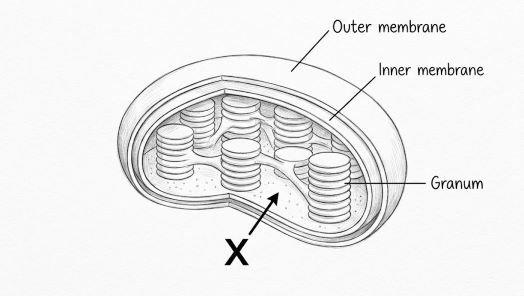
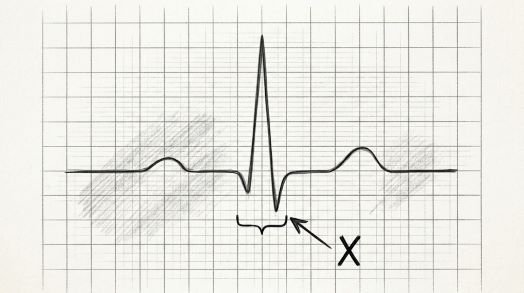



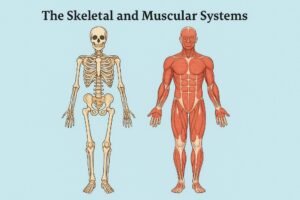 note
note
 one_liner




0 Discussion(s)
You must be logged in to join the discussion.