
Tuberculosis Information: Causes, Symptoms, Treatment, and Prevention
Table of Contents
Overview
Tuberculosis (TB) is a communicable infection primarily affecting the lungs, caused by Mycobacterium tuberculosis. While there are various subgroups within the genus Mycobacterium, M. tuberculosis alone is pathogenic to humans. TB is most commonly transmitted through airborne droplets from individuals with active respiratory disease.
Etiology
TB is caused by Mycobacterium tuberculosis, spreading through microscopic droplets released into the air. This transmission occurs when individuals with untreated, active TB cough, speak, sneeze, spit, laugh, or sing.
Pathophysiology
Infection with TB requires inhalation of droplet nuclei. Once deposited in the alveoli, M. tuberculosis is engulfed by alveolar macrophages but survives and multiplies within them. The immune system responds, and exposure may lead to clearance, latent infection, or progression to primary disease. Successful containment depends on the cellular immune system, forming granulomas to prevent further growth and spread of M. tuberculosis.
Clinical Manifestations
During the initial infection and granulomas, symptoms are often mild, resembling bronchial pneumonia with a positive sputum test. In active TB, chronic inflammation signs include anorexia, overall feeling unwell, weight loss, fatigue, low-grade fever, night sweating, and a persistent cough lasting longer than 2 weeks with colored sputum.
Treatment
Treatment for TB depends on whether it is active or latent. Antibiotics, including isoniazid, rifampicin, ethambutol, Pyrazinamide, and streptomycin, are commonly used. Vaccination is available to limit bacterial spread after TB infection.
Prevention
- Education and Screening: Close contacts with patients may undergo prophylactic therapy. Protective measures, such as covering mouth and nose when coughing, are essential.
- Early Diagnosis and Treatment: Early treatment is crucial to prevent disease deterioration and spread.
- Leading a Healthy Lifestyle: Maintain a healthy lifestyle to minimize the chance of contracting the illness. This includes adequate exercise, enough rest and sleep, a balanced diet, avoidance of smoking and alcohol, breathing fresh air, and maintaining good indoor ventilation.
- BCG Vaccination: BCG vaccination is provided to newborns to protect against tuberculosis.
References :
- World Health Organization (WHO) – Tuberculosis
- Centers for Disease Control and Prevention (CDC) – Tuberculosis (TB)
- Mayo Clinic – Tuberculosis
- National Institute of Allergy and Infectious Diseases (NIAID) – Tuberculosis
- PubMed – Tuberculosis

Categorized Under:
More Study Notes on this Topic
Ready for More?
Test your knowledge with these related materials.




📺 Watch & Learn
Visual explanations and related video classes for better understanding.
🎥 Video Resources
Tuberculosis - causes, symptoms, diagnosis, treatment, pathology

Tuberculosis - causes, symptoms, diagnosis, treatment, pathology
Neurodegenerative Disease Overview
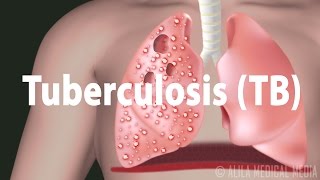
Tuberculosis (TB): Progression of the Disease, Latent and Active Infections.

What is Coronary Artery Disease - Mechanism of Disease