
Download PDF – CHRONIC RENAL FAILURE
2 downloads
532 views

CHRONIC RENAL FAILURE
CHRONIC RENAL FAILURE
Chronic Kidney disease (CKD), also called chronic renal failure, is the irreversible loss of renal function due to replacement of functional nephrons with fibrous scar tissue. Kidneys filter wastes and excess fluids from blood, which are then excreted in urine. When chronic renal failure reaches an advanced stage, dangerous levels of fluid, electrolytes and wastes can build up in body. In early stage of chronic renal failure, become clinically apparent as renal insufficiency, evidenced by azotemia and possibly polyurea and nocturia resulting from impaired tubular transport and concentration of urine.
Causes
Chronic renal failure occurs when a disease or condition impairs kidney function, causing kidney damage to worsen over several months or years.
Diseases and conditions that commonly cause chronic renal failure include:
• Type 1 or type 2 diabetes,
• High blood pressure.
The most common cause of end-stage renal failure worldwide is IgA nephropathy (Inflammation in the kidney).
Other common causes of chronic renal failure include:
• Recurring pyelonephritis (kidney infection).
• Polycystic kidney disease (multiple cysts in the kidneys), Prolonged obstruction of the urinary tract, from conditions such as enlarged prostate, kidney stones and some cancers.
• Autoimmune disorders such as systemic lupus erythematosus.
• Hardening of the arteries, which can damage blood vessels in the kidney.
• Urinary tract blockages and reflux, due to frequent infections, stones, or an anatomical abnormality that happened at birth.
• Excessive use of medications that are excreated through the kidneys.
• Vesicoureteral reflux, a condition that causes urine to back up into kidneys.
Pathophysiology
A normal kidney contains approximately 1 million nephrons, each of which contributes to the total glomerular filtration rate (GFR). In the face of renal injury (regardless of the etiology), the kidney has an innate ability to maintain GFR, despite progressive destruction of nephrons, as the remaining healthy nephrons manifest hyperfiltration and compensatory hypertrophy. This nephron adaptability allows for continued normal clearance of plasma solutes. Plasma levels of substances such as urea and creatinine start to show measurable increase only after total GFR has decreased to 50%.
Symptoms
Signs and symptoms of chronic renal failure develop over time if kidney damage progresses slowly. Signs and symptoms of chronic renal failure may include:
• Nausea,
• Vomiting,
• Loss of appetite,
- Fatigue and weakness,
• Sleep problems,
• Changes in urine output,
• Decreased mental sharpness,
Treatments
There are two treatments for kidney failure:
1. Dialysis.
2. Kidney transplantation
1. Dialysis:
Two different types of dialysis can be done.
- Hemodialysis (HD).
- Peritoneal Dialysis (PD)
- (i) Hemodialysis
Purpose:
Hemodialysis cleans and filters blood using a machine to temporarily rid of the body from harmful wastes, extra salt and extra water. Hemodialysis helps to control blood pressure and helps body to keep the proper balance of important chemicals such as potassium, sodium, calcium and bicarbonate.
Hemodialysis Working: Hemodialysis uses a special filter called a dialyzer that functions as an artificial kidney to clean blood. The dialyzer is a canister connected to the hemodialysis machine. During treatment, blood travels through tubes into the dialyzer, which filters out wastes, extra salt and extra water.
(ii) Peritoneal Dialysis: Peritoneal dialysis is another procedure that removes wastes, chemicals, and extra water from body. This type of dialysis uses the lining of abdomen, or belly, to filter blood. This lining is called the peritoneal membrane and acts as the artificial kidney.
Peritoneal Dialysis Working: A mixture of minerals and sugar dissolved in water, called dialysis solution, travels through a catheter into belly. The sugar (dextrose)
draws wastes, chemicals and extra water from the tiny blood vessels in peritoneal membrane into the dialysis solution. After several hours, the used solution is drained from abdomen through the tube, taking the wastes from blood with it.
2. Kidney Transplant:
A kidney transplant involves surgically placing a healthy kidney from a donor into body. Transplanted patient may need to take medications for the rest of life to keep body from rejecting the new organ.
Treatments and Drugs: Chronic renal failure has no cure. In general, treatment consists of measures to help control signs and symptoms, reduce complications, and slow progression of the disease. If kidneys become severely damaged, may need treatment for end-stage kidney disease.
Treating Complications: Kidney disease complications can be controlled to make more comfortable. Treatments may include:
High blood pressure medications:
People with kidney disease may experience worsening high blood pressure. Recommend medications to lower blood pressure, commonly angiotensin-converting enzyme (ACE) inhibitors or angiotensin II receptor blockers and to preserve kidney function.
Medications to lower cholesterol levels:
Medications (statins) used to lower the cholesterol. People with chronic renal failure often experience high levels of bad cholesterol, which can increase the risk of heart disease.
Medications to treat anemia:
In certain situations, may recommend supplements of the hormone erythropoietin, sometimes with added iron. Erythropoietin supplements aid in production of more red blood cells, which may relieve fatigue and weakness associated with anemia.
Medications to relieve swelling:
People with Chronic renal failure may retain fluids. This can lead to swelling in the legs, as well as high blood pressure. Diuretics can help maintain the balance of fluids in body.
Medications to protect bones:
Calcium and vitamin D supplements may be useful to prevent weak bones and lower risk of fracture.
How to Download CHRONIC RENAL FAILURE PDF?
- Wait for 1 Minute on this page until the download button unlocks.
- While waiting, we highly recommend exploring our videos or reading the preview above.
- Once the timer ends, the Download Now button will become active.
🎥 Video Resources
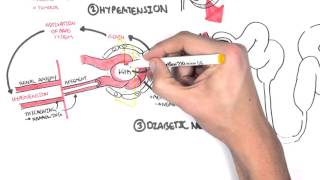
Chronic Kidney Disease (CKD) Pathophysiology
Chronic Kidney Disease (CKD) Pathophysiology
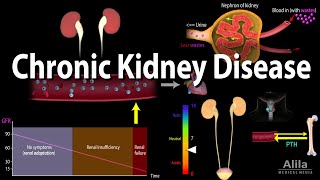
Chronic Kidney Disease, Animation

Renal Failure (Acute and Chronic)
What You Will Get in CHRONIC RENAL FAILURE PDF?
- ✔ A high-quality PDF of CHRONIC RENAL FAILURE with proper formatting
- ✔ Easy to read offline on mobile, tablet, or desktop
- ✔ Great for revision, practice, and quick reference
- ✔ Additional learning support with related videos and resources linked on this page
- ✔ Supports our mission: “Knowledge for Everyone”
Why Choose Solotutes?
At Solotutes, we provide access to notes, quizzes, MCQs, one-liners, and tests for multiple exams. By downloading CHRONIC RENAL FAILURE in PDF format, you not only get valuable material but also become part of a growing community of learners. We regularly update our posts with videos, explanations, and extra content to help you understand topics better.
FAQs – CHRONIC RENAL FAILURE Download
Q. Is this PDF really free?
✅ Yes! Free resources are completely free. Premium resources require a one-time unlock or pass.
Q. Do I need to sign up?
❌ For free PDFs, no account is needed. For premium tests, login is required to verify your purchase.
Q. Can I share this PDF with my friends?
✔ Yes, please share and help others learn too.
About Solotutes
Solotutes.com is dedicated to students preparing for competitive exams, schools, and universities. We provide free PDFs, quizzes, MCQs, notes, and one-liners to make learning easy and accessible.
👑 Tired of Waiting and Ads? Go PRO!
Upgrade to the SoloTutes Pro Pass and supercharge your exam preparation.
- 🚫 Ad-Free Experience: Say goodbye to ads and 1-minute waiting timers.
- 📝 Custom PDF Generator: Build your own exam/subject-wise PDFs.
- 📚 PDF Library: Access 1000+ question eBooks.
- 🔓 Unlock Test Series: Get access to all current and upcoming paid test series.