
 Note
Note
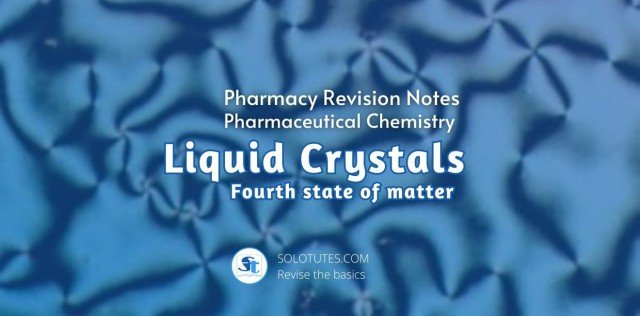
Liquid Crystals: The Fourth State of Matter in Pharmacy
Liquid crystals, the fourth state of matter, exhibit an intermediate order between…
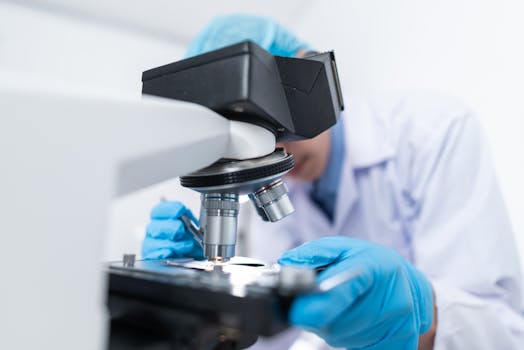
Pharmaceutical Inorganic chemistry is important subject in pharmacy discipline. It is the backbone of pharmaceutical science. it is the study of inorganic compounds, elements, their preparation and applications in the Pharmaceutical operations i.e therapeutic, surgical and industrial importance.
Note
Liquid crystals, the fourth state of matter, exhibit an intermediate order between…
 Test
Test
This is the 2nd set of Pharmaceutical inorganic chemistry based on the…
Test
Attempt (practice) these important MCQs from P.Chem 1 and revise the basics…
MCQ, local anaesthetic medicinal chemistry, mcq on local anaesthetics, local anaesthetic mcq
Antihistamines are drugs which treat rhinitis and other allergies. Typically people take…
MCQ Antiseptics and Disinfectants, mcq antiseptic and disinfectant, antiseptic and disinfectant mcq…