
How was India in 1750 ? How Mughal Empire Declined…
The Mughal rulers who came to power after the death of Aurangzeb…
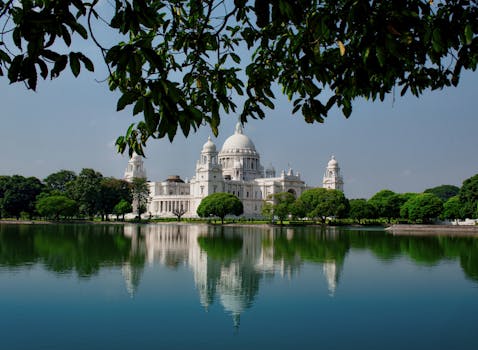
India’s History and Culture is dynamic, spanning back to the beginning of human civilization.Indian History begins with the birth of Indus Valley Civilization and the arrival of Aryans.
The Mughal rulers who came to power after the death of Aurangzeb…
 Test
Test
Important GK MCQ questions from Indian history topic Indian national movement happened…
 Note
Note
Indian History begins with the birth of the Indus valley civilization and…
 Note
Note
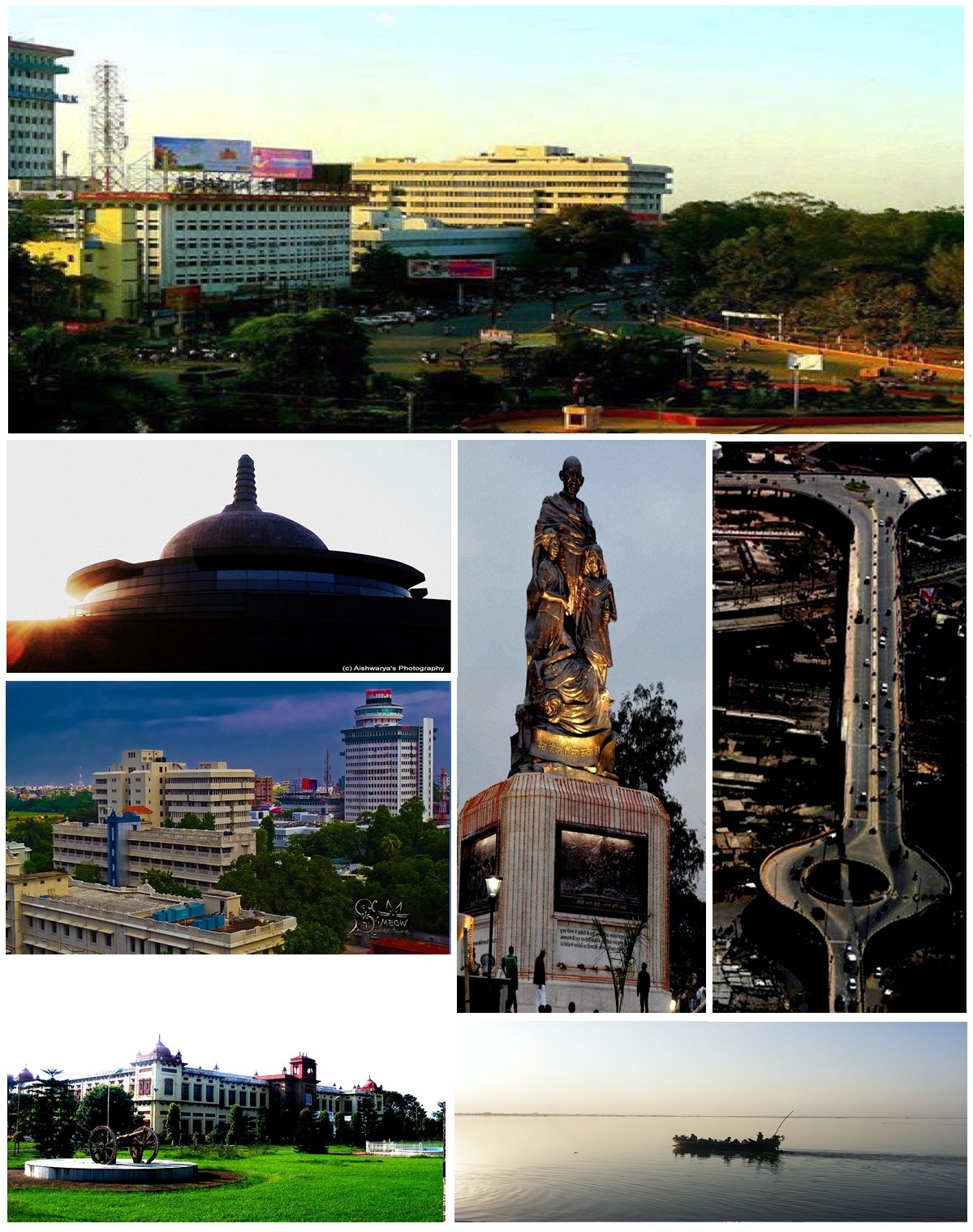
The location of Pataliputra was a strategic one and that is why…
 Note
Note
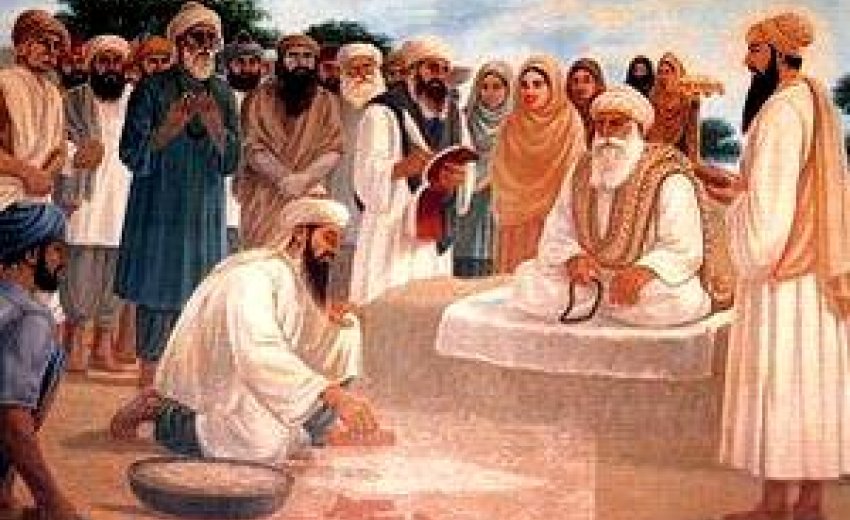
Using devotion to achieve salvation was a key component of Bhakti movement…
 Note
Note
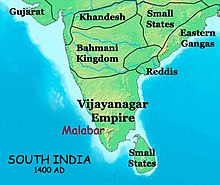
Bahmani Kingdom was the first independent Muslim kingdom in south India. It…
 Note
Note
Vijaynagara empire was established in 1336 by the brothers of the Sangama…
The Lodhi dynasty was the last dynasty of the Delhi Sultanate. battle…
 Note
Note
The Sayyid dynasty was the fourth dynasty of the Delhi Sultanate, with…
 Note
Note
The Tughluq dynasty also referred to as Tughluq or Tughluq dynasty, was…