
 Note
Note
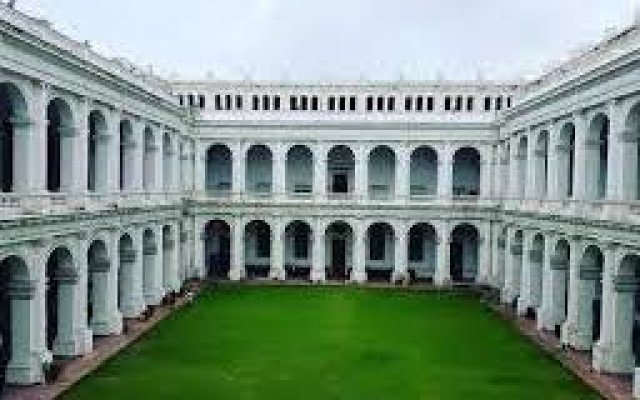
Famous Museums of India
A Museum is a non-profit, permanent institution in the service of society…
General awareness includes general knowledge (GK), General Science (GS), and Current Affairs.
Note
A Museum is a non-profit, permanent institution in the service of society…
 Note
Note
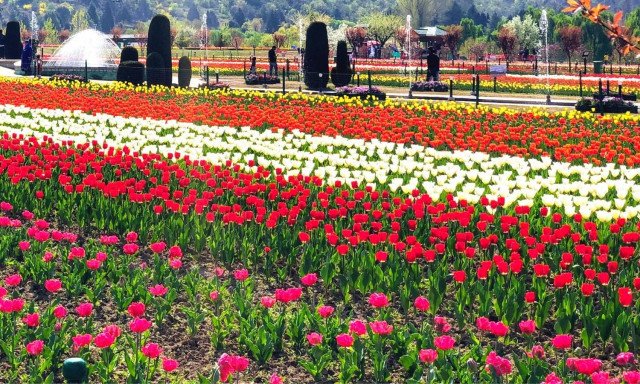
In India, there were so many beautiful Gardens to visit. Even these…
 Note
Note
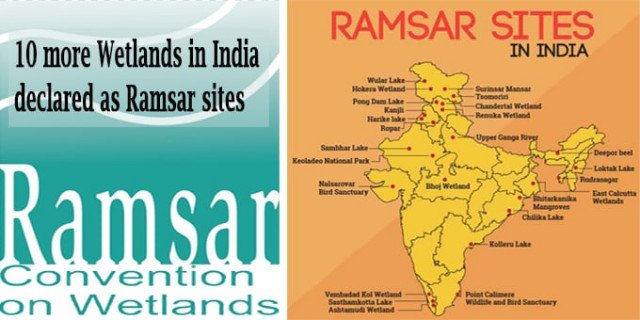
A Ramsar Site (Wetland) is a place where the land is covered…
There are some Nicknames which were given to these Indian Cities. Check…
 One Liner
Important Questions on seasons and climate of India, Indian geography
Note
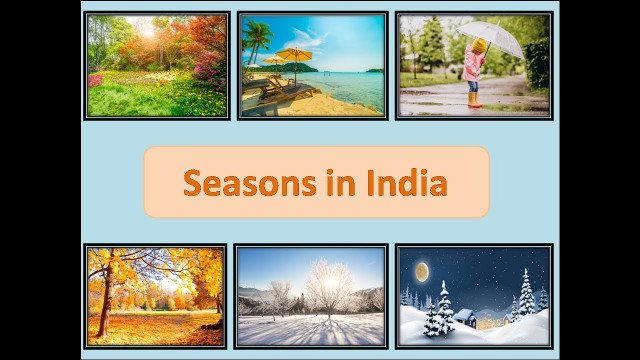
A Season is a period of the year that is characterized by…
 Note
Note
Biosphere reserves are areas of terrestrial and coastal ecosystems. This Biosphere network…
Indian society is important topic in real life and also in UPSC…
 One Liner
Important exam-oriented one-liners questions from Major Lakes in India.
Note
Any relatively large body of slowly, moving or standing water that occupies…