
 Note
Note
Sufi and Bhakti movement in Medieval India
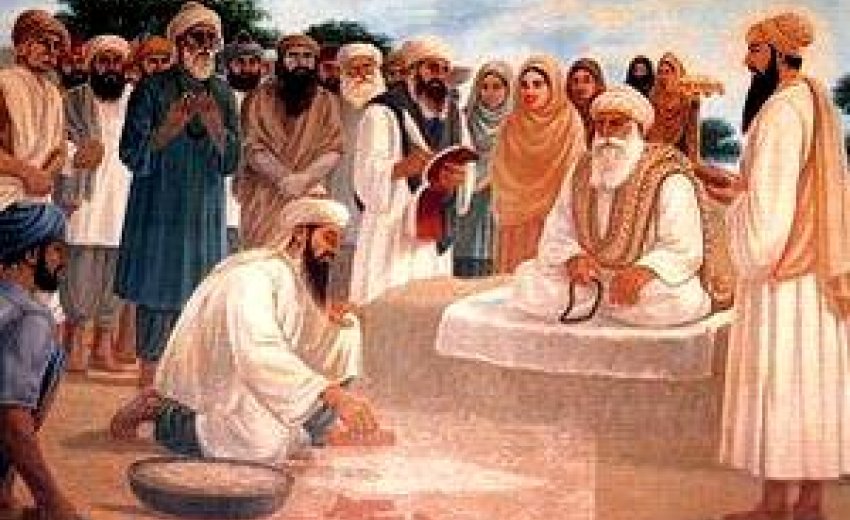
Using devotion to achieve salvation was a key component of Bhakti movement…

General awareness includes general knowledge (GK), General Science (GS), and Current Affairs.
Note
Using devotion to achieve salvation was a key component of Bhakti movement…
 Note
Note
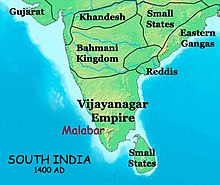
Bahmani Kingdom was the first independent Muslim kingdom in south India. It…
 Note
Note
Vijaynagara empire was established in 1336 by the brothers of the Sangama…
The Lodhi dynasty was the last dynasty of the Delhi Sultanate. battle…
 Note
Note
The Sayyid dynasty was the fourth dynasty of the Delhi Sultanate, with…
 Note
Note
The Tughluq dynasty also referred to as Tughluq or Tughluq dynasty, was…
The Khalji or Khilji dynasty was a Muslim dynasty that ruled large…
Mamluks were the earliest rulers of the Delhi Sultanate. They are also…
Arabs captured Sindh in 712 AD.The Arab conquest of Sindh was led…
Inscriptions and other literary records indicate the Rashtrakutas selected the crown prince…