
Human Anatomy and Physiology – Important Questions Quiz (Hindi-English)
This Human Anatomy and Physiology MCQs Quiz contains important bilingual Hindi and English multiple choice questions for students preparing for nursing, pharmacy and other paramedical exams. The quiz includes questions from major topics of human anatomy and physiology such as skeletal system, muscular system, nervous system, circulatory system, digestive system, excretory system, lymphatic system and reproductive system. These practice MCQs help students revise key concepts and prepare effectively for nursing entrance exams, pharmacy exams and various paramedical competitive exams.
×
How to Attempt
- Select your preferred language from the dropdown.
- Attempted questions turn green.
- Wait 3 seconds after answering to auto-jump to the next question.
- Click Show Report to view detailed answers & download PDF.
Q1.
Name the largest skeletal-muscle of the human body?
/मानव शरीर की सबसे बड़ी कंकालीय मांसपेशी कौन-सी है?
📘 Explanation:
Gluteus maximus is the largest skeletal muscle and forms the bulk of the buttocks, responsible for hip extension and powerful movements like climbing./ग्लूटियस मैक्सिमस मानव शरीर की सबसे बड़ी कंकालीय मांसपेशी है जो कूल्हे के विस्तार और शक्तिशाली गतिविधियों में मदद करती है.
Q2.
Which bone is the longest bone in the human body?
/मानव शरीर की सबसे लंबी हड्डी कौन-सी है?
📘 Explanation:
Femur or thigh bone is the longest and strongest bone of the human body./फीमर या जांघ की हड्डी मानव शरीर की सबसे लंबी और मजबूत हड्डी होती है. 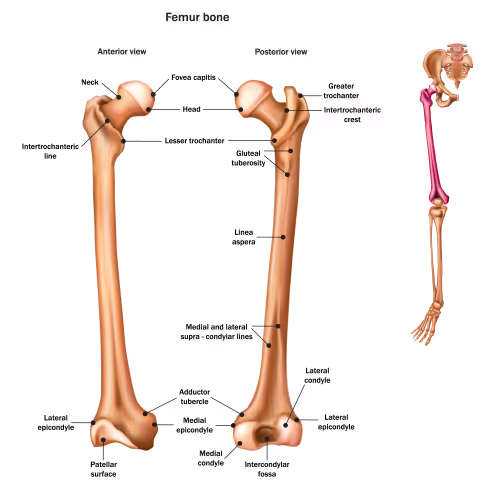
Q3.
Which organ pumps blood throughout the human body?
/मानव शरीर में रक्त को पंप करने वाला अंग कौन-सा है?
📘 Explanation:
The heart pumps blood through arteries and veins to supply oxygen and nutrients to tissues./हृदय पूरे शरीर में रक्त पंप करके ऊतकों को ऑक्सीजन और पोषक तत्व पहुँचाता है.
Q4.
Which blood cells are responsible for immunity?
/प्रतिरक्षा के लिए कौन-सी रक्त कोशिकाएँ जिम्मेदार होती हैं?
📘 Explanation:
White blood cells defend the body against infections and foreign substances./श्वेत रक्त कोशिकाएँ शरीर को संक्रमण और बाहरी पदार्थों से बचाती हैं.
Q5.
Which part of the brain controls balance and coordination?
/मस्तिष्क का कौन-सा भाग संतुलन और समन्वय नियंत्रित करता है?
📘 Explanation:
Cerebellum regulates balance, posture and coordination of voluntary movements./सेरिबेलम शरीर के संतुलन, मुद्रा और समन्वय को नियंत्रित करता है. 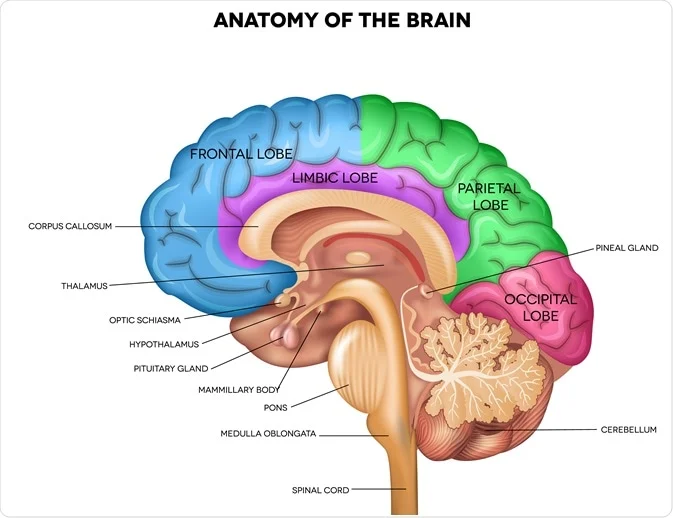
Q6.
Which organ is mainly responsible for detoxification of chemicals in the body?
/शरीर में रसायनों के डिटॉक्सिफिकेशन के लिए मुख्य अंग कौन-सा है?
📘 Explanation:
The liver processes toxins, drugs and metabolic waste products./यकृत शरीर में विषैले पदार्थों और दवाओं को निष्क्रिय करने में मुख्य भूमिका निभाता है.
Q7.
Which part of the digestive system absorbs most nutrients?
/पाचन तंत्र का कौन-सा भाग अधिकतर पोषक तत्वों का अवशोषण करता है?
📘 Explanation:
Most digestion and nutrient absorption occurs in the small intestine./अधिकांश पाचन और पोषक तत्वों का अवशोषण छोटी आंत में होता है.
Q8.
Which structure filters blood in the kidneys?
/गुर्दों में रक्त को कौन-सी संरचना फ़िल्टर करती है?
📘 Explanation:
Nephrons are the functional units of kidneys responsible for blood filtration and urine formation./नेफ्रॉन गुर्दों की कार्यात्मक इकाई है जो रक्त को फ़िल्टर करके मूत्र बनाती है. 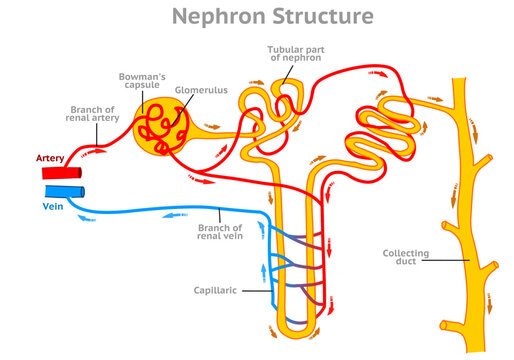
Q9.
Which system transports lymph and helps immunity?
/कौन-सा तंत्र लसीका का परिवहन करता है और प्रतिरक्षा में मदद करता है?
📘 Explanation:
The lymphatic system maintains fluid balance and supports immune defense./लसीका तंत्र द्रव संतुलन बनाए रखता है और प्रतिरक्षा प्रणाली में सहायता करता है.
Q10.
Which gas is mainly exchanged in the lungs during respiration?
/श्वसन के दौरान फेफड़ों में मुख्य रूप से कौन-सी गैस का आदान-प्रदान होता है?
📘 Explanation:
Oxygen enters blood from lungs while carbon dioxide leaves the blood./फेफड़ों में ऑक्सीजन रक्त में प्रवेश करती है और कार्बन डाइऑक्साइड बाहर निकलती है.
Q11.
Which hormone regulates blood sugar levels?
/कौन-सा हार्मोन रक्त शर्करा स्तर को नियंत्रित करता है?
📘 Explanation:
Insulin from pancreas lowers blood glucose by helping cells absorb glucose./इंसुलिन रक्त शर्करा को कम करने में मदद करता है.
Q12.
Which bone protects the brain?
/मस्तिष्क की रक्षा कौन-सी हड्डी करती है?
📘 Explanation:
The skull encases and protects the brain./खोपड़ी मस्तिष्क को ढककर उसकी रक्षा करती है. 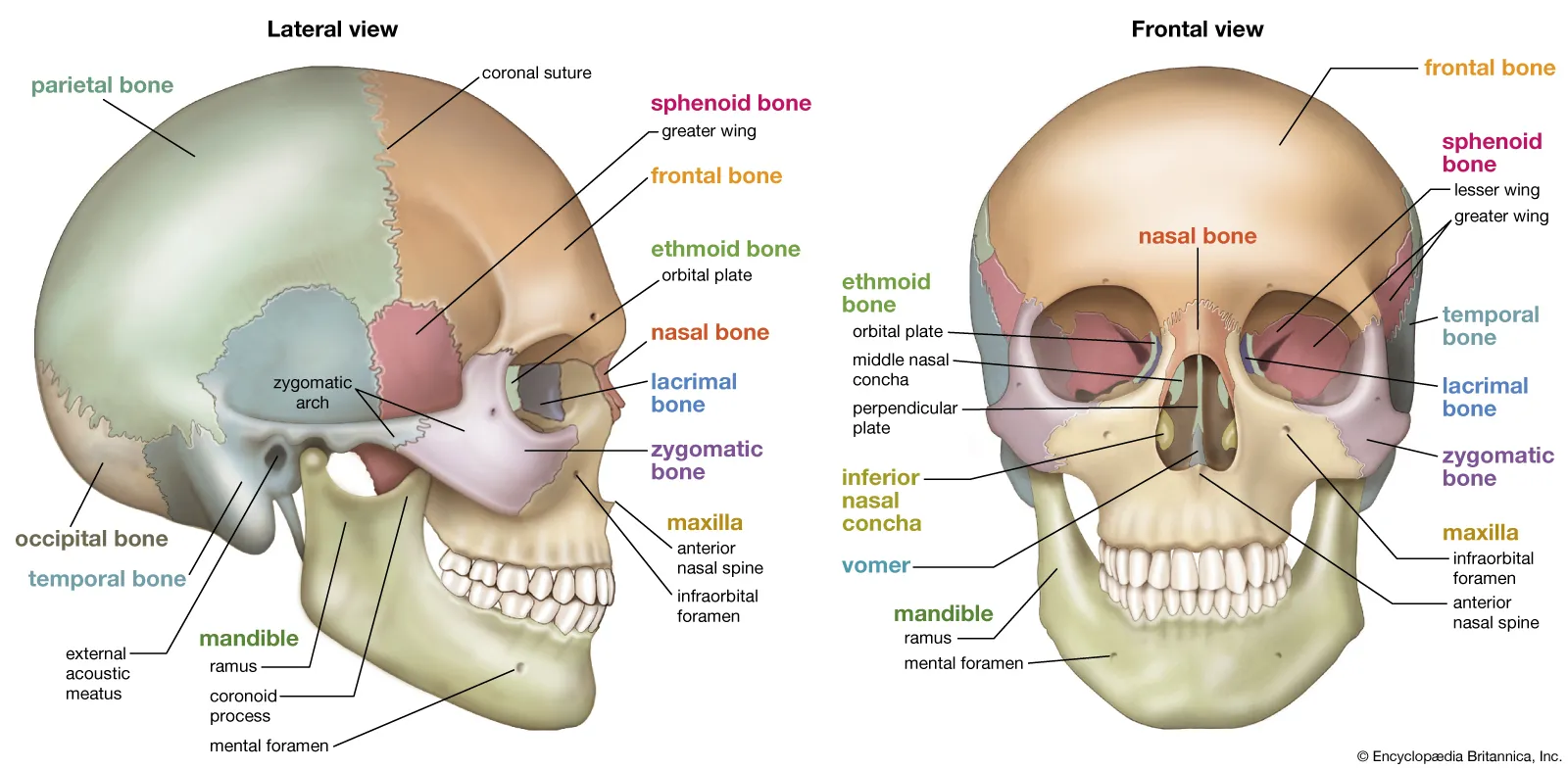
Q13.
Which muscle helps in breathing?
/श्वास लेने में कौन-सी मांसपेशी मुख्य भूमिका निभाती है?
📘 Explanation:
The diaphragm contracts and expands the chest cavity during breathing./डायफ्राम सिकुड़कर और फैलकर श्वसन में मदद करता है.
Q14.
Which blood component helps in clotting?
/रक्त के किस घटक से थक्का बनता है?
📘 Explanation:
Platelets help stop bleeding by forming clots./प्लेटलेट्स रक्त का थक्का बनाकर रक्तस्राव रोकते हैं.
Q15.
Which organ produces bile?
/पित्त का निर्माण कौन-सा अंग करता है?
📘 Explanation:
The liver produces bile which helps digest fats./यकृत पित्त बनाता है जो वसा के पाचन में मदद करता है.
Q16.
Which part of neuron carries impulses away from cell body?
/न्यूरॉन का कौन-सा भाग आवेग को कोशिका शरीर से दूर ले जाता है?
📘 Explanation:
Axons transmit nerve impulses away from the neuron cell body./एक्सॉन तंत्रिका आवेग को कोशिका शरीर से दूर ले जाता है. 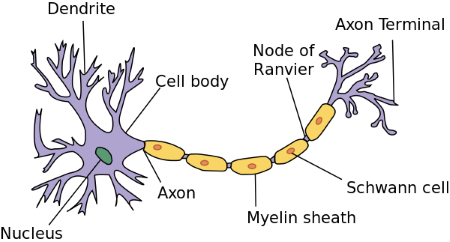
Q17.
Which vitamin is mainly produced in skin with sunlight?
/सूर्य के प्रकाश से त्वचा में मुख्य रूप से कौन-सा विटामिन बनता है?
📘 Explanation:
Vitamin D is synthesized in the skin when exposed to sunlight./सूर्य के प्रकाश से त्वचा में विटामिन D बनता है.
Q18.
Which part of the heart receives oxygenated blood from lungs?
/हृदय का कौन-सा भाग फेफड़ों से ऑक्सीजनयुक्त रक्त प्राप्त करता है?
📘 Explanation:
The left atrium receives oxygenated blood from pulmonary veins./बायाँ आलिंद फेफड़ों से ऑक्सीजनयुक्त रक्त प्राप्त करता है. 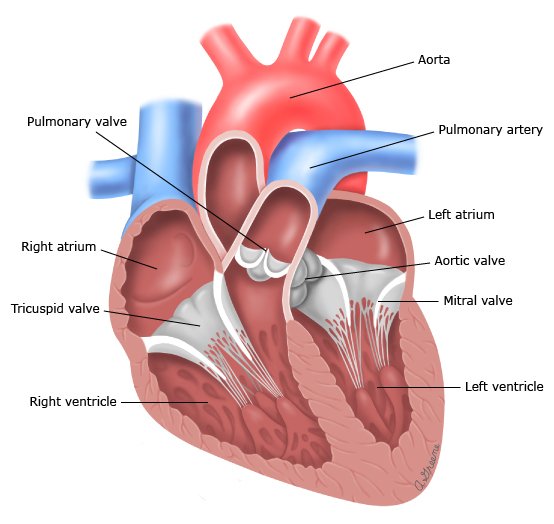
Q19.
Which structure increases surface area for absorption in small intestine?
/छोटी आंत में अवशोषण के लिए सतह क्षेत्र बढ़ाने वाली संरचना कौन-सी है?
📘 Explanation:
Villi increase surface area in the intestine for efficient nutrient absorption./विल्ली छोटी आंत की सतह बढ़ाकर पोषक तत्वों के अवशोषण में मदद करती है.
Q20.
Which organ is responsible for sperm production in males?
/पुरुषों में शुक्राणु का निर्माण किस अंग में होता है?
📘 Explanation:
Testes produce sperm cells and the hormone testosterone./वृषण शुक्राणु और टेस्टोस्टेरोन हार्मोन का निर्माण करते हैं.
📊 Quiz Report
Related Quizzes
🎥 Video Resources
100 Questions on the Introduction to Anatomy and Physiology, Cells, Tissues, and the body Compass

100 Questions on the Introduction to Anatomy and Physiology, Cells, Tissues, and the body Compass

important questions for Anatomy and physiology

100 Anatomy and Physiology question and answers | Anatomy and Physiology MCQ's | #Anatomymcqs
200 anatomy and physiology question mcq quiz | anatomy and physiology question & answers | mcqs quiz

Top 70 Nursing Mcqs 2025-26 | Anatomy and physiology nursing mcqs | NORCET | RRB | BSC questions

Can you answer these 3 anatomy quiz questions?