Hello friends! Today in this post, I am discussing the Classification of Antimicrobial Drugs. This topic is highly important from an examination point of view for pharmacy and medical students.
Antimicrobial drugs are chemical agents which either kill or reduce the growth of specific microorganisms in the human body.
Antimicrobials are classified into the following categories:
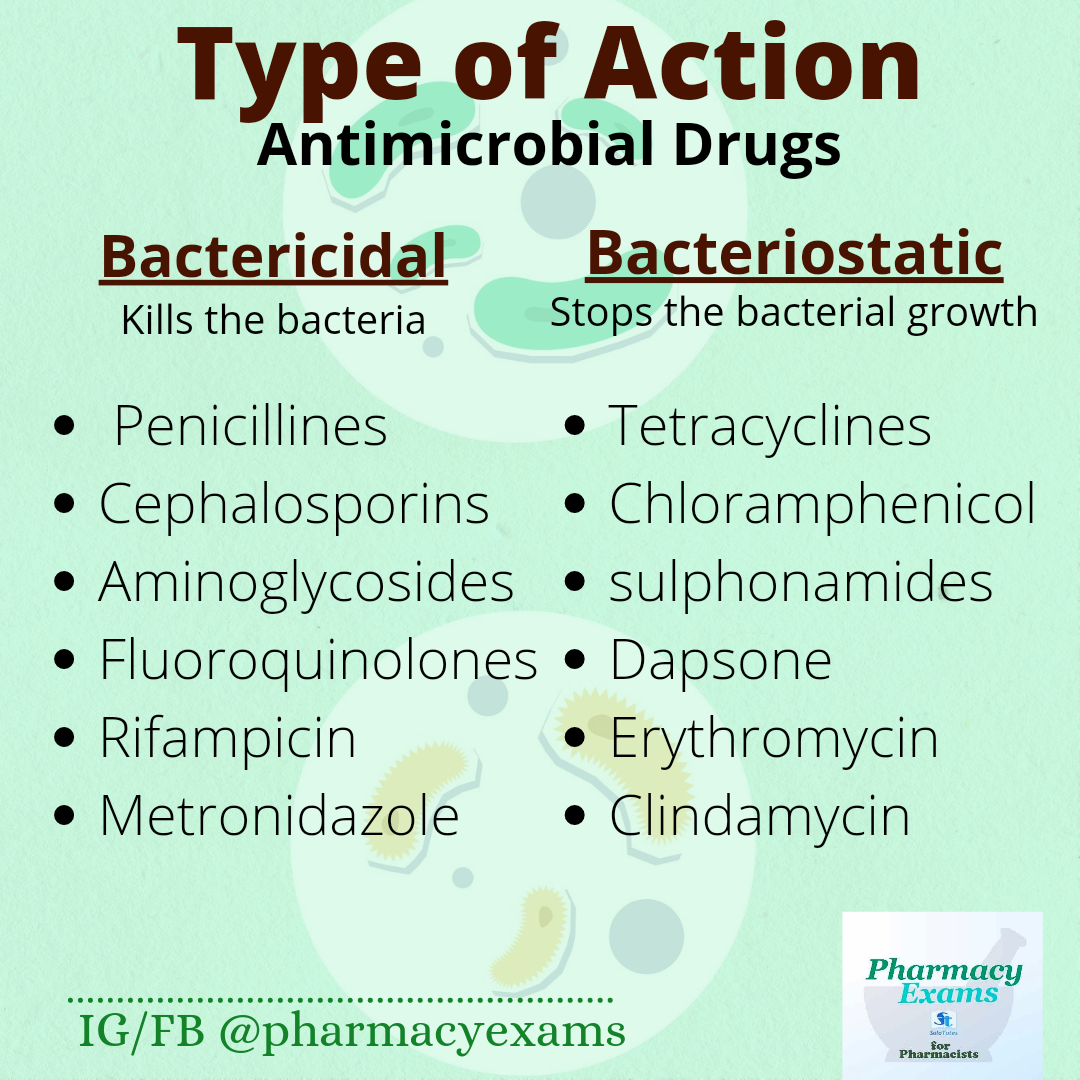
1. According to the Type of Action of the Drug
- Bacteriostatic: These are the drugs that inhibit the growth and multiplication of bacteria but do not kill them.
- Bactericidal: These drugs directly kill the targeted bacteria.
2. According to the Spectrum of Activity of the Drug
- Narrow Spectrum: These drugs are active against a single or a very limited group of microorganisms.
- Broad Spectrum: These drugs are effective against a wide variety of both Gram-positive and Gram-negative bacteria.

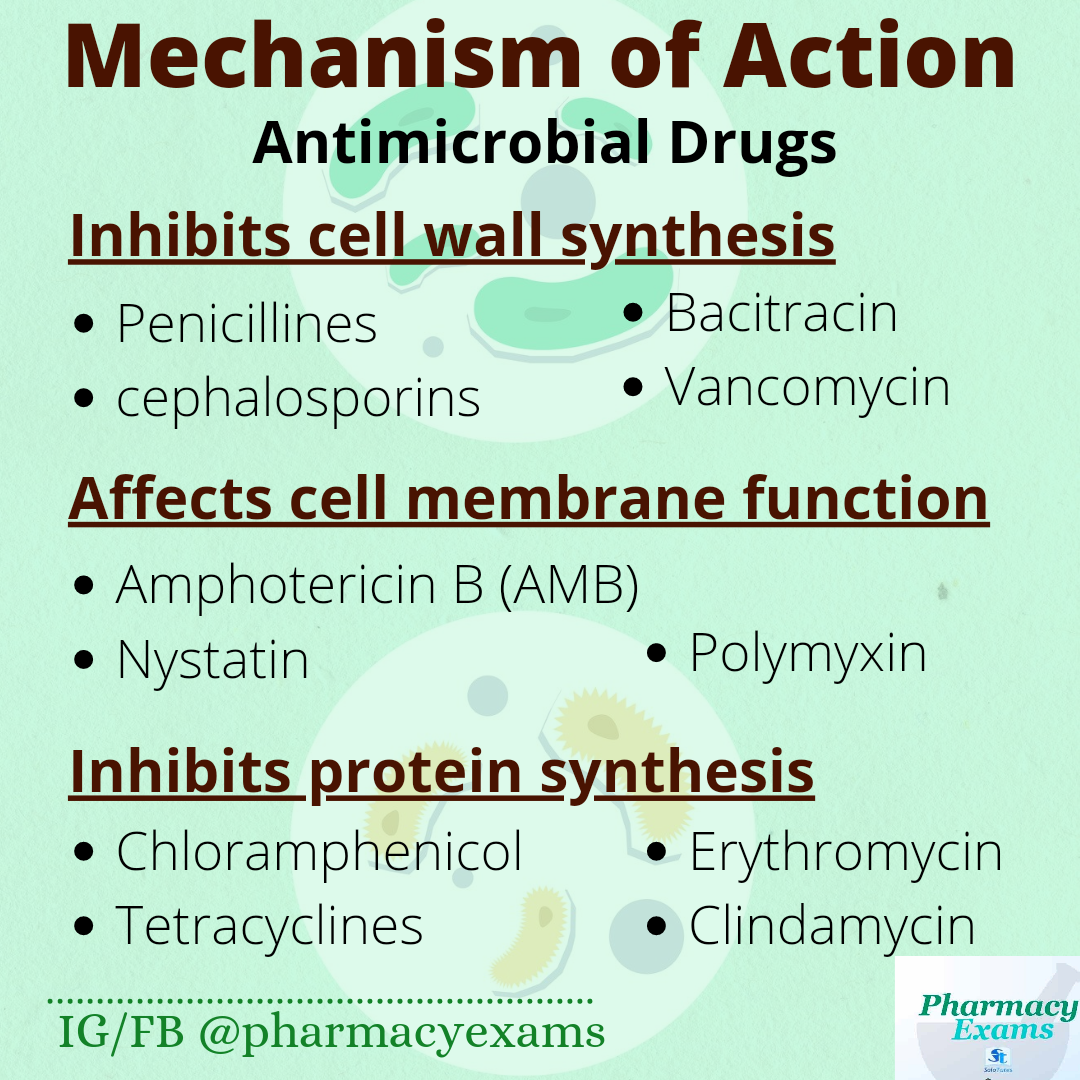
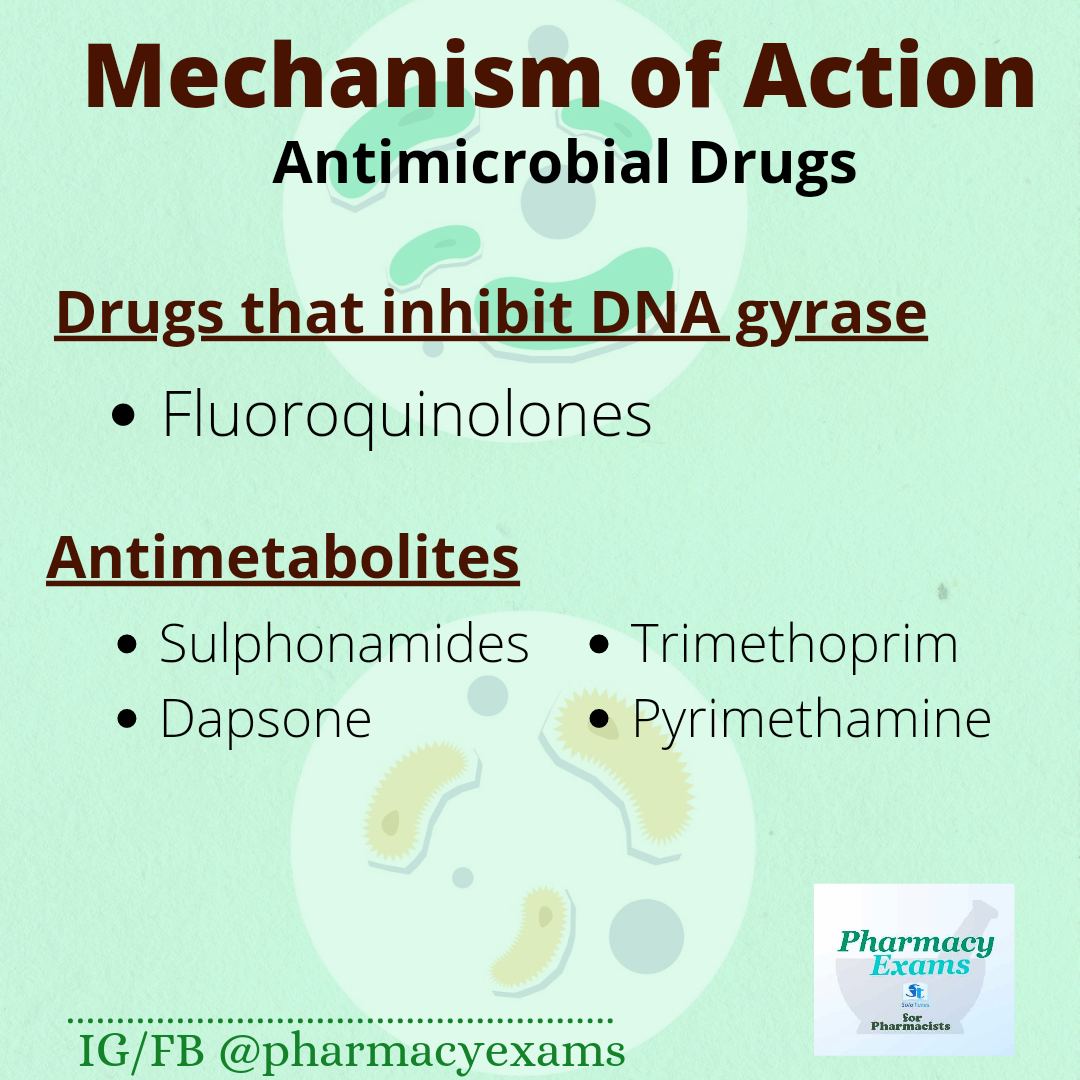
3. According to the Mechanism of Action of the Drug
This classification is based on how the drug attacks the bacteria. The main types include:
- Inhibition of Cell Wall Synthesis: Preventing the formation of the outer bacterial cell wall.
- Leakage from Cell Membrane: Damaging the bacterial cell membrane, leading to the leakage of essential intracellular contents.
- Inhibition of Protein Synthesis: Preventing bacteria from synthesizing proteins necessary for their survival.
- Inhibition of Nucleic Acid Synthesis: Blocking the synthesis of bacterial DNA or RNA.